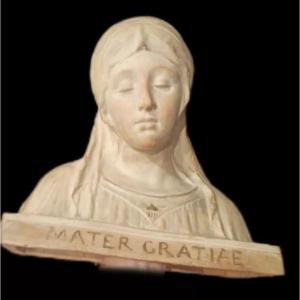


Terracotta Sculpture: Bust Of The Madonna, Signed By A. Neri (alfredo Neri), Early 20th Century
Artist: Alfredo Neri
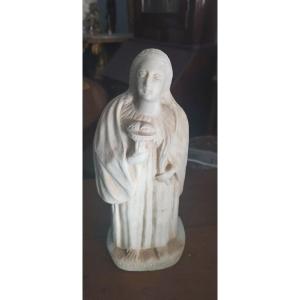
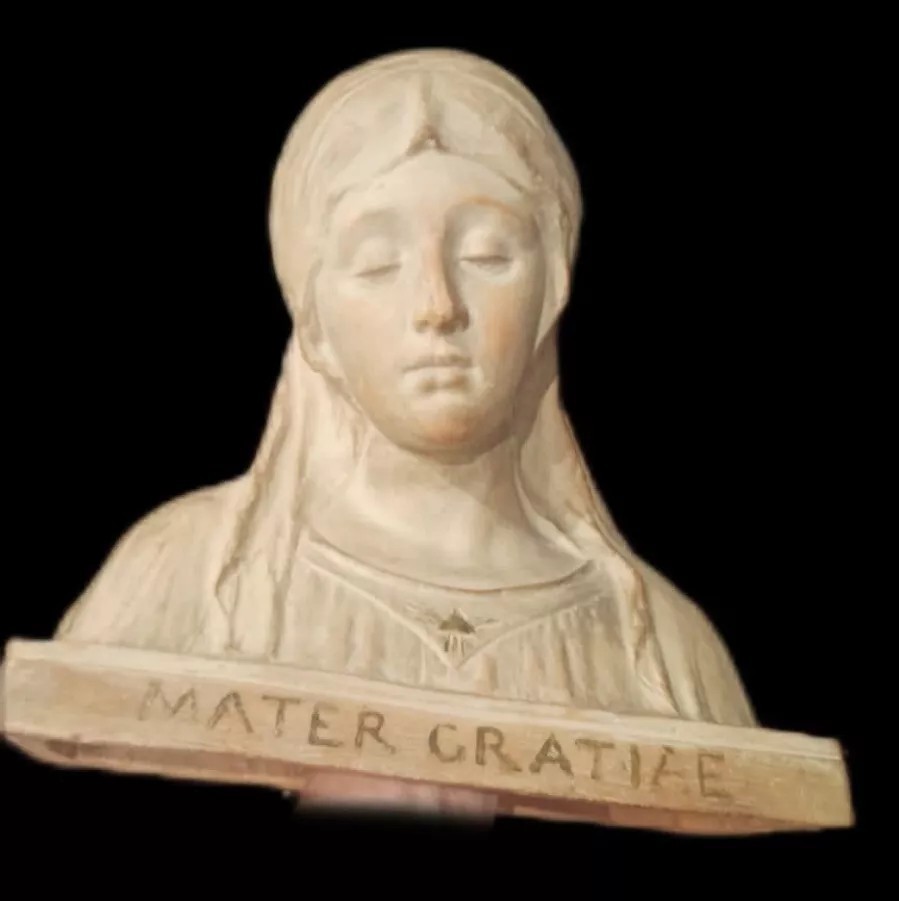
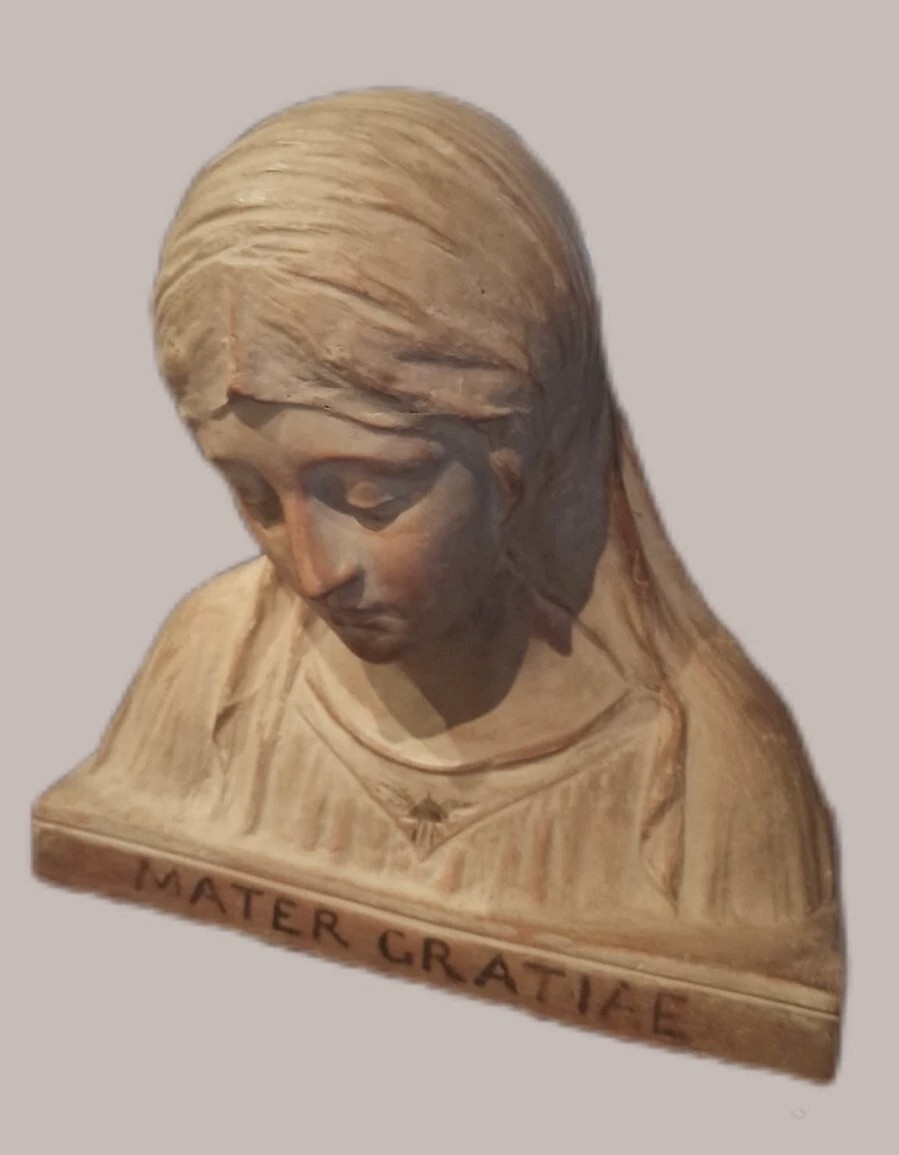
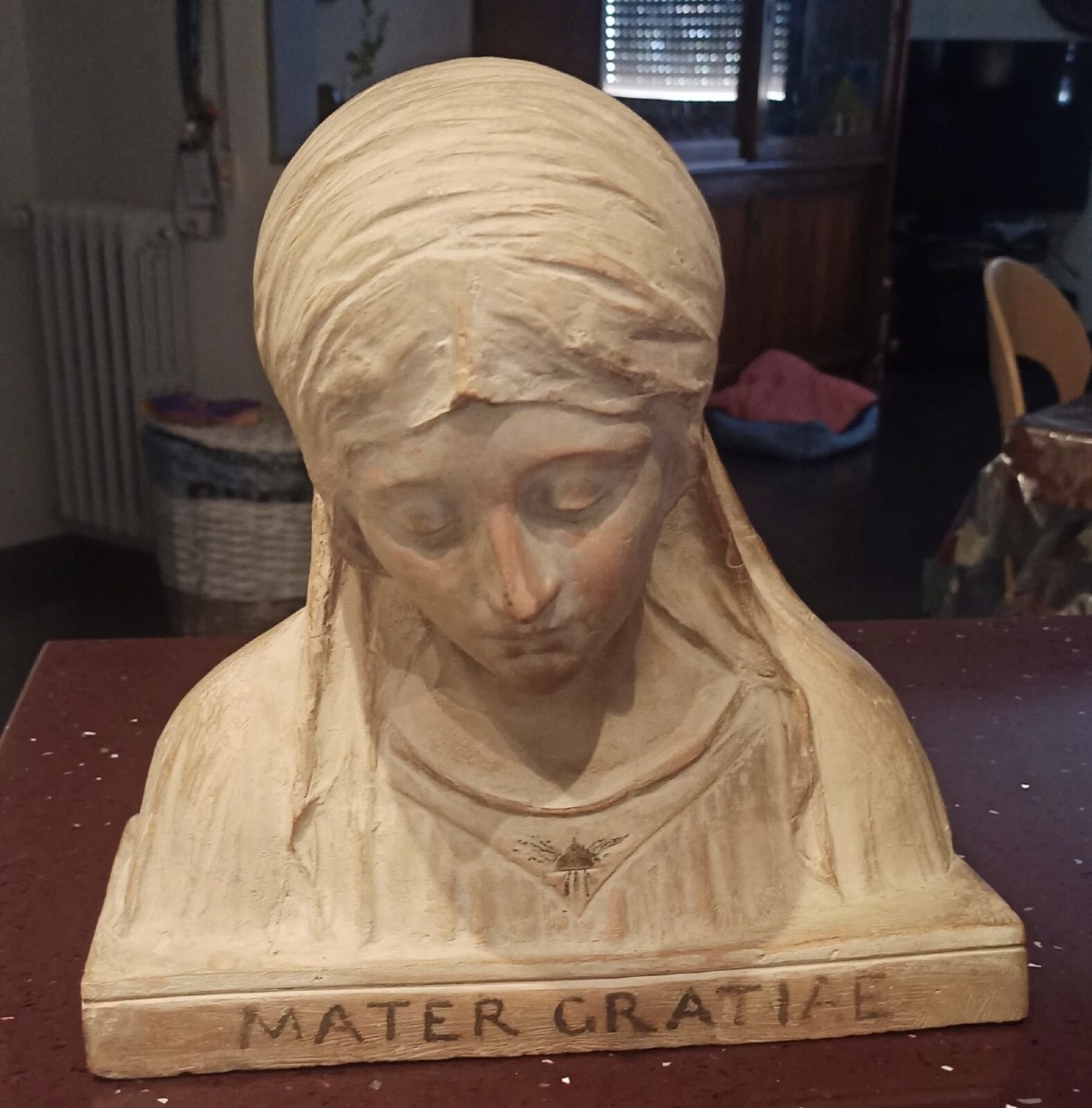
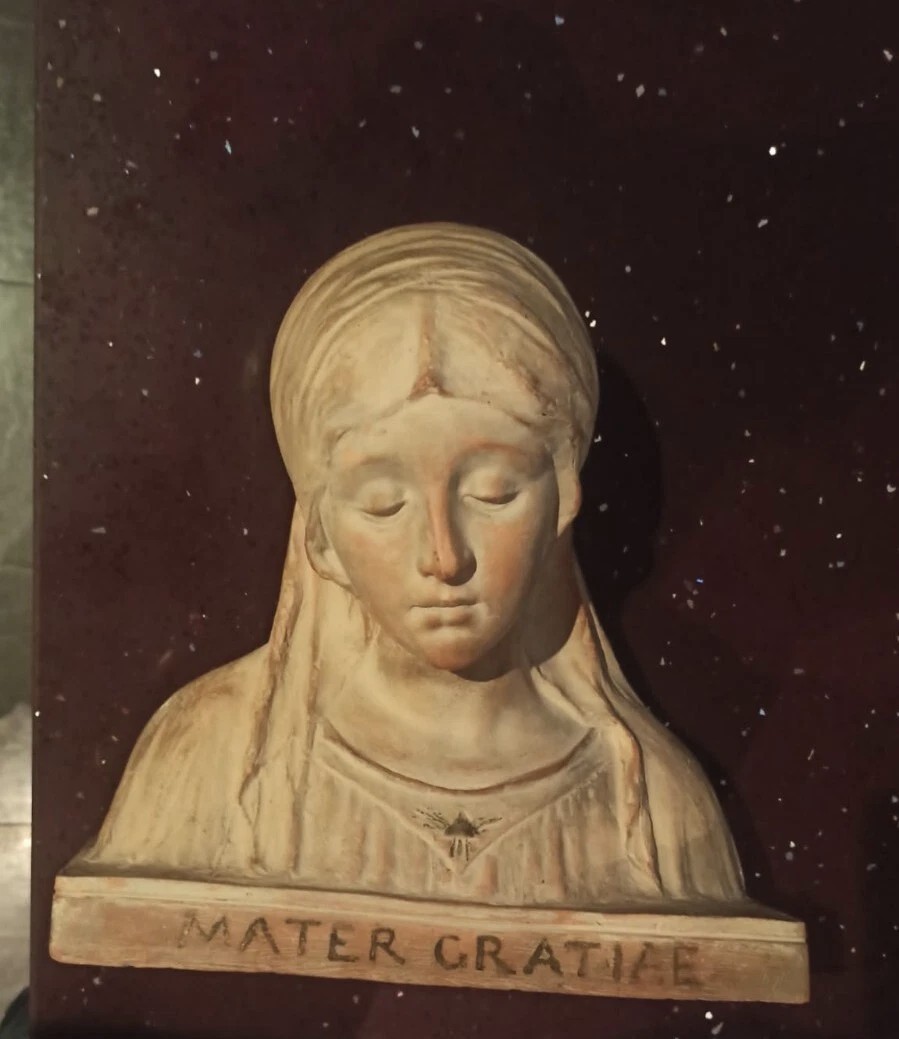
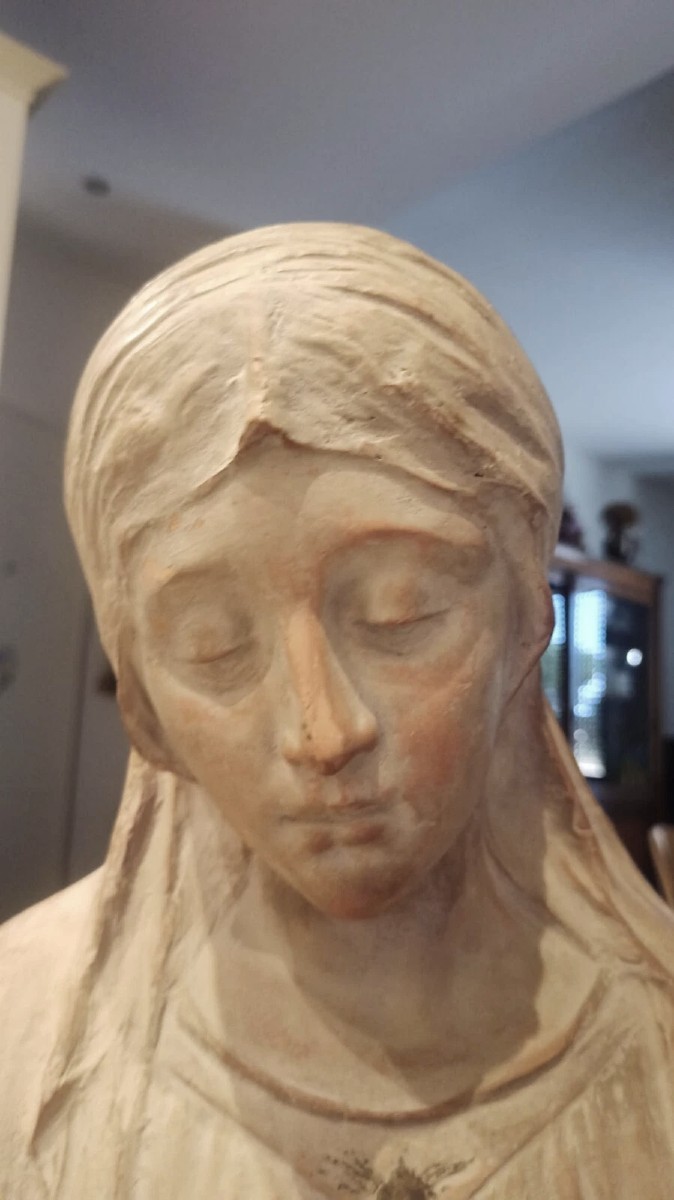
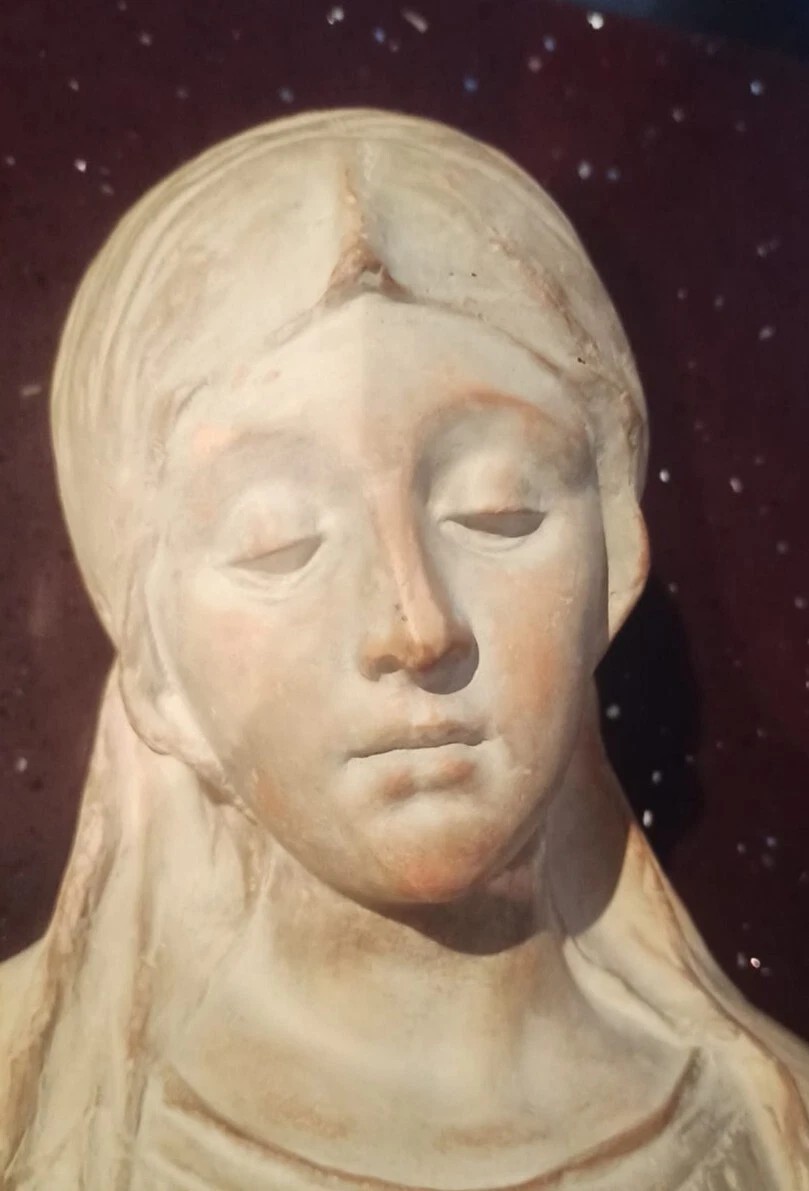
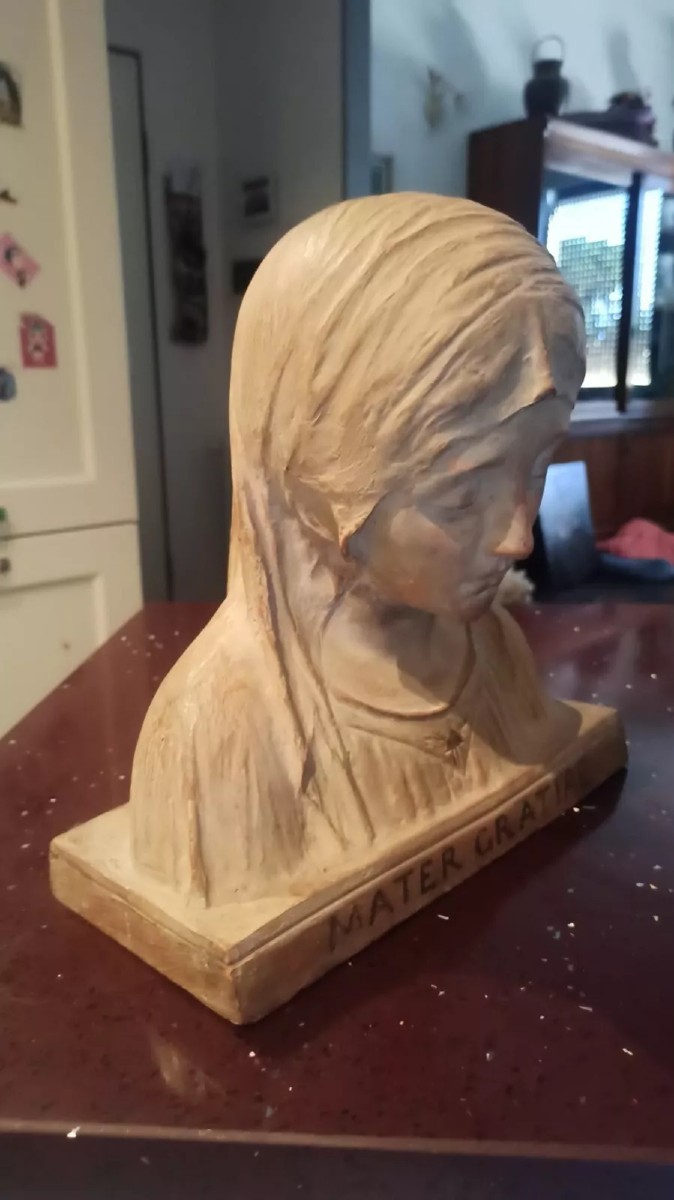
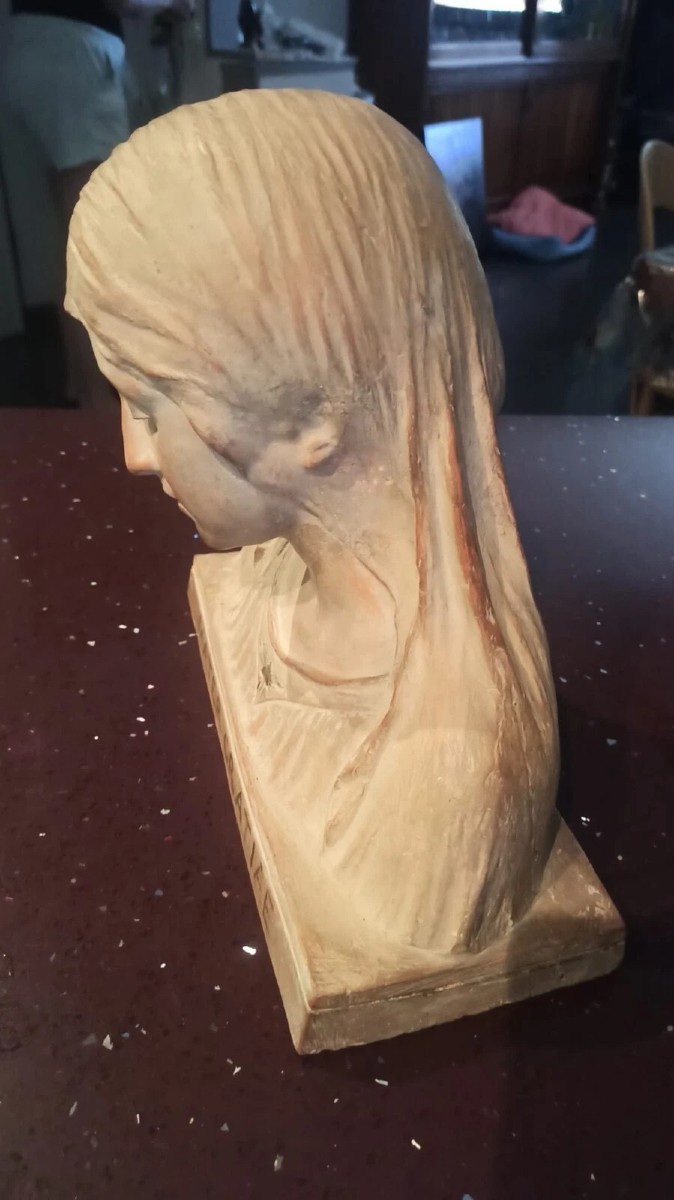
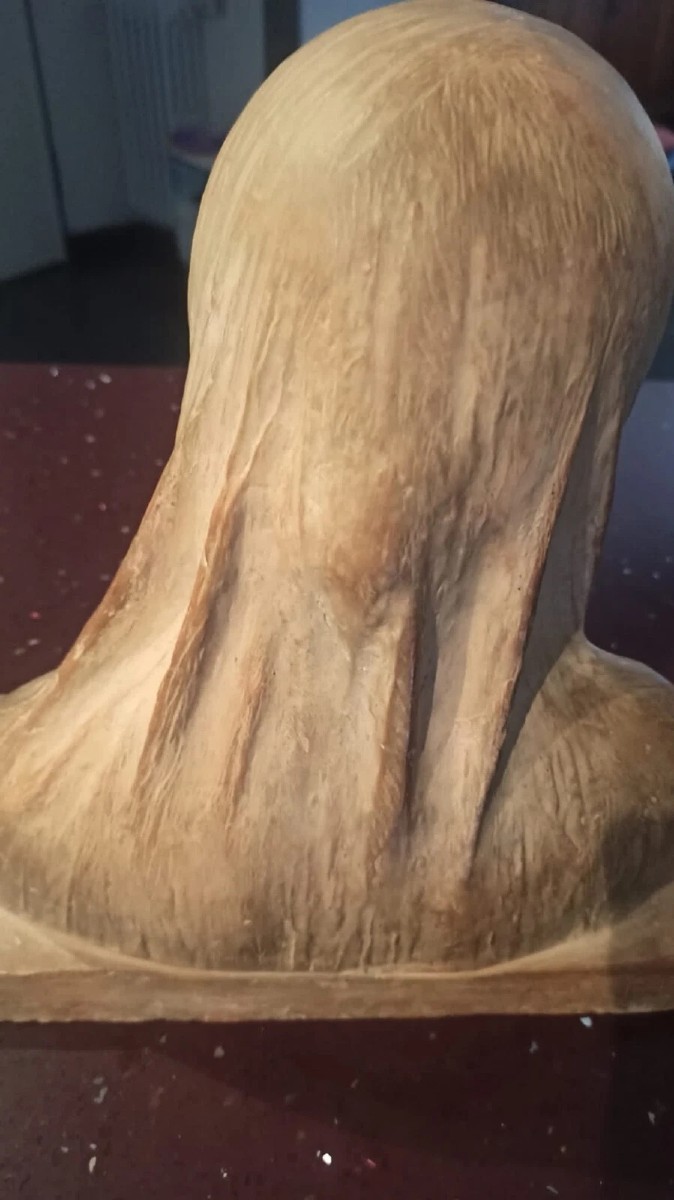
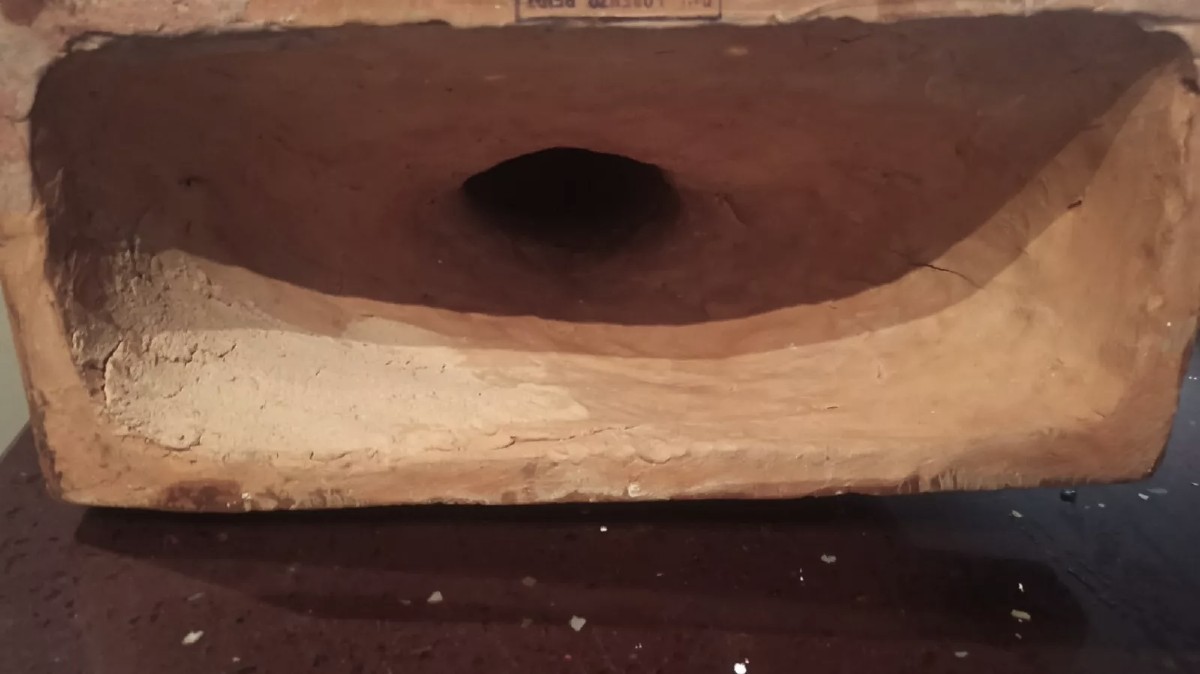
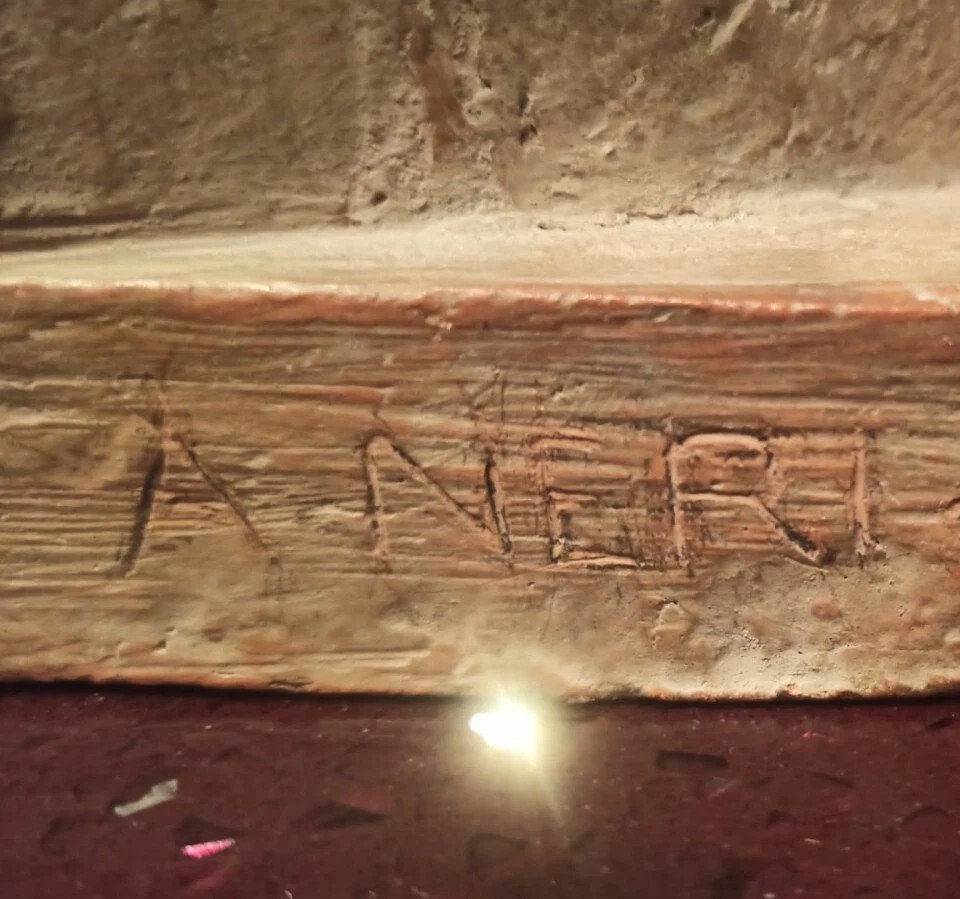
Terracotta sculpture depicting a bust of the Virgin Mary, signed A. Neri (Alfredo Neri, 1862–1928), early 20th century. In perfect condition. Dimensions: L29 x H27 cm.
Terracotta bust of a sculpture of the Virgin Mary, titled "MATER GRATIAE" (Mother of Grace).
The sculpture is a bas-relief depicting the face of the Madonna with her eyes closed and a serene expression.
Few works by the sculptor Alfredo Neri (Bologna, July 14, 1862 – 1928 or 1932) are known; among the few cited by sources is the one presented at the General Exhibition in Turin in 1884, titled *Il primo sonno dell’uomo* (*Man’s First Sleep*), of which the Museum of the Risorgimento in Bologna possesses a period photograph. The subject chosen by Neri allows him to showcase the results achieved through his study of anatomy and sculptural techniques at the Academy of Fine Arts in Bologna. Twenty years earlier, Alessandro Massarenti (1846–1923) had exhibited a sculpture with the same title at the Academy, thus providing a source of study and inspiration for the younger artist. The theme of the reclining nude male figure is clearly drawn from Roman copies of Hellenistic sculptures. Giovanni Duprè, with his Dying Abel from 1842, and Giovanni Strazza with Ishmael (1845) were the first to offer a modern reinterpretation of it.
Another well-known work is the decoration of the portico of the Arena del Sole in Bologna, completed in 1888 with stucco decorations and cement sculptures on the attic. In the Certosa cemetery, he sculpted several works, including the Resignation in the Galletti cell and various portraits, such as that of his friend Giuseppe Pacchioni. Other funerary sculptures include those for the Ceneri and Romagnoli families, both updated to reflect changes in international taste, which by then was shifting toward Art Nouveau. Finally, worth noting is the refined angel in the Vignoli Cell, signed and dated 1891. In later years, he is documented in Florence, where in 1919 he exhibited bronze and silver medals; the local Gallery of Modern Art houses the bronze *Ballerina* from 1916 and a plaster cast titled *La falciatrice*.
Terracotta bust of a sculpture of the Virgin Mary, titled "MATER GRATIAE" (Mother of Grace).
The sculpture is a bas-relief depicting the face of the Madonna with her eyes closed and a serene expression.
Few works by the sculptor Alfredo Neri (Bologna, July 14, 1862 – 1928 or 1932) are known; among the few cited by sources is the one presented at the General Exhibition in Turin in 1884, titled *Il primo sonno dell’uomo* (*Man’s First Sleep*), of which the Museum of the Risorgimento in Bologna possesses a period photograph. The subject chosen by Neri allows him to showcase the results achieved through his study of anatomy and sculptural techniques at the Academy of Fine Arts in Bologna. Twenty years earlier, Alessandro Massarenti (1846–1923) had exhibited a sculpture with the same title at the Academy, thus providing a source of study and inspiration for the younger artist. The theme of the reclining nude male figure is clearly drawn from Roman copies of Hellenistic sculptures. Giovanni Duprè, with his Dying Abel from 1842, and Giovanni Strazza with Ishmael (1845) were the first to offer a modern reinterpretation of it.
Another well-known work is the decoration of the portico of the Arena del Sole in Bologna, completed in 1888 with stucco decorations and cement sculptures on the attic. In the Certosa cemetery, he sculpted several works, including the Resignation in the Galletti cell and various portraits, such as that of his friend Giuseppe Pacchioni. Other funerary sculptures include those for the Ceneri and Romagnoli families, both updated to reflect changes in international taste, which by then was shifting toward Art Nouveau. Finally, worth noting is the refined angel in the Vignoli Cell, signed and dated 1891. In later years, he is documented in Florence, where in 1919 he exhibited bronze and silver medals; the local Gallery of Modern Art houses the bronze *Ballerina* from 1916 and a plaster cast titled *La falciatrice*.
300 €
Period: 19th century
Style: Other Style
Condition: Excellent condition
Material: Terracotta
Reference (ID): 1747821
Availability: In stock
Print