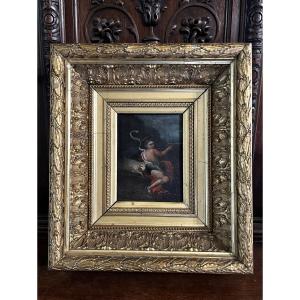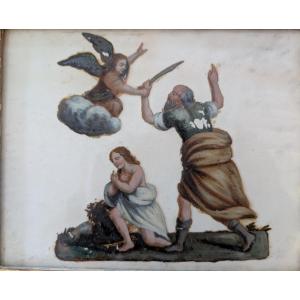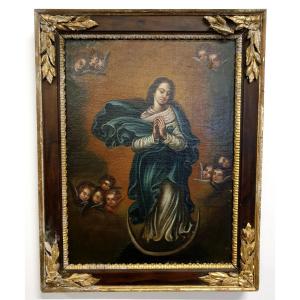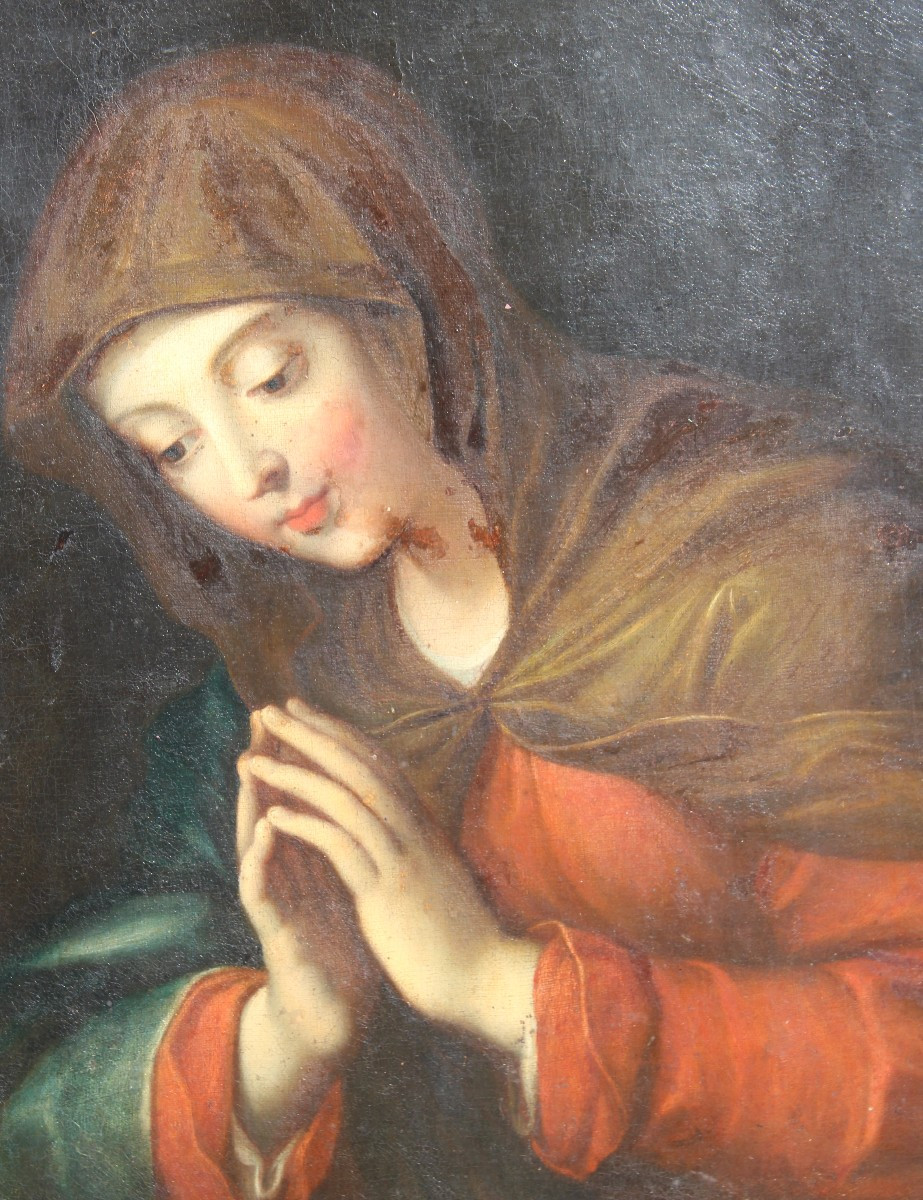
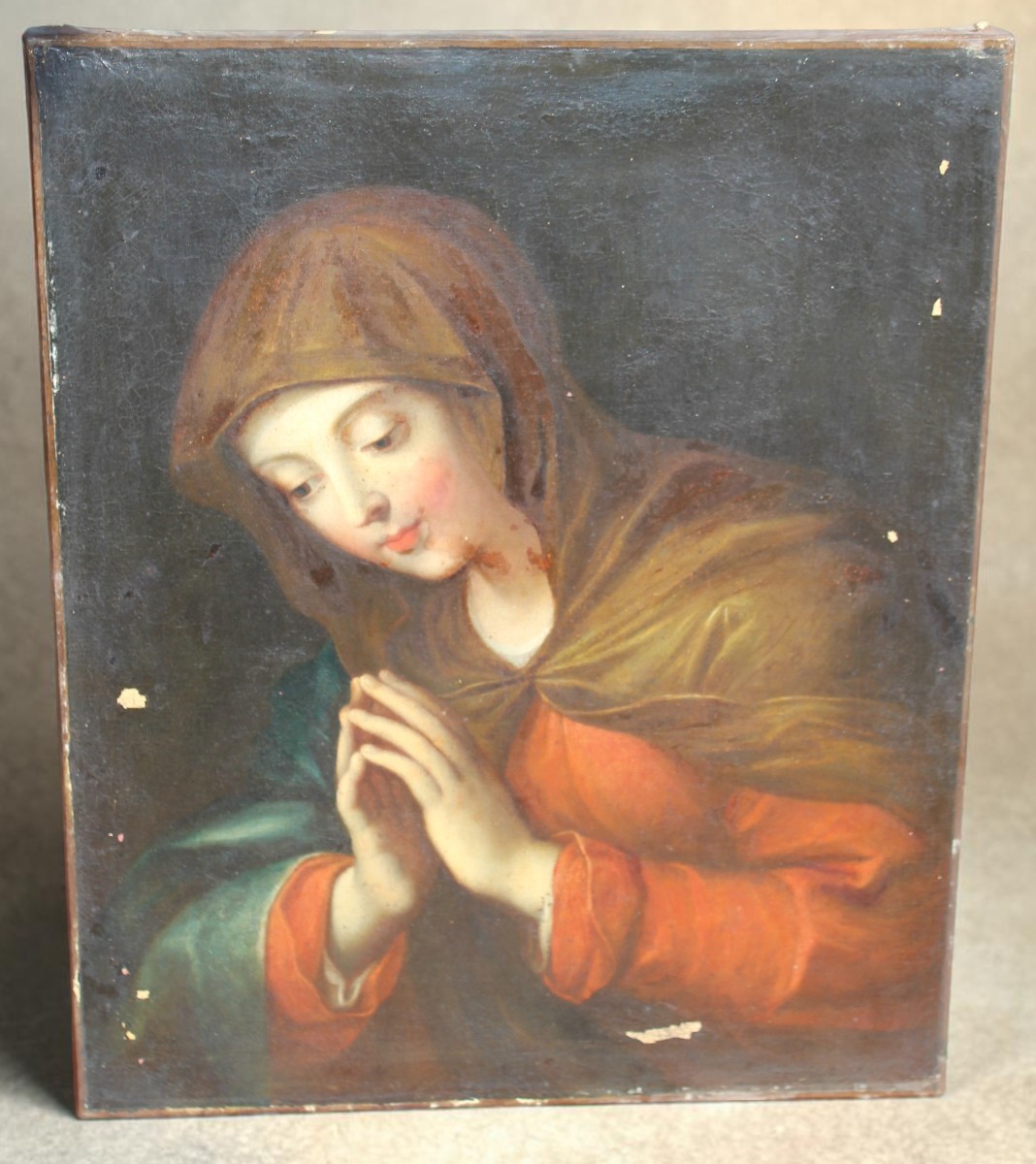
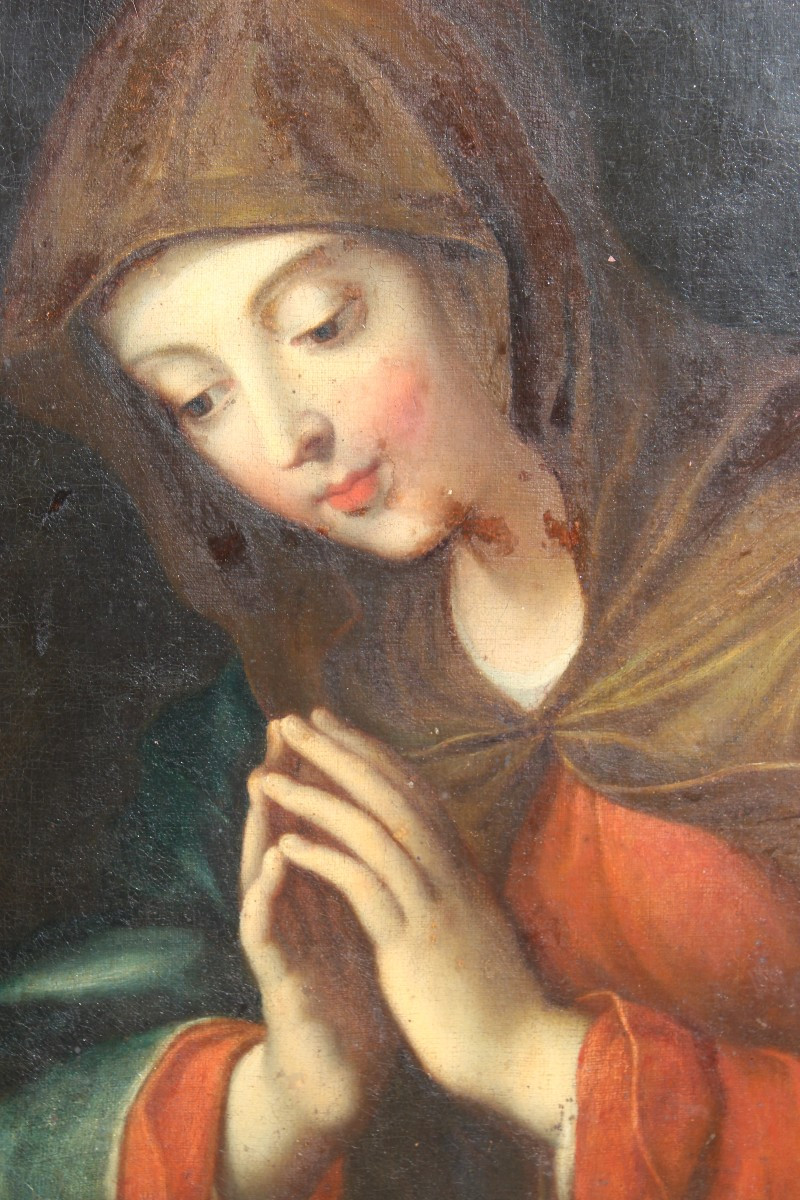


Antonio Cavallucci 1752–1795 (circle Of), Late 18th Century.
Artist: Antonio Cavallucci (1752-1795)
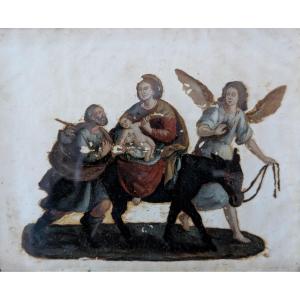
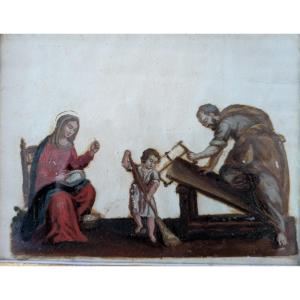
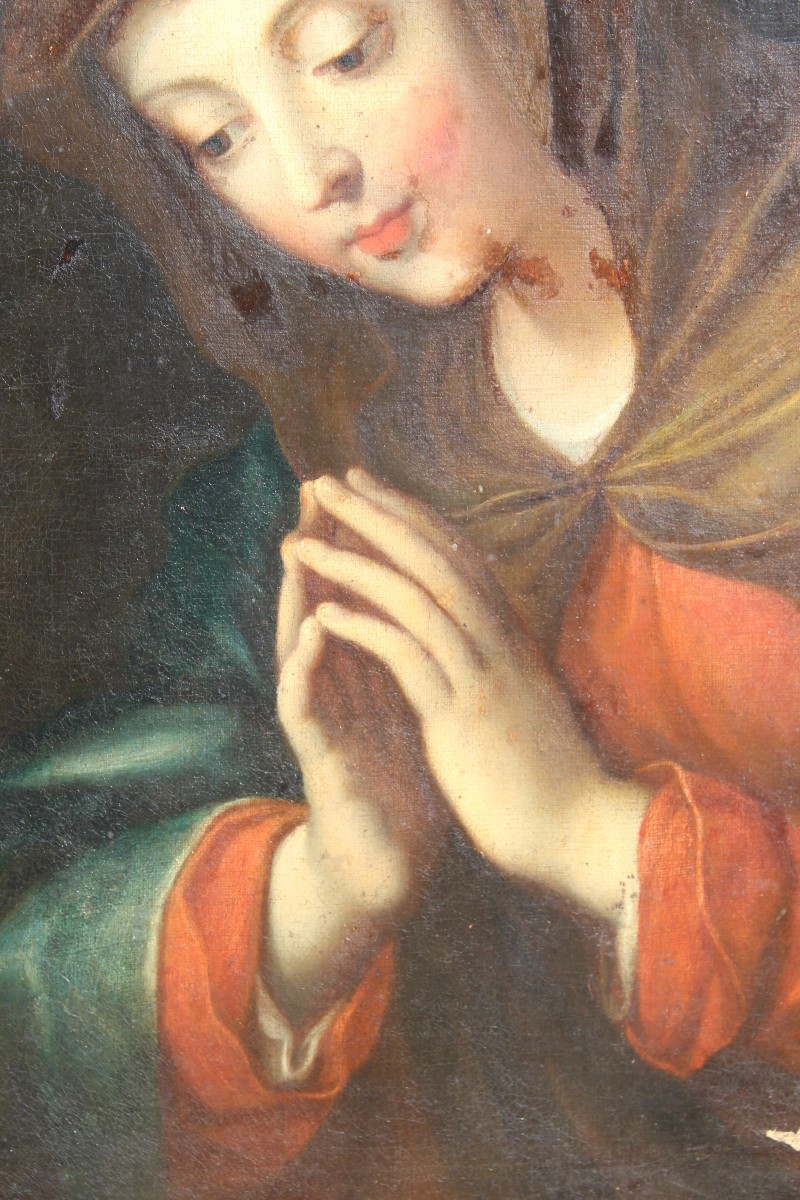
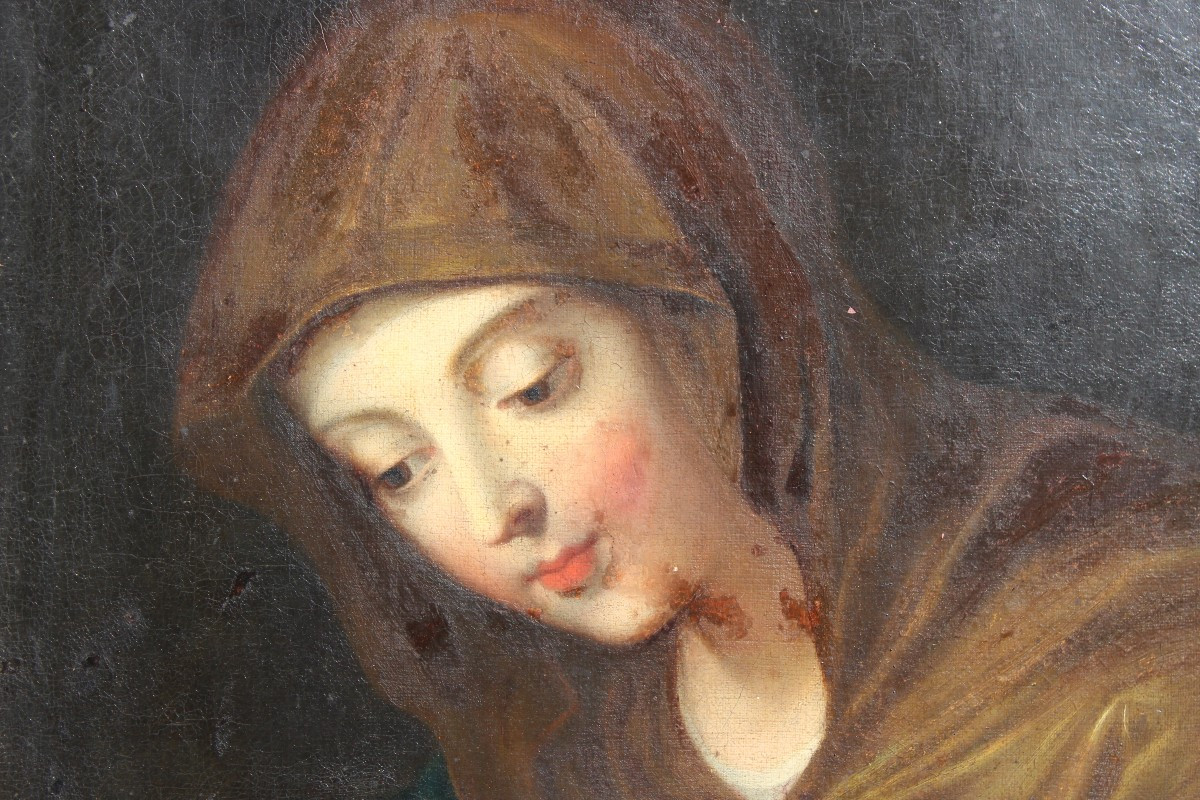
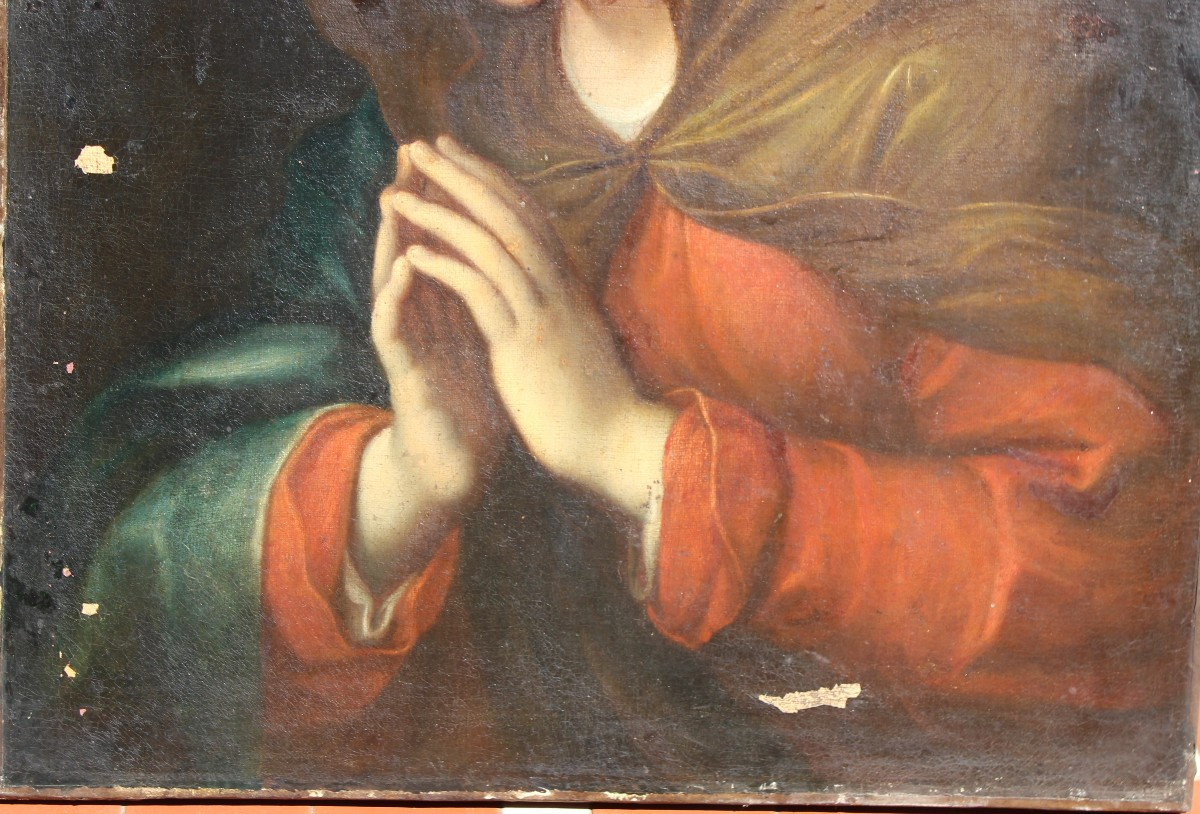
OIL ON CANVAS (attributed to) ANTONIO CAVALLUCCI 1752–1795, A WORK OF EXCELLENT QUALITY FROM THE SECOND HALF OF THE 18TH CENTURY.
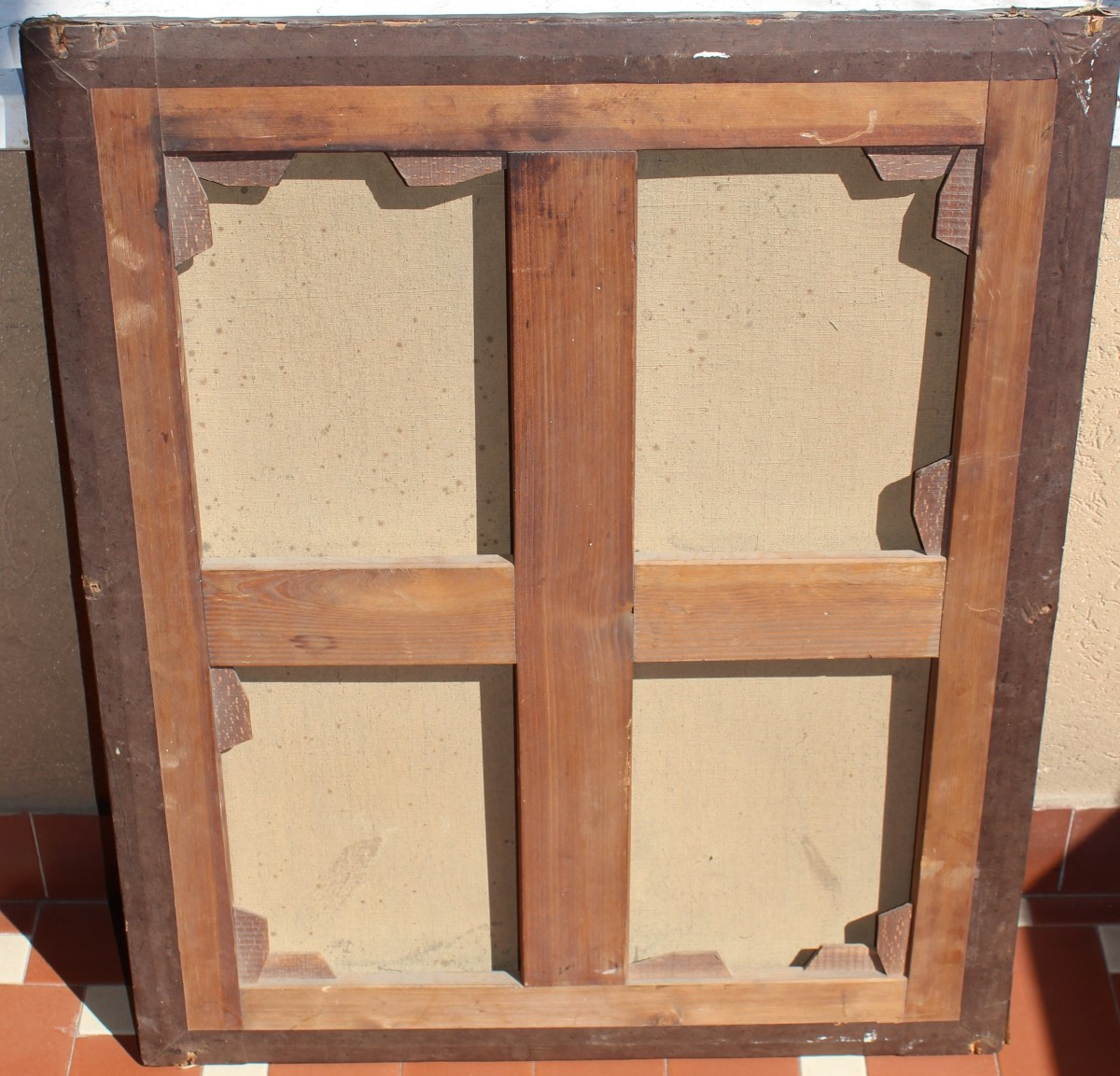
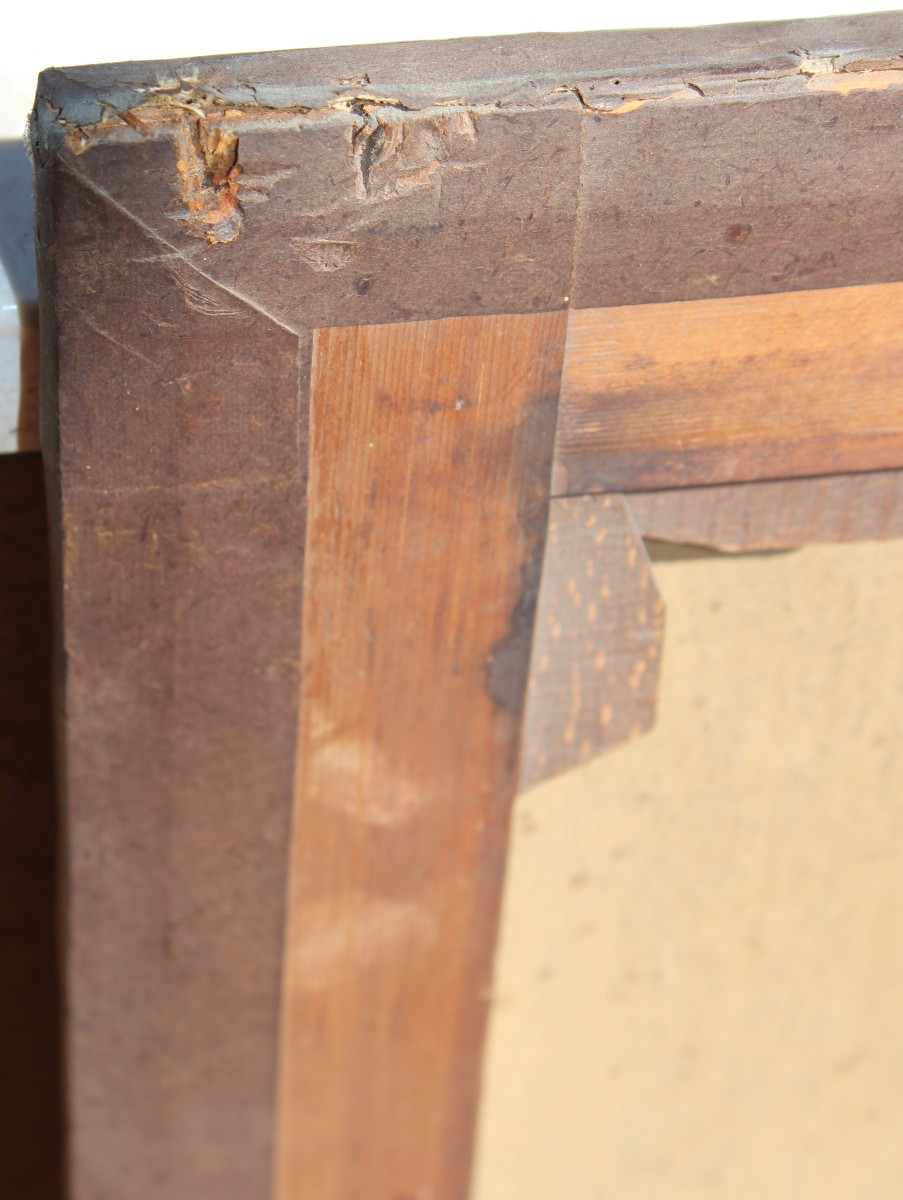
THE PAINTING WAS RE-STRETCHED IN THE LATE 19TH CENTURY AND SHOWS SOME MISSING AREAS AND MINOR RESTORATIONS.
A native of Sermoneta, in Lazio, his artistic talent was soon recognized by Francesco Caetani, Duke of Sermoneta: in 1765, the Duke took the then thirteen-year-old Cavallucci with him to Rome, where he became a pupil of Stefano Pozzi and, three years later, of Gaetano Lapis. He studied drawing at the Academy of San Luca from 1769 to 1771.
Cavallucci’s first known work dates to the mid-1760s: it is a frieze decorated in tempera at the Cavallucci House in Sermoneta. The first portrait he painted was of his patron, Duke Francesco Caetani: all that remains of this painting today is a 1772 engraving by Pietro Leone Bombelli.
His first major commission was the decoration of five audience chambers in the Caetani Palace in Rome in 1776, which he executed by creating mythological scenes and allegories appropriate for each room.
In the early 1780s, he devoted himself primarily to portraiture: among the works from this period is another portrait of Duke Francesco Caetani and his wife, Teresa Corsini, Duchess of Sermoneta.
The most important painting from this phase of his career is probably The Origins of Music (1786), based on illustrations from Cesare Ripa’s treatise Iconologia (1593).
Cavallucci entered the service of a new patron, Cardinal Romoaldo Braschi-Onesti, nephew of Pope Pius VI: in 1788, the artist painted portraits of the cardinal and the pope. His fame continued to grow, and he became a member of the prestigious Academy of San Luca (1786), the Academy of Arcadia (1788), and the Congregation of the Virtuosi al Pantheon (1788).
It seems he managed to paint a portrait of Saint Benedict Joseph Labre while the saint was in ecstasy, but it is more likely that Cavallucci saw him in this state and had him pose in that manner in his studio. In his final years, he worked for Cardinal Francesco Saverio Zelada on the decoration of the cardinal’s titular church, the Basilica of Saints Silvestro and Martino ai Monti in Rome, where he died in 1795.
His painting was influenced by Pompeo Batoni and Anton Raphael Mengs, but his works also reflect the Northern European style that was gaining prominence in Rome at the end of the 18th century. Among his students was the Portuguese artist Domingos Sequeira.
THE PAINTING WAS RE-STRETCHED IN THE LATE 19TH CENTURY AND SHOWS SOME MISSING AREAS AND MINOR RESTORATIONS.
A native of Sermoneta, in Lazio, his artistic talent was soon recognized by Francesco Caetani, Duke of Sermoneta: in 1765, the Duke took the then thirteen-year-old Cavallucci with him to Rome, where he became a pupil of Stefano Pozzi and, three years later, of Gaetano Lapis. He studied drawing at the Academy of San Luca from 1769 to 1771.
Cavallucci’s first known work dates to the mid-1760s: it is a frieze decorated in tempera at the Cavallucci House in Sermoneta. The first portrait he painted was of his patron, Duke Francesco Caetani: all that remains of this painting today is a 1772 engraving by Pietro Leone Bombelli.
His first major commission was the decoration of five audience chambers in the Caetani Palace in Rome in 1776, which he executed by creating mythological scenes and allegories appropriate for each room.
In the early 1780s, he devoted himself primarily to portraiture: among the works from this period is another portrait of Duke Francesco Caetani and his wife, Teresa Corsini, Duchess of Sermoneta.
The most important painting from this phase of his career is probably The Origins of Music (1786), based on illustrations from Cesare Ripa’s treatise Iconologia (1593).
Cavallucci entered the service of a new patron, Cardinal Romoaldo Braschi-Onesti, nephew of Pope Pius VI: in 1788, the artist painted portraits of the cardinal and the pope. His fame continued to grow, and he became a member of the prestigious Academy of San Luca (1786), the Academy of Arcadia (1788), and the Congregation of the Virtuosi al Pantheon (1788).
It seems he managed to paint a portrait of Saint Benedict Joseph Labre while the saint was in ecstasy, but it is more likely that Cavallucci saw him in this state and had him pose in that manner in his studio. In his final years, he worked for Cardinal Francesco Saverio Zelada on the decoration of the cardinal’s titular church, the Basilica of Saints Silvestro and Martino ai Monti in Rome, where he died in 1795.
His painting was influenced by Pompeo Batoni and Anton Raphael Mengs, but his works also reflect the Northern European style that was gaining prominence in Rome at the end of the 18th century. Among his students was the Portuguese artist Domingos Sequeira.
1 800 €
Period: 18th century
Style: Louis 16th, Directory
Condition: Re-canvas
Material: Oil painting
Width: 49 cm
Height: 61 cm
Reference (ID): 1747629
Availability: In stock
Print