THIS OBJECT WAS SOLD
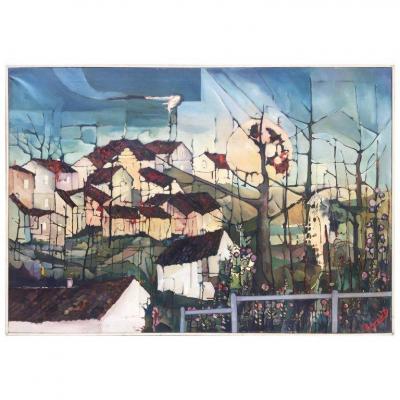
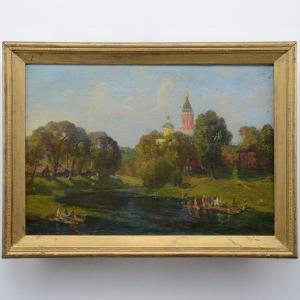
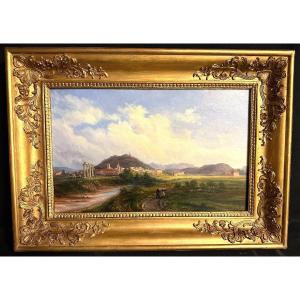
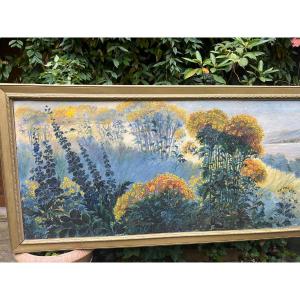
Eloi Noël Beraud (1875-1957), Hst Painting
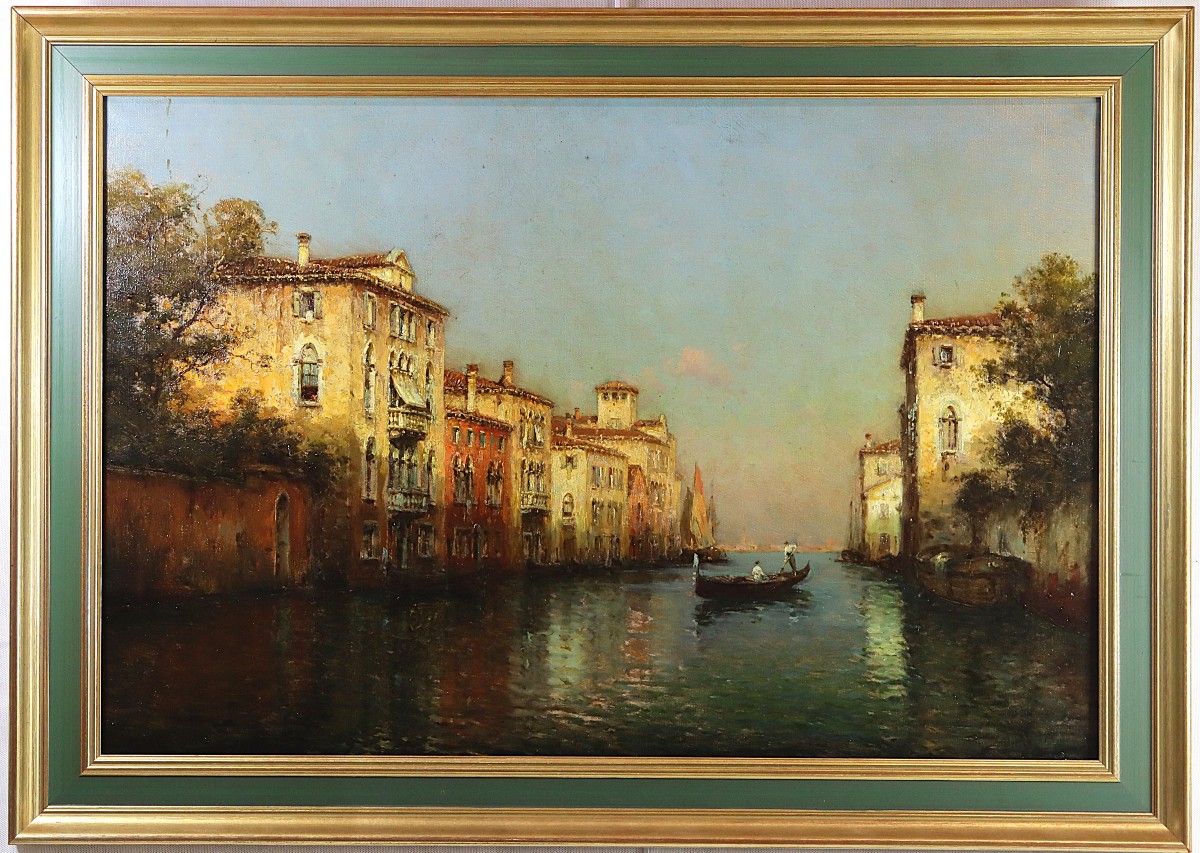
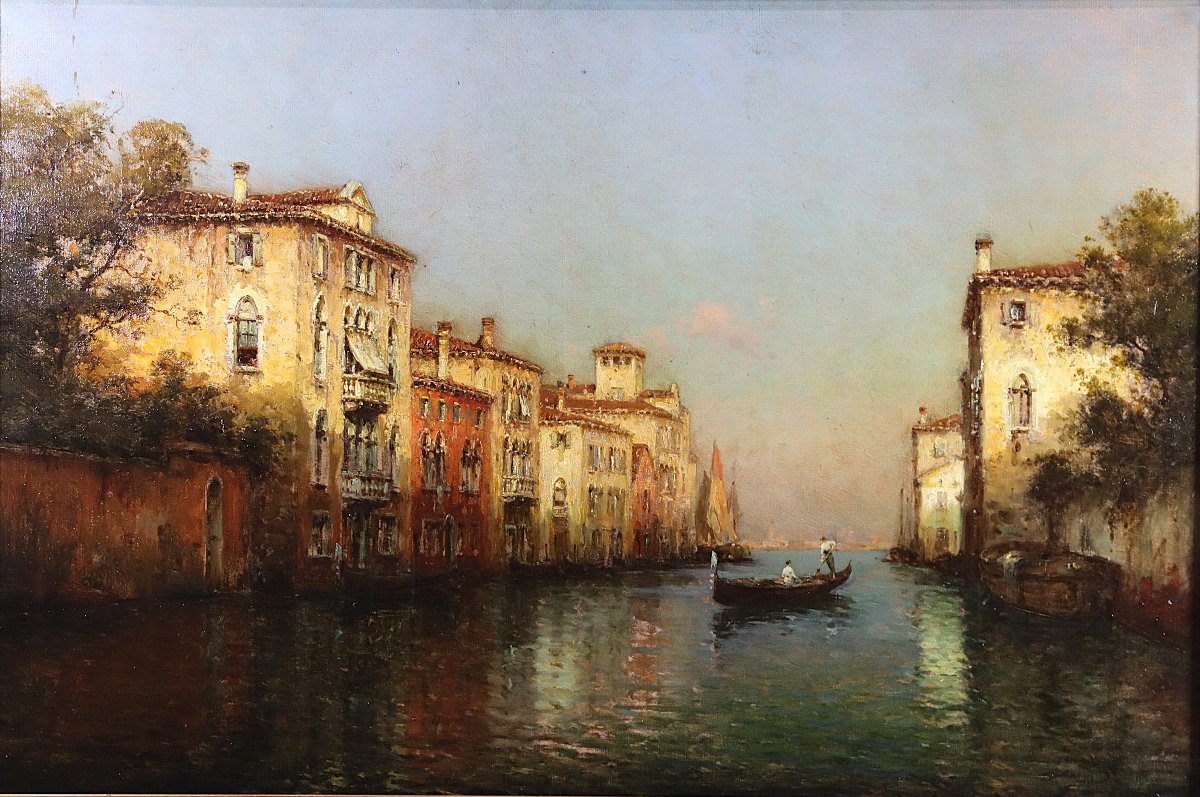
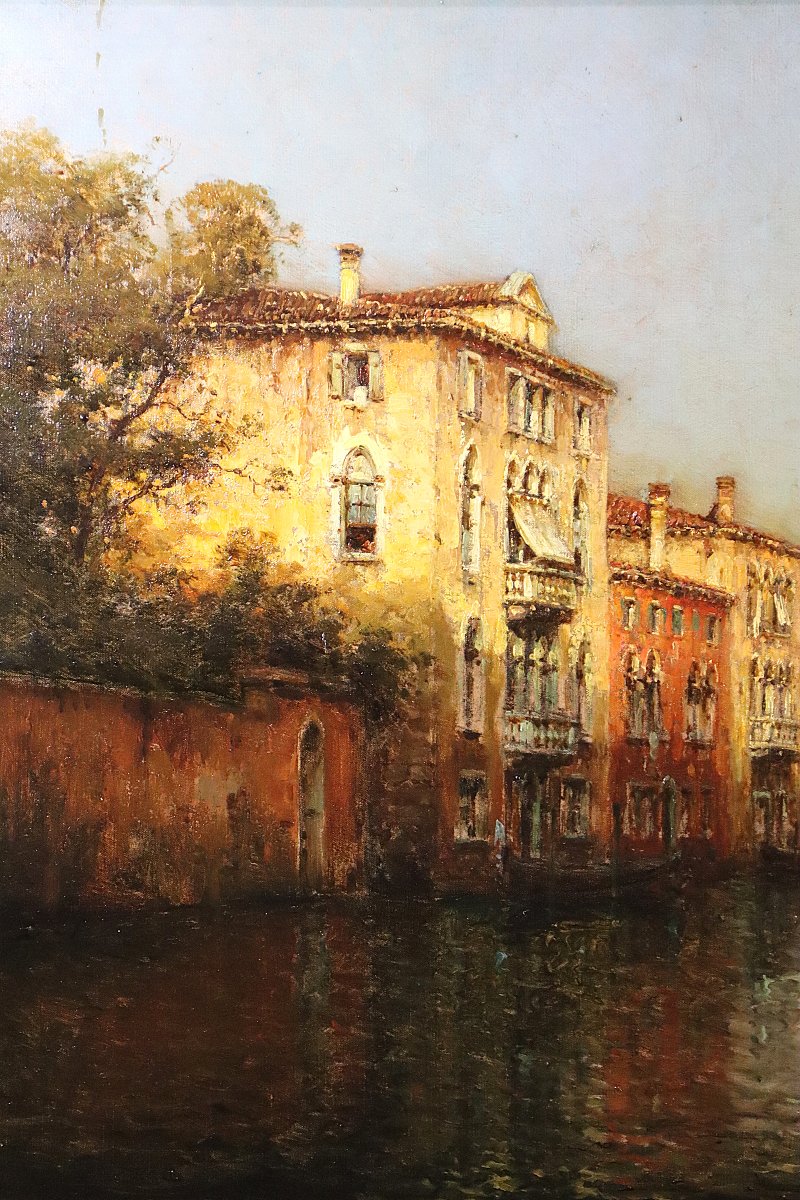

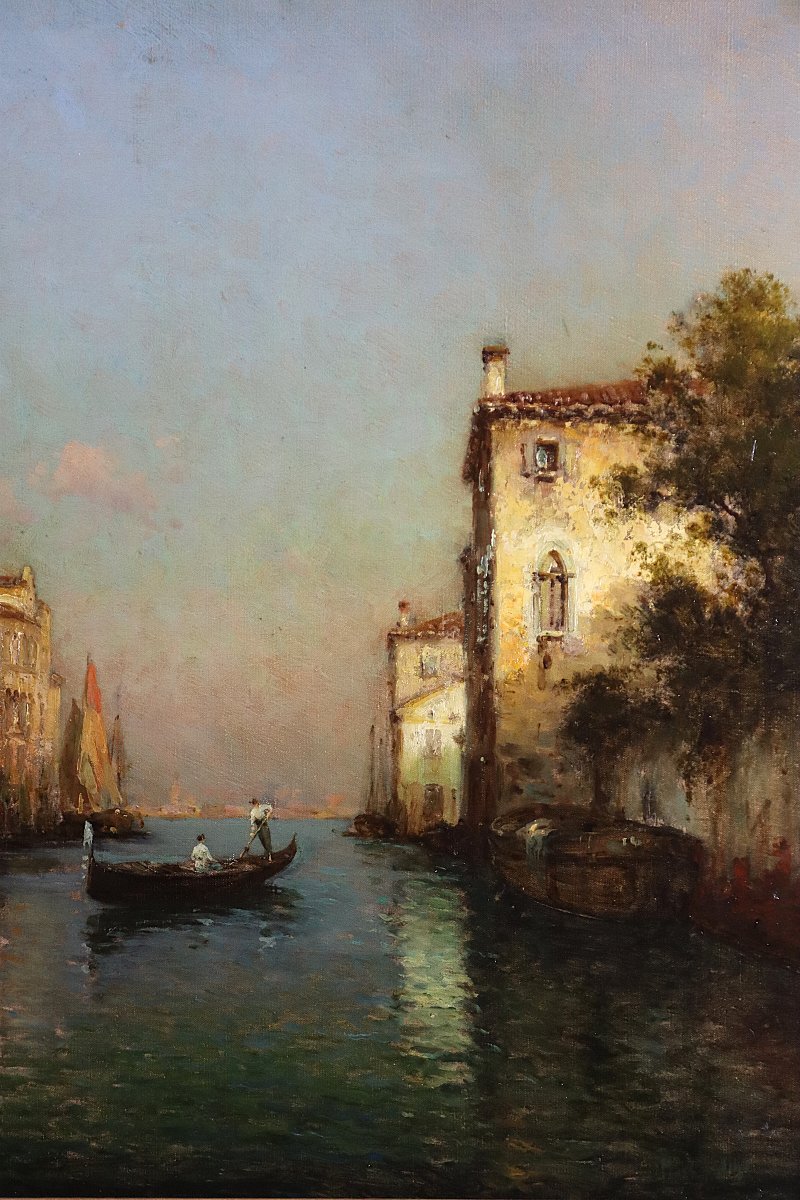
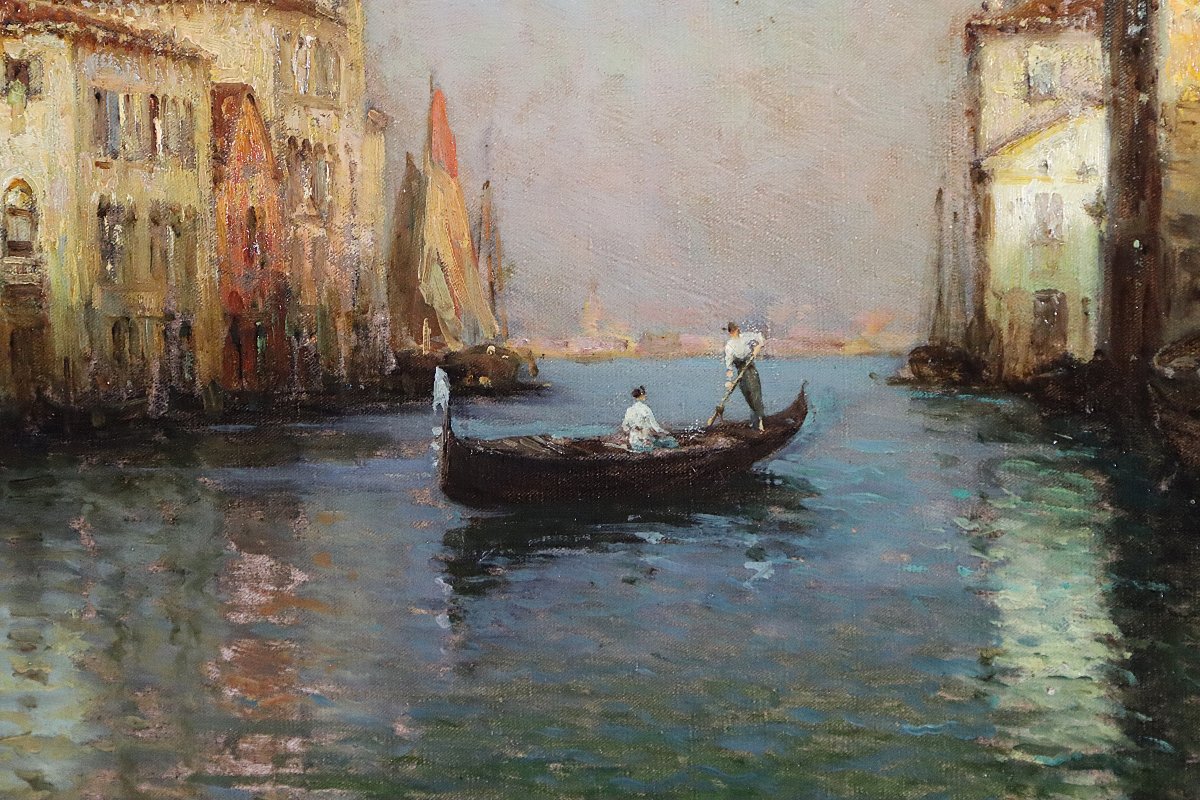
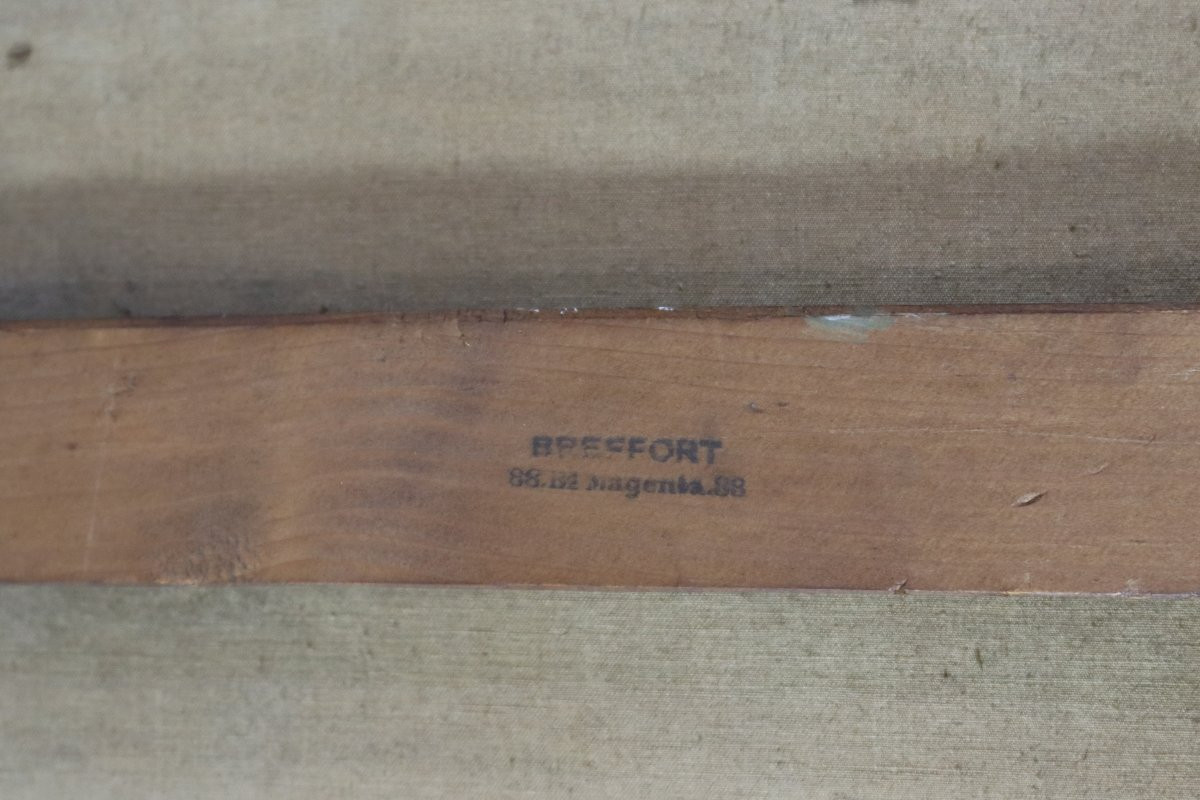


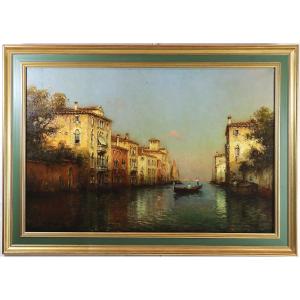


XXth century.
Size seen 81*54.5 cm and 67*94 cm with frame
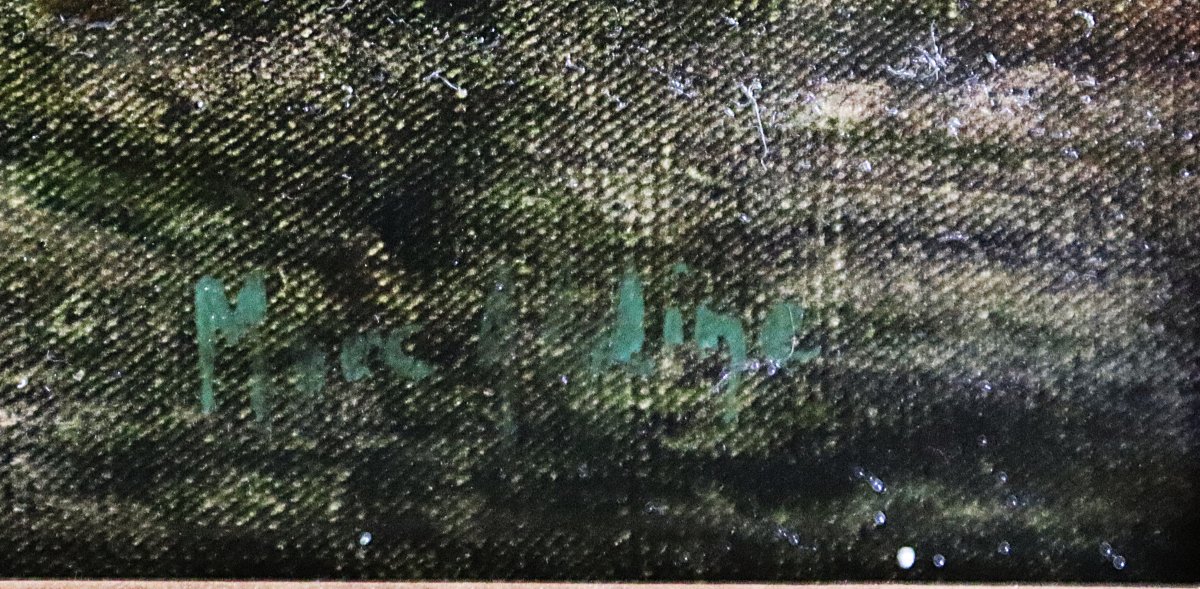
Eloi-Noël Béraud, born December 26, 1875 in Saint-Étienne and died February 9, 1957 in Écouen, was a French painter who signed his works with many names, the best known of which are Antoine Bouvard and Marc-Aldine.
He was born December 26, 1875 in Saint-Étienne. The civil register declares and registers "Éloi-Noël Isidore Béraud born of unknown parents". In 1885, the public assistance system sent him to a foster home in Toul, where he remained until February 10, 1894. Back in Saint-Étienne, he attended the Beaux Arts, where he copied the old masters with virtuosity. On August 4, 1900, he married Marie Lucie David in Le Puy-en-Velay, and his son Georges-Noël was born on December 25, 1912.
From 1900 onwards, his style took shape, and he painted beautiful canvases with a Barbizonnian accent, as well as numerous scenes typical of Art Nouveau, which he signed N. Béraud or sometimes Pelletier. At this time, he frequently used watercolor and gouache, techniques he would abandon in the late 1920s[1].
He moved to Paris in January 1901 at 45 rue Boulard. The following year, he illustrated a whole series of postcards for the British trade. The success of these cards lasted until the end of the 1910s, and contributed greatly to his notoriety across the Channel.
Between 1914 and 1918, the Great War raged on, and during these sad years, Éloi-Noël remained no less an artist. He brought back many sketches, drawings and watercolors from these dark hours, which still bear witness to his assertive but above all eclectic talent.
After the war, he returned to Paris. By 1919, he was back at work making models and advertising posters for Galeries Lafayette. In 1924, he moved into a large house on Place Le Vacher in Écouen (Val-d'Oise), where he set up his studio. This calm, articulate man worked flat out: in the studio from 7am until 8pm. It was during this period that he became a heavy smoker! In April 1925, he accepted a new contract with a publisher of children's publications. He painted cartoons depicting children, animals... which he signed Luda or Béraud.
1930 was a momentous year, one that would forever mark the painter's pictorial destiny... In April, he set off to discover Venice. The effect was instantaneous, the beauty of the site captivated him, he was won over and decided to devote himself from then on to painting nothing but Venice.
In May, he met Rubens Santoro (1859-1942) at the motif. At the time, the Italian was at the height of his fame; he was to introduce Éloi to the particular light of the City of the Doges, the glitter and reflections so impressionistic of the water flowing between the canals, all the variations of brown, ochre, white or brown that form the tones of the facades of Venetian houses.
For almost two months, the men never left each other's side. Éloi has found his master and his way. On his return from Venice, Éloi passed through Nice to present his barely dried paintings to Morscio, an Italian-born gallery owner. Morscio was enthusiastic and immediately signed a contract.
Although Éloi Béraud was already enjoying great success with his earlier works, which he signed Béraud, Pelletier or Luda, Morscio came up with the idea of a more commercial, Italian-sounding pseudonym, Marc Aldine. This signature would become one of the two nicknames he would henceforth affix to all his canvases until the end of his career.
His second nickname would appear in the late 1930s, at the request of the English Whitgift Galleries who, to distinguish his commissions from Morscio's, decided that he would sign his work Bouvard, a very French name that appealed to the British market.
From the beginning of his collaboration with Morscio and Withgift Galleries, and until the end of his career, Éloi-Noël painted only views of Venice signed Marc Aldine or Bouvard. Between 1930 and 1957, he painted almost 600 canvases.
Parallel to his own career, Éloi trained his son Georges from 1932 onwards. He gave him advice and revealed his tricks and techniques. In 1941, when Georges' daughter was born, he and Éloi worked together, with the master in mind that Georges would succeed him.
He died on February 9, 1957 at the age of 81 at the family home.
Explore similar pieces and discover your ideal find:
Landscapes