THIS OBJECT WAS SOLD
Archaeology, Luminous Egyptian Ushebti Turquoise Blue Ceramic, 21st-26th Dynasties



EGYPTIAN ARCHAEOLOGY,
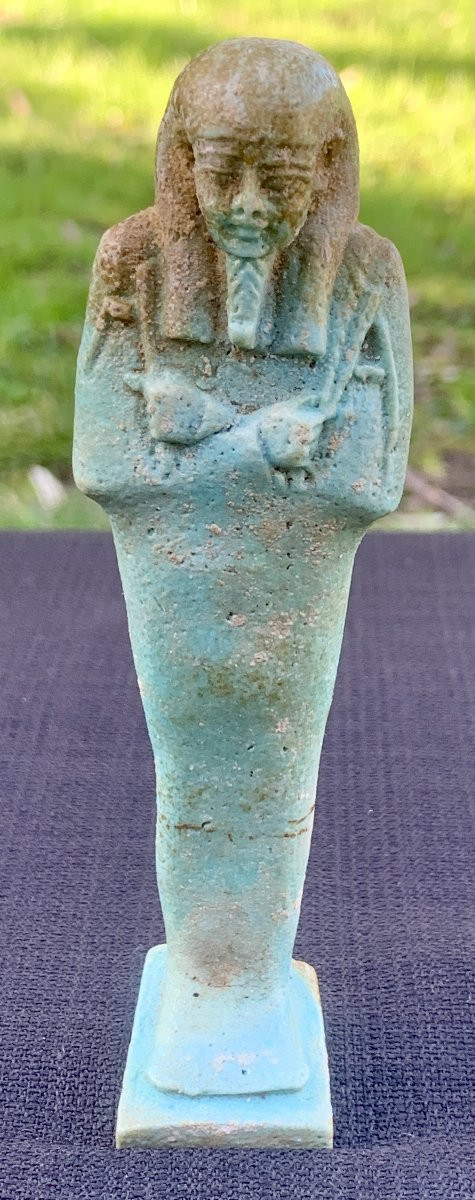
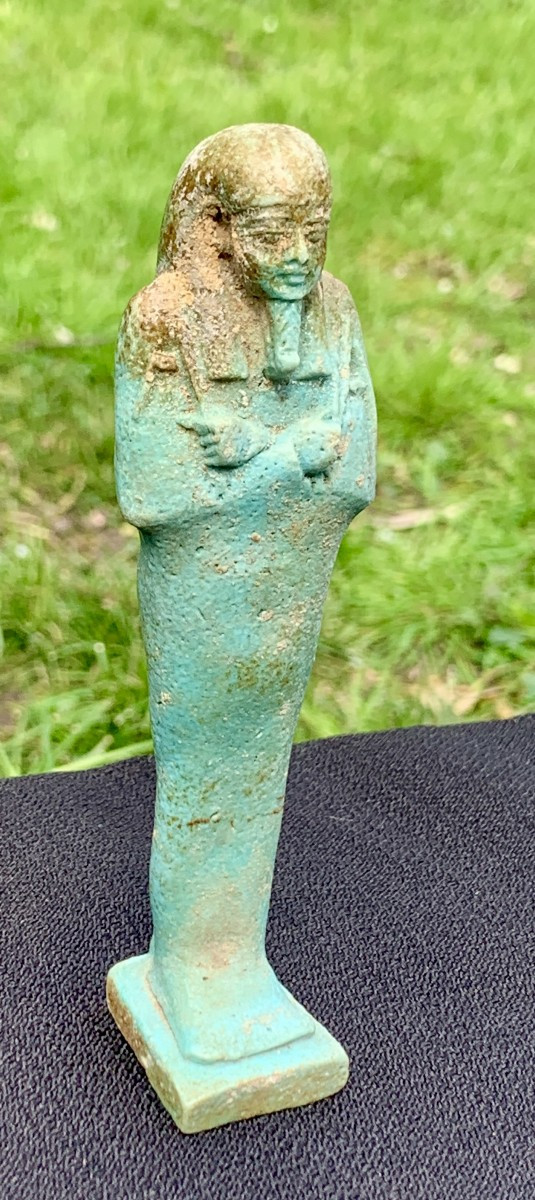
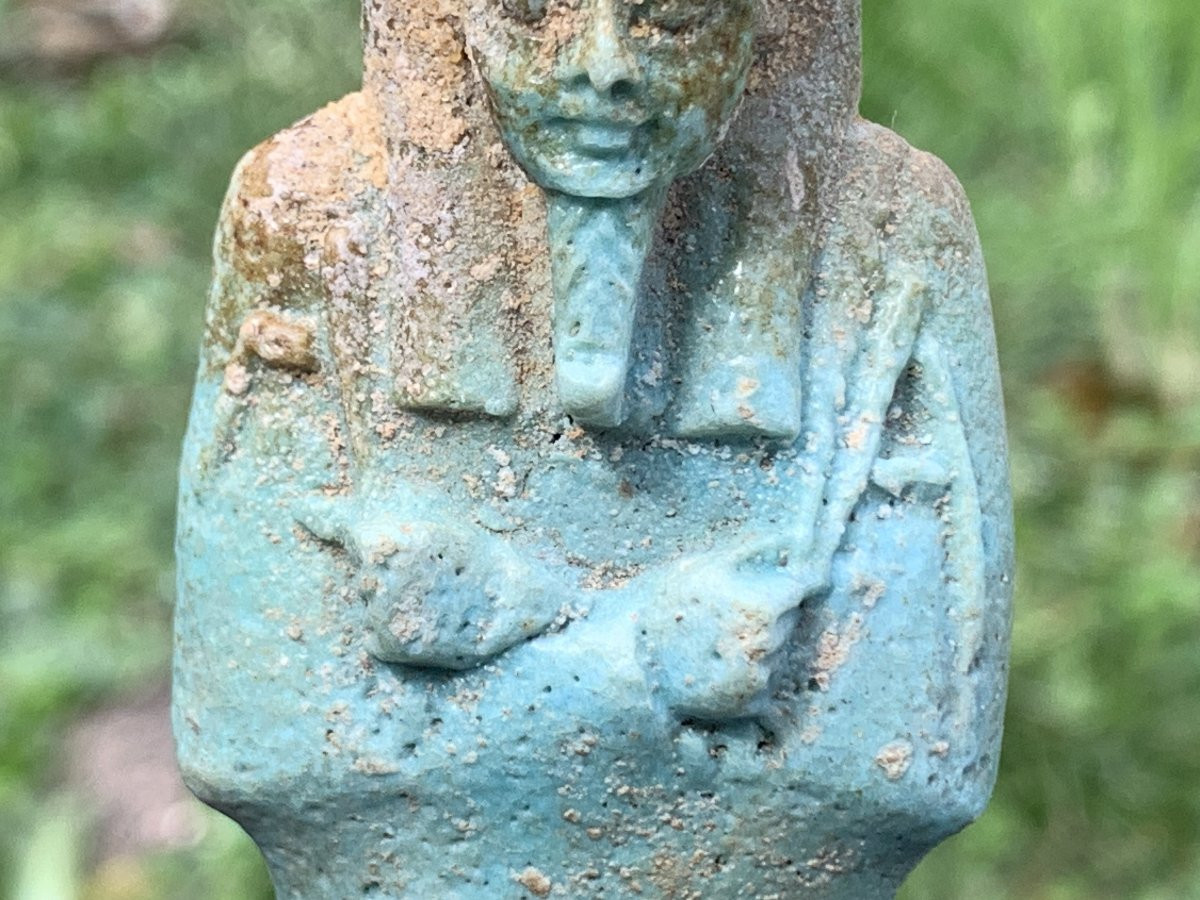
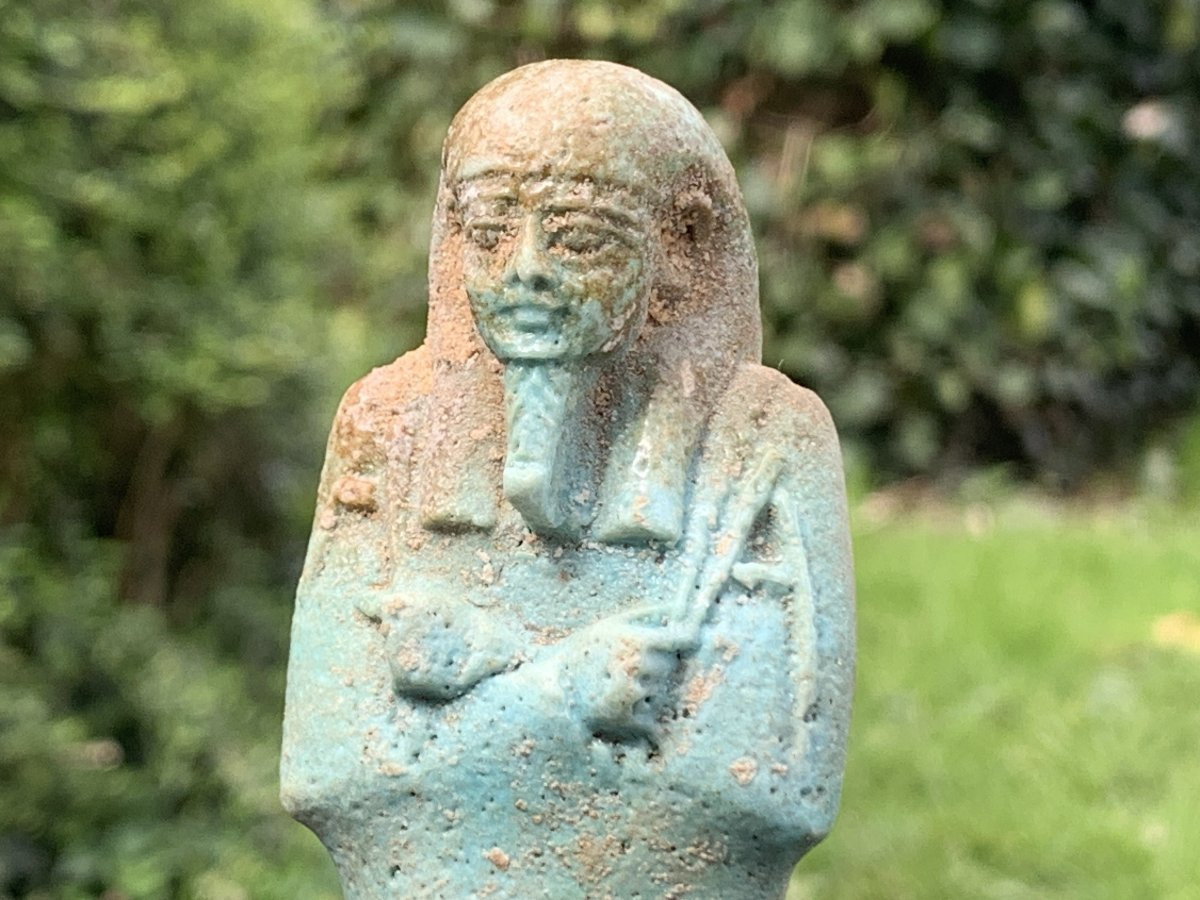
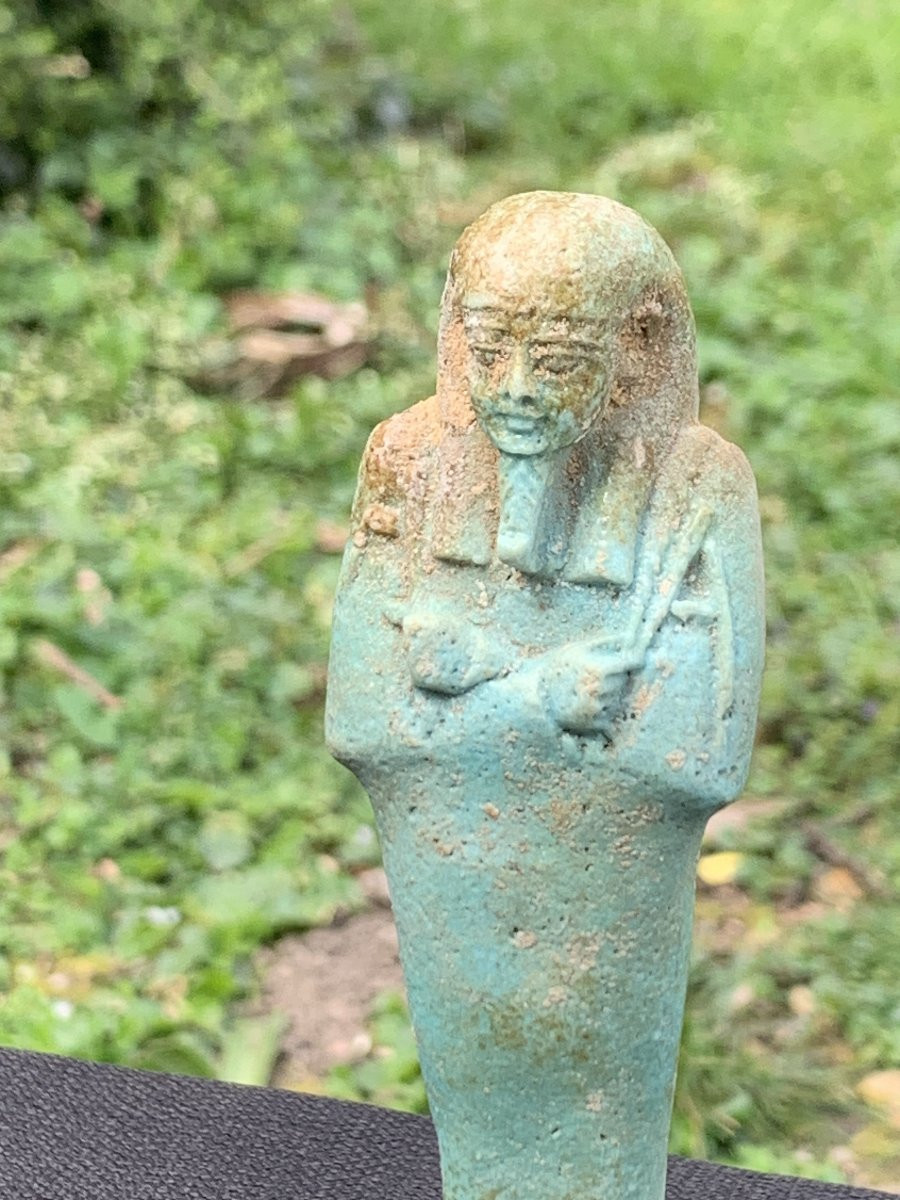
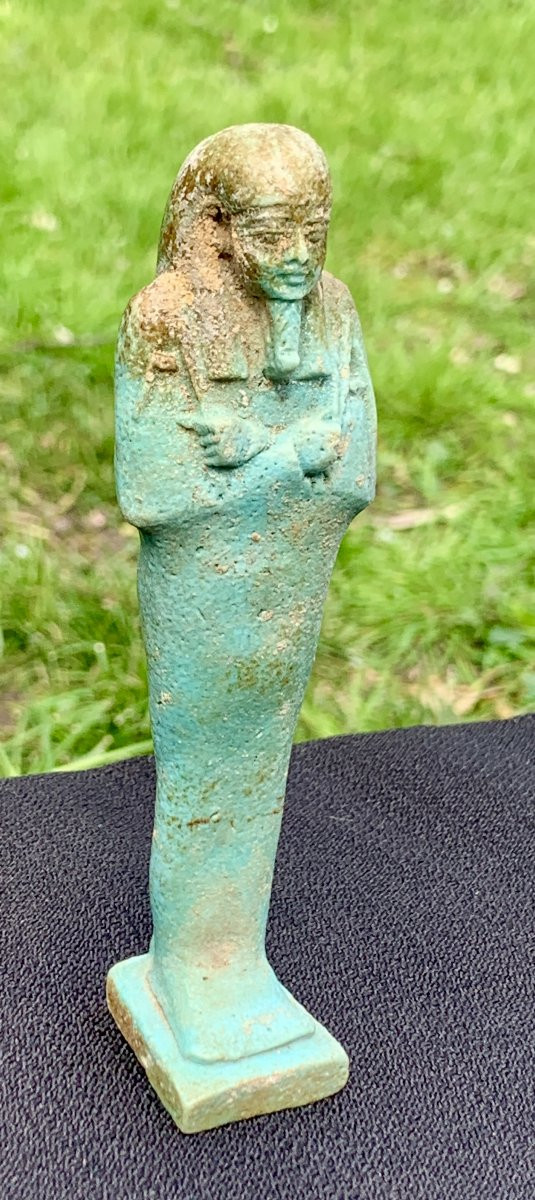
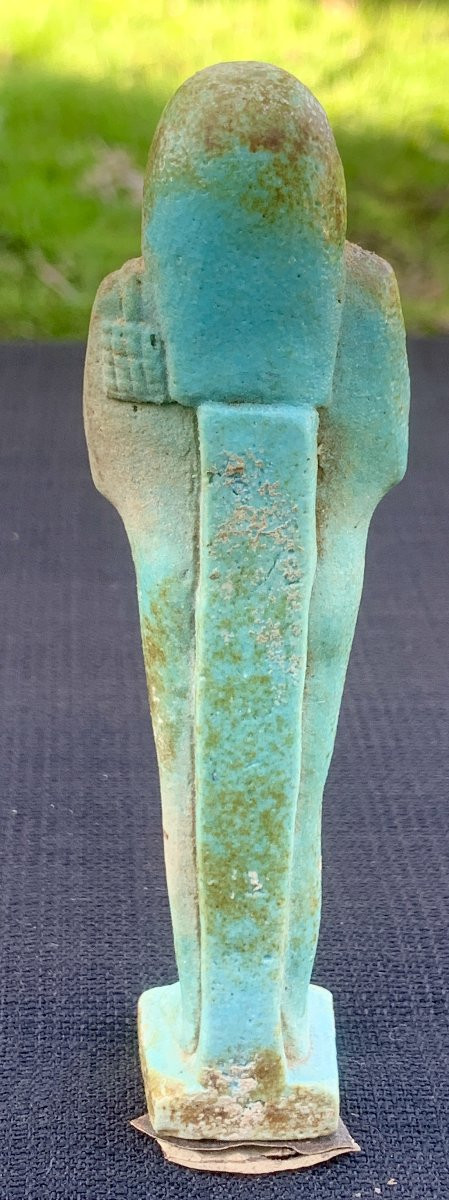
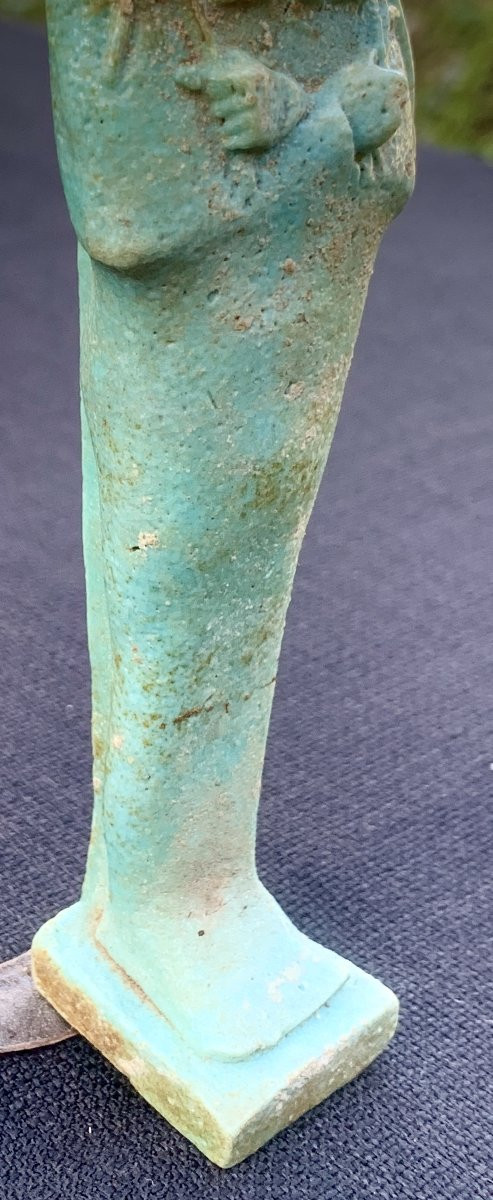
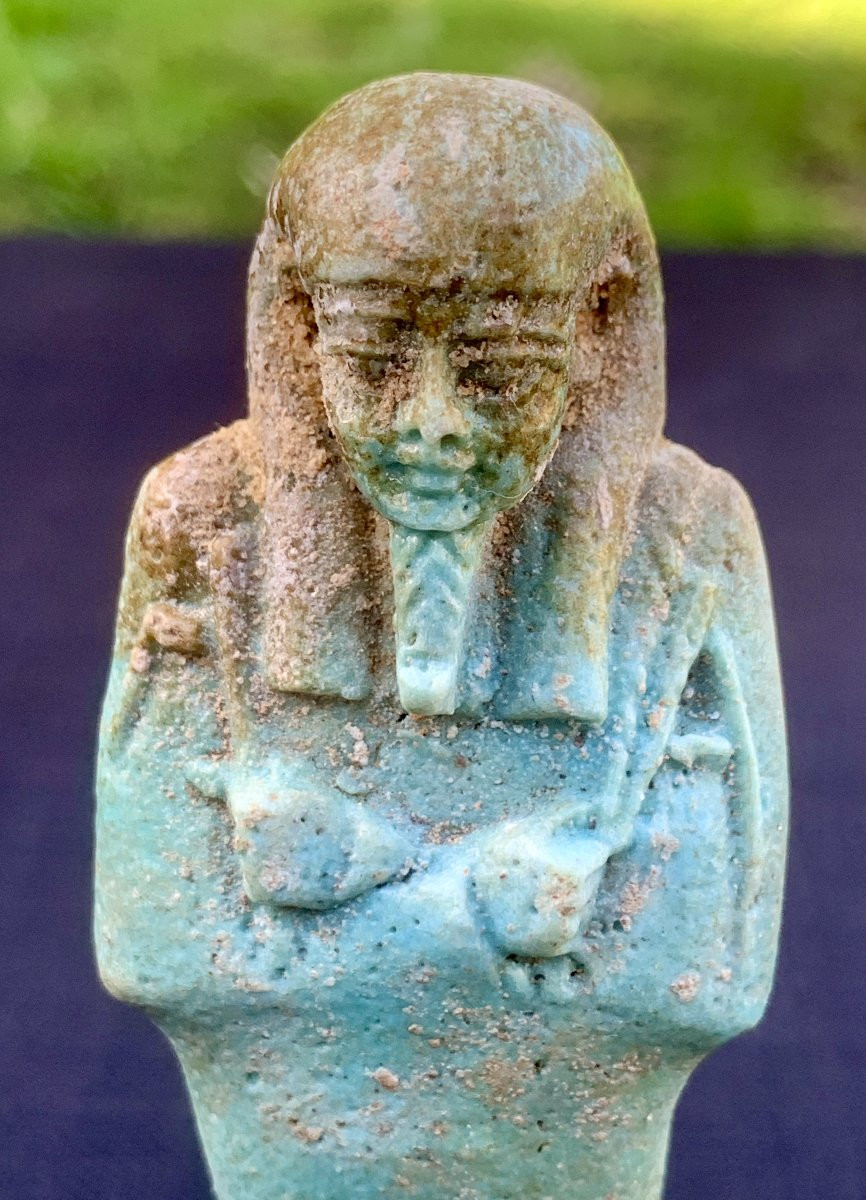
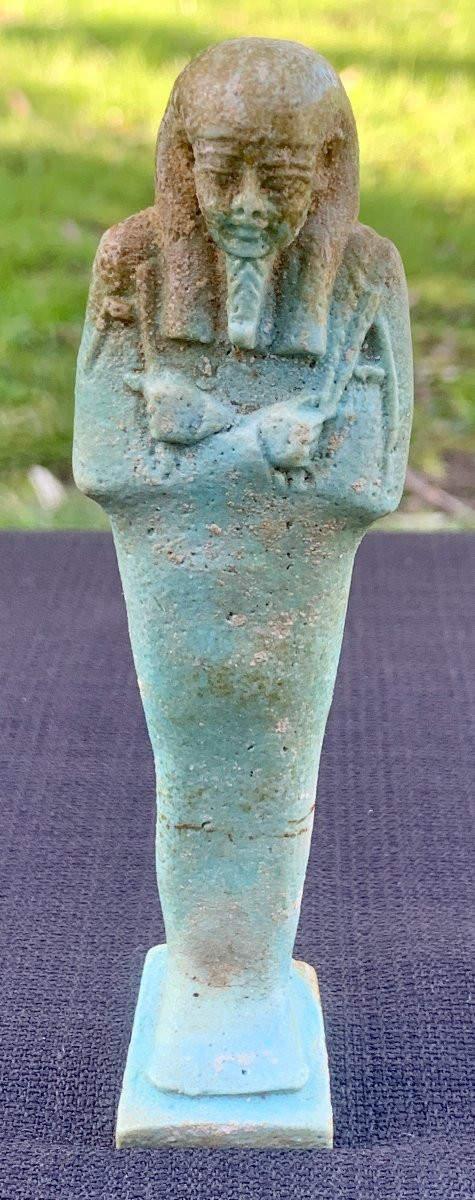
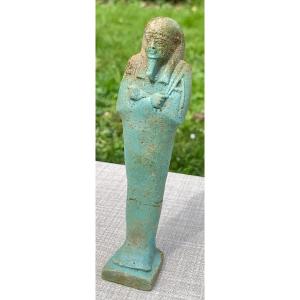
Very nice frit (ceramic) turquoise blue green to brown green ushabti, anepigraphic, wearing the tripartite wig, a braided false beard.
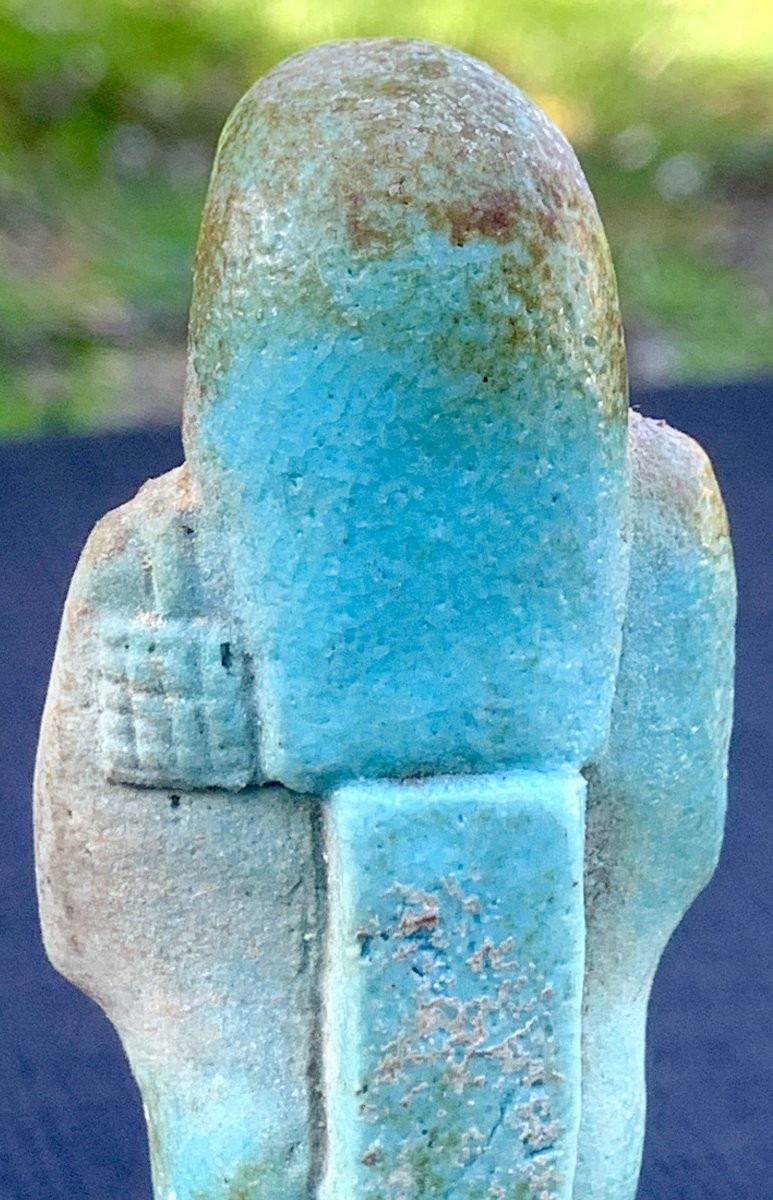
The mummiform statuette is standing, leaning on a dorsal pillar, with its arms crossed over its chest and holding the 3 traditional oratory instruments, which generally include
*a hoe and a spade, used to cultivate wheat in the afterlife
*and on the back of one of its shoulders a small bag of seeds.
These ushabtis (literally "substitutes") symbolize the servants of the deceased whose task is to accompany him into the afterlife and to carry out material or agricultural tasks on his behalf.
Basse Epoque, and more precisely 21st to 26th Dynasties (c. -1069 to -525 BC)
- It is during this period that these faience funerary statuettes become more common;
This model is anepigraphic (that is to say, without inscription on the body dedicating the statuette to a deceased person and invoking passages from the Book of the death).
Perfect condition.
Dimensions:
13.5cm height ,
4cm width
and 3cm depth .
This is a very beautiful and brite example, due to its vivid color and the extreme quality of detail of the statuette's face and its oratorical instruments.
Very nice frit (ceramic) turquoise blue green to brown green ushabti, anepigraphic, wearing the tripartite wig, a braided false beard.
The mummiform statuette is standing, leaning on a dorsal pillar, with its arms crossed over its chest and holding the 3 traditional oratory instruments, which generally include
*a hoe and a spade, used to cultivate wheat in the afterlife
*and on the back of one of its shoulders a small bag of seeds.
These ushabtis (literally "substitutes") symbolize the servants of the deceased whose task is to accompany him into the afterlife and to carry out material or agricultural tasks on his behalf.
Basse Epoque, and more precisely 21st to 26th Dynasties (c. -1069 to -525 BC)
- It is during this period that these faience funerary statuettes become more common;
This model is anepigraphic (that is to say, without inscription on the body dedicating the statuette to a deceased person and invoking passages from the Book of the death).
Perfect condition.
Dimensions:
13.5cm height ,
4cm width
and 3cm depth .
This is a very beautiful and brite example, due to its vivid color and the extreme quality of detail of the statuette's face and its oratorical instruments.
Explore similar pieces and discover your ideal find:
archeology