

Basket For Ikebana Called Hanakago Shichiku Japan
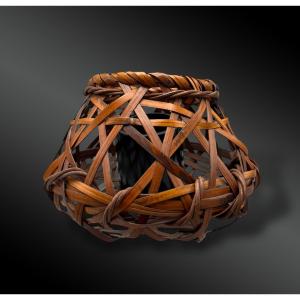
Basket for Ikebana called Hanakago Shichiku,
Japan,
Late Meiji period (1868-1912),
Bamboo,
H: 45 cm; W: 19 cm.
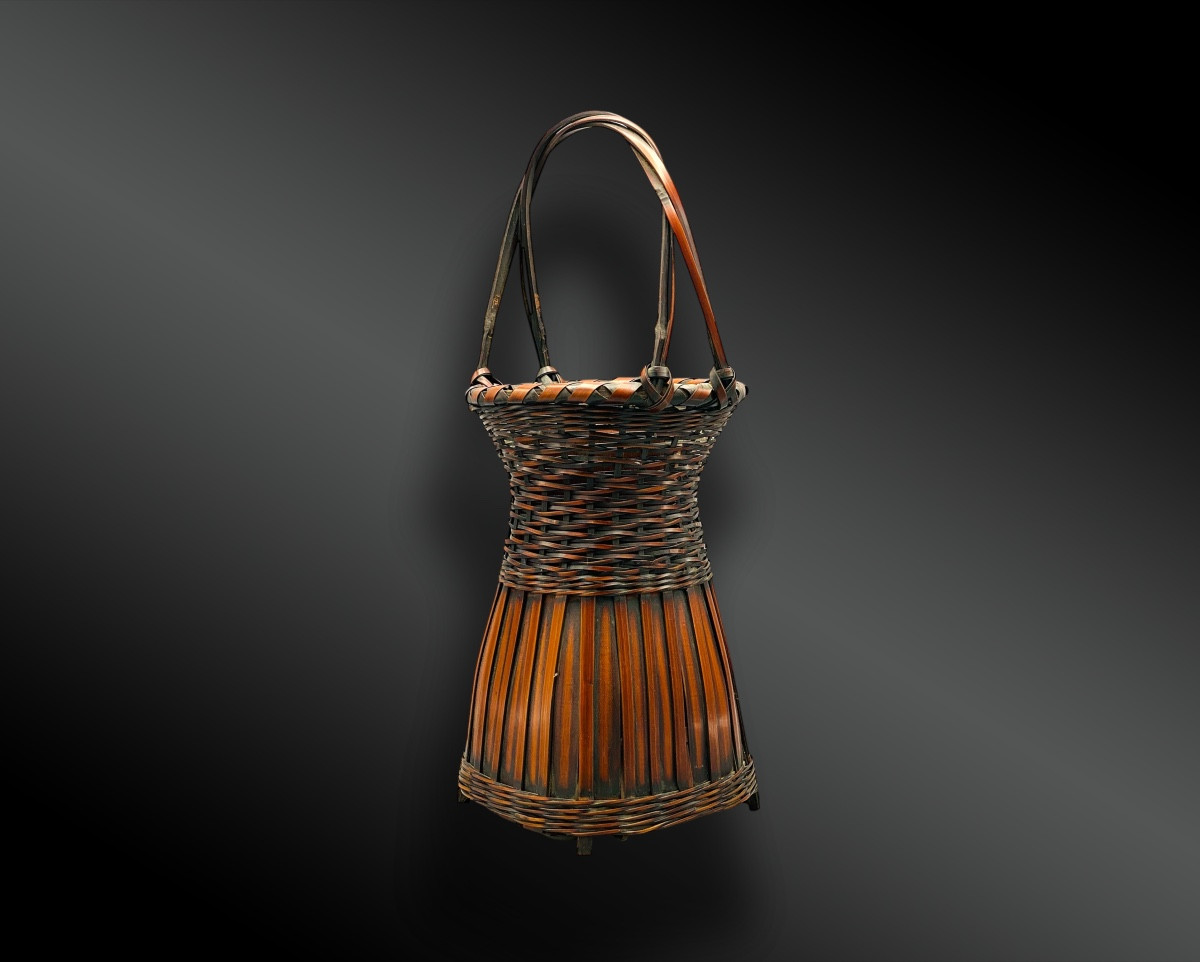
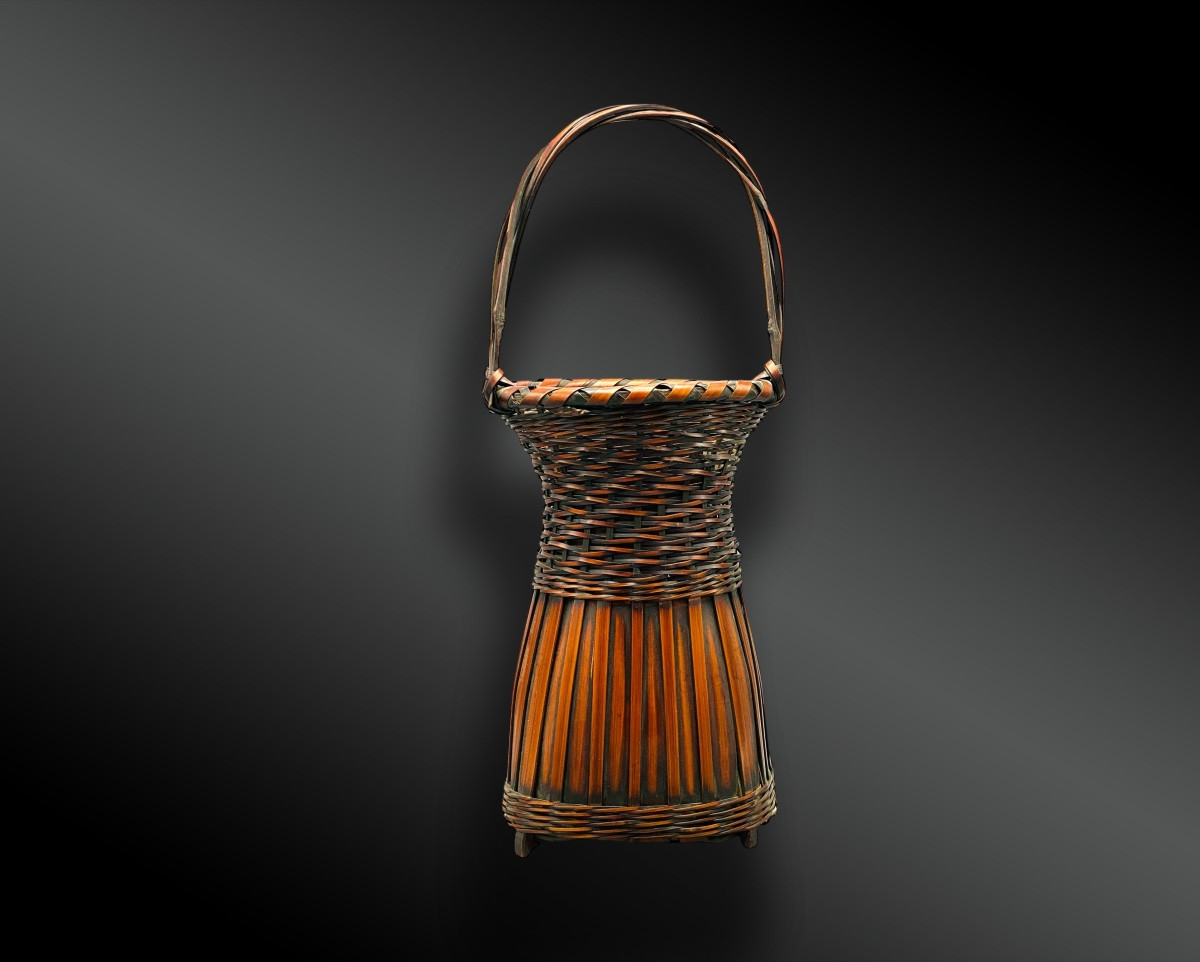
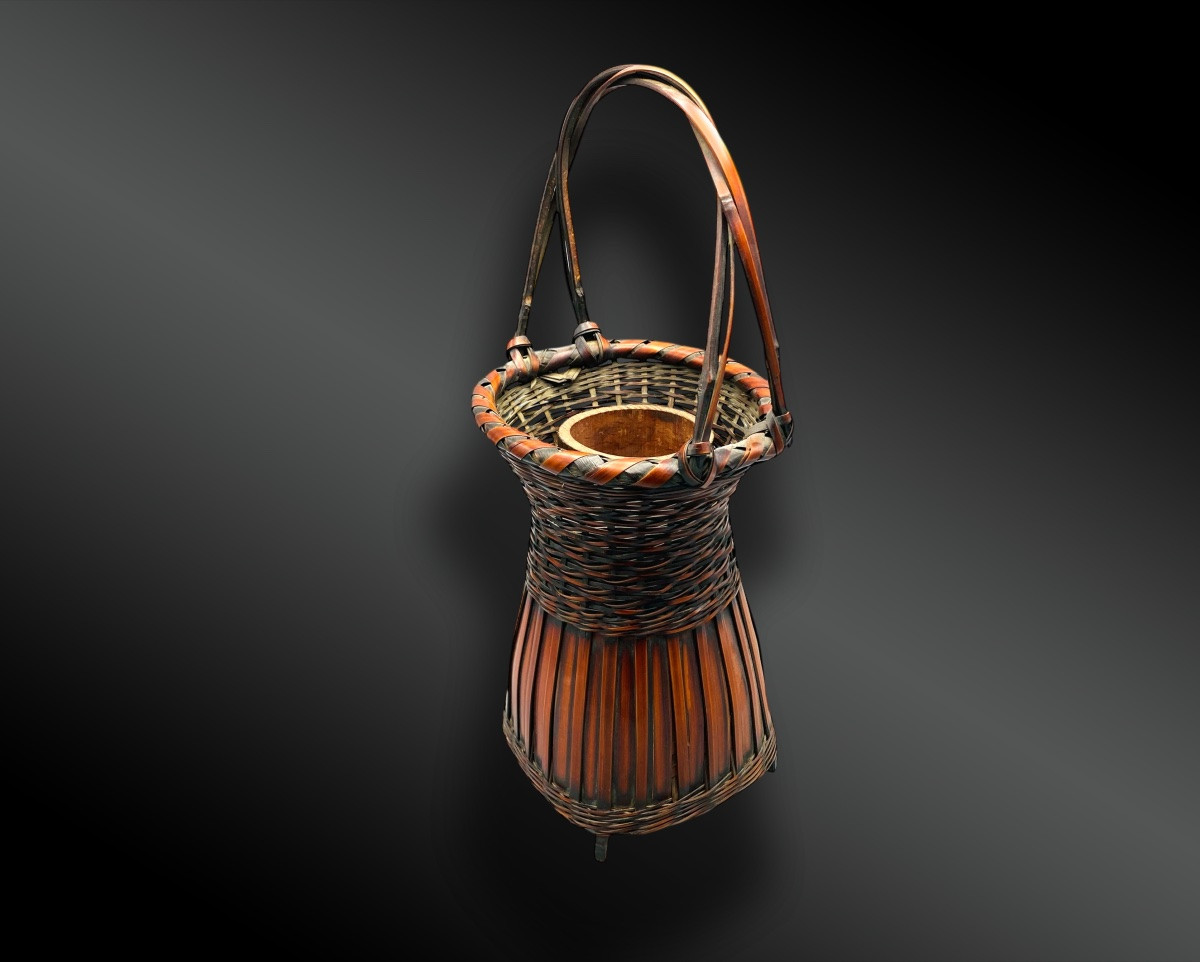
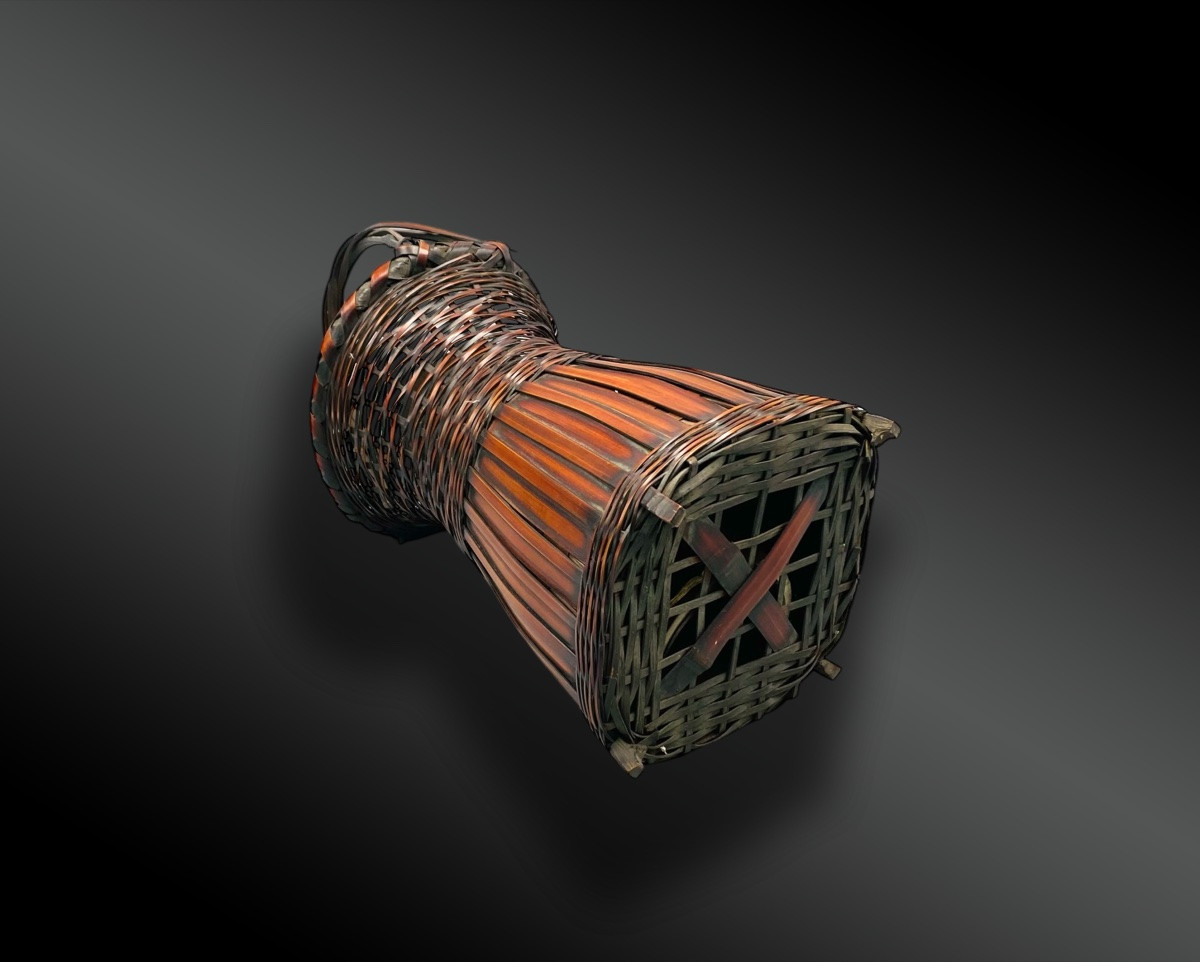
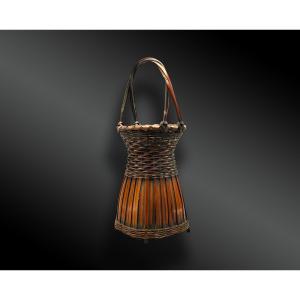
This cylindrical, four-legged woven bamboo basket is woven to be slightly flared at the neck and have four subtly defined sides at the body. It has a symmetrical handle with four twisted strands. It retains its otoshi – its internal bamboo vase.
This basket was reserved for ikebana, which can be translated as flower arranging, which accompanied the tea ceremony.
The term ikebana is composed of deikeru, meaning "to live," and hana, meaning "flower." Thus, ikebana is the art of bringing flowers to life in a carefully chosen and visually appealing arrangement.
Furthermore, bamboo is attributed with particular properties, even being considered a support for the spirit.
Text and photos © FCP CORIDON
Ref. LP6876
Japan,
Late Meiji period (1868-1912),
Bamboo,
H: 45 cm; W: 19 cm.
This cylindrical, four-legged woven bamboo basket is woven to be slightly flared at the neck and have four subtly defined sides at the body. It has a symmetrical handle with four twisted strands. It retains its otoshi – its internal bamboo vase.
This basket was reserved for ikebana, which can be translated as flower arranging, which accompanied the tea ceremony.
The term ikebana is composed of deikeru, meaning "to live," and hana, meaning "flower." Thus, ikebana is the art of bringing flowers to life in a carefully chosen and visually appealing arrangement.
Furthermore, bamboo is attributed with particular properties, even being considered a support for the spirit.
Text and photos © FCP CORIDON
Ref. LP6876
780 €
Period: 20th century
Style: Asian art
Condition: Excellent condition
Material: Bamboo
Reference (ID): 1720039
Availability: In stock
Print