THIS OBJECT WAS SOLD
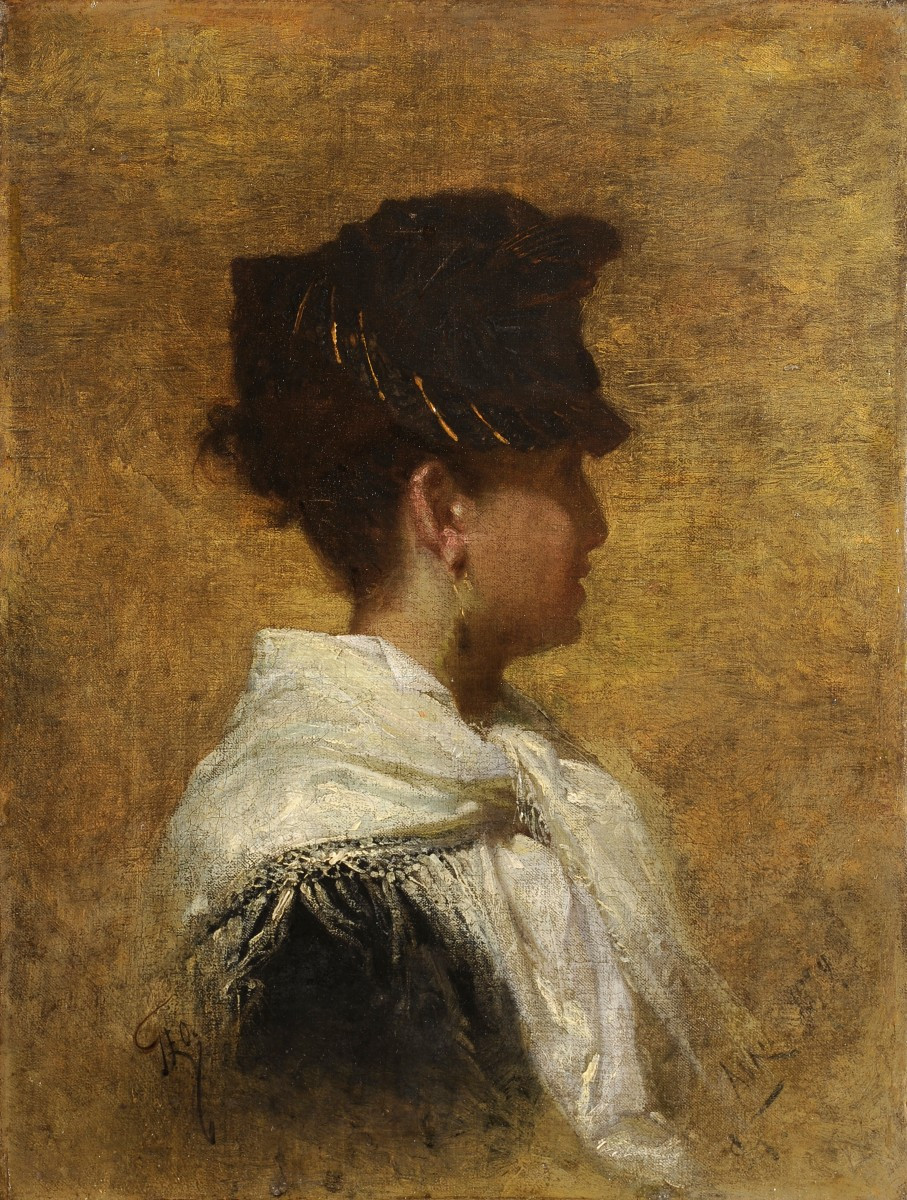
Geo (jean Geoffroy, Known As) (marennes 1853 – Paris 1924) Elegant Woman In Profile



GEO (Jean GEOFFROY, known as)
(Marennes 1853 – Paris 1924)
Elegant Woman in Profile
Oil on canvas
H. 33 cm; W. 24 cm
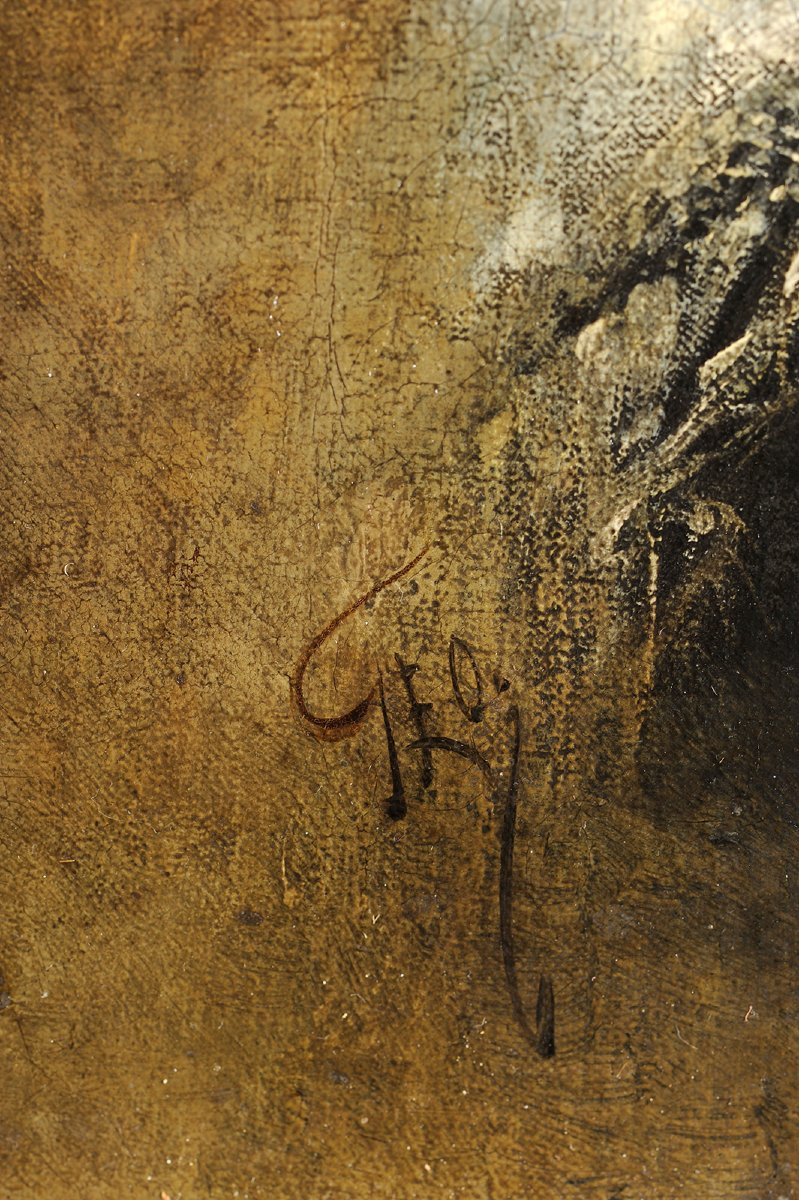
Signed lower left. Dated lower right.
April 1889
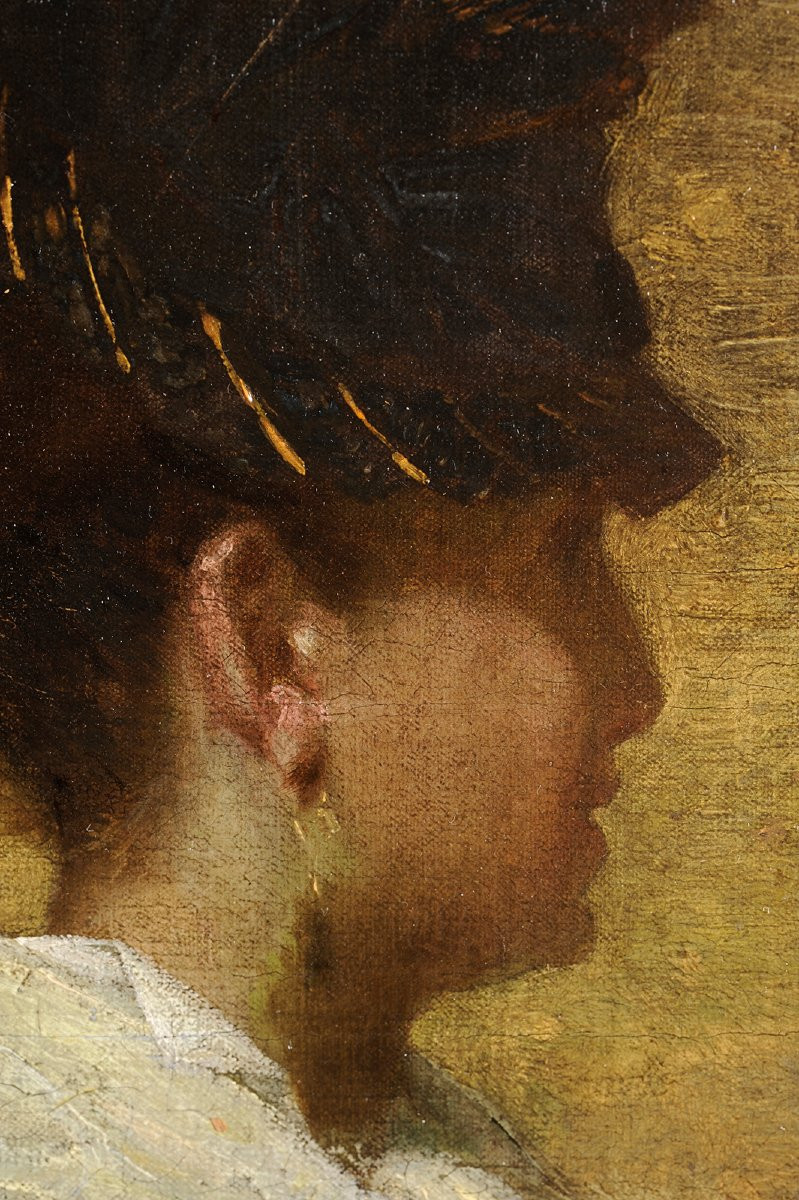
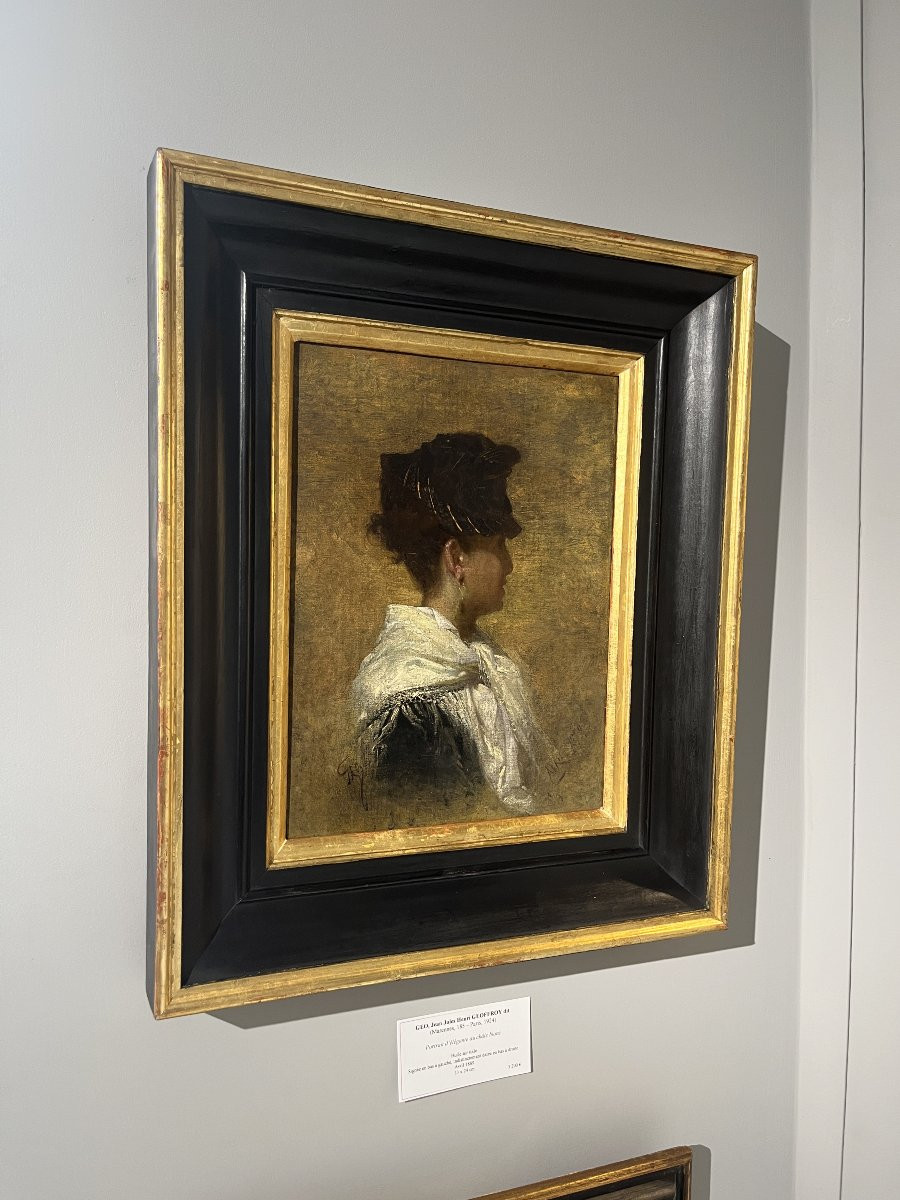
Henri Jules Jean Geoffroy, known as Geo, was the son of a tailor from the Charente region and a mother of Scottish descent. At the age of eighteen, he moved to Paris to dedicate himself to painting. He began his training with the lithographer and painter Eugène Levasseur, who introduced him to the École des Beaux-Arts. He quickly entered the studio of Léon Bonnat, where he also worked with Émile Adam. Upon arriving in Paris, he stayed with a couple of schoolteachers, the Girards. This proximity to the world of education profoundly influenced his vision and permanently oriented his work towards the themes of childhood and education. In 1876, his meeting with the publisher Pierre-Jules Hetzel proved decisive: Hetzel entrusted him with illustration work for children's books, alongside artists such as Gustave Doré, Gavarni, and Grandville, thus ensuring Geoffroy a stable financial situation. Jean Geoffroy exhibited regularly at the Salon from 1874 onward, and then at the Salon des Artistes Français until his death in 1924. He became a member of the Salon des Artistes Français in 1883. His work was quickly noticed by the public and critics, and he received several official distinctions. He received an honorable mention in 1881 for *La Petite Classe*, then a third-class medal in 1883 for *Les Infortunés*, a work acquired by the State. In 1886, *Les Affamés* earned him a place hors concours (outside the competition). He was named an Officer of the Academy in 1885 and awarded the Legion of Honour in 1897. At the 1900 Universal Exposition, he received the gold medal for "School Leaving School at the Nursery School." Jean Geoffroy's work is primarily devoted to depicting childhood in its various settings: nurseries, nursery and primary schools, vocational schools, high schools, universities, but also orphanages, clinics, streets, markets, and early experiences of work. This specialization earned him recognition as one of the great painters of childhood at the end of the 19th century. In 1893, the Ministry of Public Instruction and Fine Arts commissioned him to paint five large scenes of school life. Two of these works were created during his stays in Algeria in 1894 and 1895, and another in Brittany, demonstrating his interest in the diversity of educational contexts. Throughout his career, Geo produced numerous small-format works, preparatory studies for his larger compositions. The backgrounds are simply prepared with ochre, and the figures are then placed upon them. Our elegant woman, wearing a dark hat accented with a few gold details, almost turns her face towards us, gazing into what we can imagine to be a captivating scene. The white silk shawl draped over her shoulders enhances the contrast between the background and her hair. This portrait, dated 1889, has an enigmatic quality, largely due to the upper part of her face being hidden in shadow. Here, the painter conceals all the emotions that a classical portrait might otherwise reveal.
(Marennes 1853 – Paris 1924)
Elegant Woman in Profile
Oil on canvas
H. 33 cm; W. 24 cm
Signed lower left. Dated lower right.
April 1889
Henri Jules Jean Geoffroy, known as Geo, was the son of a tailor from the Charente region and a mother of Scottish descent. At the age of eighteen, he moved to Paris to dedicate himself to painting. He began his training with the lithographer and painter Eugène Levasseur, who introduced him to the École des Beaux-Arts. He quickly entered the studio of Léon Bonnat, where he also worked with Émile Adam. Upon arriving in Paris, he stayed with a couple of schoolteachers, the Girards. This proximity to the world of education profoundly influenced his vision and permanently oriented his work towards the themes of childhood and education. In 1876, his meeting with the publisher Pierre-Jules Hetzel proved decisive: Hetzel entrusted him with illustration work for children's books, alongside artists such as Gustave Doré, Gavarni, and Grandville, thus ensuring Geoffroy a stable financial situation. Jean Geoffroy exhibited regularly at the Salon from 1874 onward, and then at the Salon des Artistes Français until his death in 1924. He became a member of the Salon des Artistes Français in 1883. His work was quickly noticed by the public and critics, and he received several official distinctions. He received an honorable mention in 1881 for *La Petite Classe*, then a third-class medal in 1883 for *Les Infortunés*, a work acquired by the State. In 1886, *Les Affamés* earned him a place hors concours (outside the competition). He was named an Officer of the Academy in 1885 and awarded the Legion of Honour in 1897. At the 1900 Universal Exposition, he received the gold medal for "School Leaving School at the Nursery School." Jean Geoffroy's work is primarily devoted to depicting childhood in its various settings: nurseries, nursery and primary schools, vocational schools, high schools, universities, but also orphanages, clinics, streets, markets, and early experiences of work. This specialization earned him recognition as one of the great painters of childhood at the end of the 19th century. In 1893, the Ministry of Public Instruction and Fine Arts commissioned him to paint five large scenes of school life. Two of these works were created during his stays in Algeria in 1894 and 1895, and another in Brittany, demonstrating his interest in the diversity of educational contexts. Throughout his career, Geo produced numerous small-format works, preparatory studies for his larger compositions. The backgrounds are simply prepared with ochre, and the figures are then placed upon them. Our elegant woman, wearing a dark hat accented with a few gold details, almost turns her face towards us, gazing into what we can imagine to be a captivating scene. The white silk shawl draped over her shoulders enhances the contrast between the background and her hair. This portrait, dated 1889, has an enigmatic quality, largely due to the upper part of her face being hidden in shadow. Here, the painter conceals all the emotions that a classical portrait might otherwise reveal.
Explore similar pieces and discover your ideal find:
Portraits