

Louis XV Period Cabaret Table
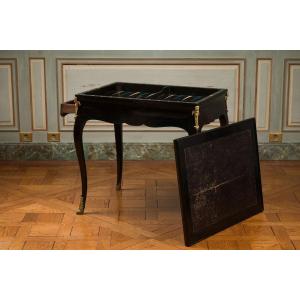
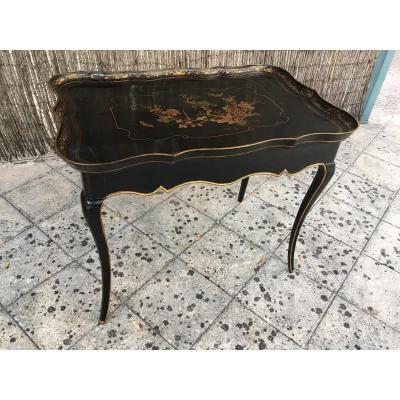
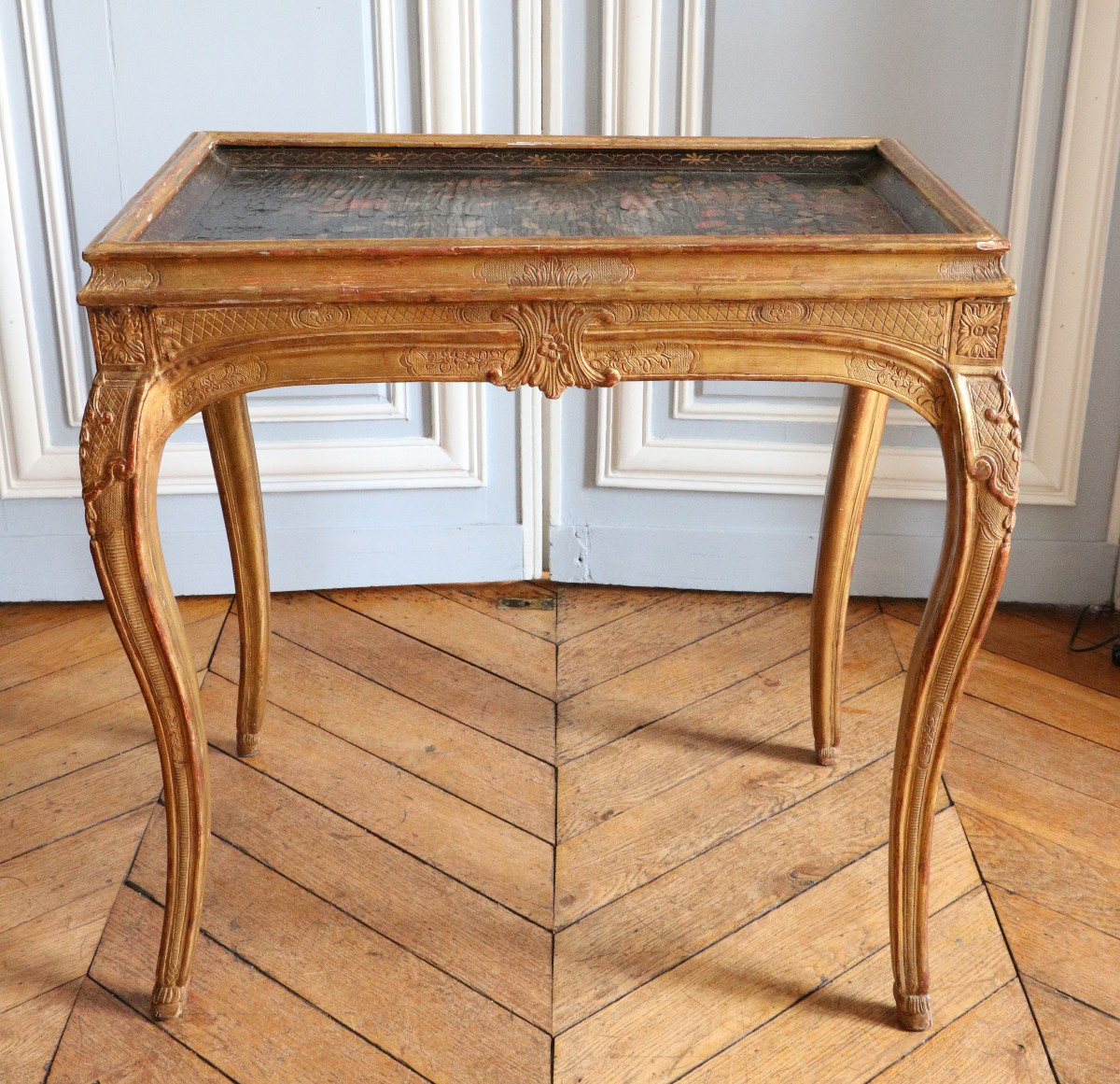
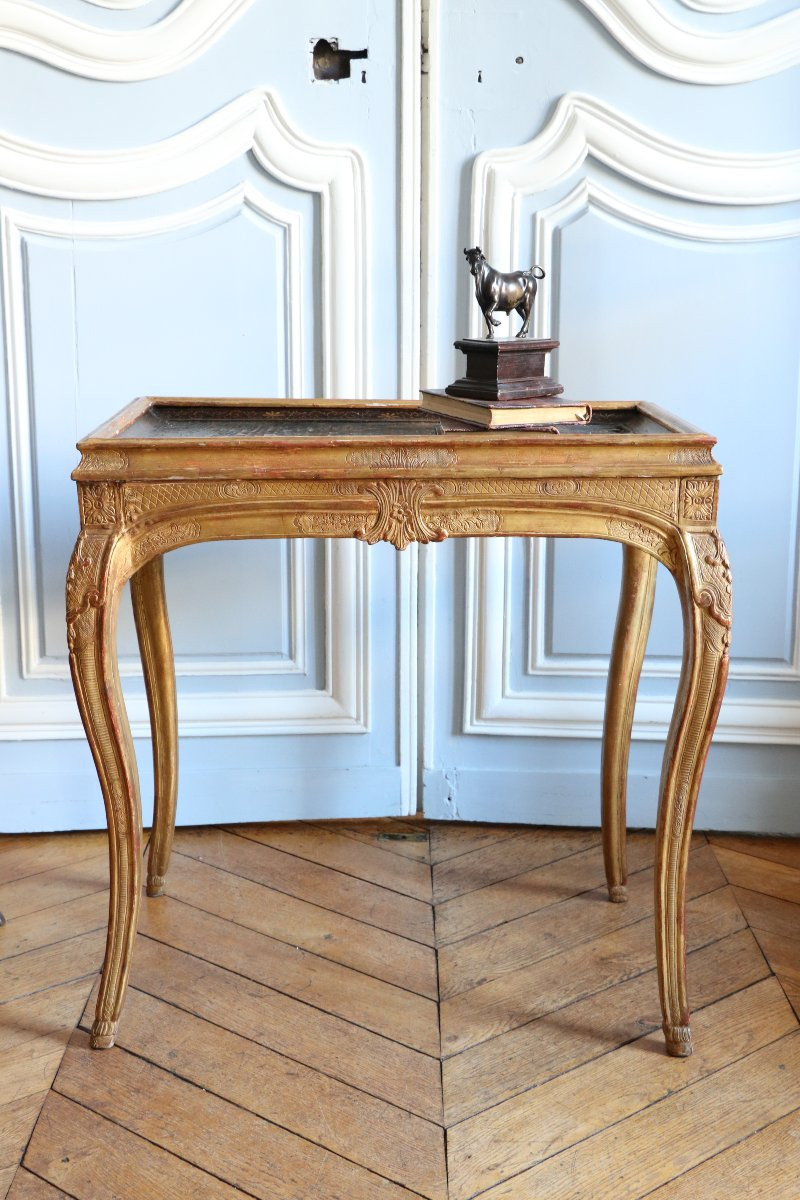
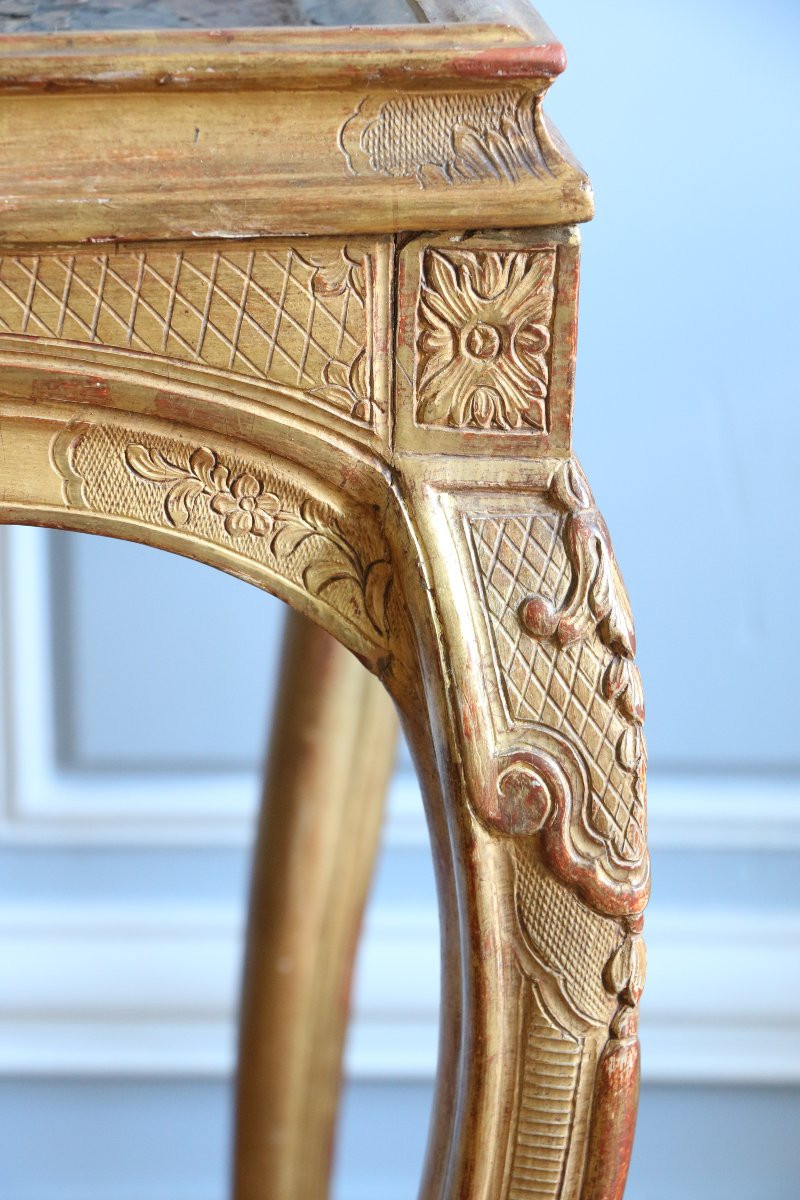
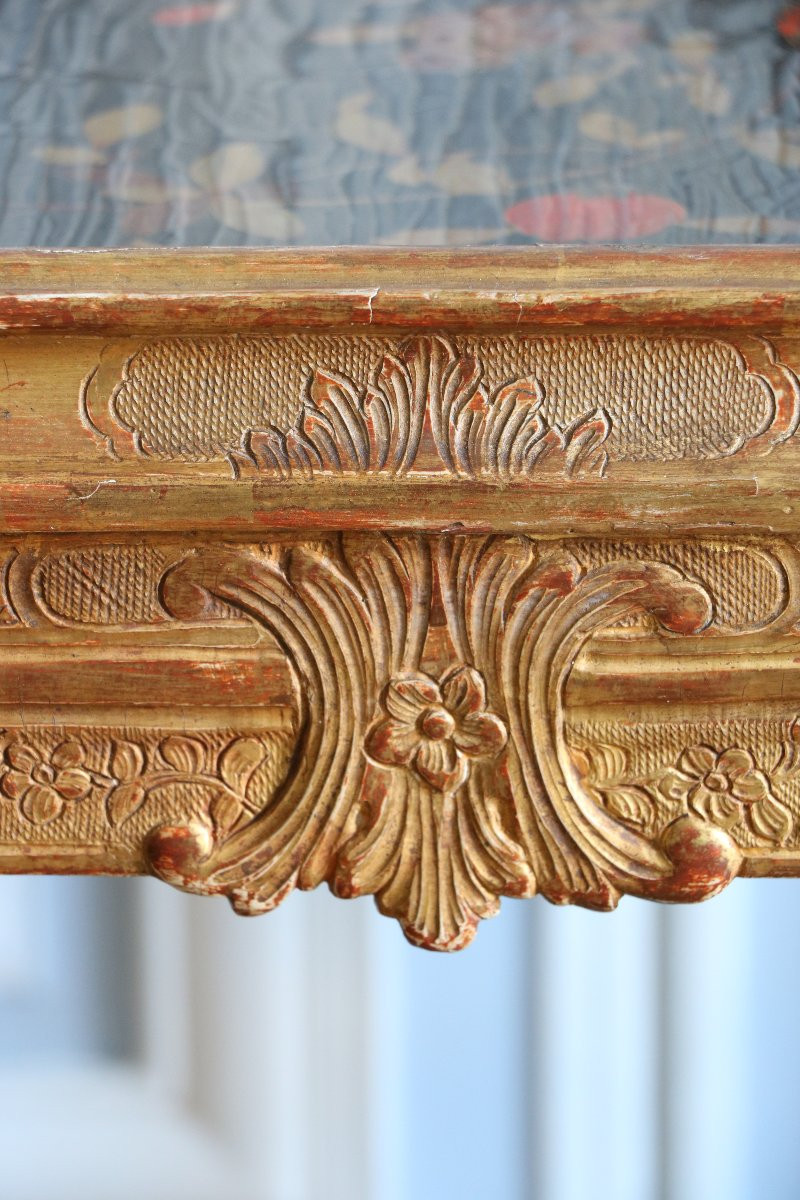
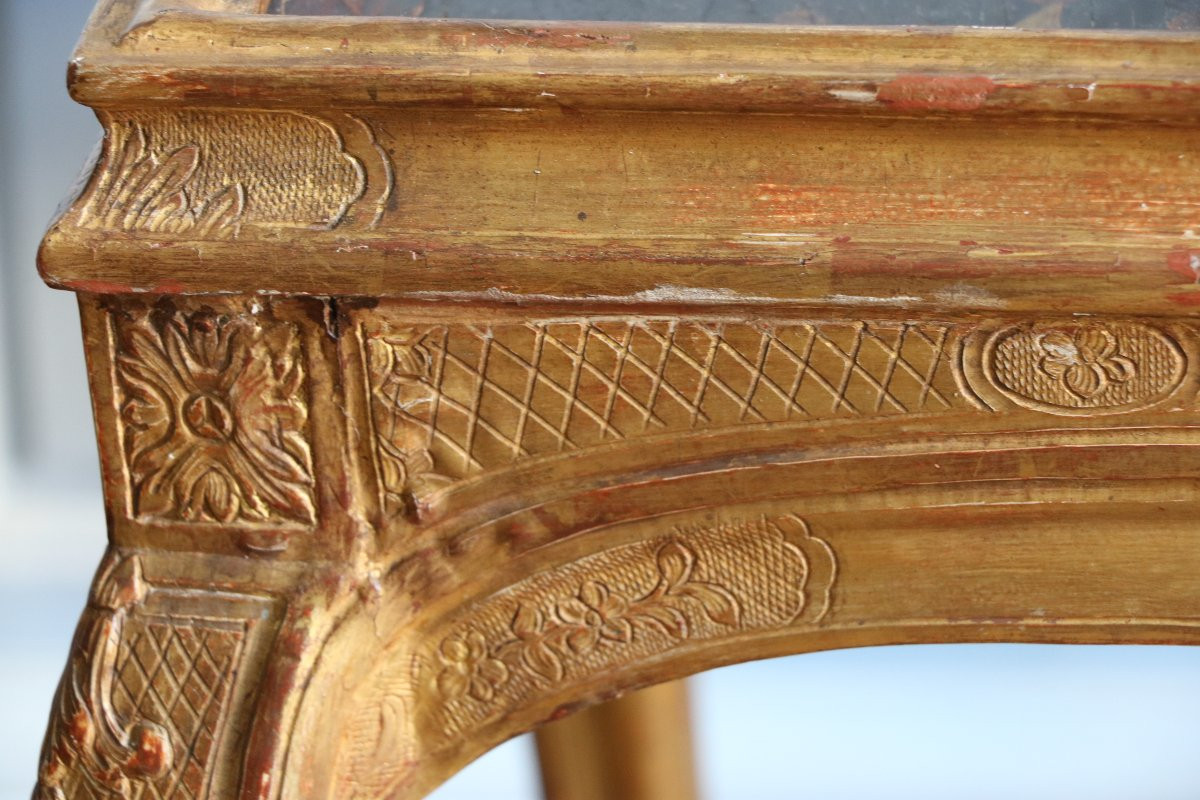
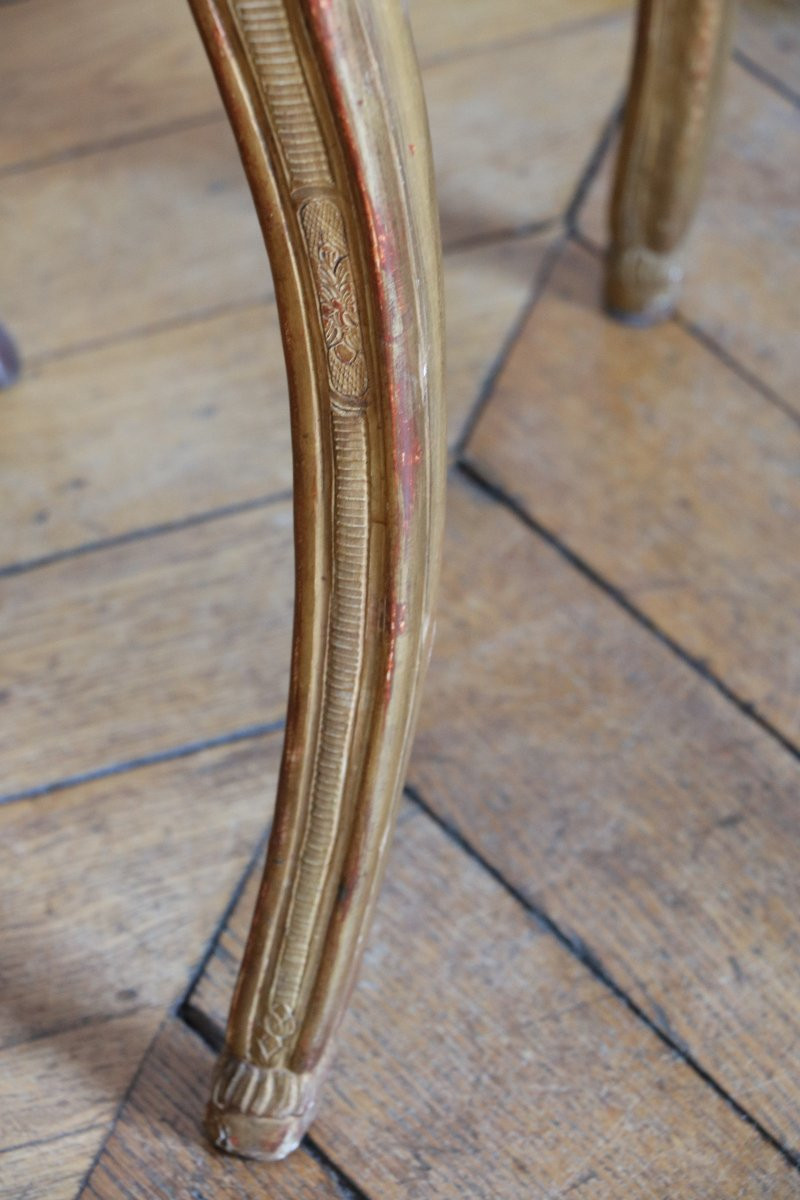
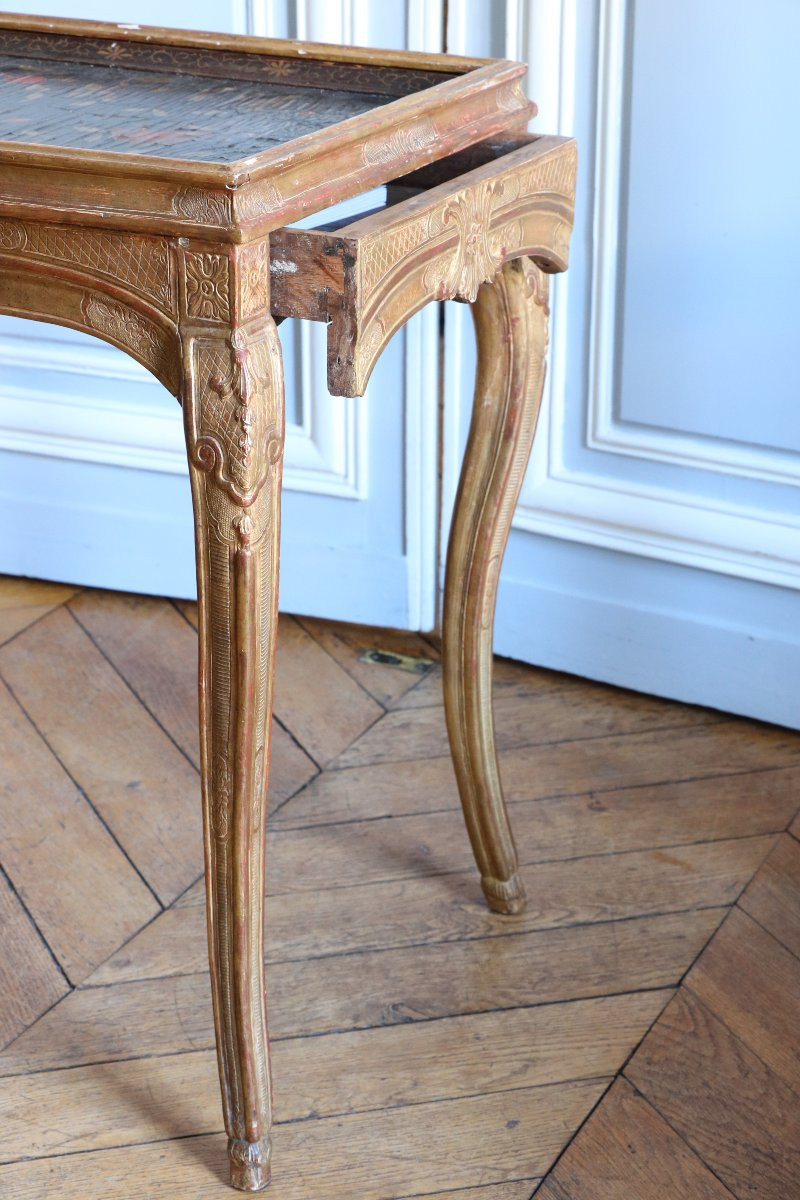
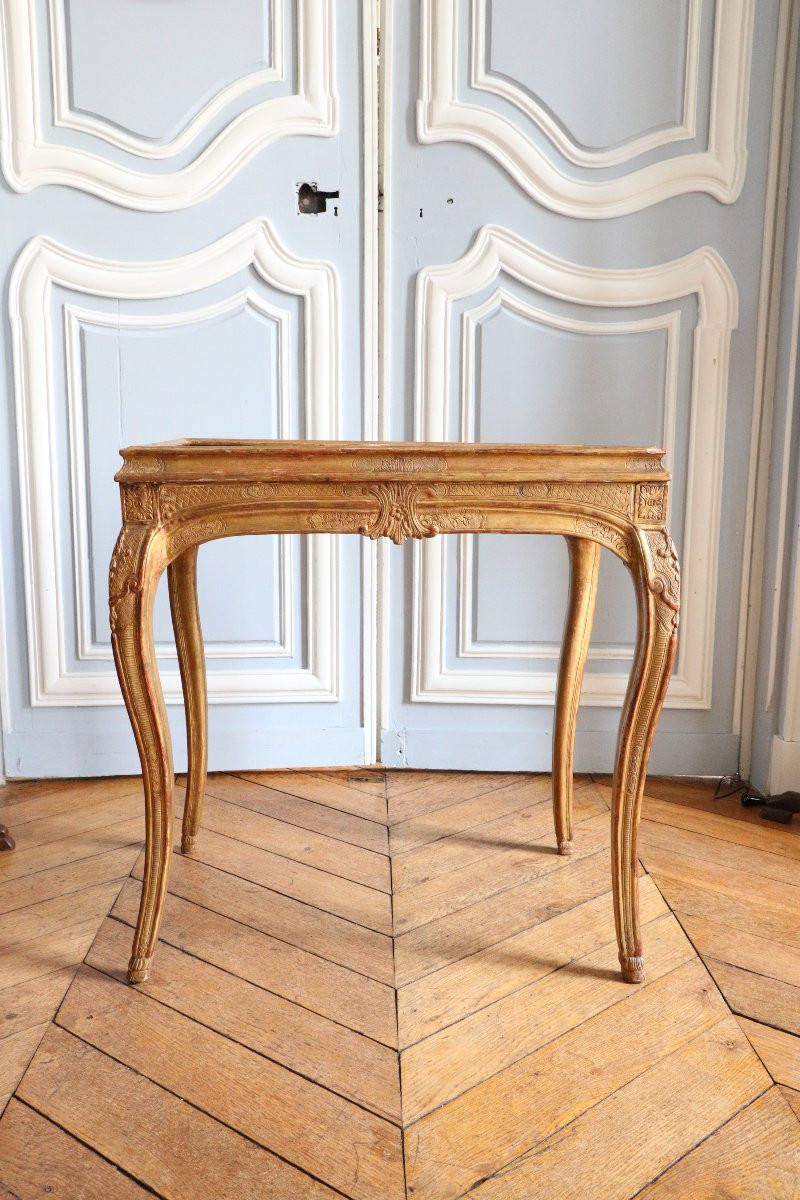
A rectangular, carved and gilded wooden console table with a lacquered top, opening with a side drawer. The top features a Kangxi period Chinese lacquer panel with a brown ground highlighted in gold, decorated with flowering and leafy stems enlivened by birds and butterflies. It rests on a base characteristic of the early Louis XV period: symmetrical carving with motifs of shells, foliage, and bursting pomegranates, console legs ending in goat's hooves. Paris. Early Louis XV period.
Circa 1730.
Cracking and damage to the lacquer.
Minor loss to the gilding.
H. 67 x W. 67 x D. 44 cm.
Present in fashionable 18th-century interiors, the cabaret table appeared at the end of the 17th century. Its introduction into French furniture is due to the enthusiasm that prevailed throughout the Grand Siècle for objects from the Far East. The cabaret initially referred to a tray on which cups, pots, a sugar bowl, a teapot, a coffee pot, or a chocolate pot were placed, depending on the desired refreshment. The first cabarets, imported from China or Japan, were made of lacquer and sold by haberdashers who adapted them to bases manufactured in France. They soon began producing them in a wide variety of shapes, making this piece of furniture one of the most elegant of the 18th century. This lacquered example belongs to the first generation of cabaret tables, featuring a base with a side drawer, made of carved and gilded oak with cabriole legs ending in deer hooves.
Circa 1730.
Cracking and damage to the lacquer.
Minor loss to the gilding.
H. 67 x W. 67 x D. 44 cm.
Present in fashionable 18th-century interiors, the cabaret table appeared at the end of the 17th century. Its introduction into French furniture is due to the enthusiasm that prevailed throughout the Grand Siècle for objects from the Far East. The cabaret initially referred to a tray on which cups, pots, a sugar bowl, a teapot, a coffee pot, or a chocolate pot were placed, depending on the desired refreshment. The first cabarets, imported from China or Japan, were made of lacquer and sold by haberdashers who adapted them to bases manufactured in France. They soon began producing them in a wide variety of shapes, making this piece of furniture one of the most elegant of the 18th century. This lacquered example belongs to the first generation of cabaret tables, featuring a base with a side drawer, made of carved and gilded oak with cabriole legs ending in deer hooves.
9 800 €
Period: 18th century
Style: Louis 15th - Transition
Condition: Condition of use
Material: Gilted wood
Length: 67
Height: 67
Depth: 44
Reference (ID): 1710567
Availability: In stock
Print