THIS OBJECT WAS SOLD
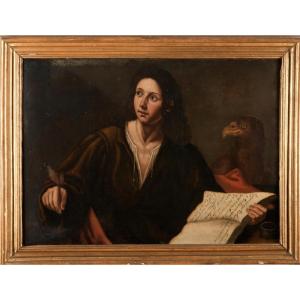
Antonio Franchi, Known As The Lucquois (villa Basílica 1638 - Florence 1709), Attributed To Santa Inés
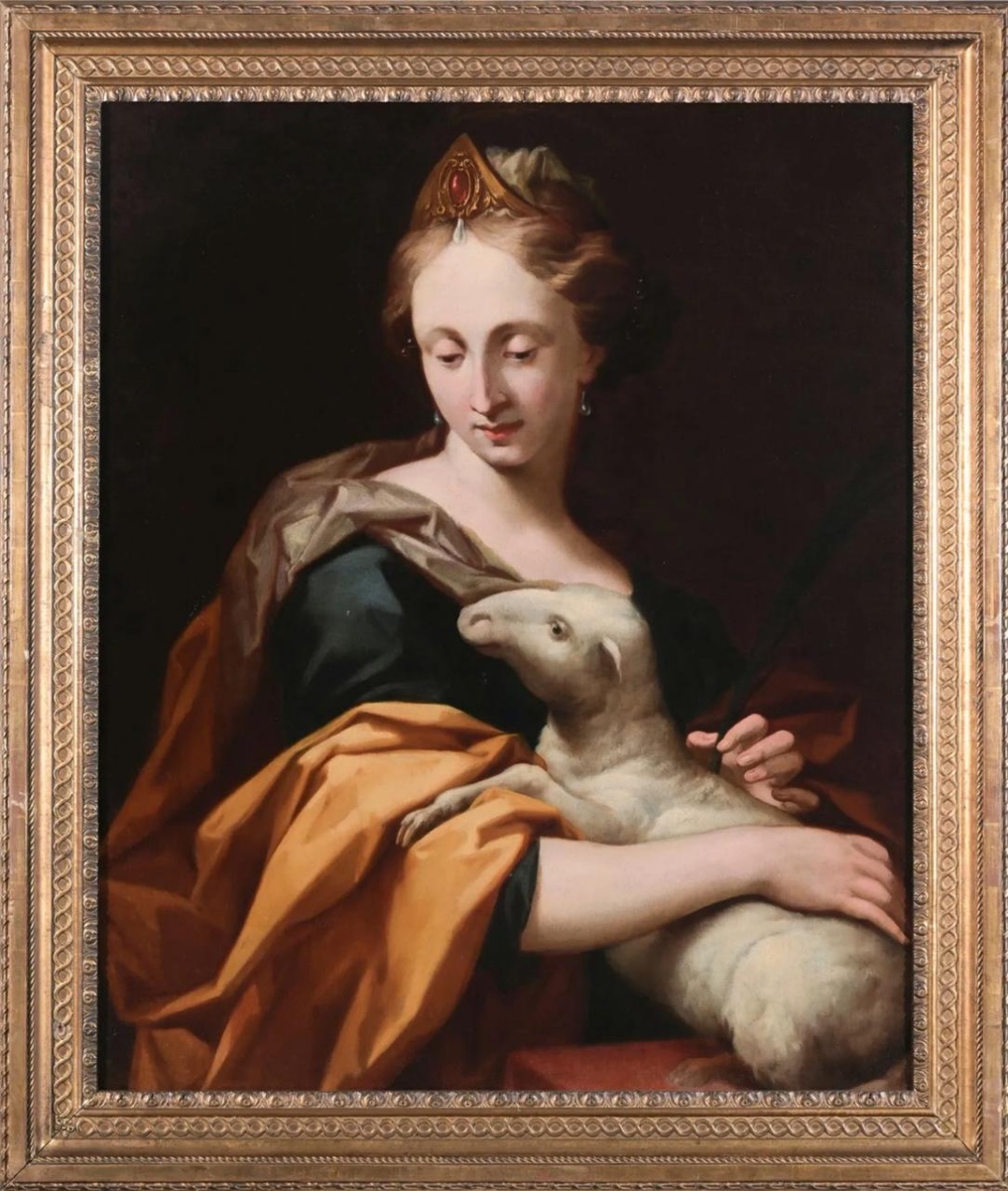
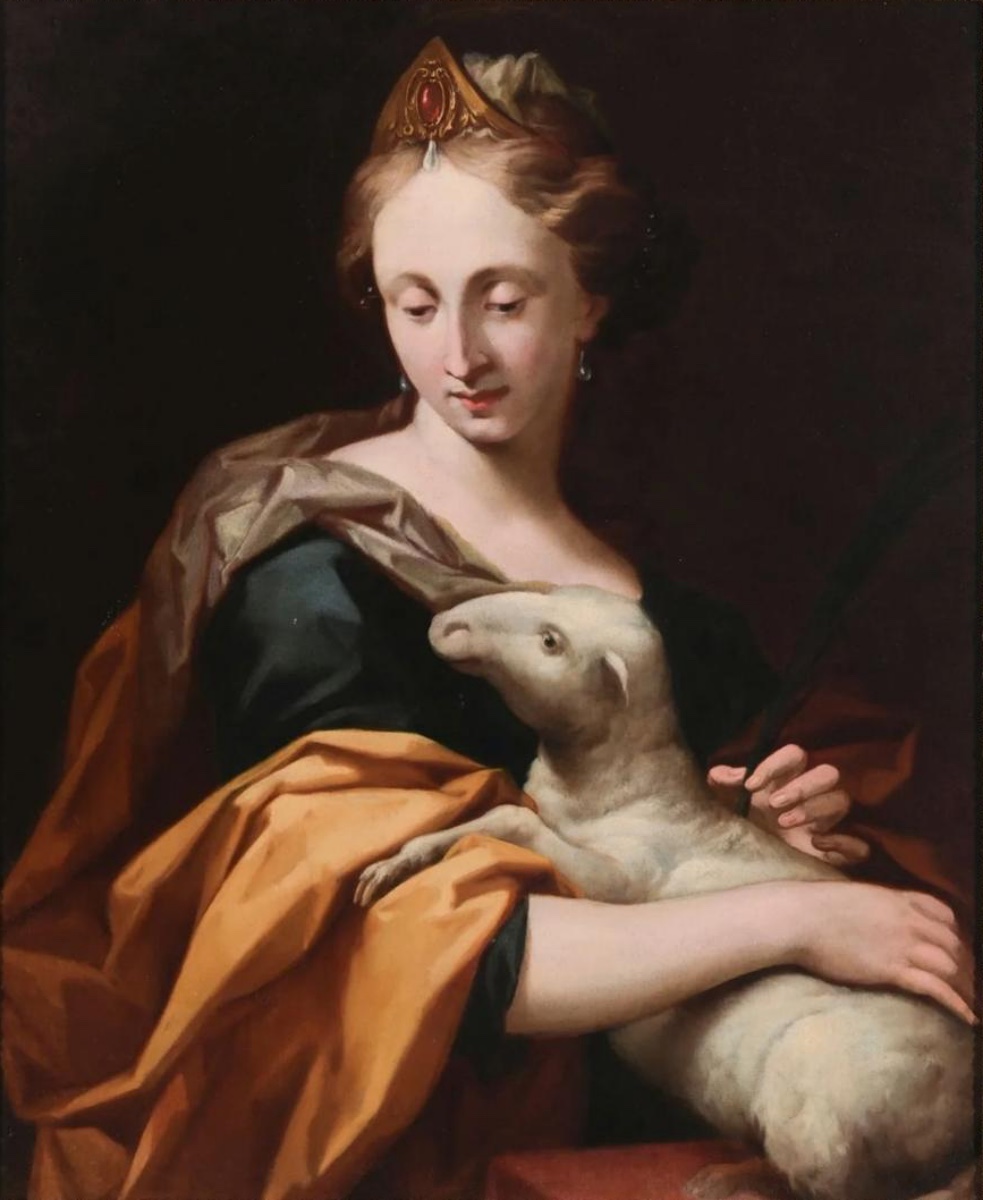
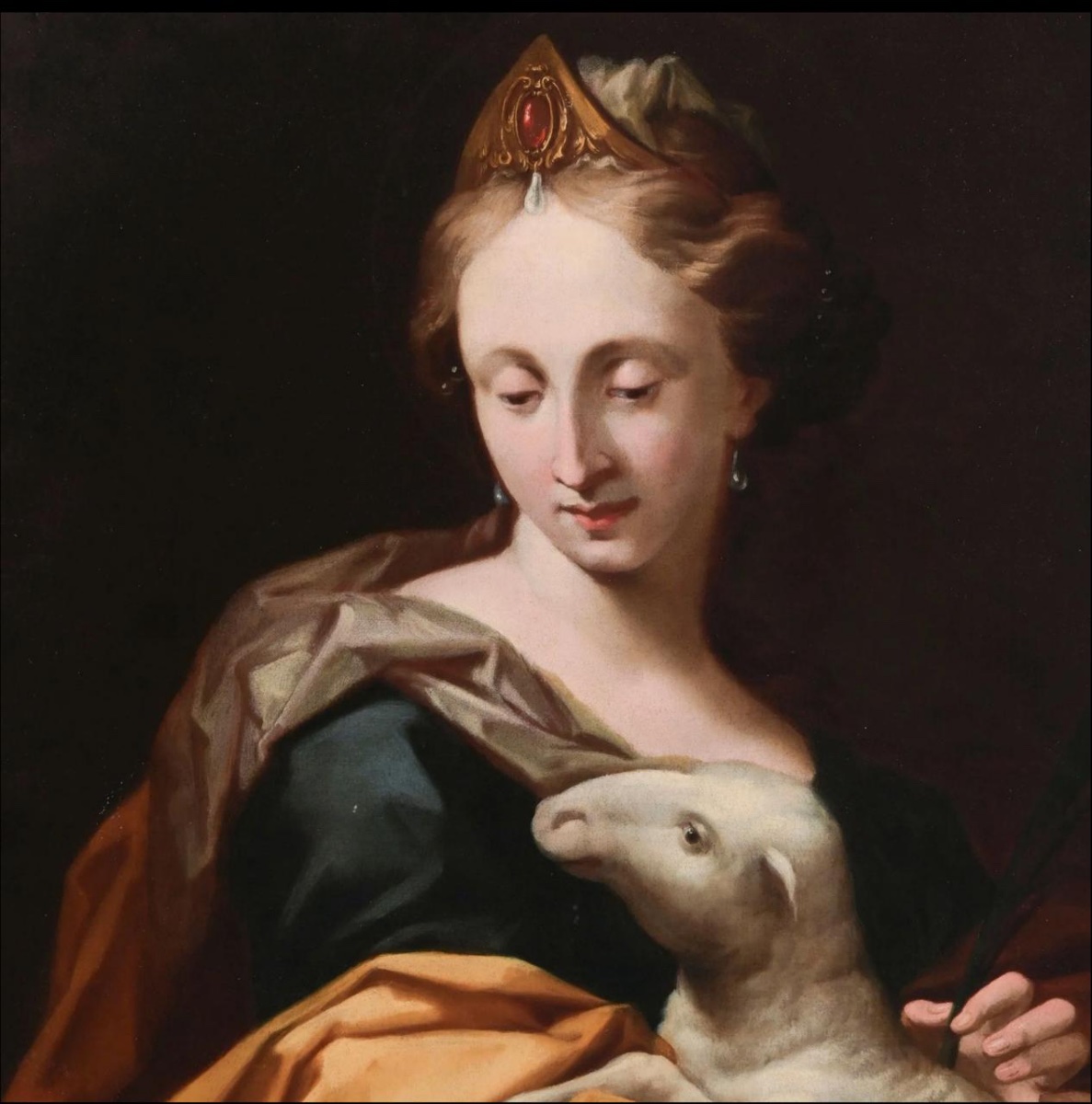
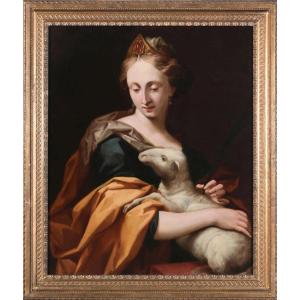


Antonio Franchi, known as the Lucquois (Villa Basílica 1638 - Florence 1709), attributed to “Santa Inés” Oil on canvas, 92 x 76 cm We find attributions in the Santa Apolonia, published in S. Bellesi, Catalog of Florentine painters of the 17th and 18th centuries, vol. II, p. 303, photo 666. This is probably the same painting presented at auction on July 7, 2023 by Sotheby's in London. Franchi trained in painting with Giovan Domenico Ferretti, then Matteo Boselli. He then attended Pietro Paolini's Academy of Nudes and became interested in the great examples of Emilian and Roman painting in his hometown. He left Lucca for Florence, where he was able to enter the workshops of Felice Ficherelli and Baldassarre Franceschini, known as “il Volterrano”. He returned to his native city and continued his painting career, reflecting the influence of Volterra and Vincenzo Dandini. Eventually, he settled permanently in Florence. Thanks to his intelligence and great stylistic flexibility, he established himself among the masters of his time, appropriating and interpreting, according to his own sensibility, the neo-Venetian influences of Coli-Gherardi, those of Cortona through Ciro Ferri, and the models of Dolci thanks to Onorio Sailors. Upon the death of Giusto Sustermans, he became the official portraitist of the court of the Doctors, occupying a prominent place in the Northern style. Franchi's later work highlights Maratta's elegant classicism, in the tradition of Florentine classical artists such as Anton Domenico Gabbiani. Antonio Franchi, the Lucchese (Villa Basílica 1638 - Florence 1709) attributed to Santa Inés Oil on canvas 92 x 76 cm The attribution list is found in Santa Apolonia, published in the Catalogue of Florentine Painters of the 17th and 18th Centuries, vol. II, p. 303, photo 666, by S. Bellesi, probably the same painting presented at auction on July 7, 2023 by Sotheby's in London.
Explore similar pieces and discover your ideal find:
Portraits

![TABLEAU-EDMOND GEFFROY-PORTRAIT DE SA FEMME-[EULALIE DUPUIS]-1839](https://www.proantic.com/galerie/home-decor/img/small/955787-main-629b52c4b7f36.jpg)