THIS OBJECT WAS SOLD
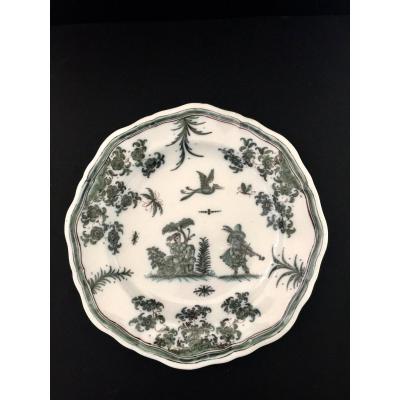
Antique Plate, 18th Century, Rouen, France
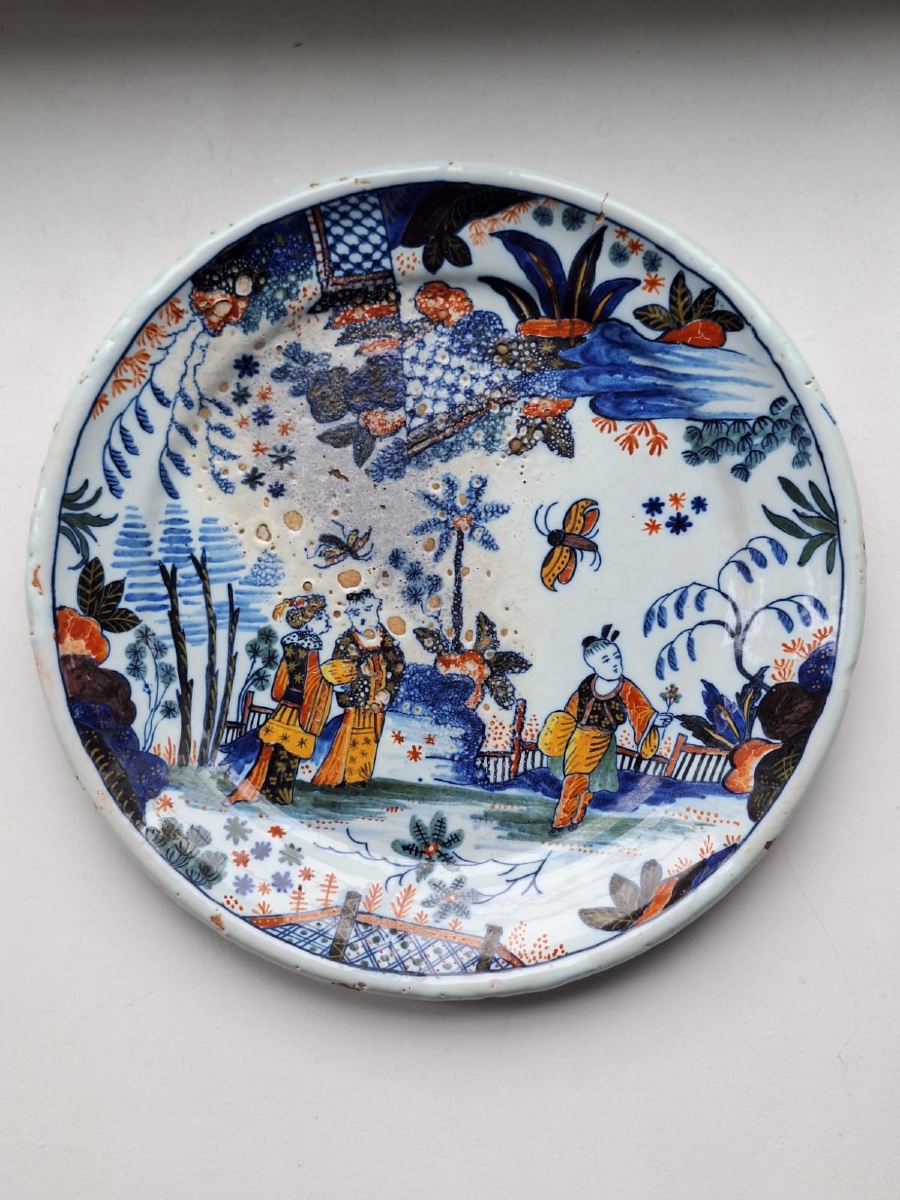
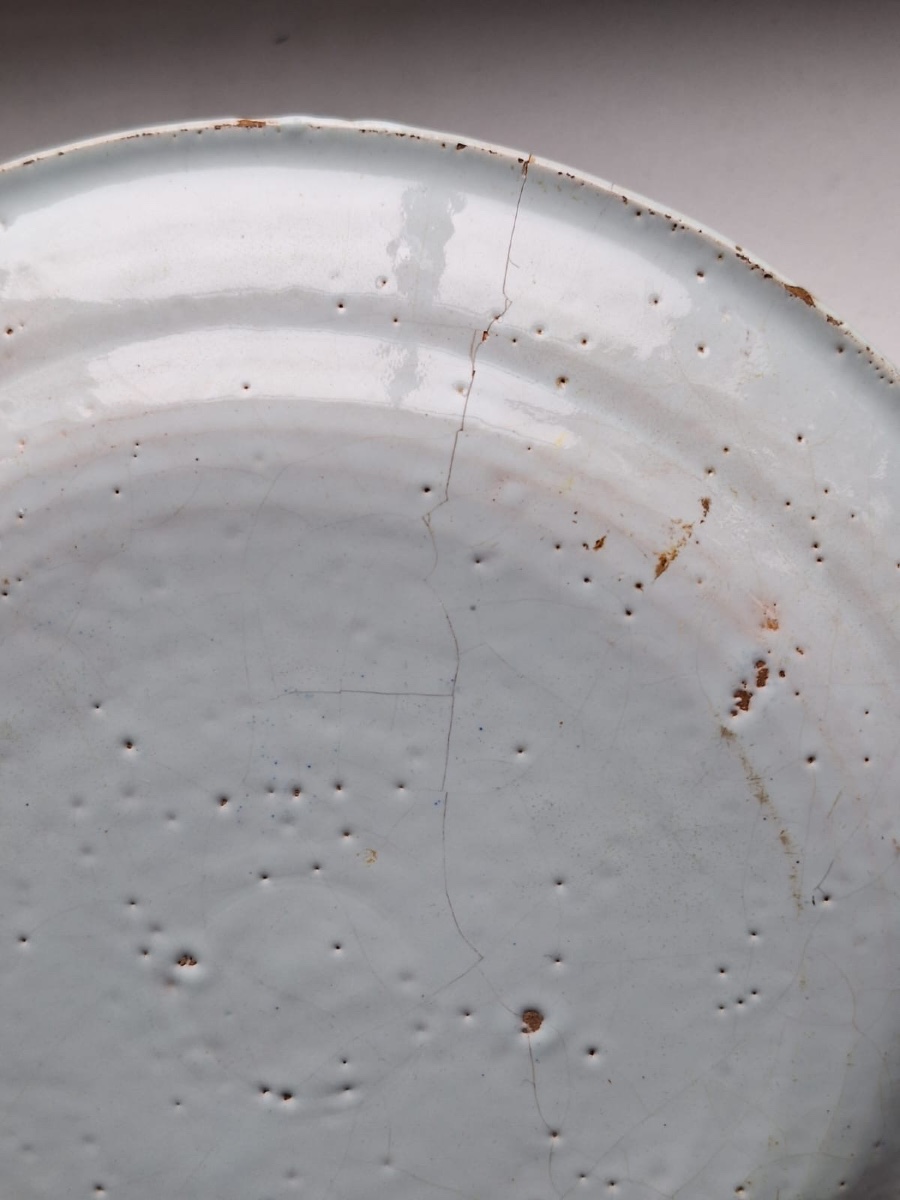
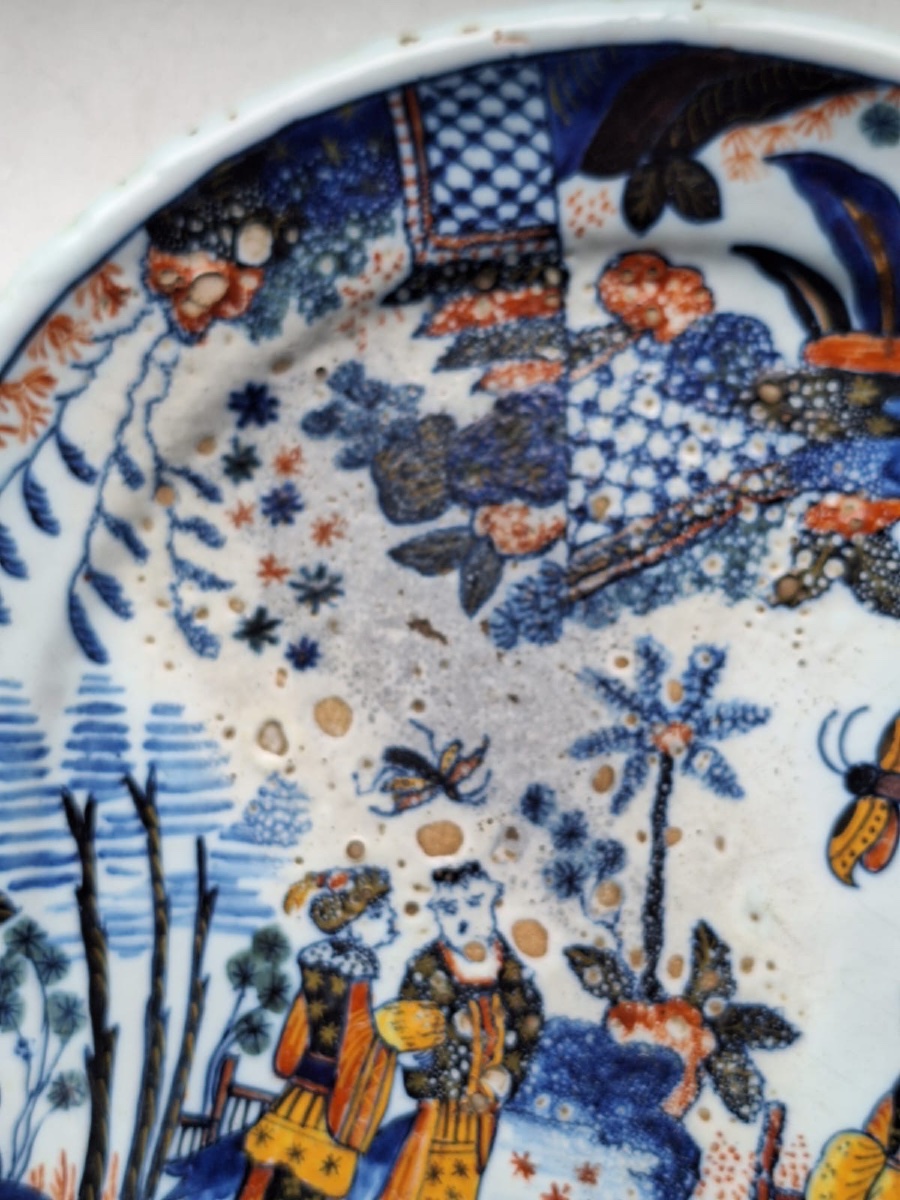
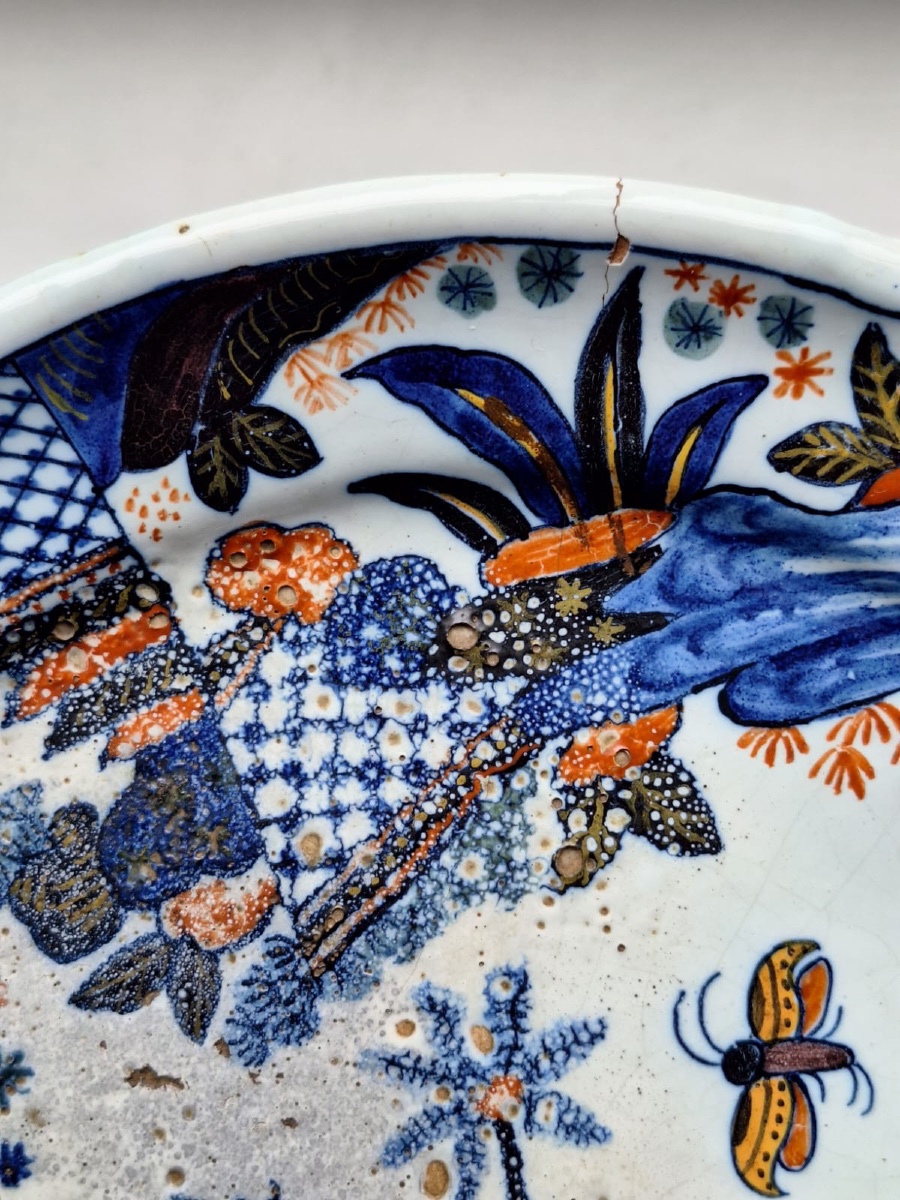
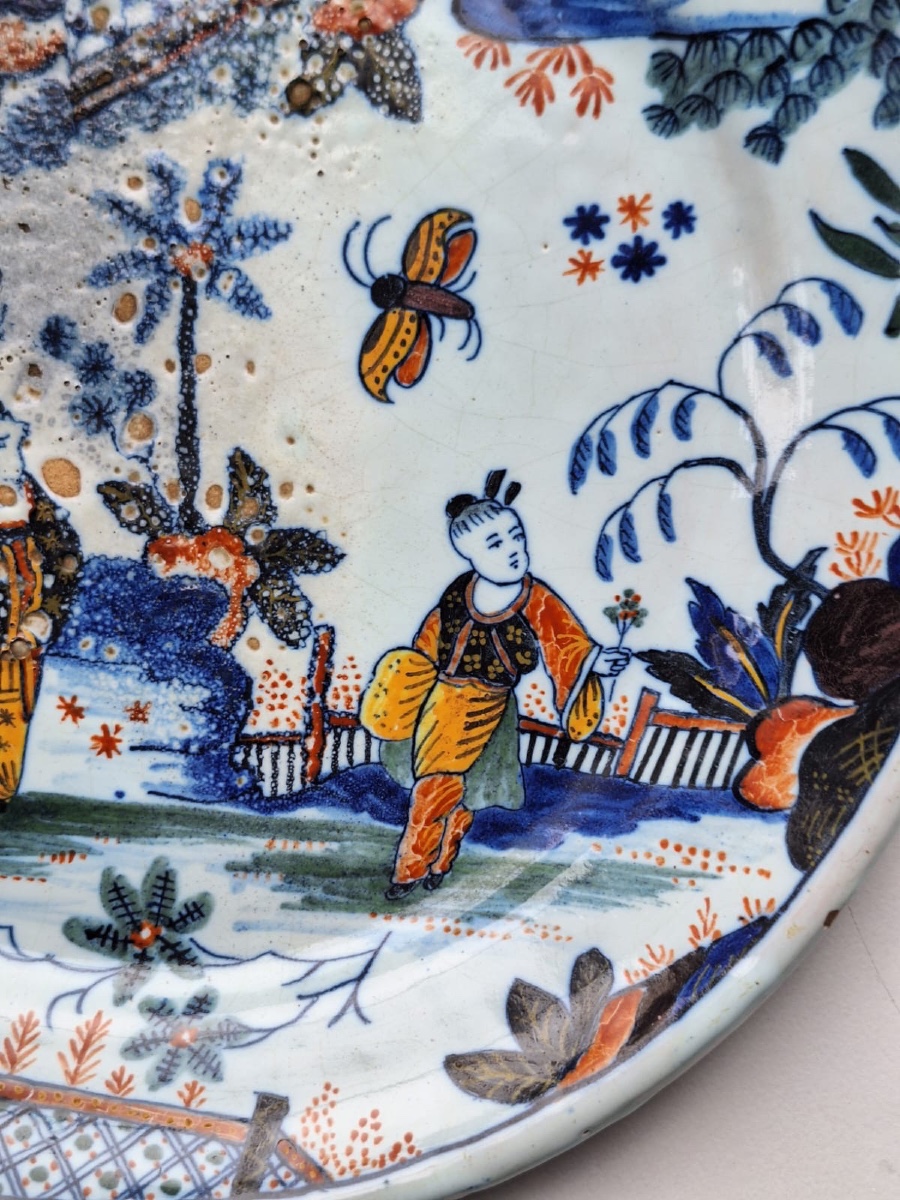
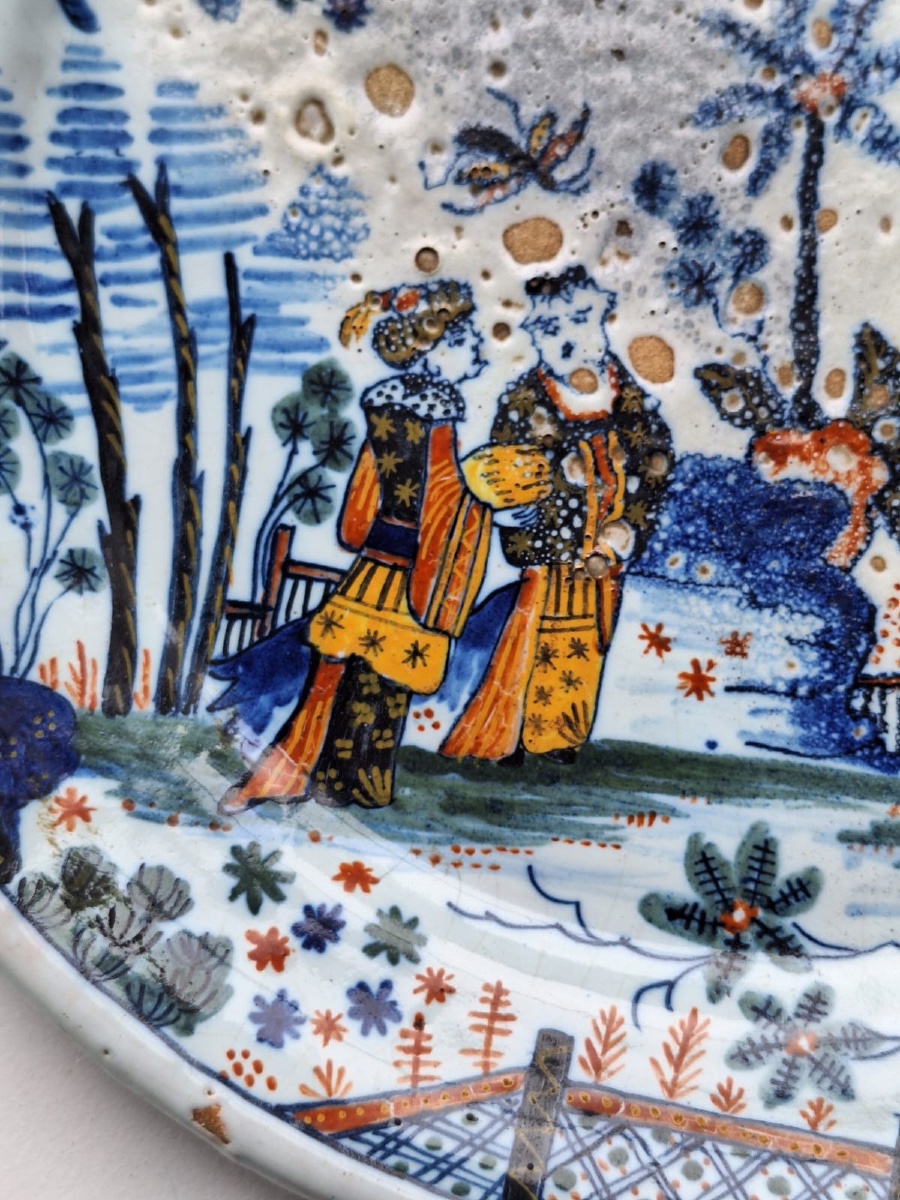
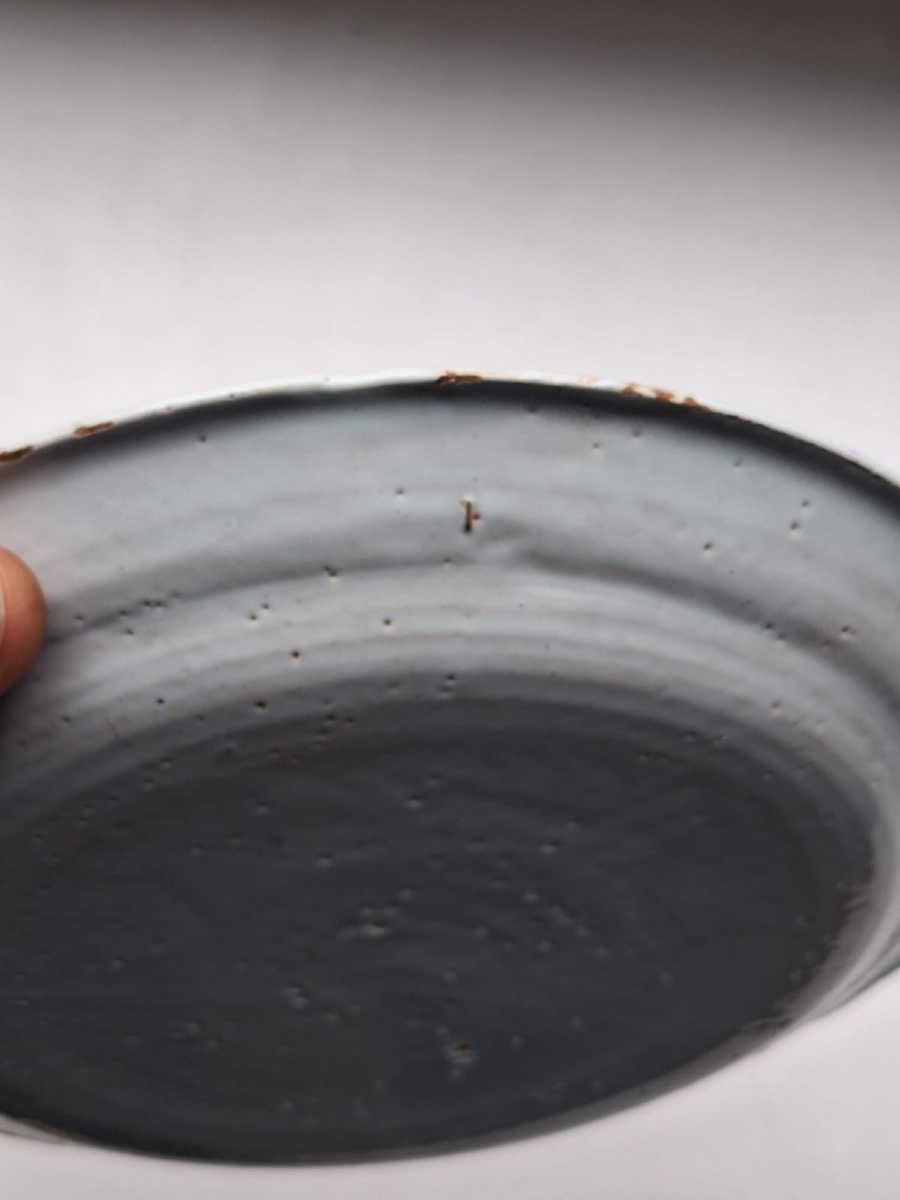
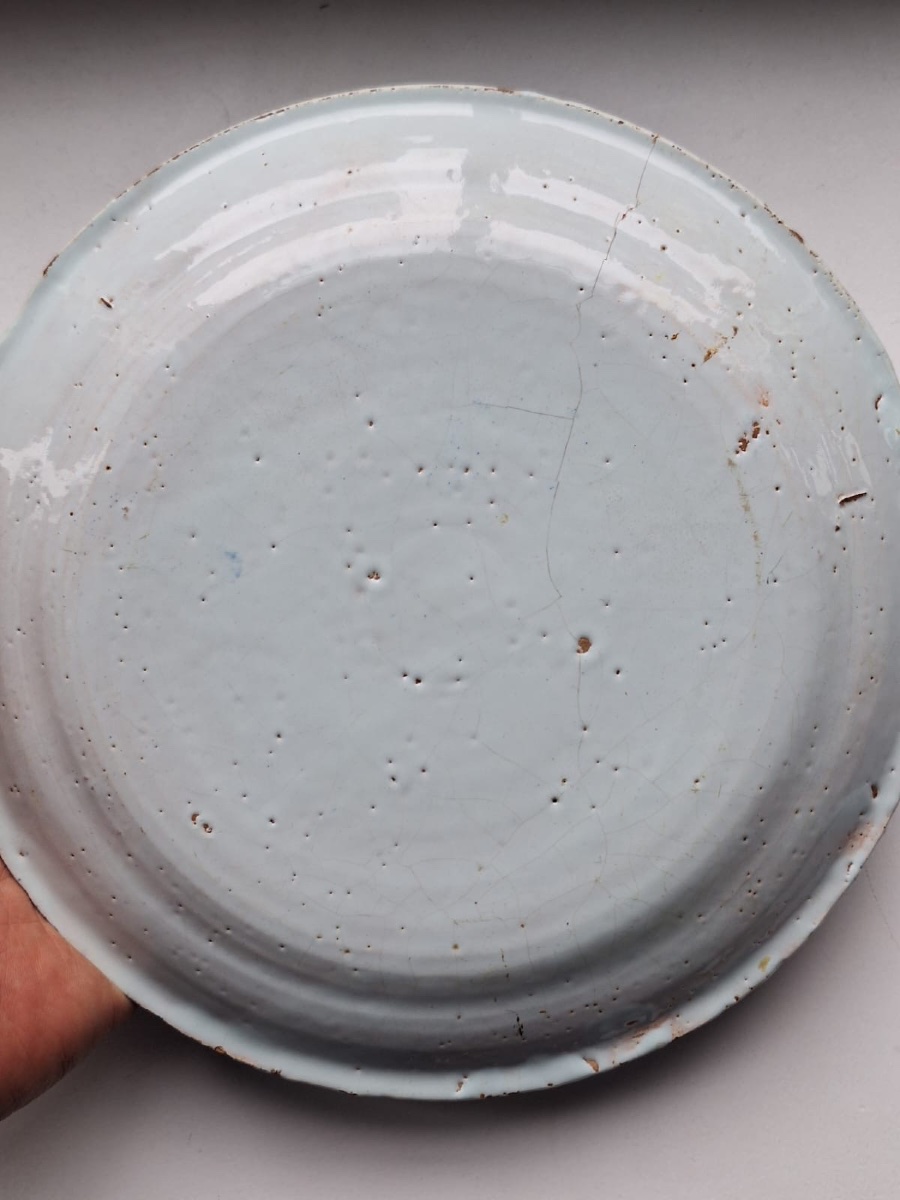
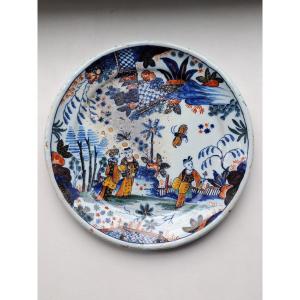


Antique plate, 18th century, Rouen, France. Rouen faience appeared in the 16th century with Masséot Abaquesne. This contemporary of Bernard Palissy, who had completed his training with the Italian masters of Faenza, the small Italian town that gave its name to "faience," produced magnificent ceramic tiles depicting historical scenes, arabesque motifs, emblems, and coats of arms in the Italian style prevalent during the Renaissance. He also created numerous pharmacy and grocery containers with decoration similarly inspired by Italy. His masterpiece is the series of tiles made between 1540 and 1548 to decorate the château of Anne de Montmorency, Constable of France, in Écouen. The Château d'Écouen, now the National Museum of the Renaissance, displays numerous earthenware works by Masséot Abaquesne, Bernard Palissy and many others. Masséot Abaquesne's business, despite the efforts of his widow and son Laurent to take over, did not survive his death in 1564.
Explore similar pieces and discover your ideal find:
Faience Plates & Dinnerware