


Christ At The Column, Original Terracotta Sculpture By André Vermare (1869-1949)
Artist: André Vermare (1869-1949)
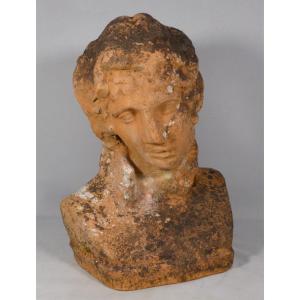
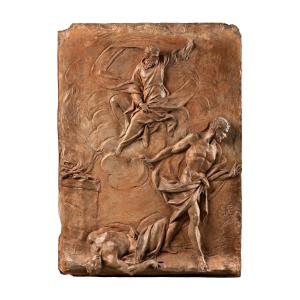
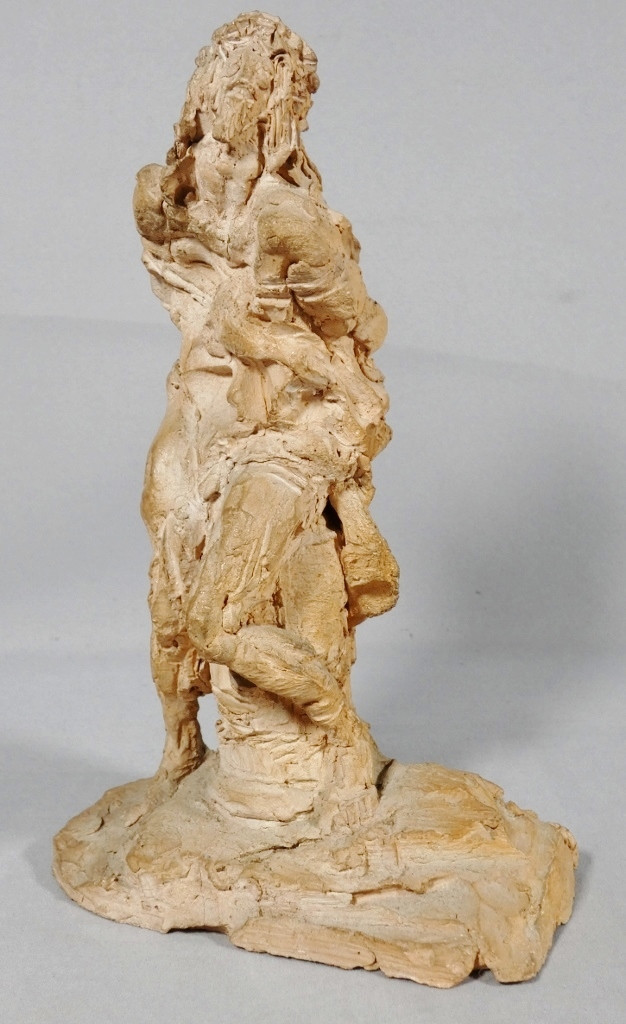
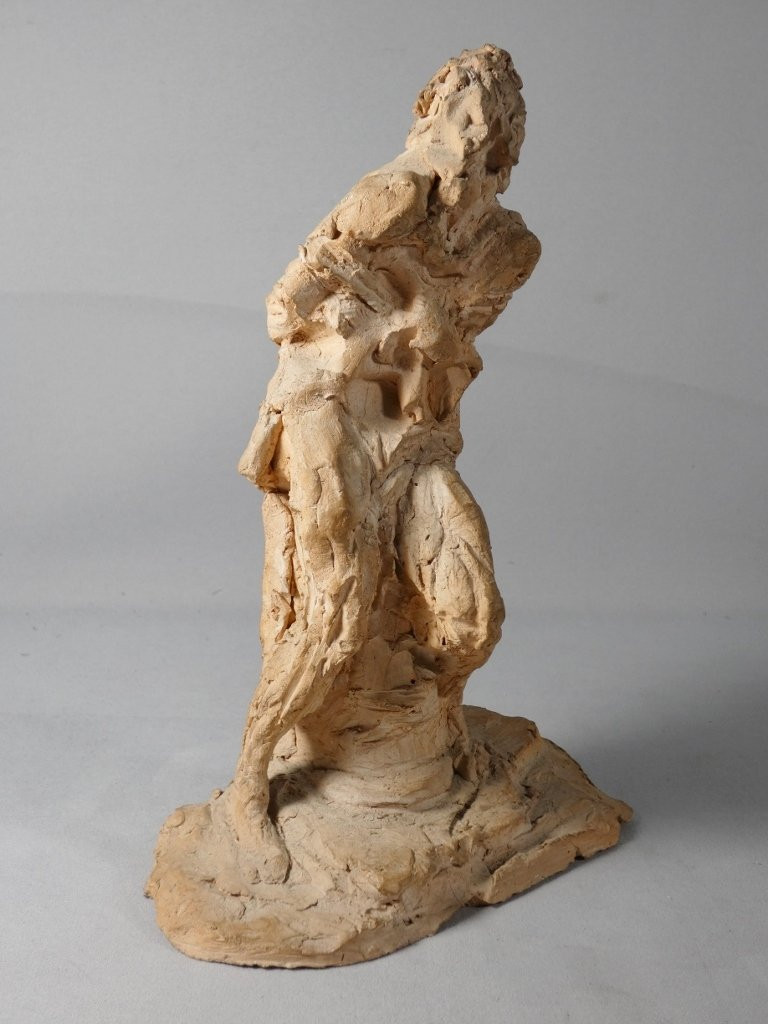
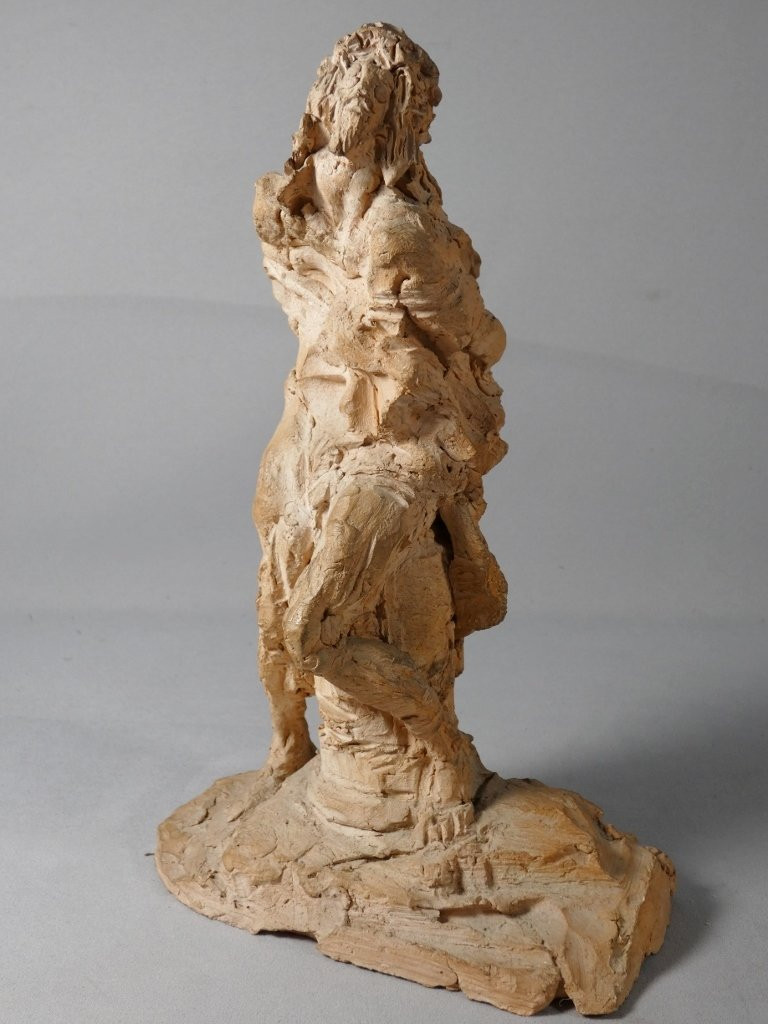
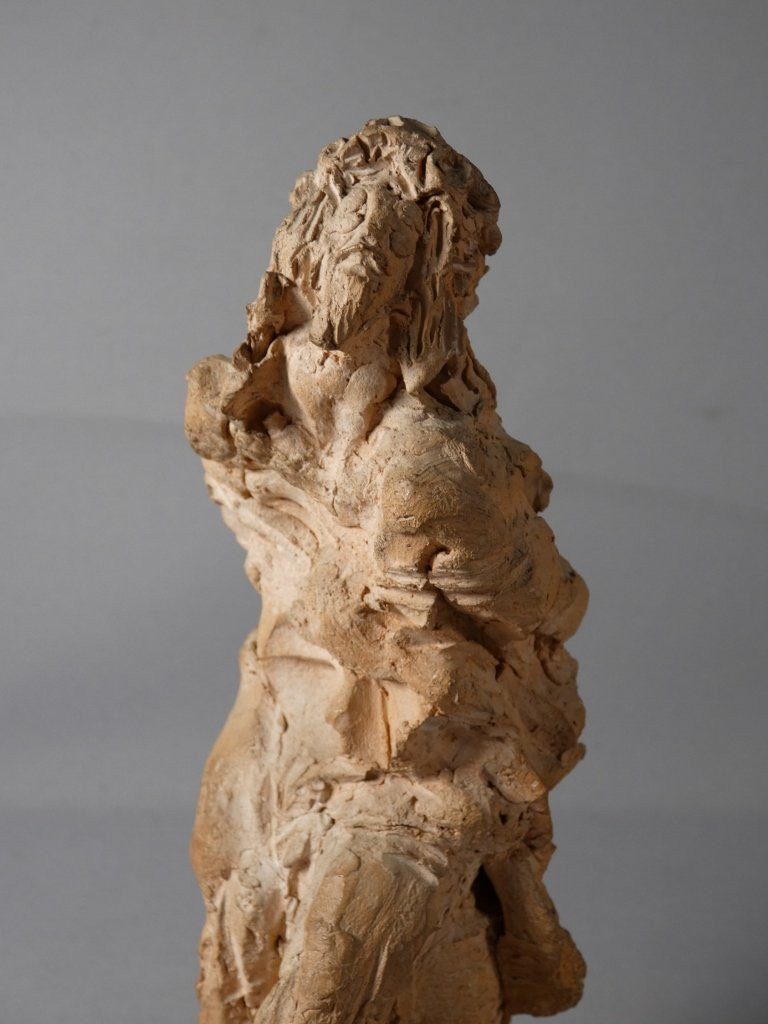
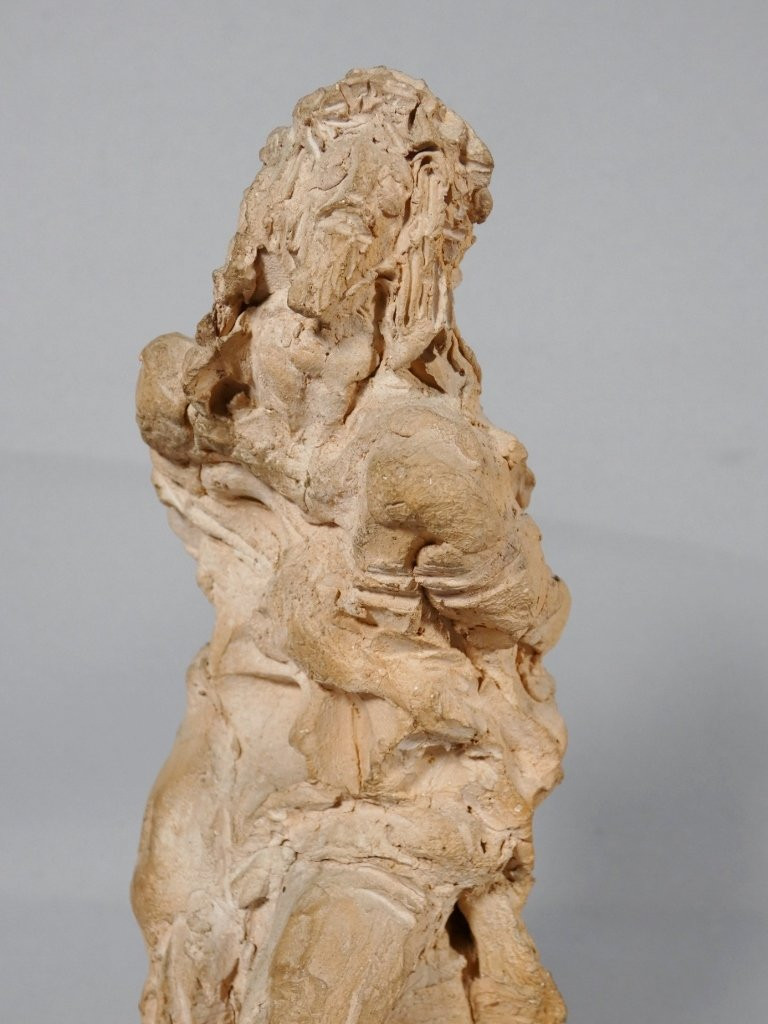
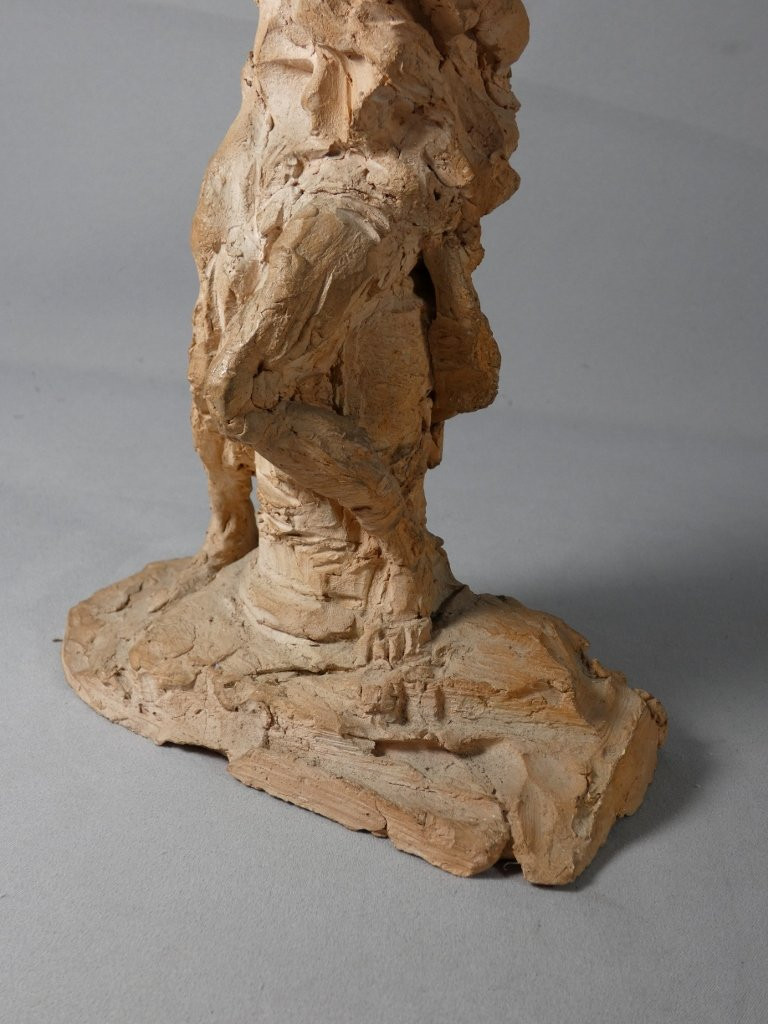
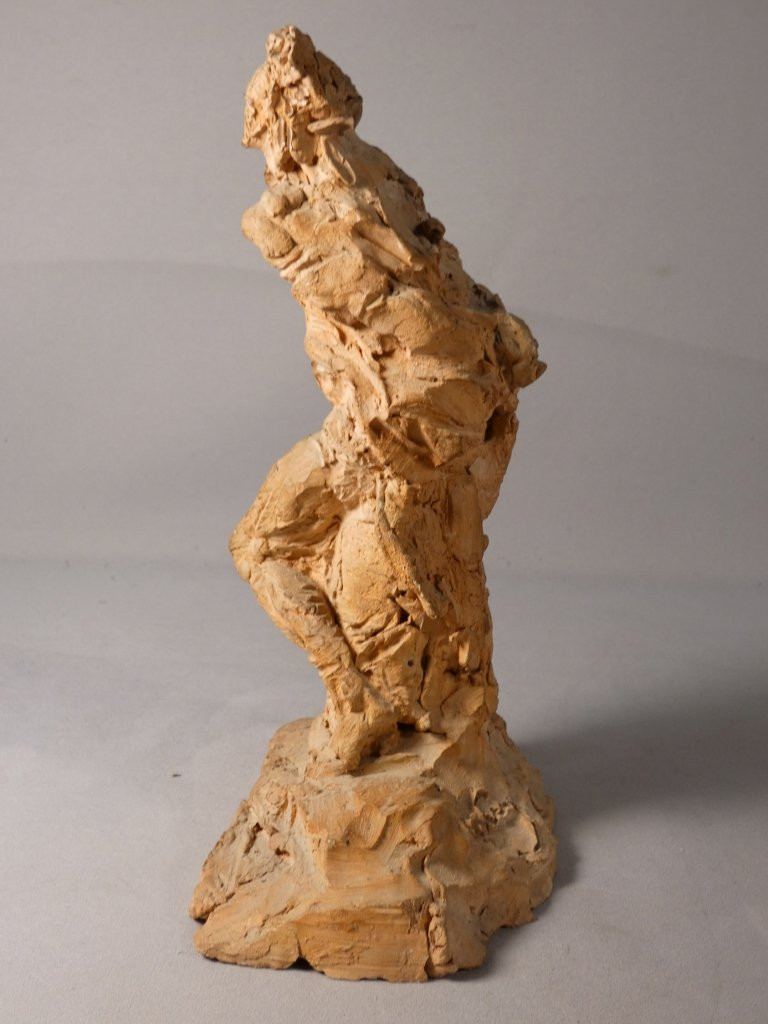
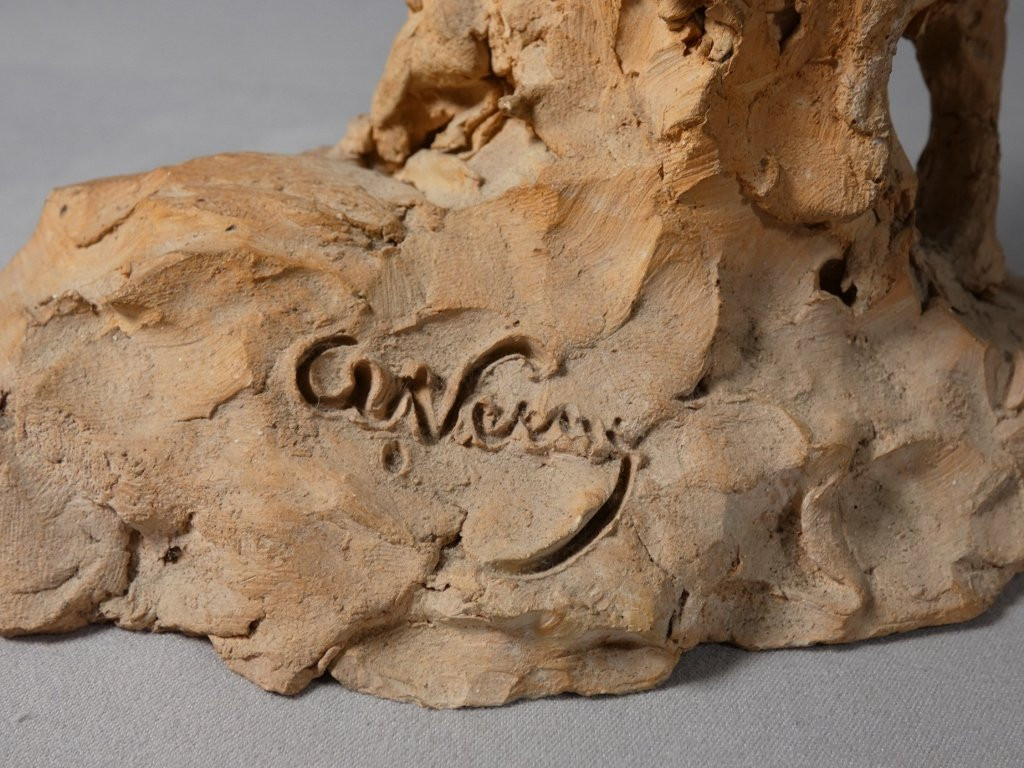
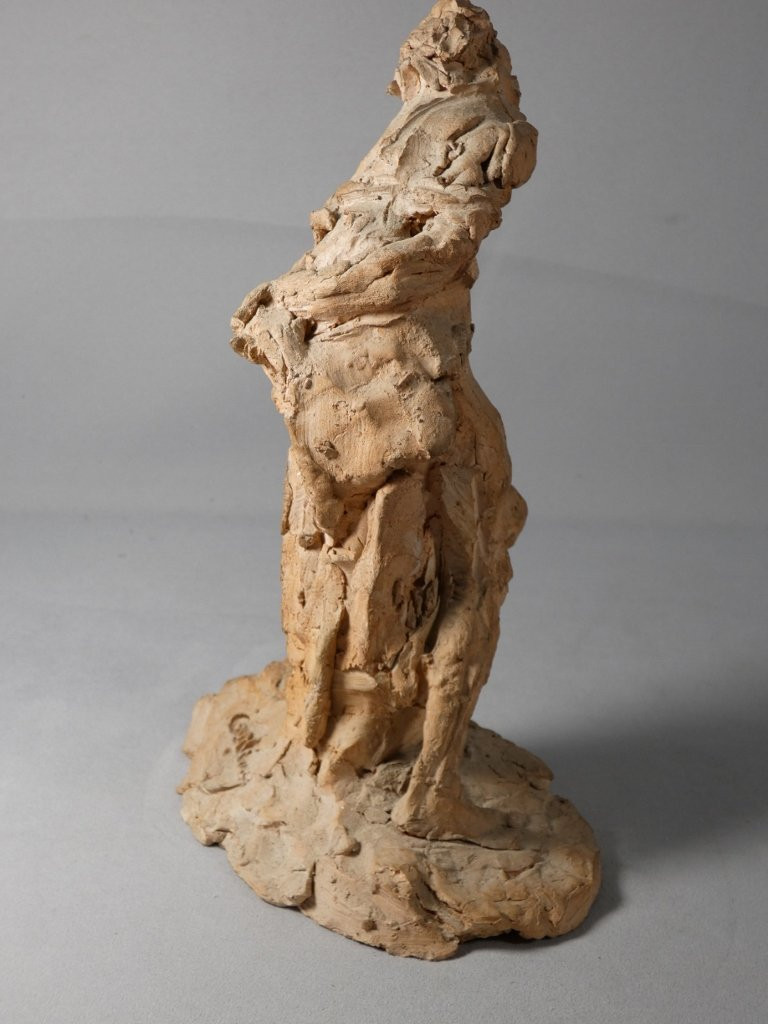
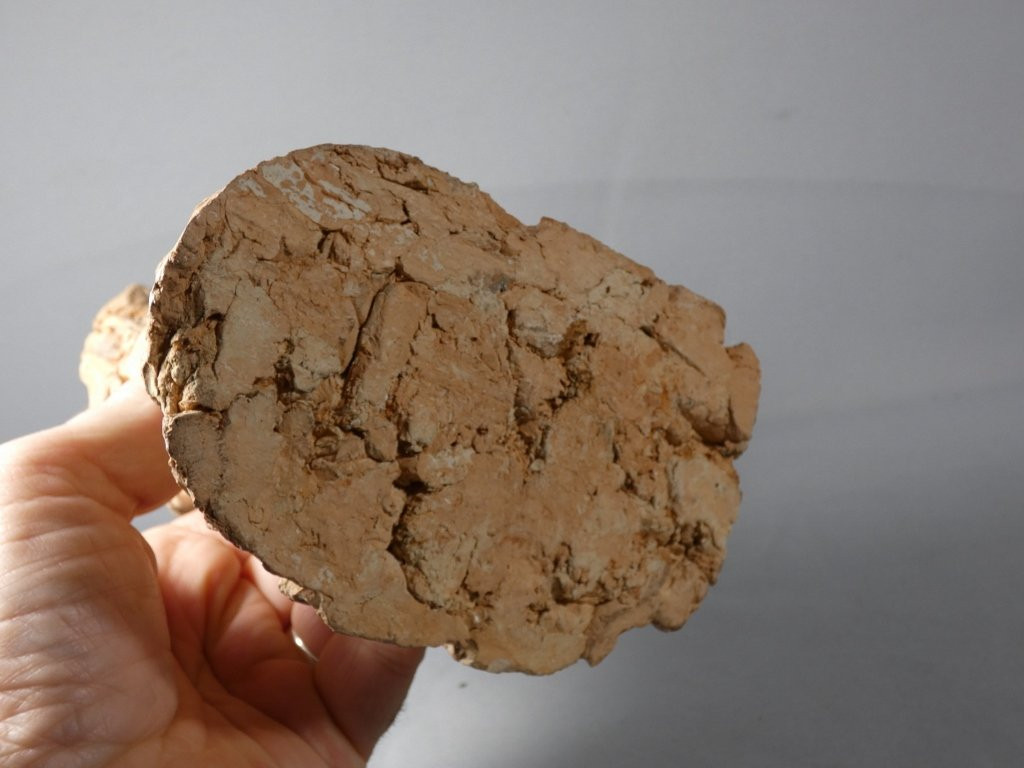
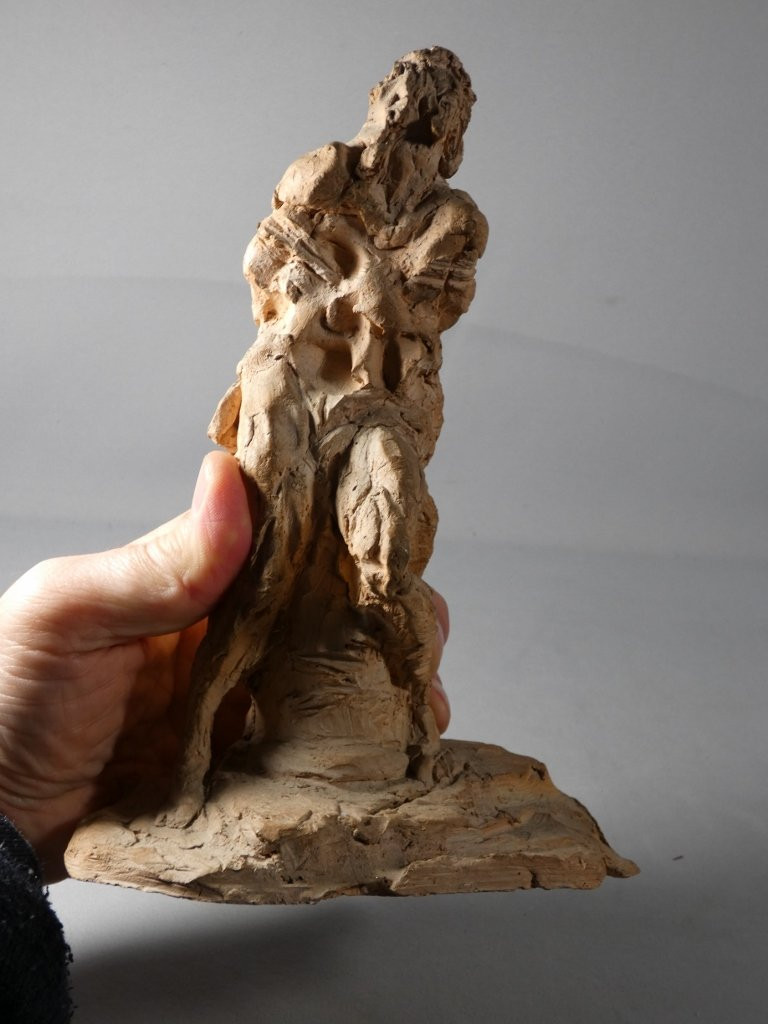
Original artwork. Terracotta sculpture by André Vermare (1869-1949) depicting Christ at the Column, after the painting by Caravaggio from 1607.
It represents Christ about to be flogged by two executioners who are tying him to a tall column, as a prelude to his Passion.
The sculpture beautifully captures the expression of Christ, with meticulous attention to the muscles and posture.
He appears to be suffering.
This is an original sculpture, not a cast.
The parents of the previous owner were friends with Vermare and owned a residence on the Île de Bréhat, where they met him. Vermare's works are rare on the market, but original pieces are even rarer!
Early 20th century.
Shipping: €18 in France, €35 in the EU, and €100 for the rest of the world.
André Vermare was a French sculptor born on November 27, 1869, in Lyon. In 1885, he was admitted to the École Nationale des Beaux-Arts in Lyon and became a student of Charles Dufraine. André Vermare then continued his studies at the École des Beaux-Arts in Paris, where he studied under Alexandre Falguière, Laurent Marqueste, and Alfred-Désiré Lanson. He subsequently exhibited at the Salon of the Société des Artistes Français and received the Chenavard Prize in 1894 for his statue of Giotto as a Child. He resided at the Villa Medici in Rome between 1900 and 1903, where he associated with Tony Garnier. It was in this context that André Vermare produced one of his most masterful works, The Rhône and the Saône, which was later placed at the entrance to the Palais de la Bourse in Lyon. Subsequently, André Vermare collaborated with his father and brother in the family business, Maison Vermare – specializing in sculpture, goldsmithing, ornaments, and bronzes – and produced several other religious statues. He accepted numerous commissions and enjoyed a national career. Between 1906 and 1910, he purchased a farm and land on the Île-de-Bréhat, where he built a summer residence. He died there on August 7, 1949.
It represents Christ about to be flogged by two executioners who are tying him to a tall column, as a prelude to his Passion.
The sculpture beautifully captures the expression of Christ, with meticulous attention to the muscles and posture.
He appears to be suffering.
This is an original sculpture, not a cast.
The parents of the previous owner were friends with Vermare and owned a residence on the Île de Bréhat, where they met him. Vermare's works are rare on the market, but original pieces are even rarer!
Early 20th century.
Shipping: €18 in France, €35 in the EU, and €100 for the rest of the world.
André Vermare was a French sculptor born on November 27, 1869, in Lyon. In 1885, he was admitted to the École Nationale des Beaux-Arts in Lyon and became a student of Charles Dufraine. André Vermare then continued his studies at the École des Beaux-Arts in Paris, where he studied under Alexandre Falguière, Laurent Marqueste, and Alfred-Désiré Lanson. He subsequently exhibited at the Salon of the Société des Artistes Français and received the Chenavard Prize in 1894 for his statue of Giotto as a Child. He resided at the Villa Medici in Rome between 1900 and 1903, where he associated with Tony Garnier. It was in this context that André Vermare produced one of his most masterful works, The Rhône and the Saône, which was later placed at the entrance to the Palais de la Bourse in Lyon. Subsequently, André Vermare collaborated with his father and brother in the family business, Maison Vermare – specializing in sculpture, goldsmithing, ornaments, and bronzes – and produced several other religious statues. He accepted numerous commissions and enjoyed a national career. Between 1906 and 1910, he purchased a farm and land on the Île-de-Bréhat, where he built a summer residence. He died there on August 7, 1949.
2 500 €
Period: 20th century
Style: Other Style
Condition: Excellent condition
Material: Terracotta
Width: 15 cm
Height: 22.5 cm
Depth: 9.5 cm
Reference (ID): 1704376
Availability: In stock
Print