THIS OBJECT WAS SOLD
Pierre Le Faguays (1892-1962), Large Bronze Sculpture "the Thinker", Circa 1930
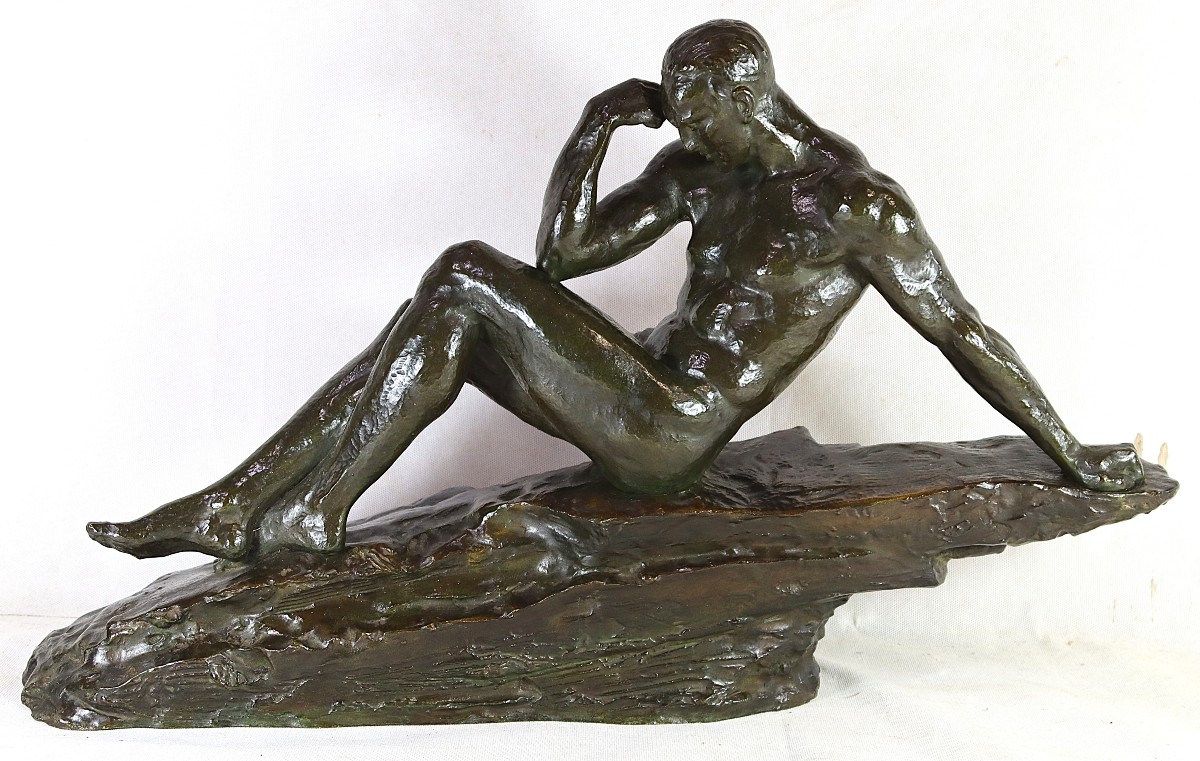
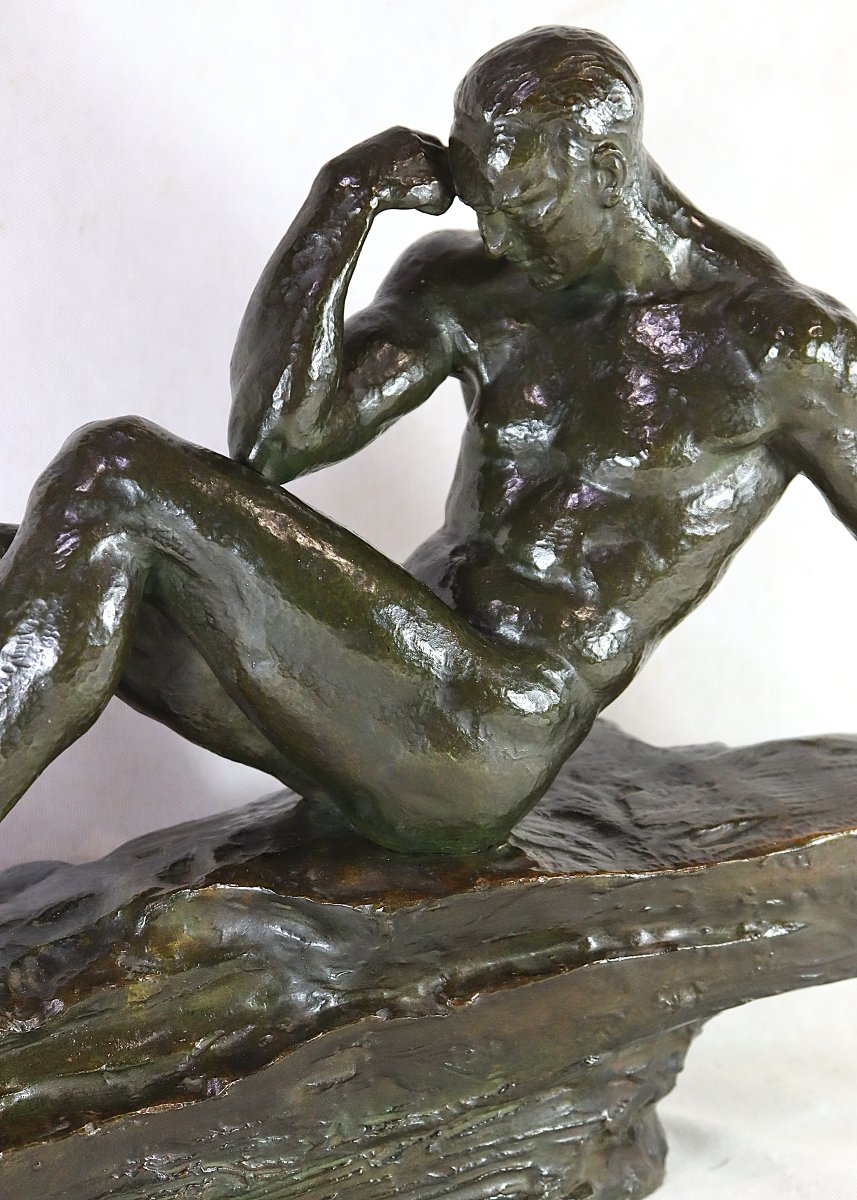
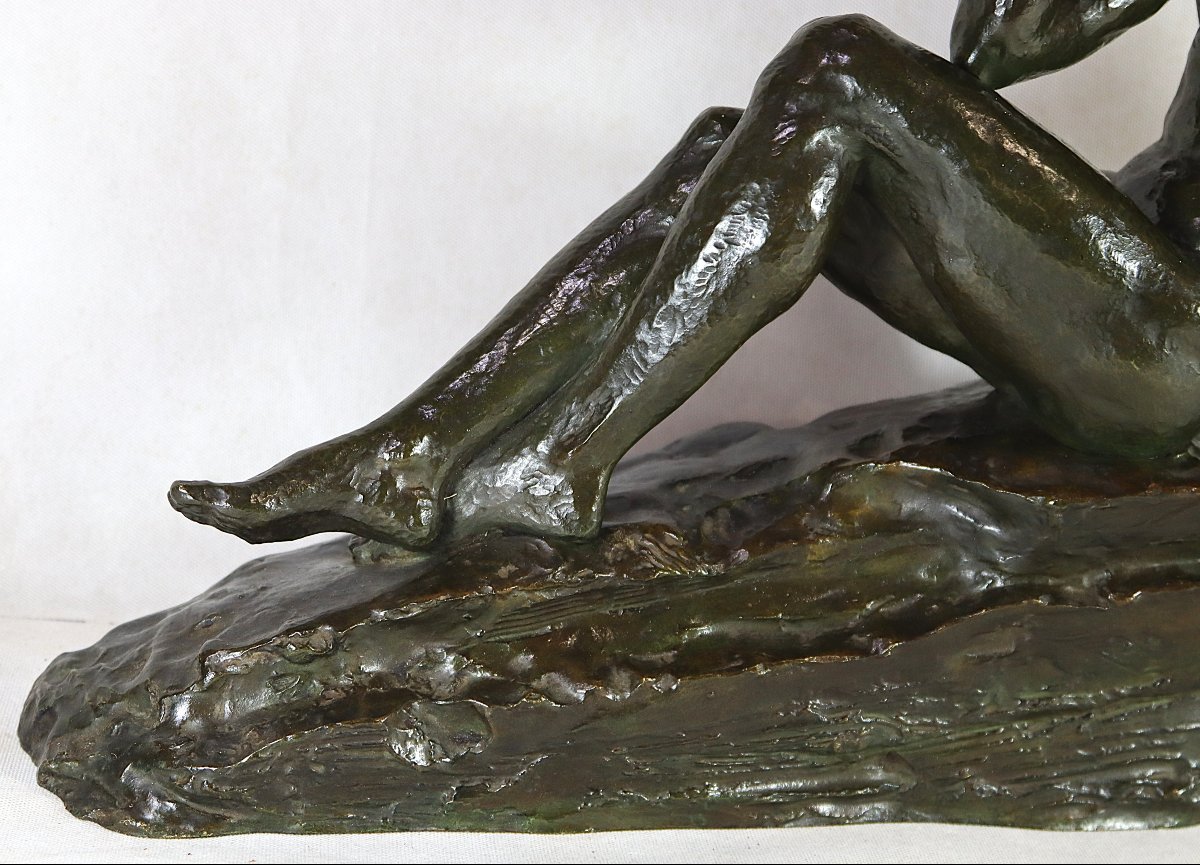
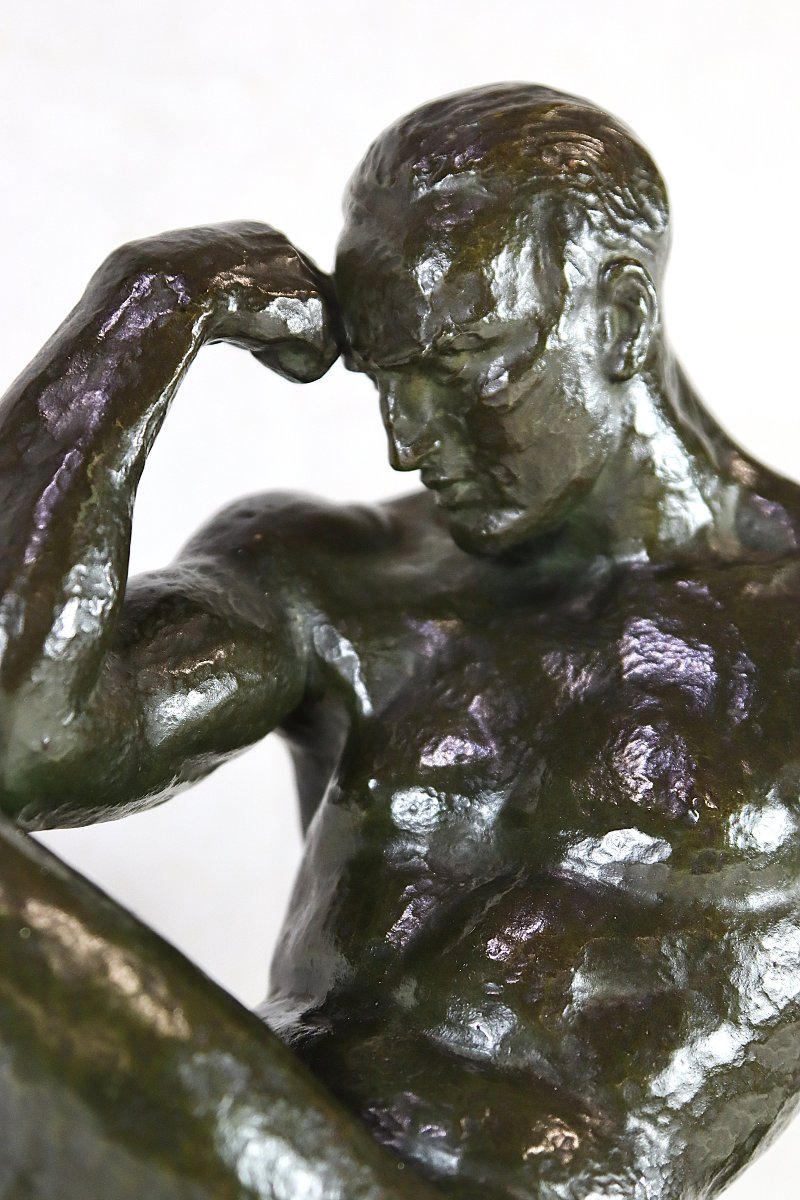
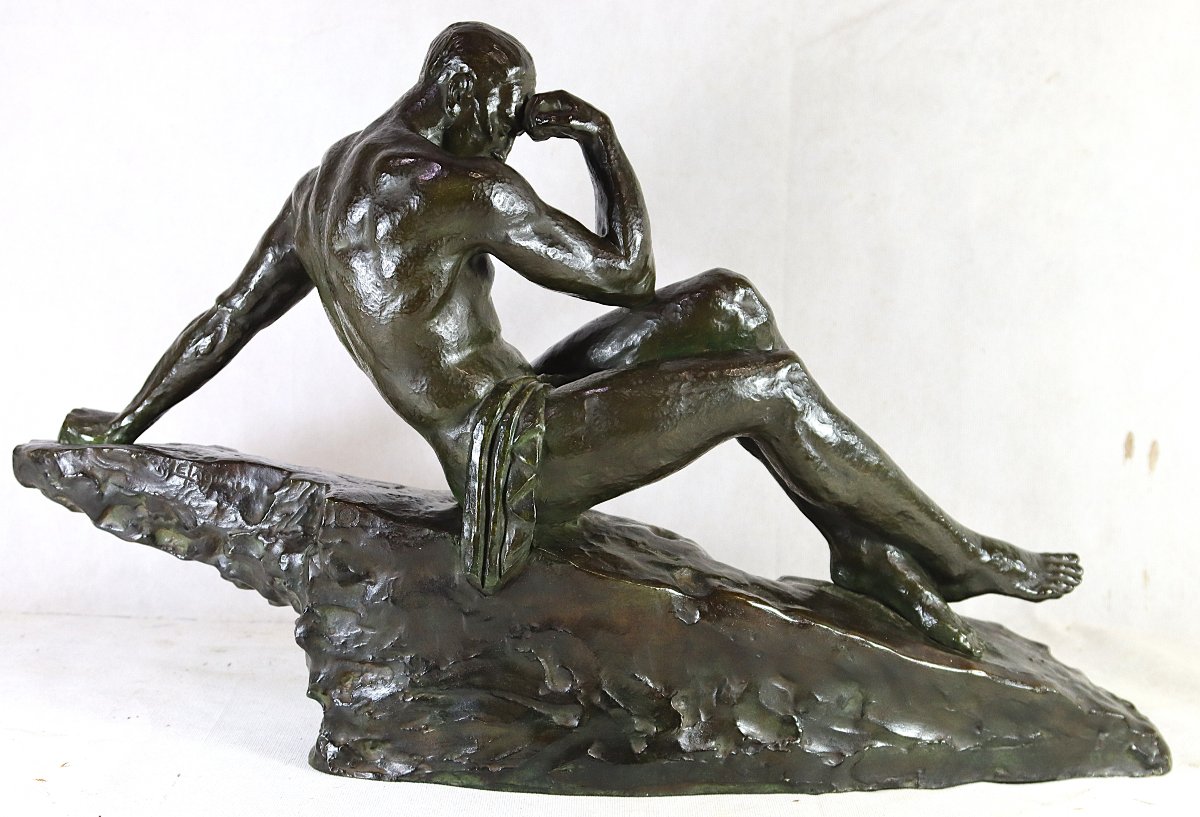
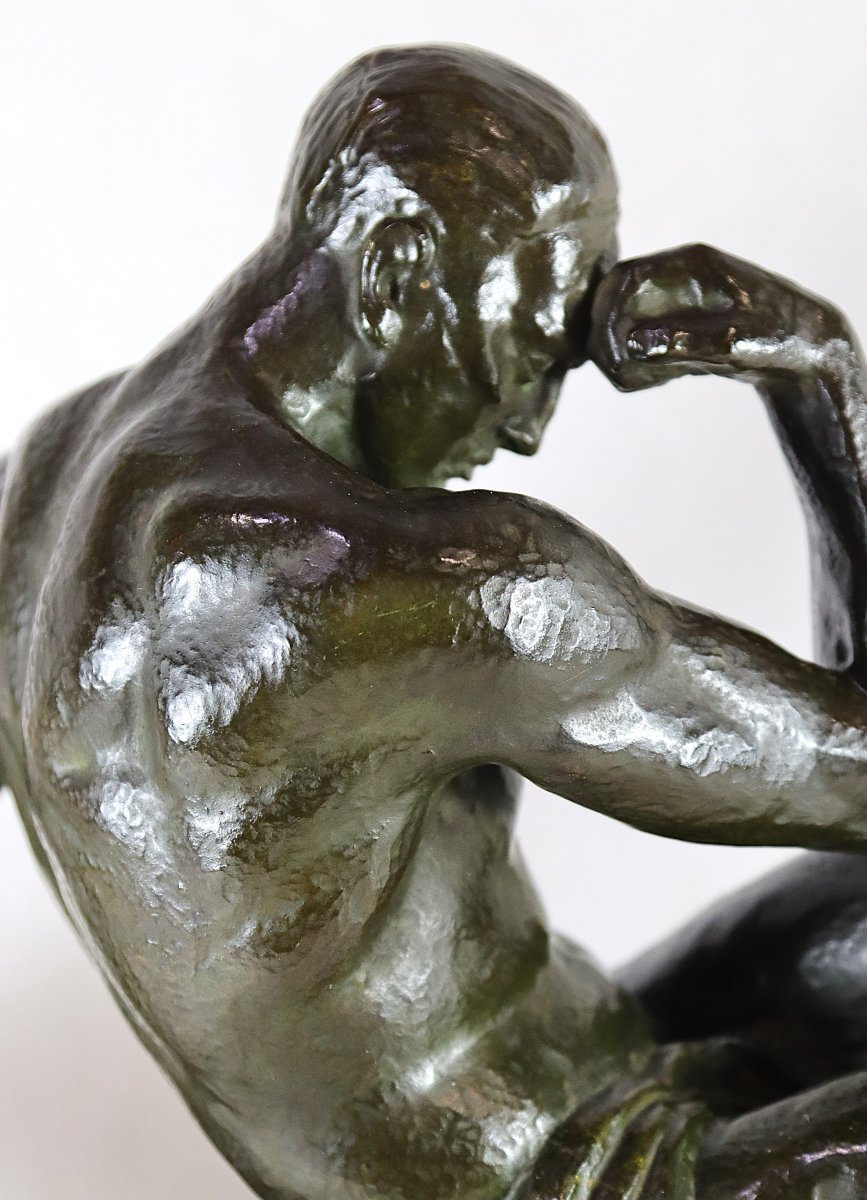
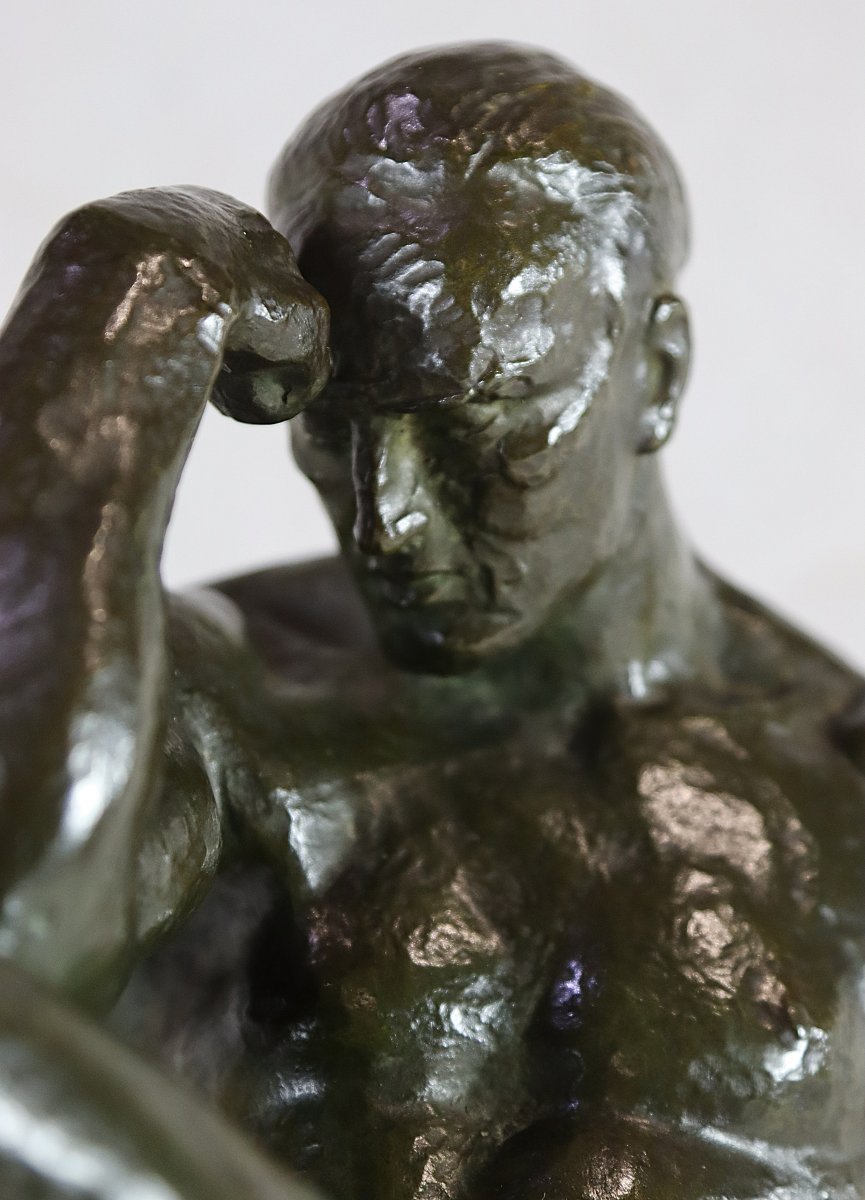
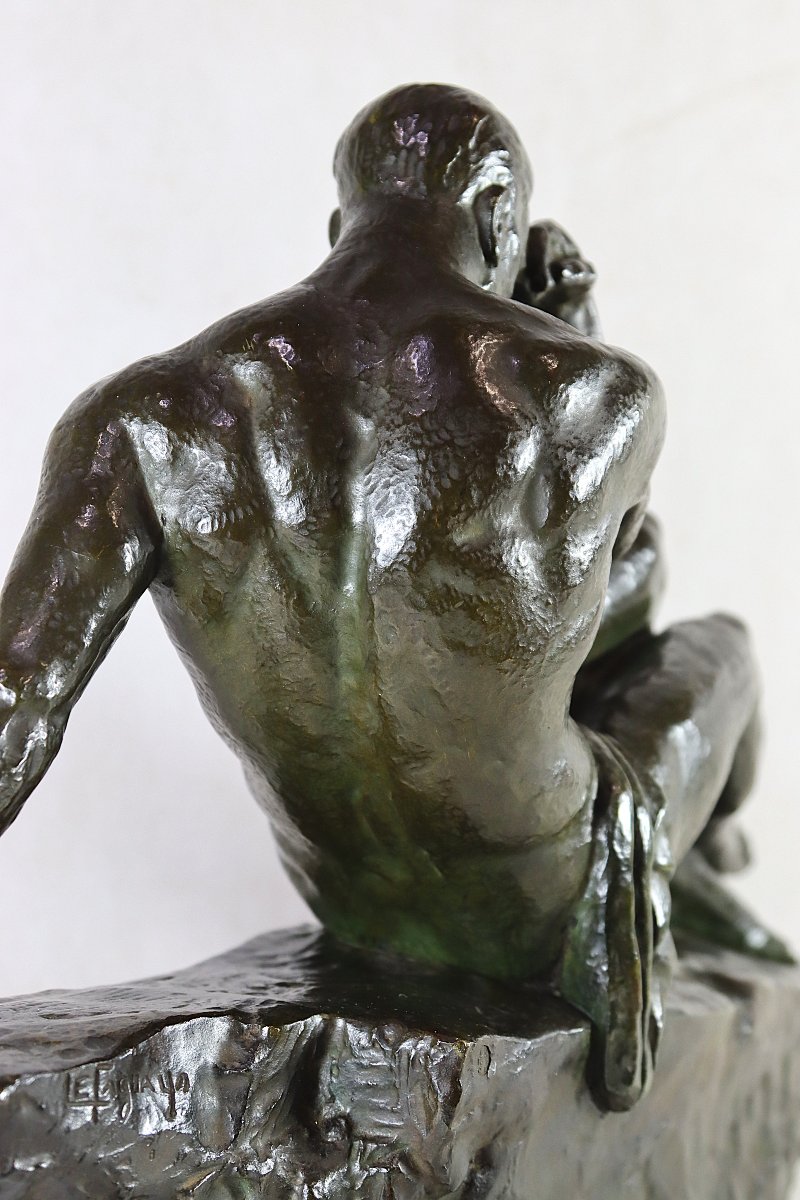
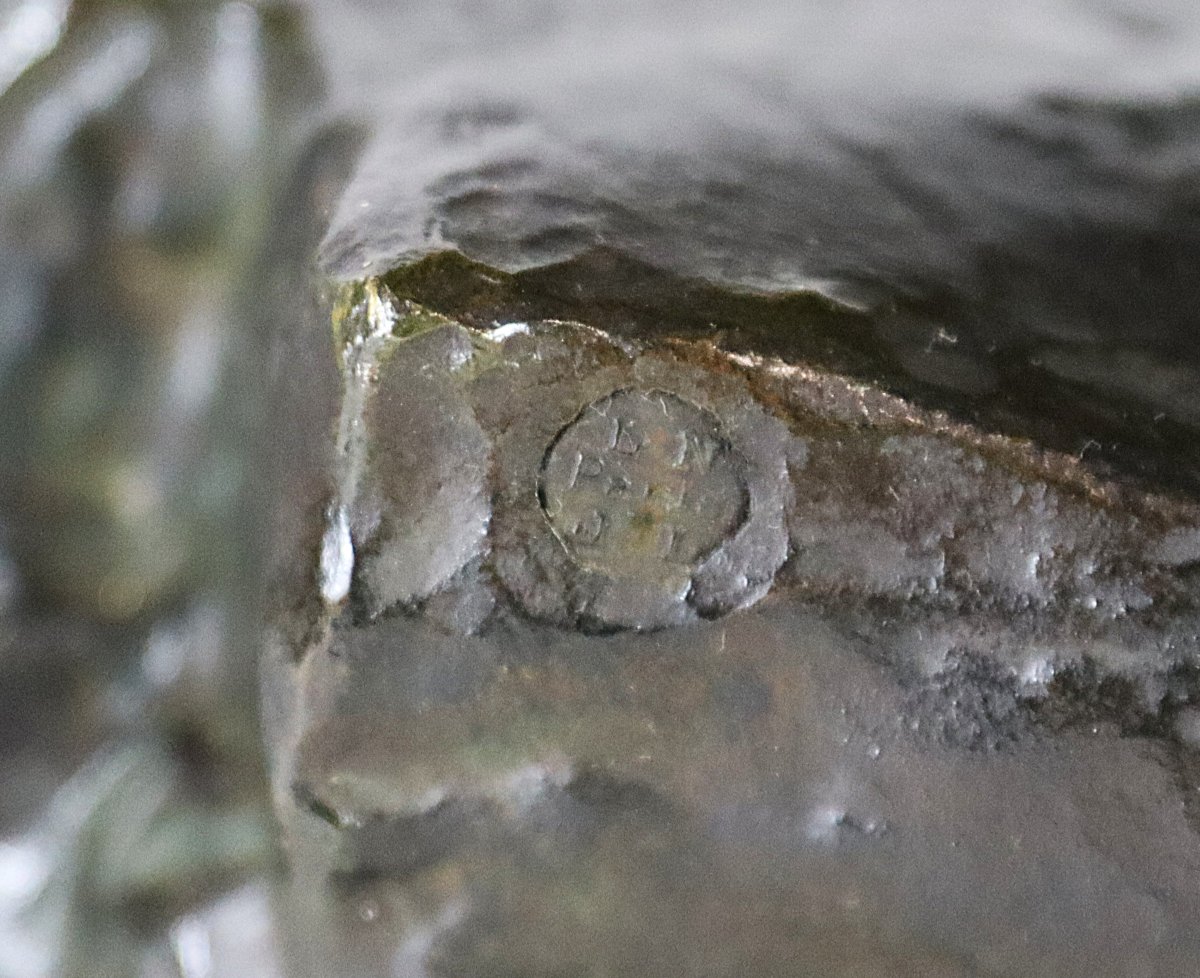
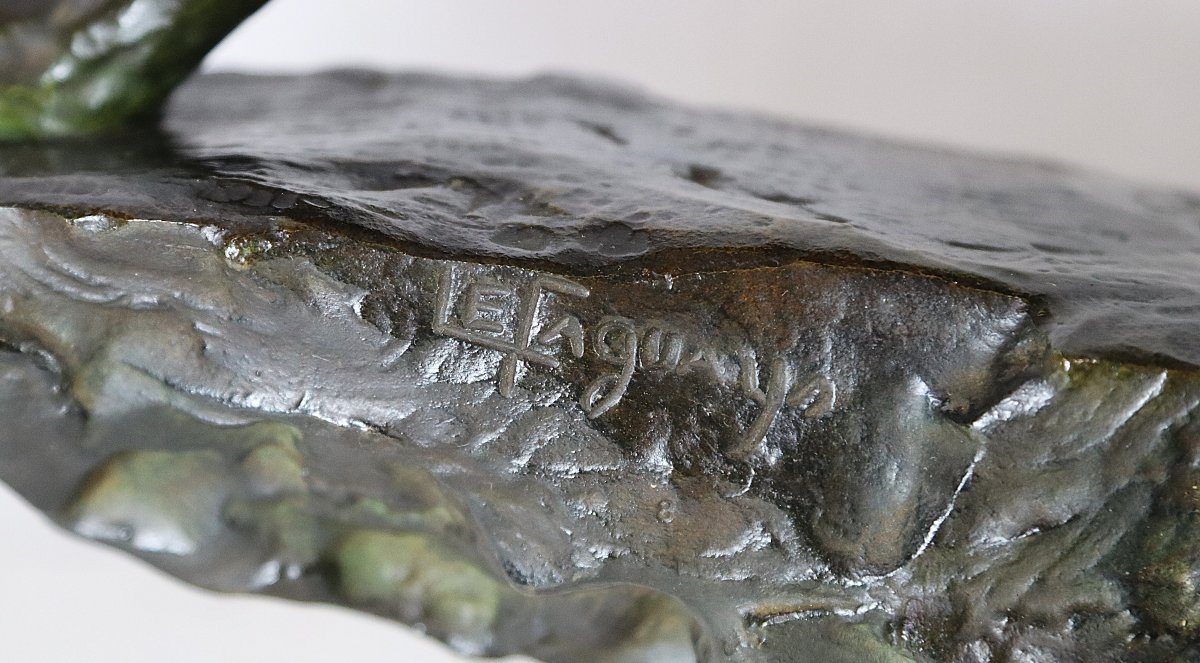
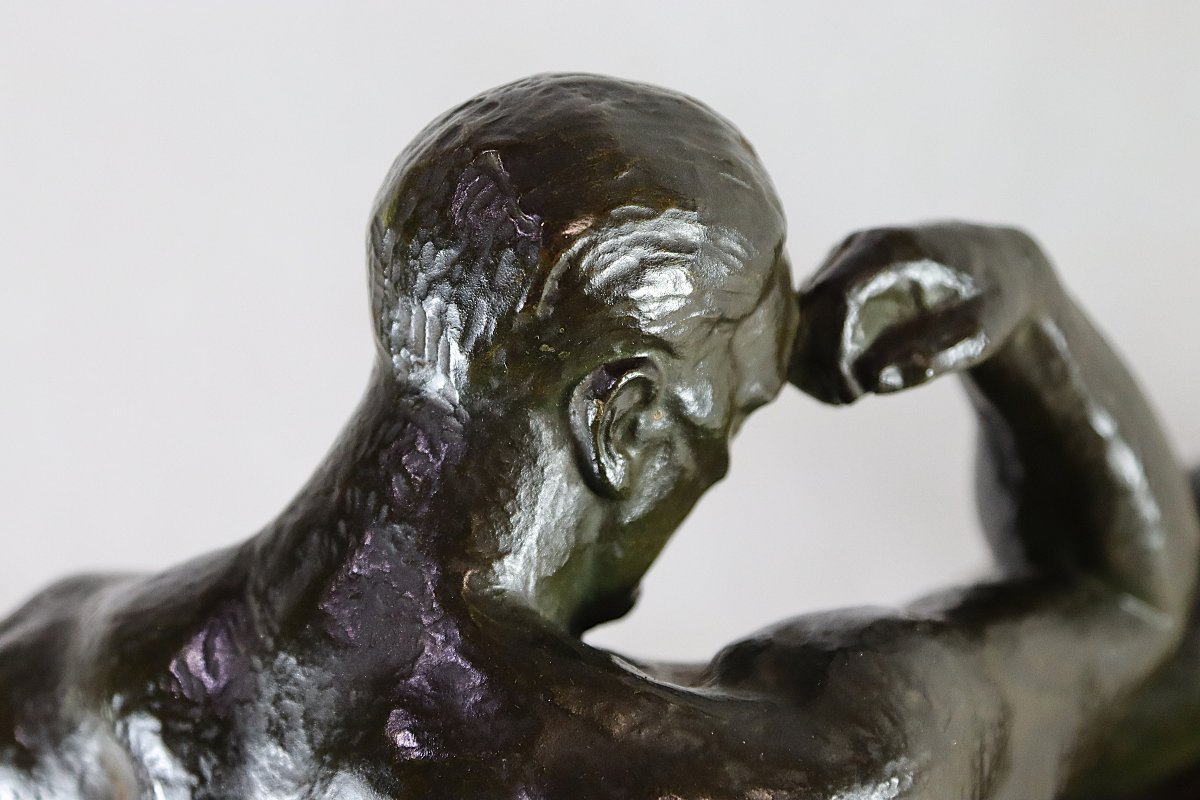
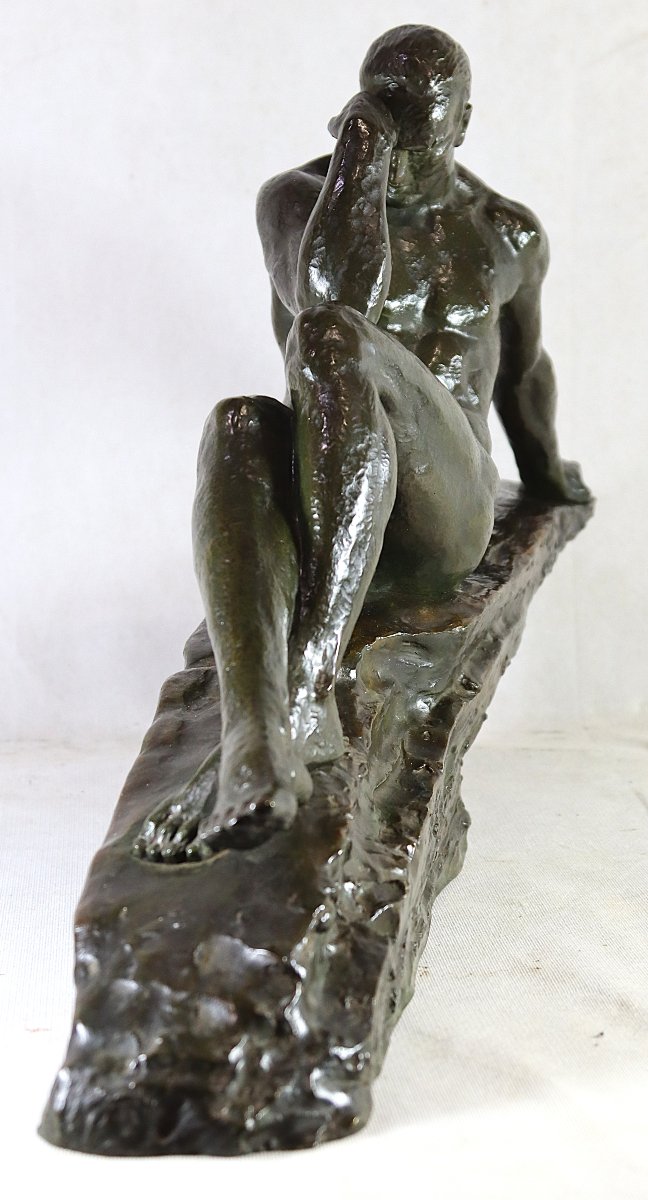


Important bronze sculpture with a lovely brown patina, depicting a nude man on a rock, titled "The Thinker," signed "Le Faguays" and bearing a foundry mark (LN Paris JL) for the nephews of J. Lehmann, a renowned Parisian art foundry. 20th century. Work created in the 1930s. Pierre Le Faguays (1892-1962) was a French sculptor in the Art Deco style. A student of Vibert at the Geneva School of Fine Arts, he worked with various publishers, including Max Le Verrier, his close friend, the Susse foundry, Etling, and the nephews of J. Lehmann, among others. His style is similar to that of Demetre Chiparus. He participated in his first exhibition at the Salon of the Société des Artistes Français in 1922. He received an honorable mention there in 1926 and another, in the Sculpture section, in 1927. He is the creator, in collaboration with Marcel Bouraine, of the group work, "Stèle et évolution" (Stele and Evolution). This also gave him the opportunity to collaborate with the artists Sibyle May and Edouard Cazaux. Highly prolific, his work encompasses materials as varied as marble, stone, terracotta, bronze, ivory, and alabaster. He was particularly inspired by the Tanagra figurines. He most often worked from live models, which explains the dynamism of his decorative objects, often depicting women in motion. Pierre Le Faguays is also well known for his cast iron art creations under various pseudonyms such as Guerbe and Fayral, the surnames of his mother and wife. In Paris, he presented two groups of sculptures in the Goldscheider pavilion at the International Exhibition of Modern Decorative and Industrial Arts in 1925. He also participated as an interior designer, creating two monumental bas-reliefs for the civil aviation hall at the 1937 Paris International Exposition. After the Second World War, he returned to painting in the Place du Tertre in Montmartre.
Explore similar pieces and discover your ideal find:
bronze sculptures