


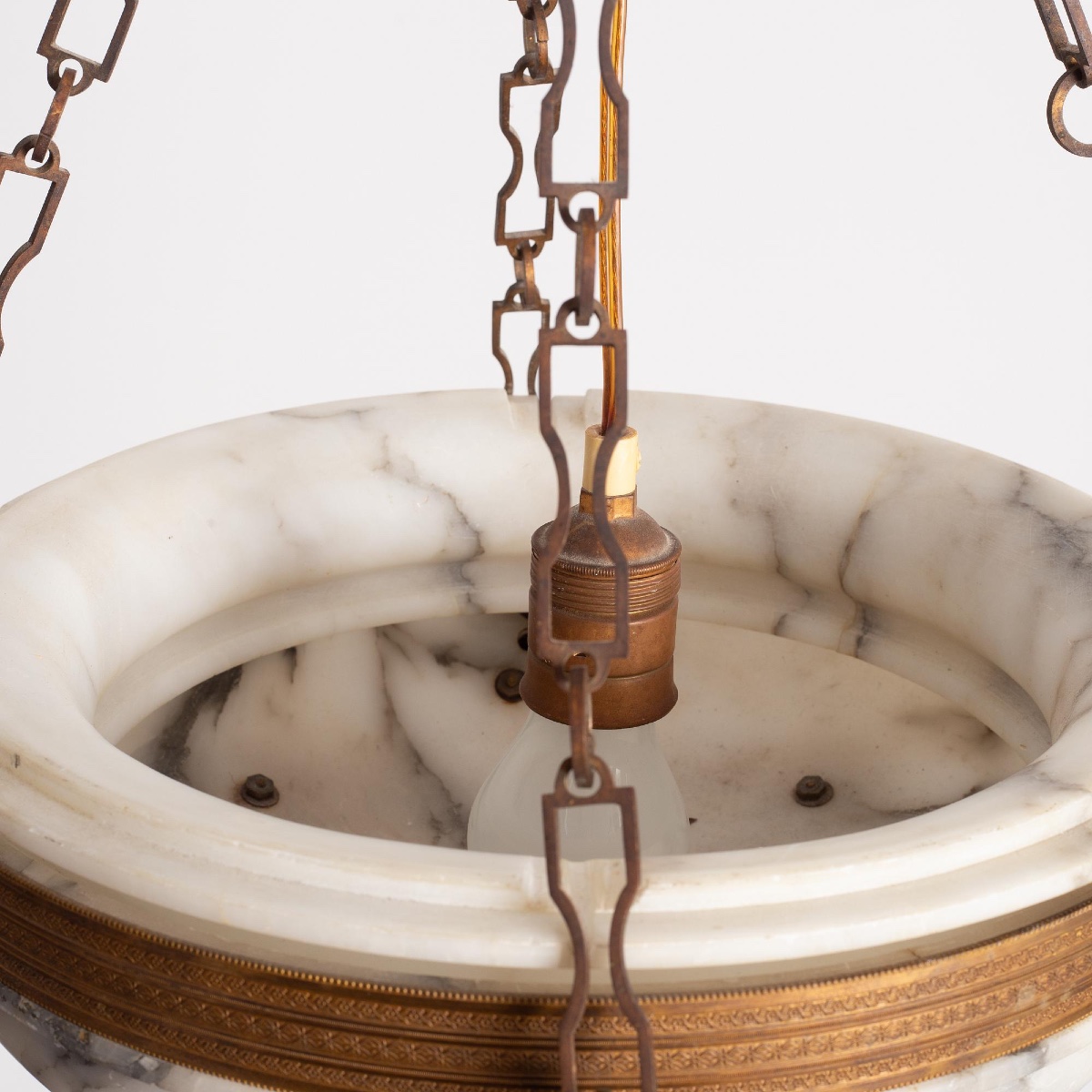


Napoleon III Chandelier With Fauns
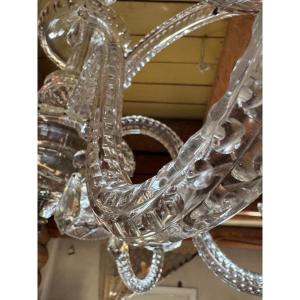
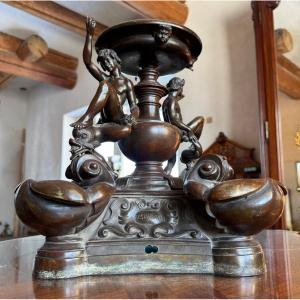
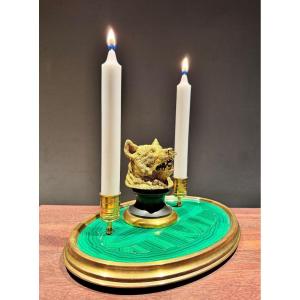
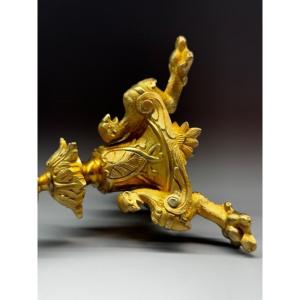
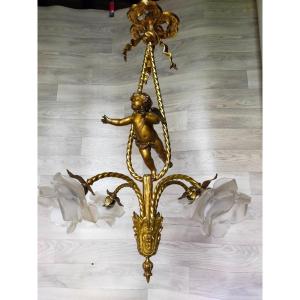
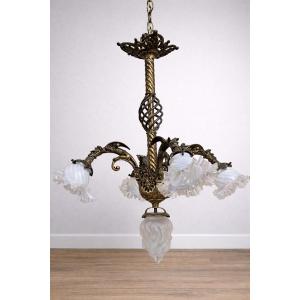
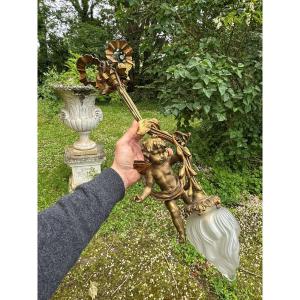
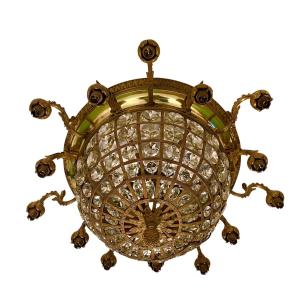
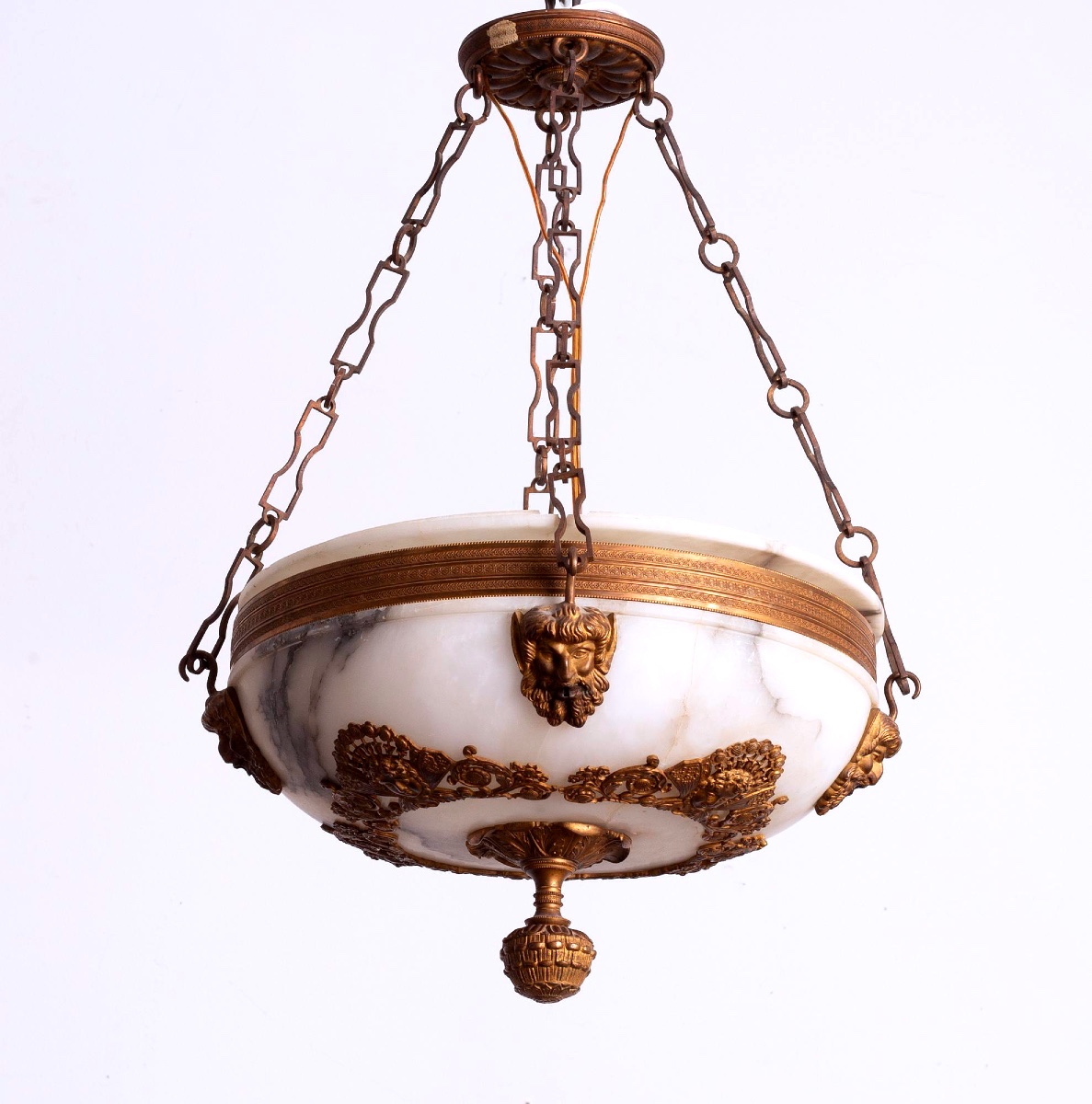
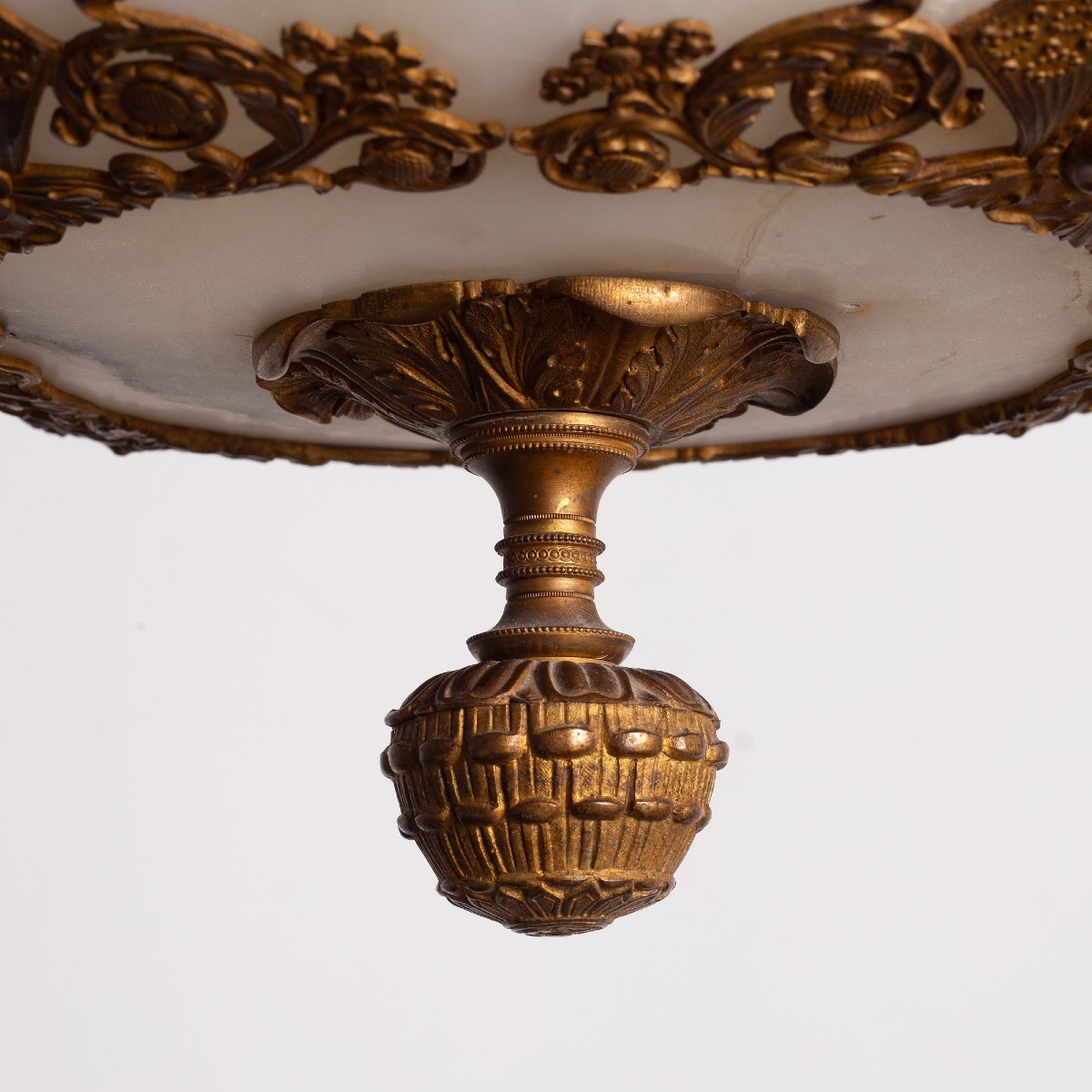
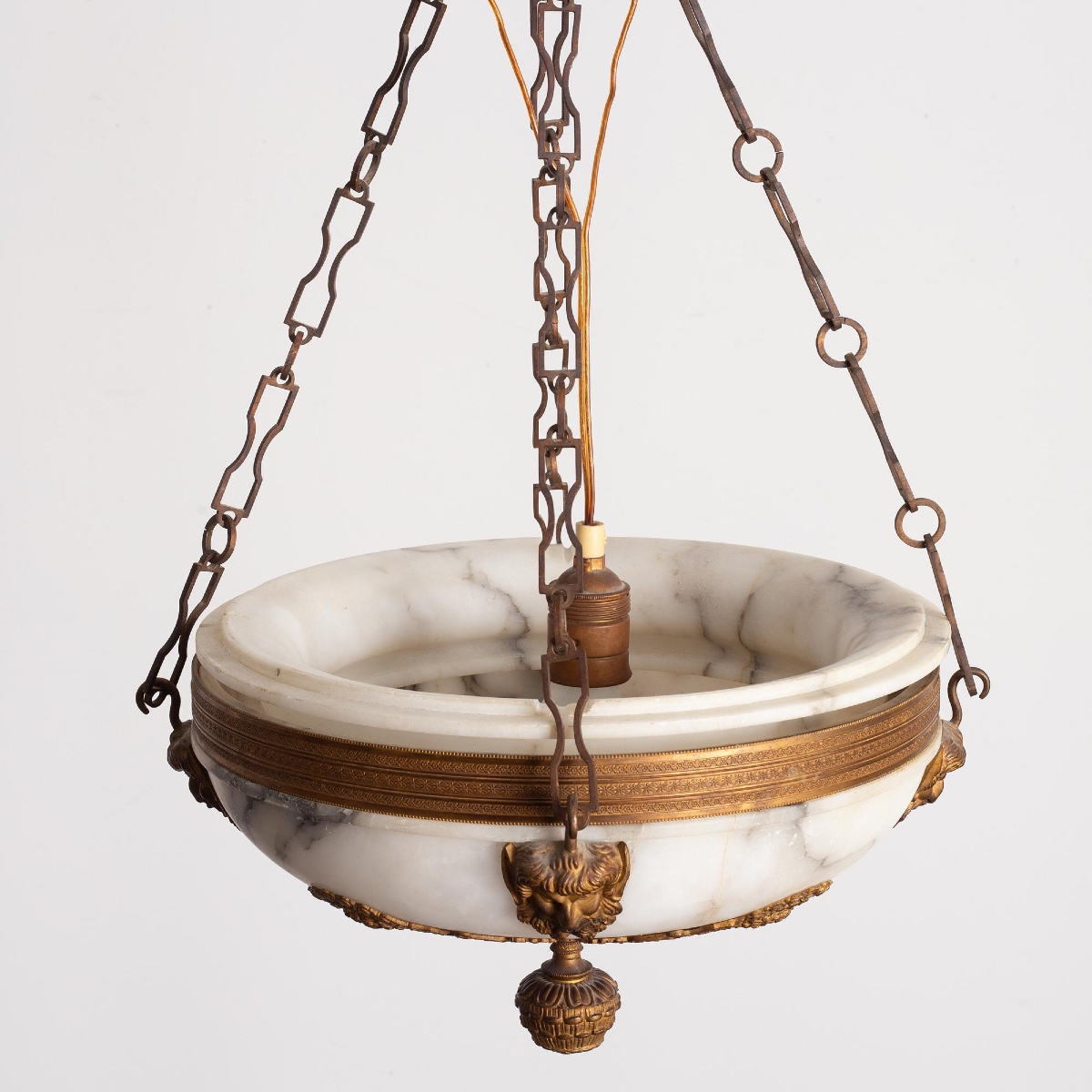
Napoleon III chandelier adorned with fauns and an alabaster lampshade. Decorative bronze elements. Late 19th century. France.
At the end of the 19th century, alabaster occupied a special, almost poetic, place in the decorative arts: a material offering an ideal compromise between luxury and accessibility. At a time when marble remained a symbol of ancient eternity and aristocratic taste, alabaster made it possible to approach its cool nobility without compromising the budget or the artist's vision. Finely ground, light, and malleable, alabaster became the material of choice for illusion. Mixed with glues, casein, and sometimes wax or oils, it formed a dense and "living" mass. Its surface was carefully polished until it captured the light with a soft, diffused glow, not shimmering like real marble, but more intimate, as if patinated by time. Then came the work of the decorative artist: transparent glazes, veins and imperceptible smoky streaks, created from ochres, umbers and green earths. Thus was born the imitation: not a crude deception, but a true artistic harmony.
At the end of the 19th century, alabaster occupied a special, almost poetic, place in the decorative arts: a material offering an ideal compromise between luxury and accessibility. At a time when marble remained a symbol of ancient eternity and aristocratic taste, alabaster made it possible to approach its cool nobility without compromising the budget or the artist's vision. Finely ground, light, and malleable, alabaster became the material of choice for illusion. Mixed with glues, casein, and sometimes wax or oils, it formed a dense and "living" mass. Its surface was carefully polished until it captured the light with a soft, diffused glow, not shimmering like real marble, but more intimate, as if patinated by time. Then came the work of the decorative artist: transparent glazes, veins and imperceptible smoky streaks, created from ochres, umbers and green earths. Thus was born the imitation: not a crude deception, but a true artistic harmony.
1 100 €
Period: 19th century
Style: Napoleon 3rd
Condition: Good condition
Material: Alabaster
Diameter: 40cm
Reference (ID): 1671733
Availability: In stock
Print