





Venetian School Of The Late 16th Century, Portrait Of A Gentleman
Venetian School of the late 16th century
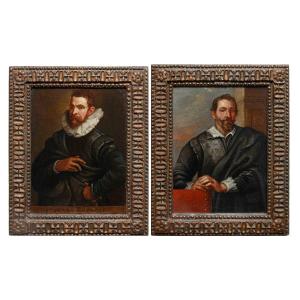
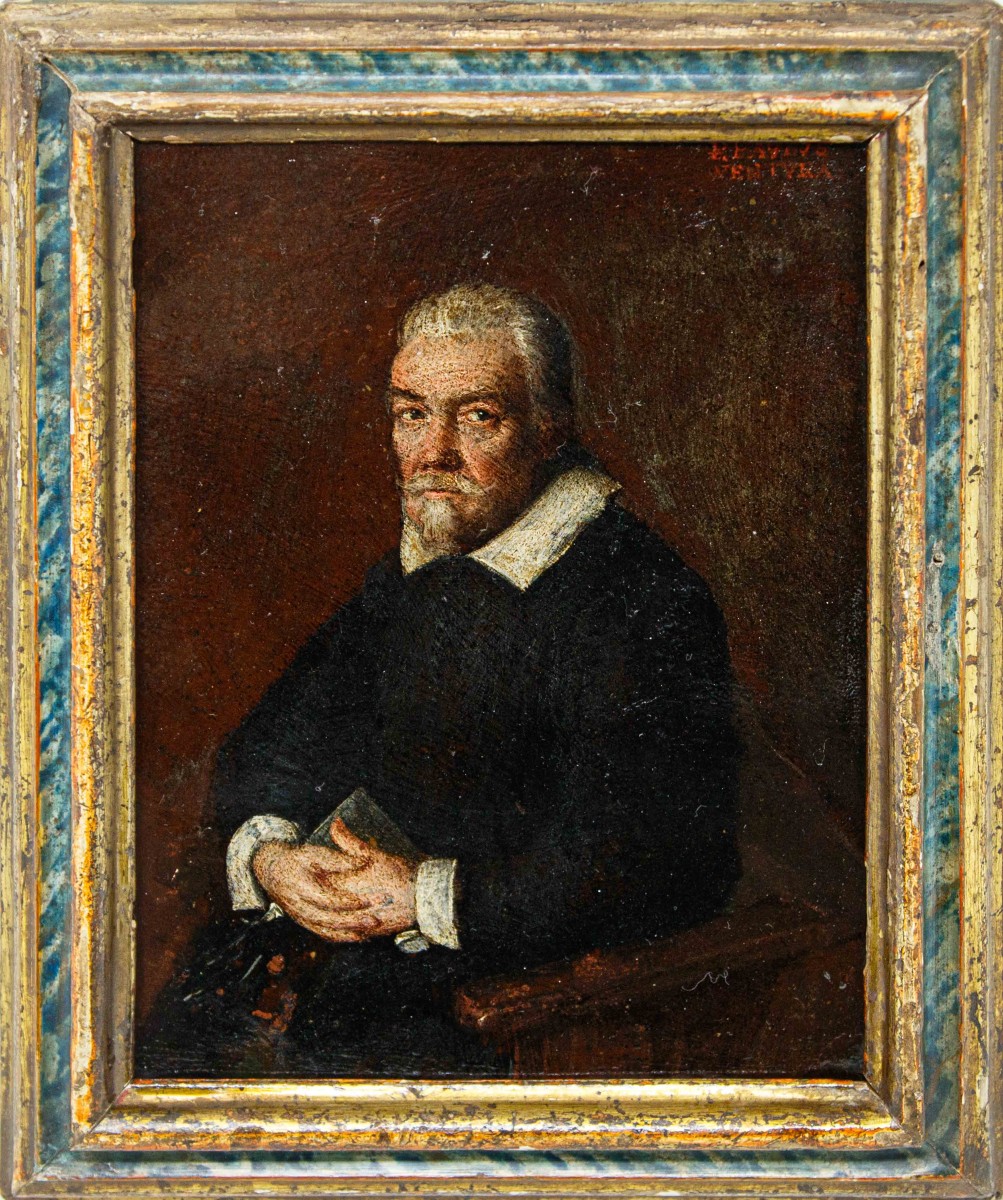
Portrait of a gentleman
Oil on copper, cm 18 x 14.5
With frame cm 22 x 18
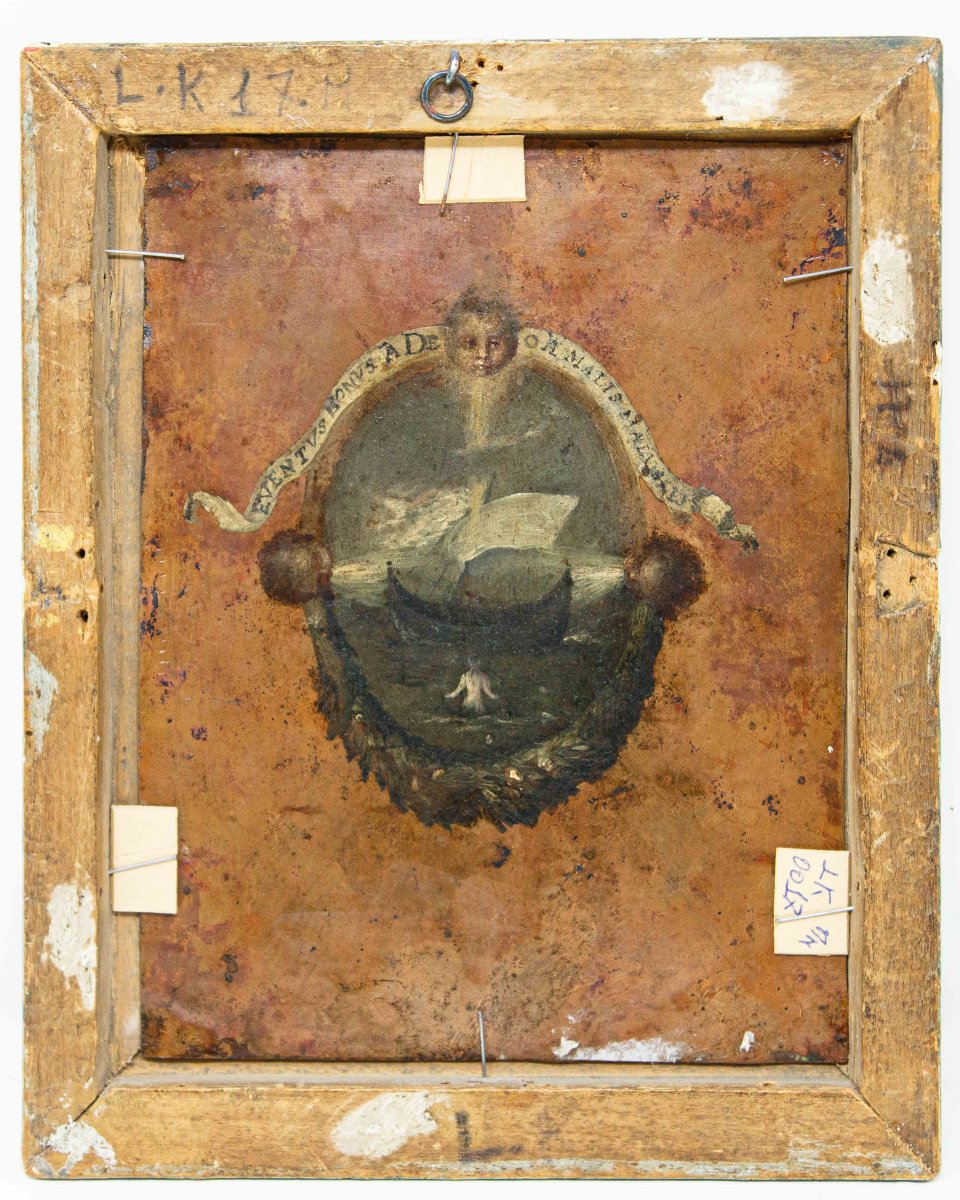
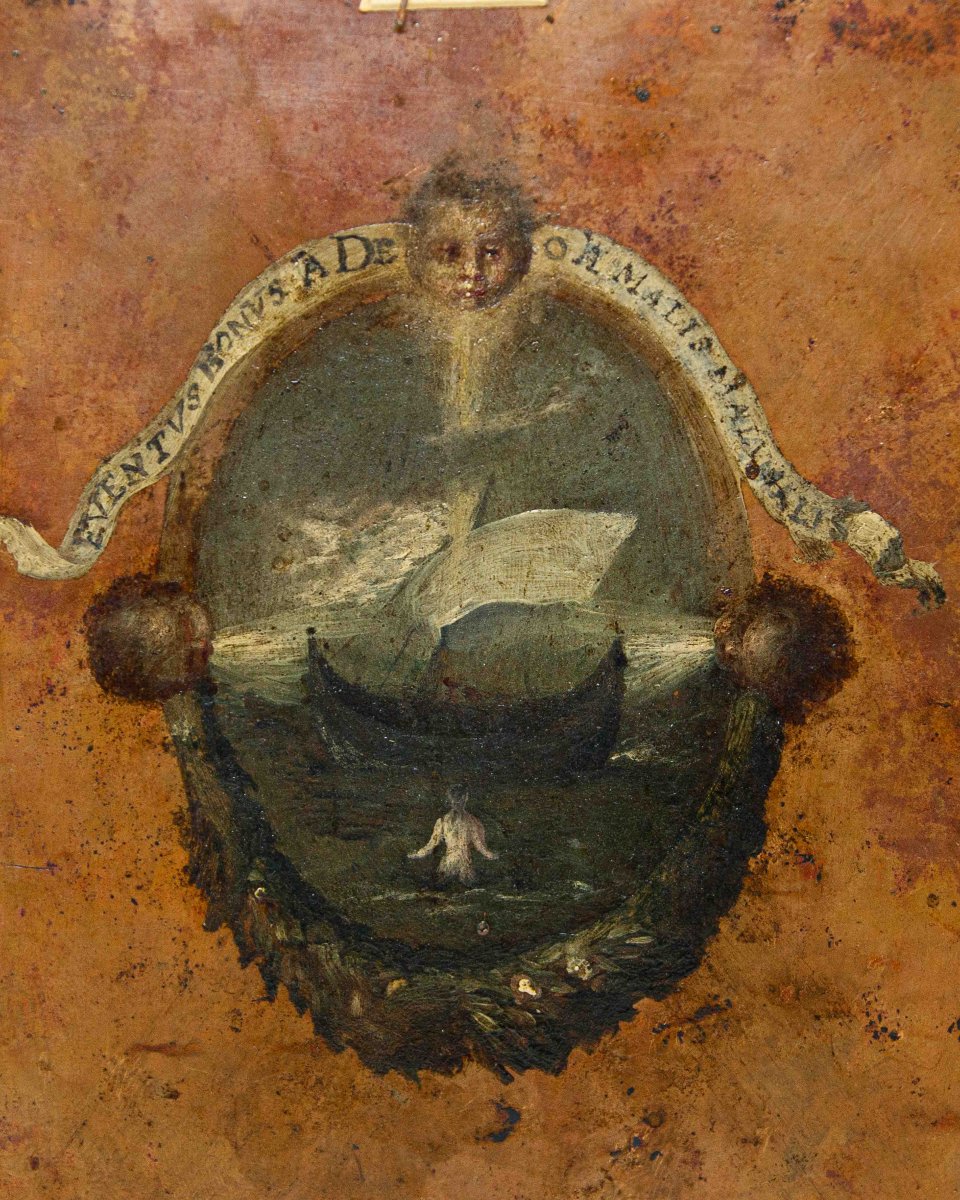
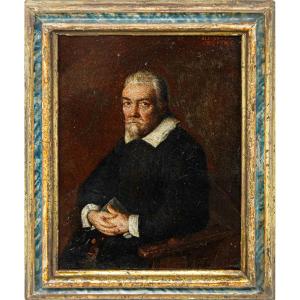
The Dal Ponte family, nicknamed Bassano, were a family of painters from Bassano del Grappa, active in Veneto between the late fifteenth and early seventeenth centuries. They descended from Jacopo di Berto, a tanner originally from Gallio who moved to Bassano in 1464 in the Ponte district (hence the surname). His son Francesco the Elder –born between 1470 and 1473 and died in 1539– was the first to practice, albeit modestly, the art of painting. He is credited with opening the industrious family workshop, where numerous artists worked on the creation of canvases, banners, and frescoes for churches and palaces, as well as everyday objects (so-called "applied art") commissioned by the emerging Venetian bourgeoisie. It was in this environment that his three sons were born, Giambattista (news until 1549)[2], Gianfrancesco and Iacopo (ca. 1510-1592), who can be considered, without a shadow of a doubt, the most authoritative representative of the family. Of Iacopo's sons we remember Francesco the Younger (1549-1592), Giambattista (1553-1613) and Leandro (1557-1622): it was the latter who specialized in the portrait genre, becoming particularly popular among noble and bourgeois patrons of the second half of the sixteenth century and the first two decades of the seventeenth century: although his style is strongly based on his father's last manner, Especially as a portraitist, he showed a certain influence on the work of Jacopo Robusti, known as Il Tintoretto, with a predilection for marked contour lines, distancing himself from his father's taste for brilliant color in his workshop. Among his most famous works in this genre are the Self-Portrait in the Uffizi Galleries and the Portrait of a Man in the Galleries of the Academy. It is precisely to this last work that the author of this beautiful copper seems to look directly: the man, a certain Giovanni Paolo Ventura –the identity of the sitter is made known to us through an inscription on the upper right margin of the painting – who wears elegant but extremely rigorous clothes, directs an intense and penetrating gaze at the viewer, conveying a sense of authority. On the back of the plate are depicted a sailing ship and a figure who, by swimming, probably saves himself from a shipwreck: the image is accompanied by a motto in Latin that could be translated in these terms: “Salvation comes from God, evils come, instead, from the Evil One”. The work could probably therefore constitute a votive offering made by a beneficiary, one Paolo Ventura, who appears in the portrait, following a shipwreck from which he was saved by divine grace.
Portrait of a gentleman
Oil on copper, cm 18 x 14.5
With frame cm 22 x 18
The Dal Ponte family, nicknamed Bassano, were a family of painters from Bassano del Grappa, active in Veneto between the late fifteenth and early seventeenth centuries. They descended from Jacopo di Berto, a tanner originally from Gallio who moved to Bassano in 1464 in the Ponte district (hence the surname). His son Francesco the Elder –born between 1470 and 1473 and died in 1539– was the first to practice, albeit modestly, the art of painting. He is credited with opening the industrious family workshop, where numerous artists worked on the creation of canvases, banners, and frescoes for churches and palaces, as well as everyday objects (so-called "applied art") commissioned by the emerging Venetian bourgeoisie. It was in this environment that his three sons were born, Giambattista (news until 1549)[2], Gianfrancesco and Iacopo (ca. 1510-1592), who can be considered, without a shadow of a doubt, the most authoritative representative of the family. Of Iacopo's sons we remember Francesco the Younger (1549-1592), Giambattista (1553-1613) and Leandro (1557-1622): it was the latter who specialized in the portrait genre, becoming particularly popular among noble and bourgeois patrons of the second half of the sixteenth century and the first two decades of the seventeenth century: although his style is strongly based on his father's last manner, Especially as a portraitist, he showed a certain influence on the work of Jacopo Robusti, known as Il Tintoretto, with a predilection for marked contour lines, distancing himself from his father's taste for brilliant color in his workshop. Among his most famous works in this genre are the Self-Portrait in the Uffizi Galleries and the Portrait of a Man in the Galleries of the Academy. It is precisely to this last work that the author of this beautiful copper seems to look directly: the man, a certain Giovanni Paolo Ventura –the identity of the sitter is made known to us through an inscription on the upper right margin of the painting – who wears elegant but extremely rigorous clothes, directs an intense and penetrating gaze at the viewer, conveying a sense of authority. On the back of the plate are depicted a sailing ship and a figure who, by swimming, probably saves himself from a shipwreck: the image is accompanied by a motto in Latin that could be translated in these terms: “Salvation comes from God, evils come, instead, from the Evil One”. The work could probably therefore constitute a votive offering made by a beneficiary, one Paolo Ventura, who appears in the portrait, following a shipwreck from which he was saved by divine grace.
2 800 €
Period: 16th century
Style: Other Style
Condition: Good condition
Material: Oil painting on copper
Width: 14,5
Height: 18
Reference (ID): 1668440
Availability: In stock
Print