THIS OBJECT WAS SOLD
Antoine-louis Barye – Bronze – The Stag
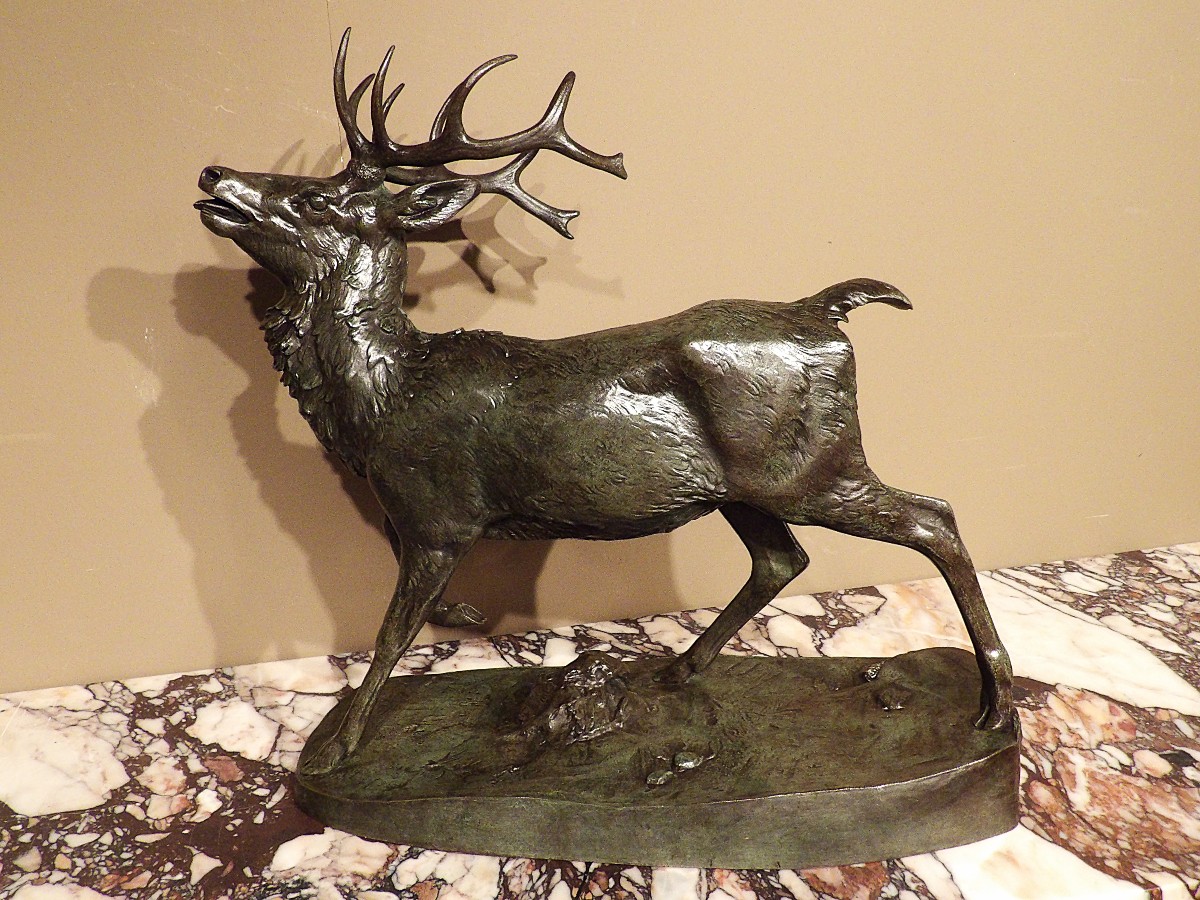
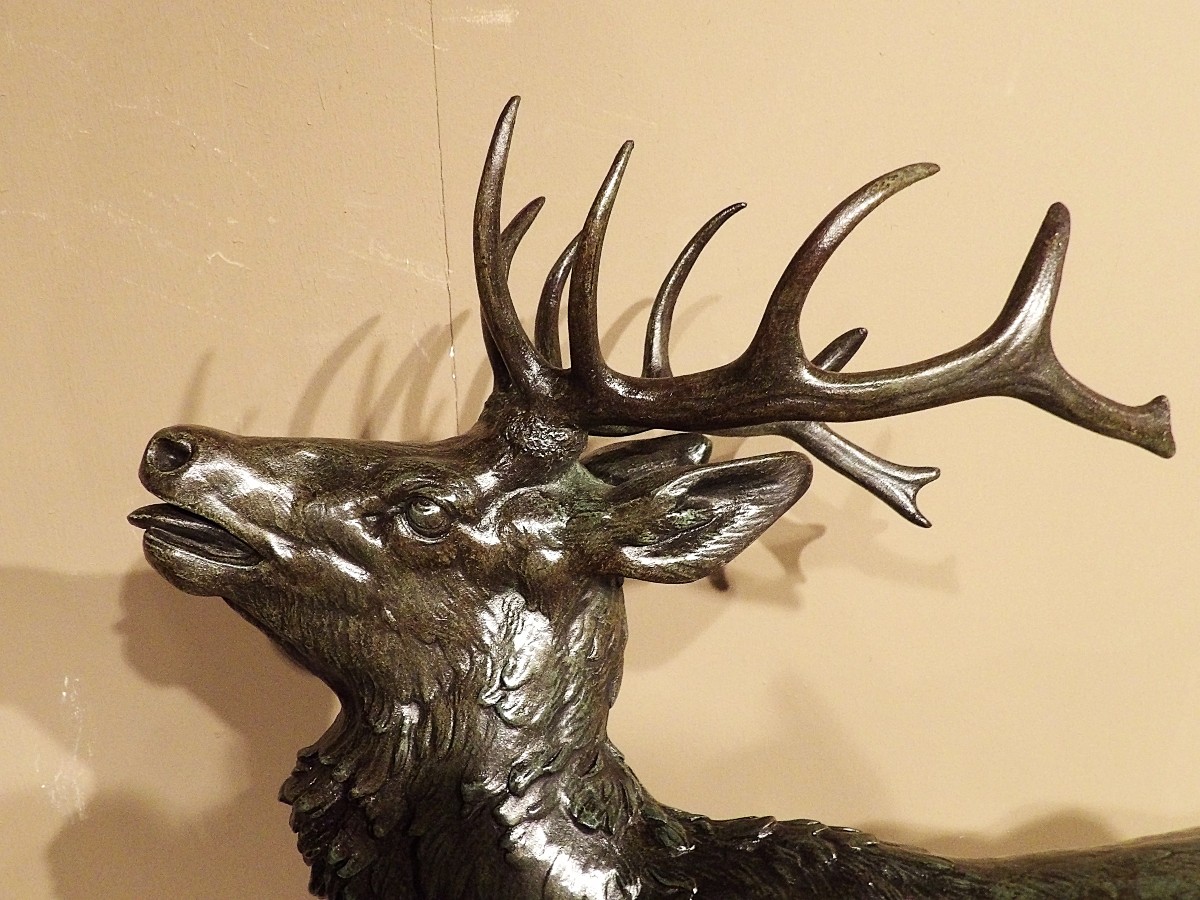

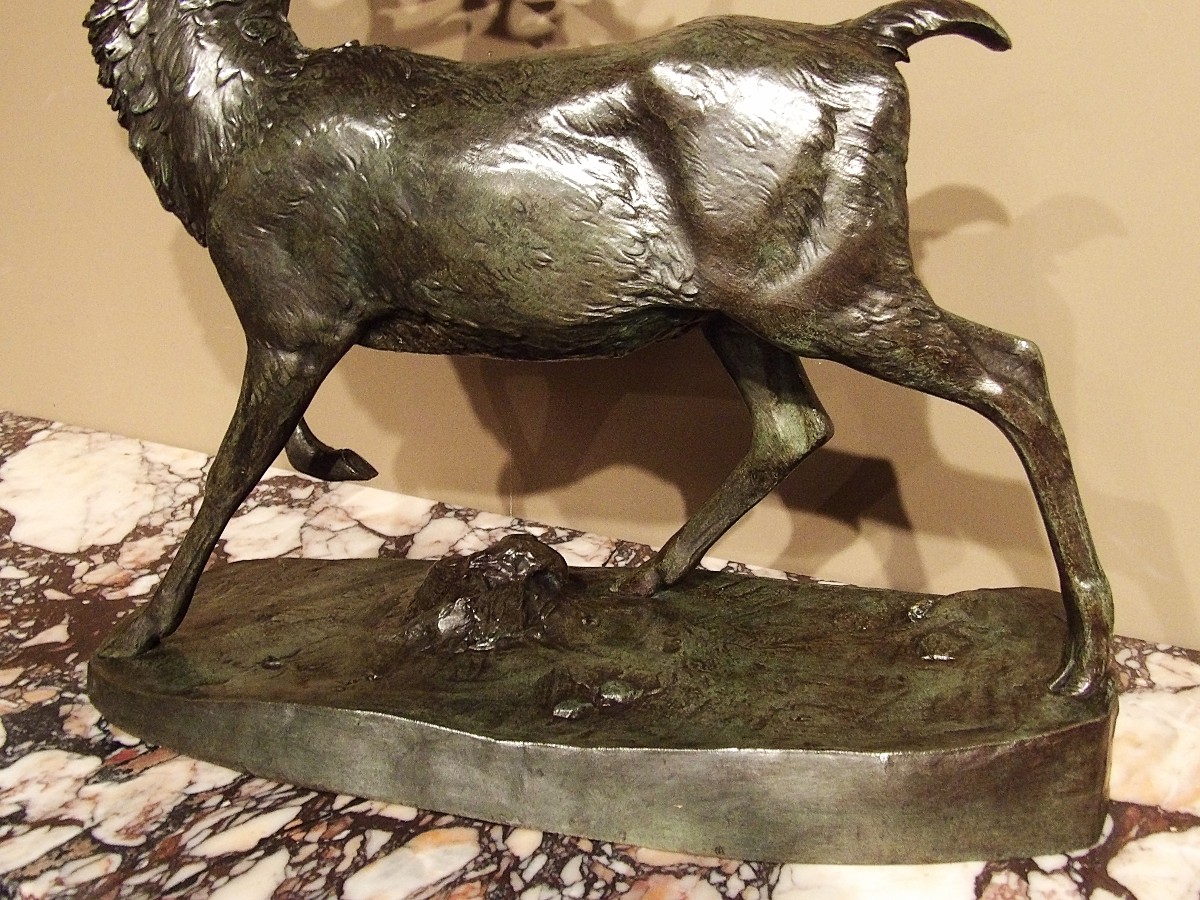


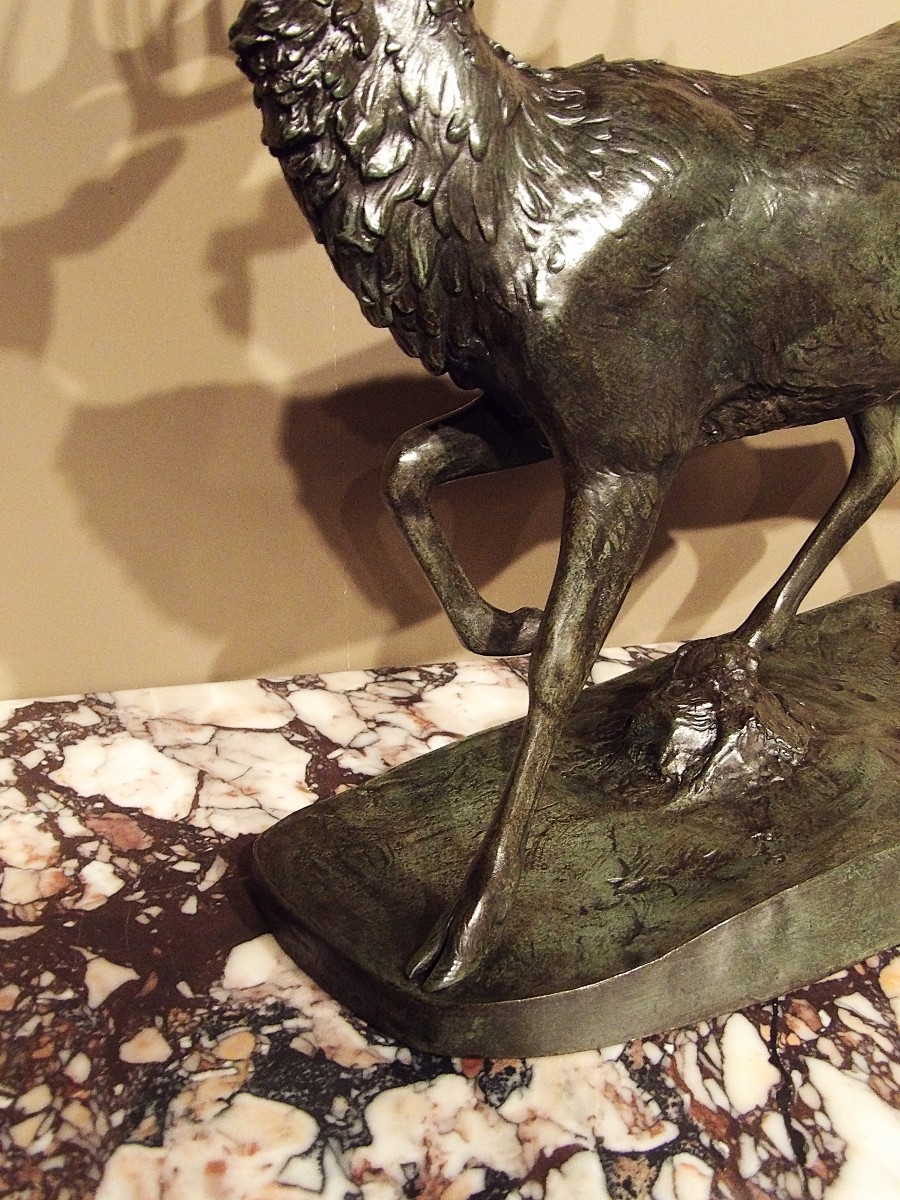
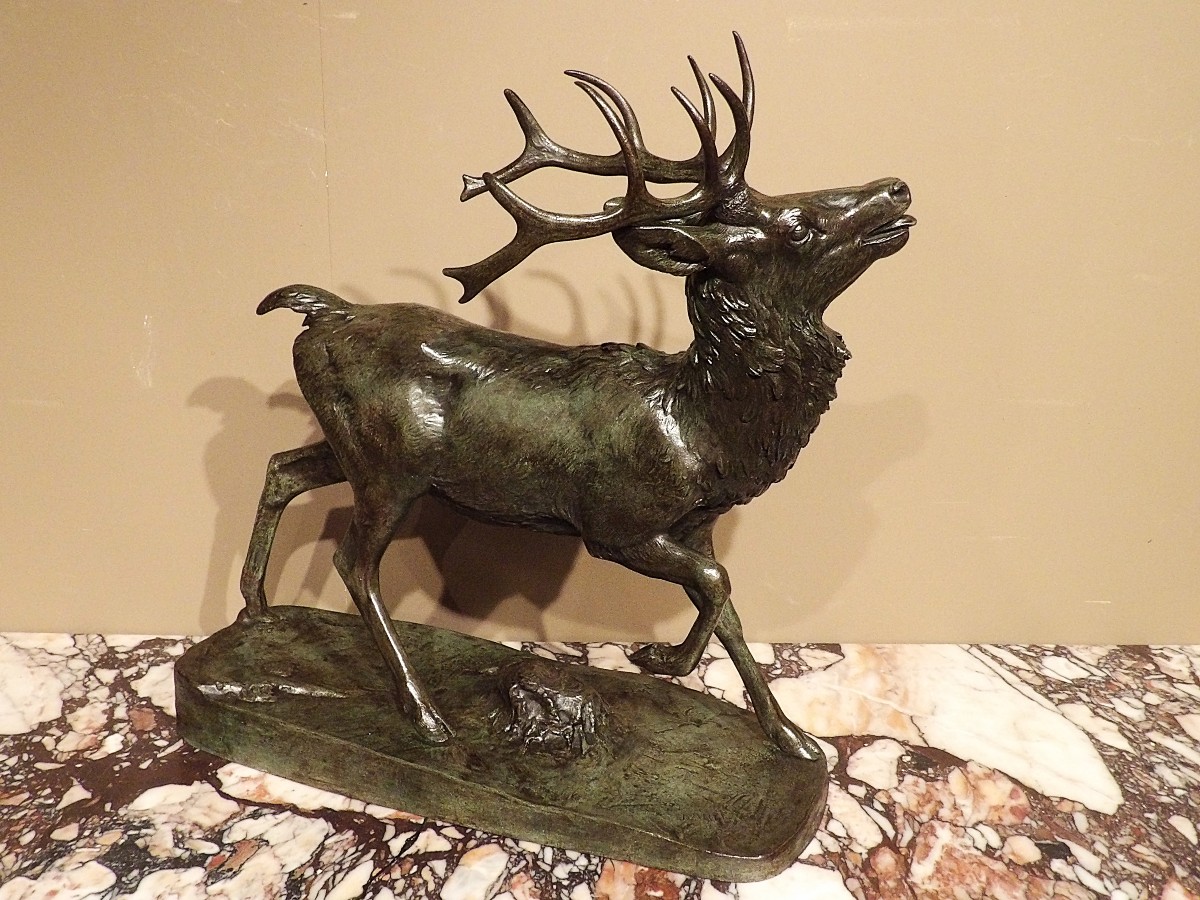
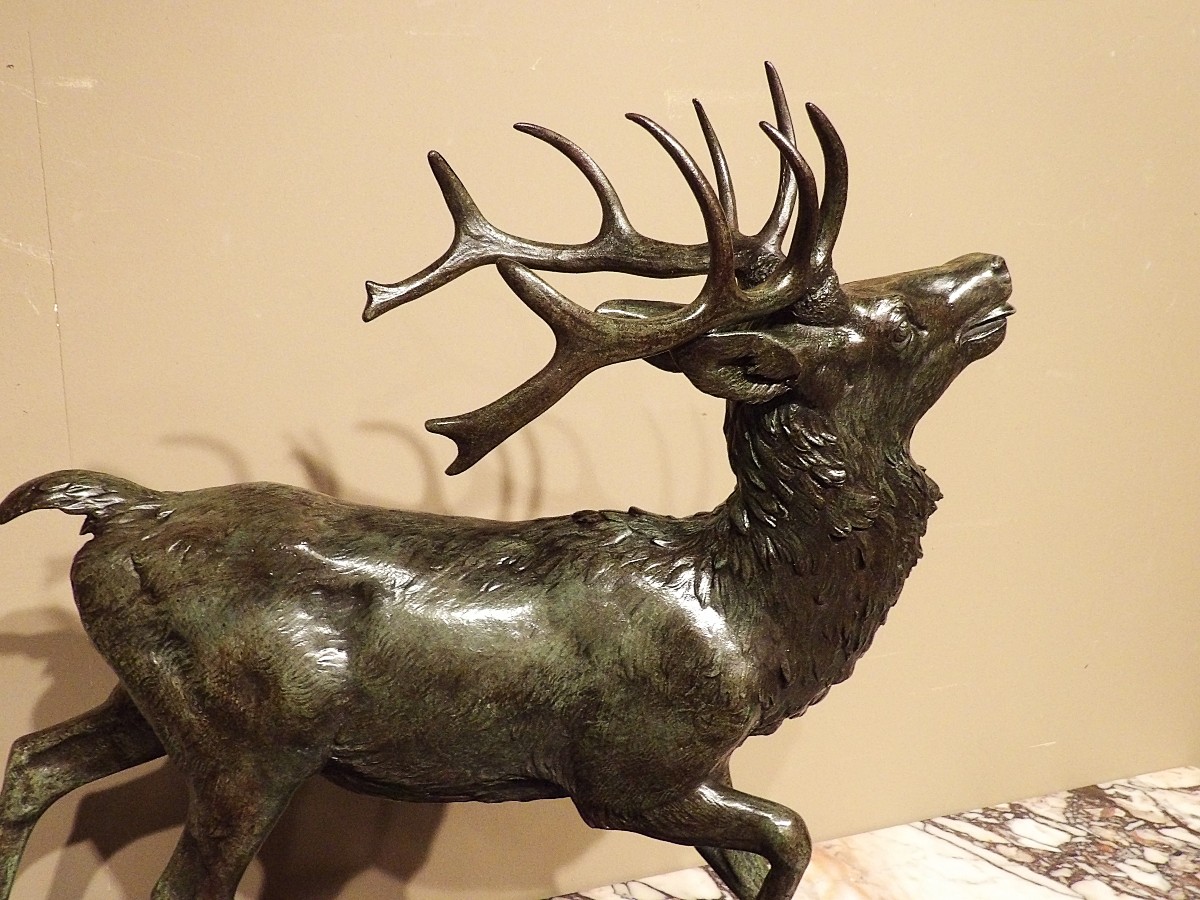
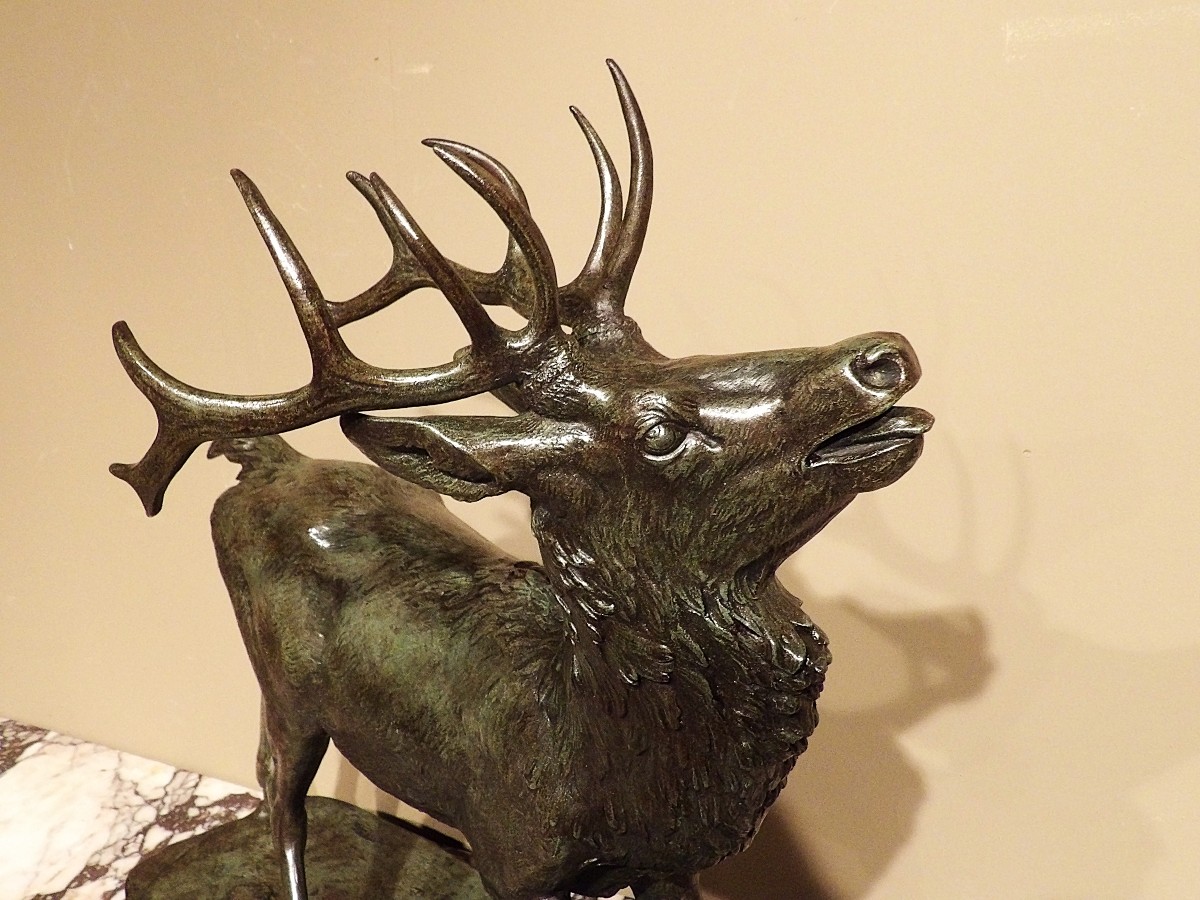

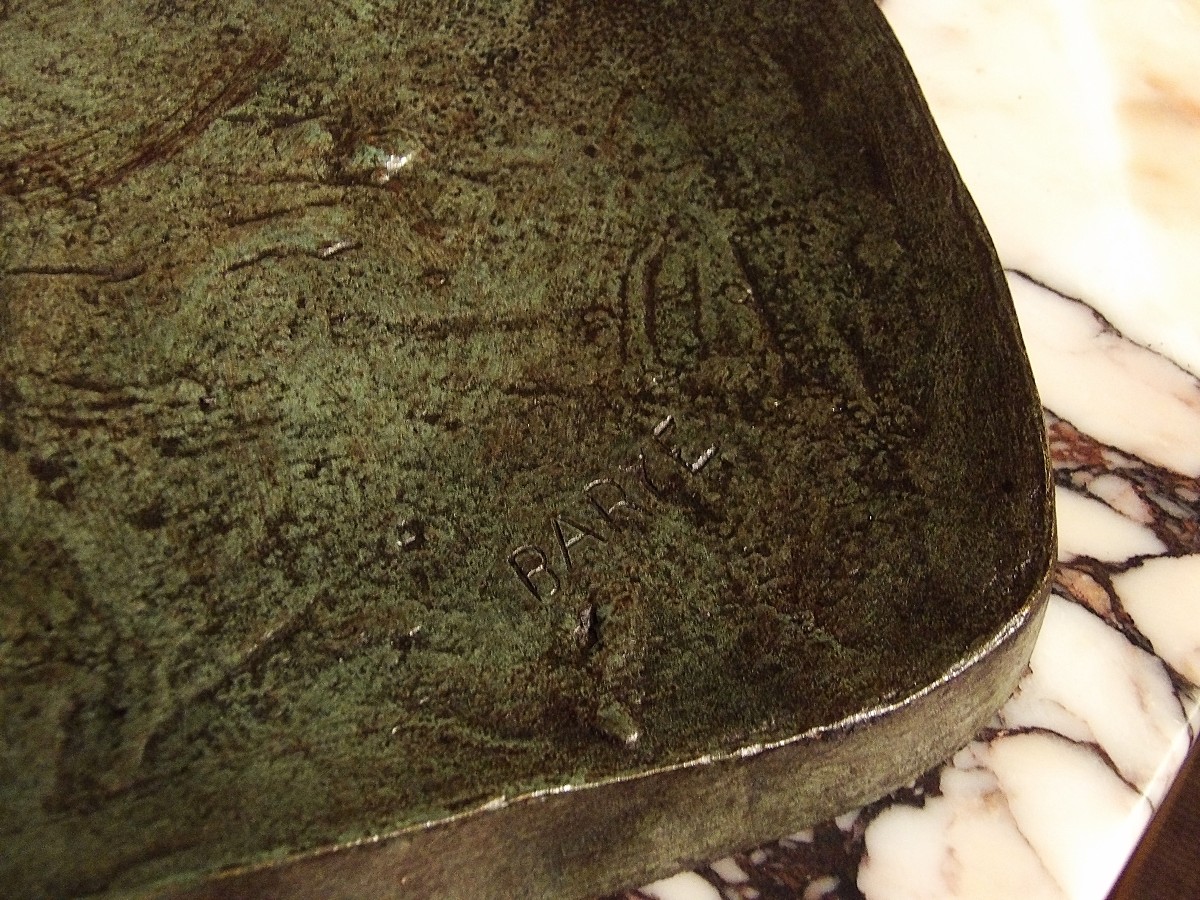
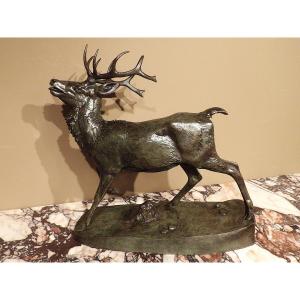


Magnificent bronze sculpture of a stag.
The sculpture is strikingly realistic, and the finish demonstrates meticulous attention to detail.
Antoine-Louis Barye (1795-1875) was a French sculptor and painter, considered one of the masters of Romanticism and the greatest animal sculptor of the 19th century. Born and died in Paris, he spent his entire life in the capital.
From a modest background of goldsmiths, he learned metalwork at a very young age and became a particularly skilled engraver. He continued his artistic training in the workshops of Bosio (sculpture) and Gros (painting), then at the École des Beaux-Arts. It was during this period that he created his first animal sculpture, a reclining stag, based on his observations at the menagerie of the Muséum d'Histoire Naturelle, which he frequented assiduously.
From 1819 onward, he participated in official competitions, where he distinguished himself with an already naturalistic style. In 1820, he won the second prize in the Prix de Rome competition. His public career took off at the 1831 Salon, where his Tiger Devouring a Gharial made a strong impression on critics with its expressiveness and realism.
Barye continued his naturalist explorations at subsequent Salons, developing a sculpture based on observation and anatomical accuracy. In 1837, disagreeing with the prevailing academic style, he established his own foundry to produce his works in bronze.
Despite holding republican views, he received the support of the Duke of Orléans and later Napoleon III, for whom he created several major decorative ensembles for the new Louvre, including Napoleon Surrounded by History and Fine Arts, as well as various allegorical groups.
In the 1850s, he frequented Barbizon and produced numerous paintings and watercolors. In 1854, he became a professor of zoological drawing at the Museum of Natural History, passing on his rigorous observational skills by having his students work on skeletons and live animals.
At the 1855 Universal Exposition, his painting of a jaguar devouring a hare confirmed his success.
In 1868, after years of exclusion, he was finally admitted to the Institut de France. He then enjoyed a period of recognition and stability. He died in 1875 of heart disease at his home on the Quai des Célestins and was buried in Père-Lachaise Cemetery. He also owned a house and studio in Barbizon.
The sculpture is strikingly realistic, and the finish demonstrates meticulous attention to detail.
Antoine-Louis Barye (1795-1875) was a French sculptor and painter, considered one of the masters of Romanticism and the greatest animal sculptor of the 19th century. Born and died in Paris, he spent his entire life in the capital.
From a modest background of goldsmiths, he learned metalwork at a very young age and became a particularly skilled engraver. He continued his artistic training in the workshops of Bosio (sculpture) and Gros (painting), then at the École des Beaux-Arts. It was during this period that he created his first animal sculpture, a reclining stag, based on his observations at the menagerie of the Muséum d'Histoire Naturelle, which he frequented assiduously.
From 1819 onward, he participated in official competitions, where he distinguished himself with an already naturalistic style. In 1820, he won the second prize in the Prix de Rome competition. His public career took off at the 1831 Salon, where his Tiger Devouring a Gharial made a strong impression on critics with its expressiveness and realism.
Barye continued his naturalist explorations at subsequent Salons, developing a sculpture based on observation and anatomical accuracy. In 1837, disagreeing with the prevailing academic style, he established his own foundry to produce his works in bronze.
Despite holding republican views, he received the support of the Duke of Orléans and later Napoleon III, for whom he created several major decorative ensembles for the new Louvre, including Napoleon Surrounded by History and Fine Arts, as well as various allegorical groups.
In the 1850s, he frequented Barbizon and produced numerous paintings and watercolors. In 1854, he became a professor of zoological drawing at the Museum of Natural History, passing on his rigorous observational skills by having his students work on skeletons and live animals.
At the 1855 Universal Exposition, his painting of a jaguar devouring a hare confirmed his success.
In 1868, after years of exclusion, he was finally admitted to the Institut de France. He then enjoyed a period of recognition and stability. He died in 1875 of heart disease at his home on the Quai des Célestins and was buried in Père-Lachaise Cemetery. He also owned a house and studio in Barbizon.
Explore similar pieces and discover your ideal find:
Bronze Animal Sculptures