THIS OBJECT WAS SOLD
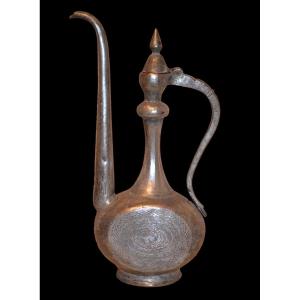
Pierre Pigaglio (1913-?), Stoneware Ewer From Puisaye, 20th Century


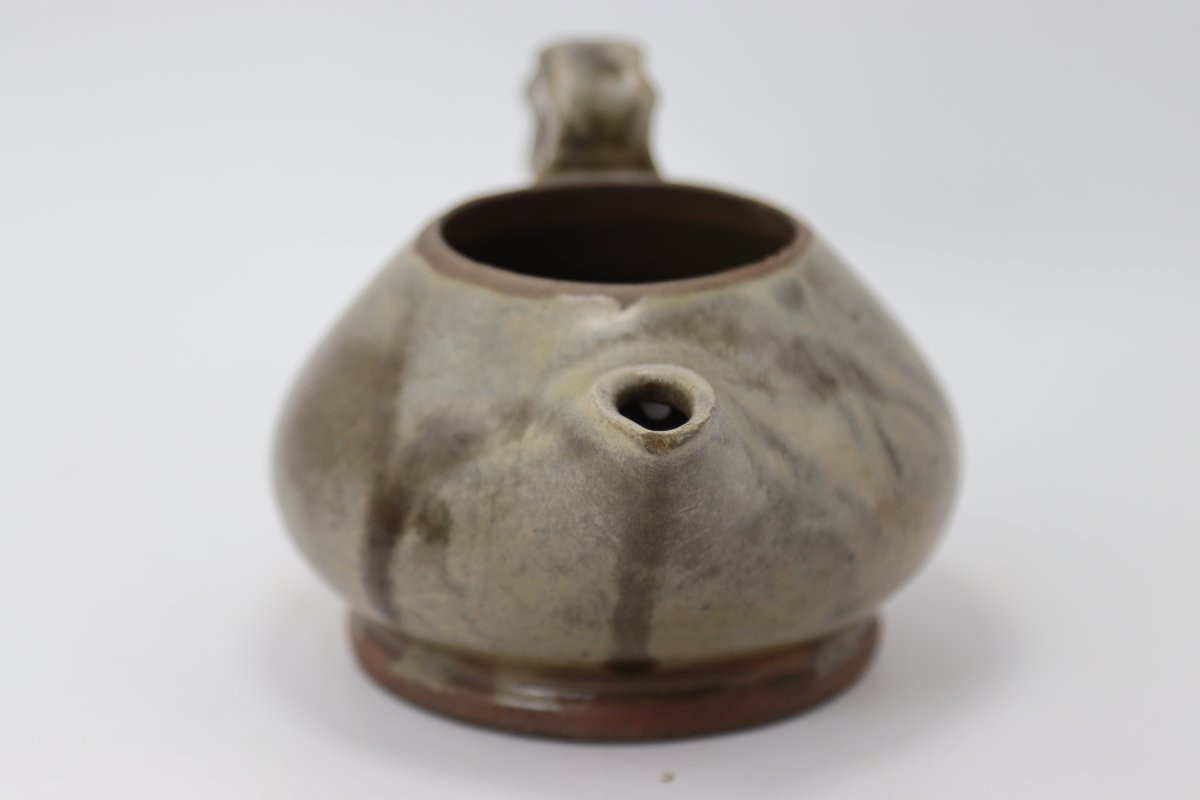
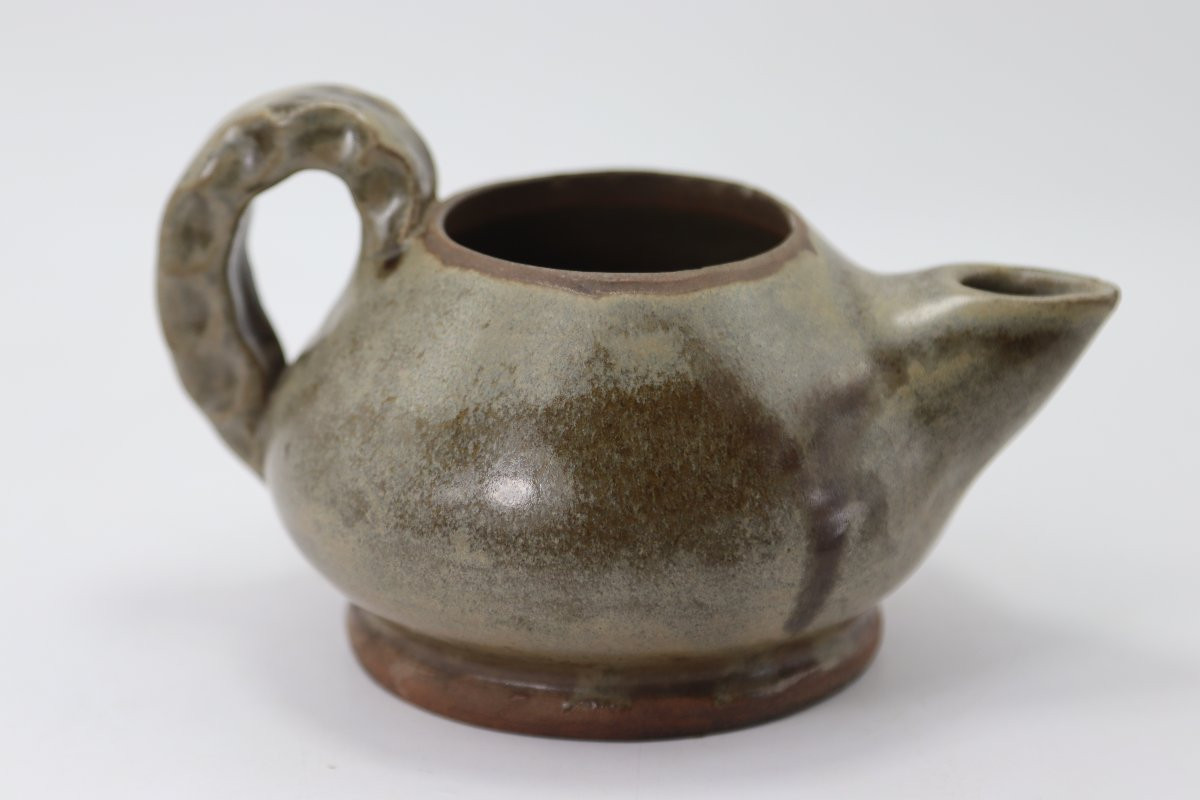


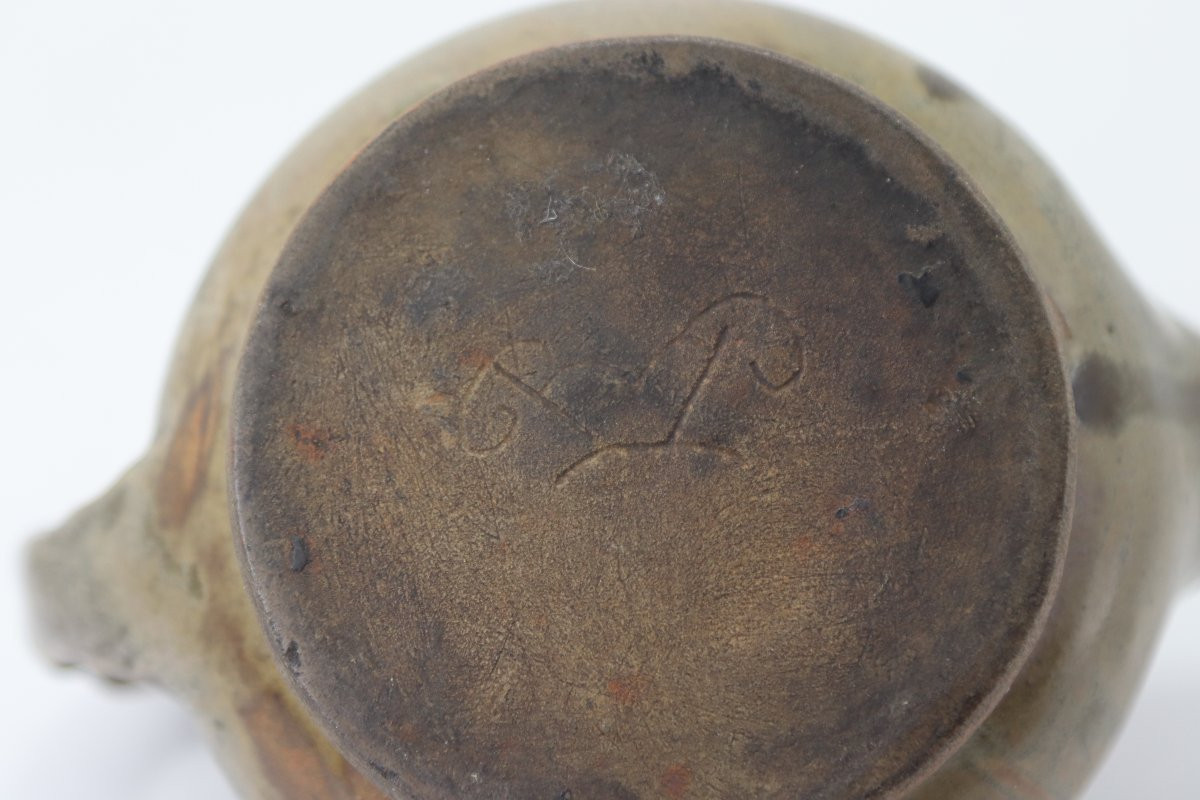


Small stoneware ewer from Puisaye, glazed brown-green, signed underneath. 20th century. Pierre Pigaglio (1913 – ?) Potter from Saint-Amand-en-Puisaye in the 1940s. While little information seems to be available concerning Pierre Pigaglio, his pieces bear witness to the beginning of the evolution of stoneware after the war in Saint-Amand-en-Puisaye, a village of potters since the 14th century, located in the Nièvre. With its clay-rich soil and forests providing wood for firing, this rural community has always attracted numerous ceramicists, such as Jean Carriès. Born in 1913, Pierre Pigaglio, a refugee in Saint-Amand-en-Puisaye during the Second World War, rented Jean Maubrou's pottery workshop and continued the existing production. From 1944 to 1946, the young Jean Derval, a graduate of the School of Applied Arts, joined Christofle to replace the silverware designs with a ceramic collection. For this, he was sent to Saint-Amand-en-Puisaye. His innovative spirit and cheerful youth allowed him to quickly adapt to the local culture and join Pierre Pigaglio's workshop. Together, Jean and Pierre modernized stoneware and created large pieces, some bearing both signatures, a testament to their collaboration, which followed in the footsteps of Paul Beyer. In 1946, having little involvement in local life, Pierre left the village for Cosne-sur-Loire. Jean Maubrou took over the management of his workshop until 1958, when it was bought by Georges Robin.
Explore similar pieces and discover your ideal find:
Folk Art