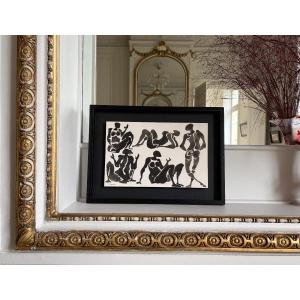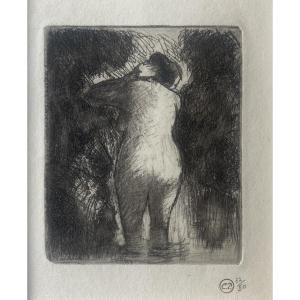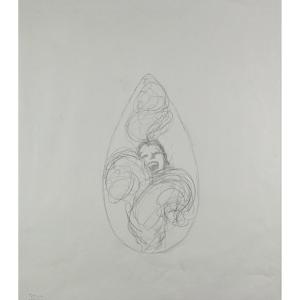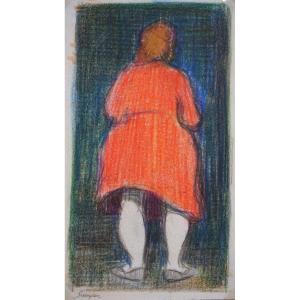
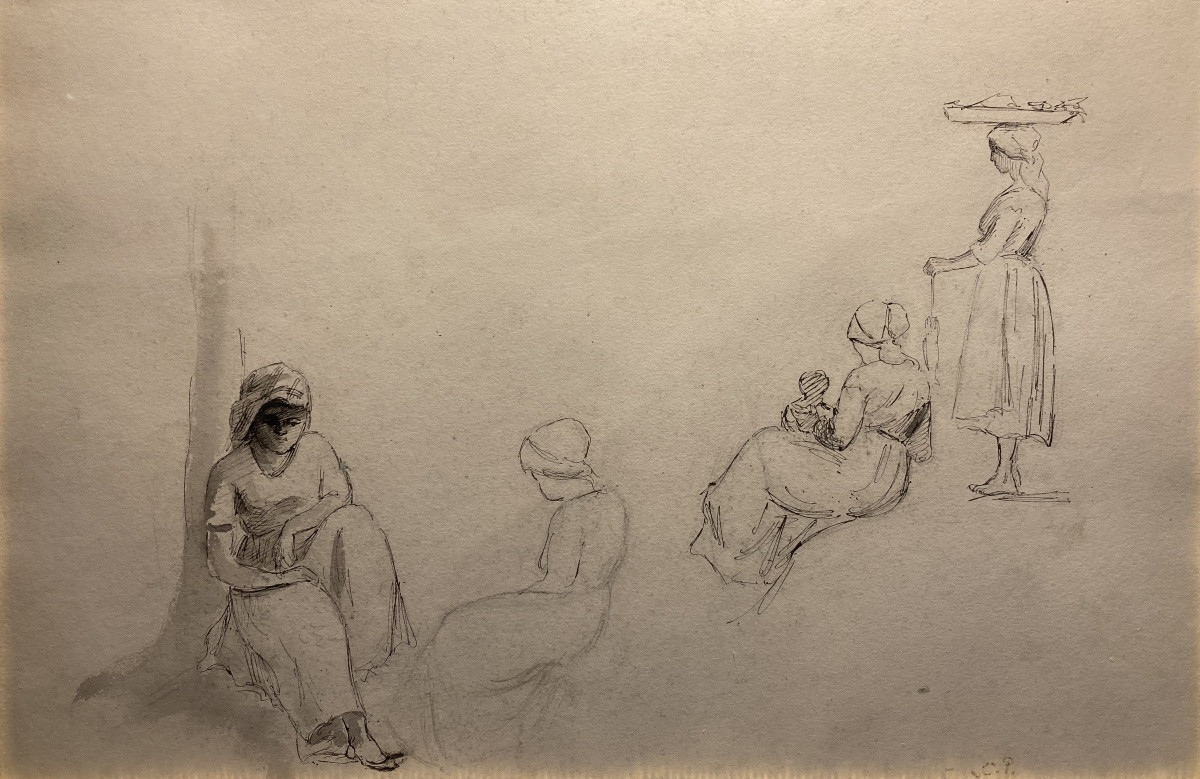
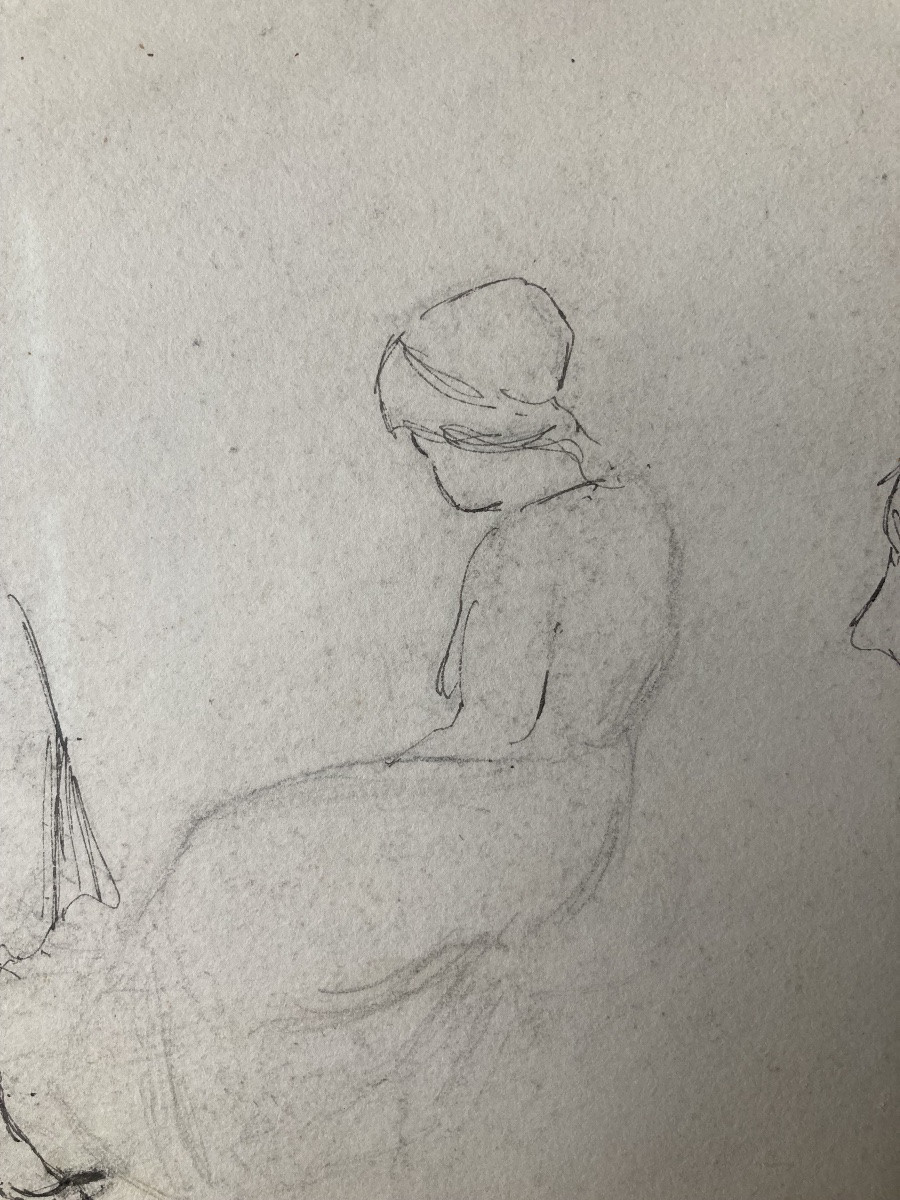
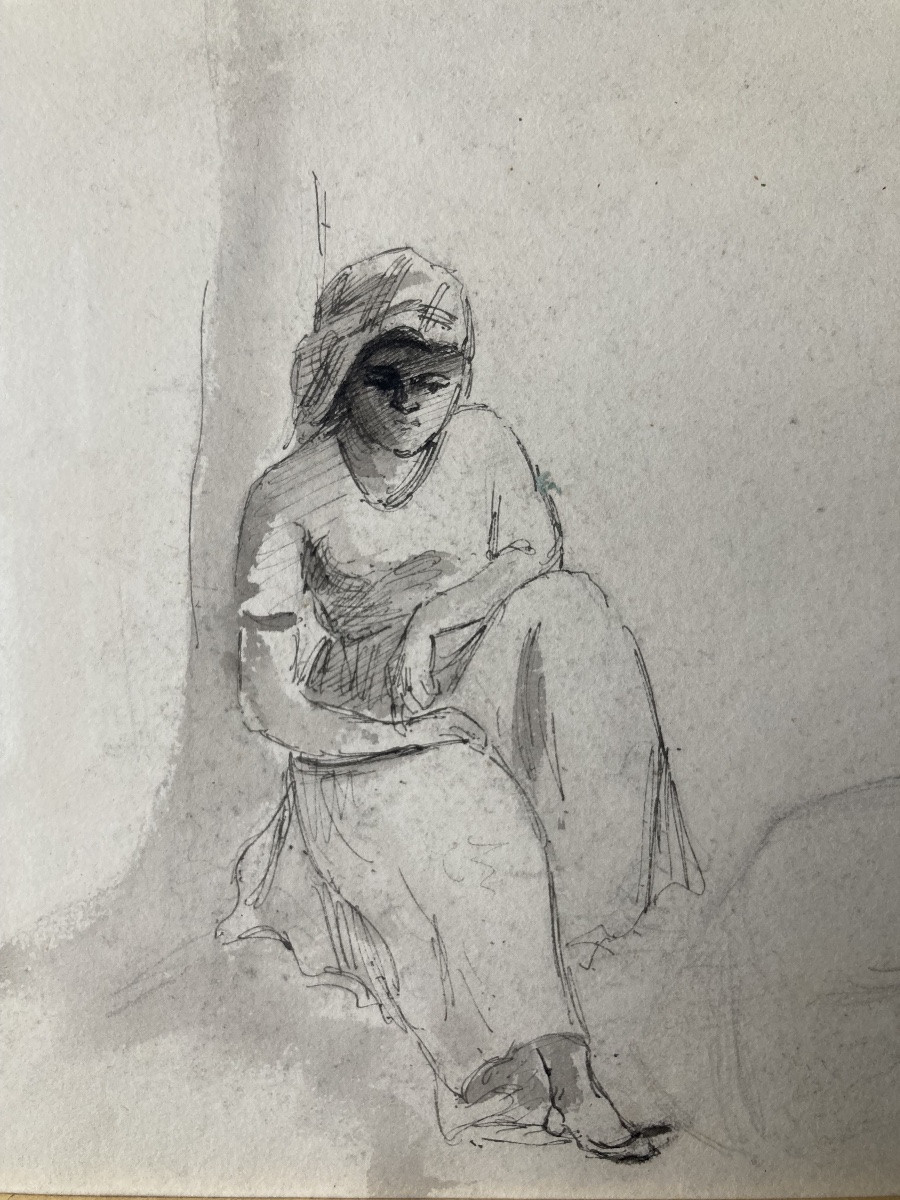
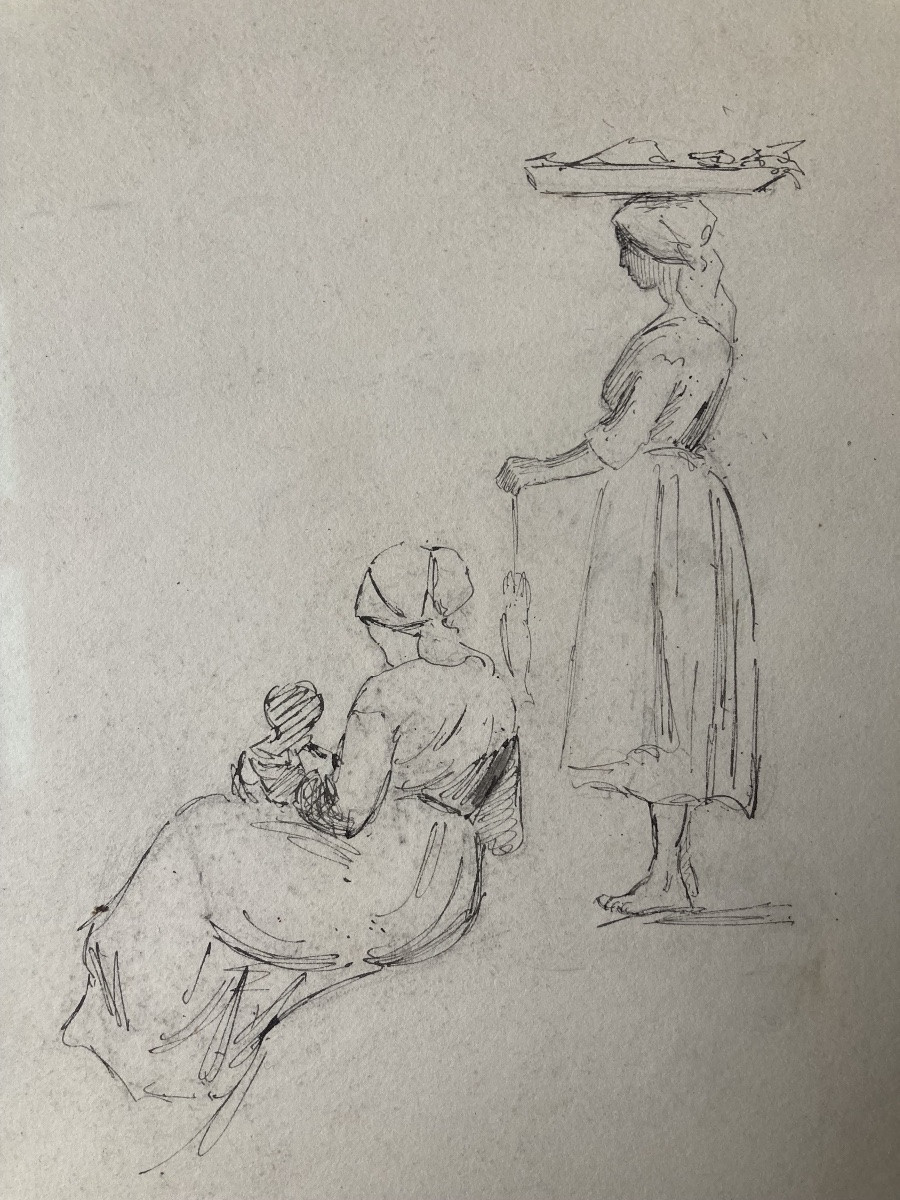
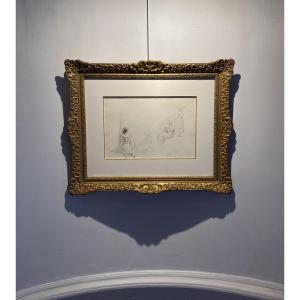


Camille Pissarro, Studies Of Peasant Women In Venezuela, Circa 1852
Artist: Camille Pissarro (1830-1903)
Camille Pissarro (1830-1903)
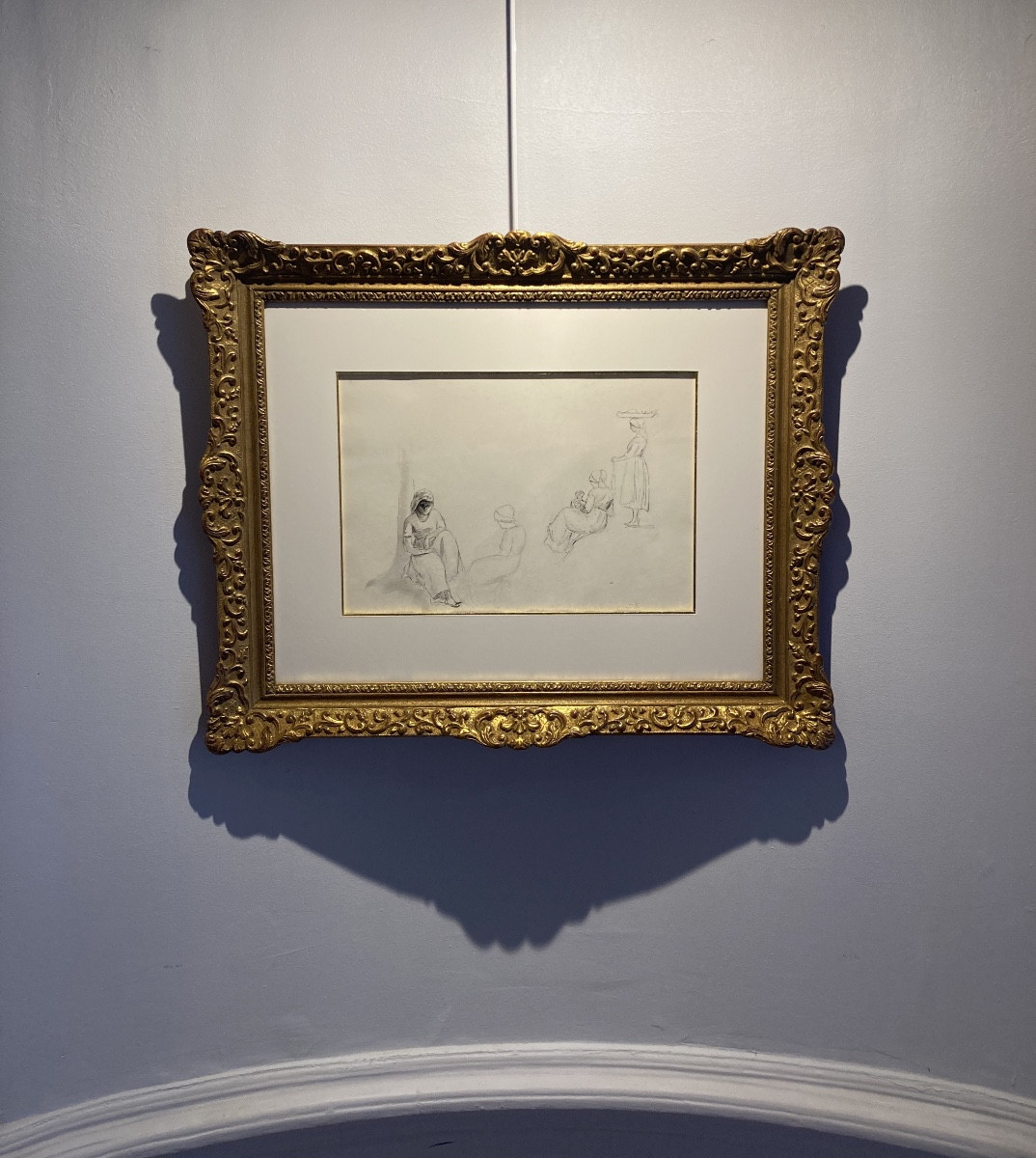
Studies of Peasant Women in Venezuela, circa 1852
Monogram stamp (Lugt 613e)
23.5 x 35.5 cm
Certificate of Authenticity issued by Joachim Pissarro on June 5, 2024
All biographies devoted to Camille Pissarro agree in describing the man as a committed artist, a devoted father, an intellectual passionate about the anarchist ideas of his time. His fiercest fight was to defend the new so-called Impressionist painting, which made his reputation.
In his eyes, it was absolutely essential that the group remain united if it was to hope to establish itself with the general public. This explains his enthusiasm for participating in each of the group's eight major exhibitions, and his determination to convince the other members to do the same. The cohesion of the group required efforts of tact and diplomacy, as well as a flawless commitment to convince his interlocutors.
Camille Pissarro's correspondence is full of the countless struggles of a man who never lets himself be discouraged. When he happens to doubt his future and his chances, he quickly pulls himself together to resume his battle where he left off.
Among the struggles for which Pissarro will engage is the place of women in society. Feminism, as we know it today, did not even have a name at the time. At the end of the 19th century, the beginnings of this timid struggle took place. Hubertine Auclert founded the society “Le Droit des Femmes” in 1876, and received only minimal support.
Conversely, Camille Pissarro gave women the same status as men, which allowed them to be judged not according to their sex, but rather on their ideas and commitments. He had the greatest admiration for Louise Michel, for example. In 1883, he wrote to his son Lucien: “I beg you to read the defense of Louise Michel. It is very remarkable. This woman is extraordinary. She kills ridicule with her feeling and humanity.”
During the Paris Commune, Louise Michel, always quick to help the most disadvantaged, had shown exemplary courage.
Camille Pissarro and his wife Julie would give birth to five sons and two daughters. The eldest, Jeanne Rachel, born in 1865, was given the nickname Minette. She was unfortunately taken by a lung disease at the age of nine. Her parents had to face an insurmountable grief after witnessing their daughter's gradual decline. We have the very touching portraits of Jeanne Rachel painted by her father.
Later, their second daughter was born on August 27, 1881, to whom they chose to give the first name Jeanne, in memory of her deceased older sister. Affectionately nicknamed Cocotte, she grew up mainly on the family property in the Oise region, in Éragny. Jeanne will not receive the same education as her brothers, because her mother will refuse the idea of her daughter becoming an artist like the rest of her offspring.
In September 1896, Camille Pissarro addresses his eldest son Lucien and writes to him: "Your mother does not understand the interest there would be in seeing a little further than the society of Madame Cucheté, Bertine!.. She is blind... she does not want her to draw or at least does not encourage her to do so."
In 1895, Jeanne will be enrolled in a boarding school in Neuilly, directed by Madame Thevenet Taylor. This will contribute to distancing the girl even more from the influence of her father, considered harmful by her mother.
In the various portraits made by her father, Jeanne is represented devoting herself to sewing or embroidery activities which reflect the maternal influence. Until Jeanne's marriage to Alexandre Bonin in 1908, Julie Pissarro ensured that her daughter did not follow the same destiny as her brothers.
Despite Julie Pissarro's efforts, the artistic genes continued to be passed down in the Bonin-Pissarro family. Several of Jeanne's children and grandchildren—to whom she bequeathed some of the works featured in this exhibition—would choose an artistic career. Lionel Pissarro, the artist's great-grandson
Studies of Peasant Women in Venezuela, circa 1852
Monogram stamp (Lugt 613e)
23.5 x 35.5 cm
Certificate of Authenticity issued by Joachim Pissarro on June 5, 2024
All biographies devoted to Camille Pissarro agree in describing the man as a committed artist, a devoted father, an intellectual passionate about the anarchist ideas of his time. His fiercest fight was to defend the new so-called Impressionist painting, which made his reputation.
In his eyes, it was absolutely essential that the group remain united if it was to hope to establish itself with the general public. This explains his enthusiasm for participating in each of the group's eight major exhibitions, and his determination to convince the other members to do the same. The cohesion of the group required efforts of tact and diplomacy, as well as a flawless commitment to convince his interlocutors.
Camille Pissarro's correspondence is full of the countless struggles of a man who never lets himself be discouraged. When he happens to doubt his future and his chances, he quickly pulls himself together to resume his battle where he left off.
Among the struggles for which Pissarro will engage is the place of women in society. Feminism, as we know it today, did not even have a name at the time. At the end of the 19th century, the beginnings of this timid struggle took place. Hubertine Auclert founded the society “Le Droit des Femmes” in 1876, and received only minimal support.
Conversely, Camille Pissarro gave women the same status as men, which allowed them to be judged not according to their sex, but rather on their ideas and commitments. He had the greatest admiration for Louise Michel, for example. In 1883, he wrote to his son Lucien: “I beg you to read the defense of Louise Michel. It is very remarkable. This woman is extraordinary. She kills ridicule with her feeling and humanity.”
During the Paris Commune, Louise Michel, always quick to help the most disadvantaged, had shown exemplary courage.
Camille Pissarro and his wife Julie would give birth to five sons and two daughters. The eldest, Jeanne Rachel, born in 1865, was given the nickname Minette. She was unfortunately taken by a lung disease at the age of nine. Her parents had to face an insurmountable grief after witnessing their daughter's gradual decline. We have the very touching portraits of Jeanne Rachel painted by her father.
Later, their second daughter was born on August 27, 1881, to whom they chose to give the first name Jeanne, in memory of her deceased older sister. Affectionately nicknamed Cocotte, she grew up mainly on the family property in the Oise region, in Éragny. Jeanne will not receive the same education as her brothers, because her mother will refuse the idea of her daughter becoming an artist like the rest of her offspring.
In September 1896, Camille Pissarro addresses his eldest son Lucien and writes to him: "Your mother does not understand the interest there would be in seeing a little further than the society of Madame Cucheté, Bertine!.. She is blind... she does not want her to draw or at least does not encourage her to do so."
In 1895, Jeanne will be enrolled in a boarding school in Neuilly, directed by Madame Thevenet Taylor. This will contribute to distancing the girl even more from the influence of her father, considered harmful by her mother.
In the various portraits made by her father, Jeanne is represented devoting herself to sewing or embroidery activities which reflect the maternal influence. Until Jeanne's marriage to Alexandre Bonin in 1908, Julie Pissarro ensured that her daughter did not follow the same destiny as her brothers.
Despite Julie Pissarro's efforts, the artistic genes continued to be passed down in the Bonin-Pissarro family. Several of Jeanne's children and grandchildren—to whom she bequeathed some of the works featured in this exhibition—would choose an artistic career. Lionel Pissarro, the artist's great-grandson
9 000 €
Period: 19th century
Style: Modern Art
Condition: Excellent condition
Material: Paper
Reference (ID): 1638500
Availability: In stock
Print