THIS OBJECT WAS SOLD
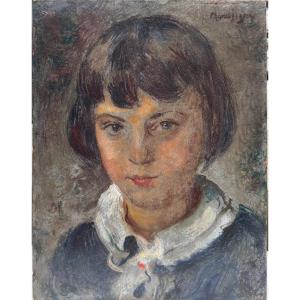
Michel Couchat Characters Le Vésinet 56
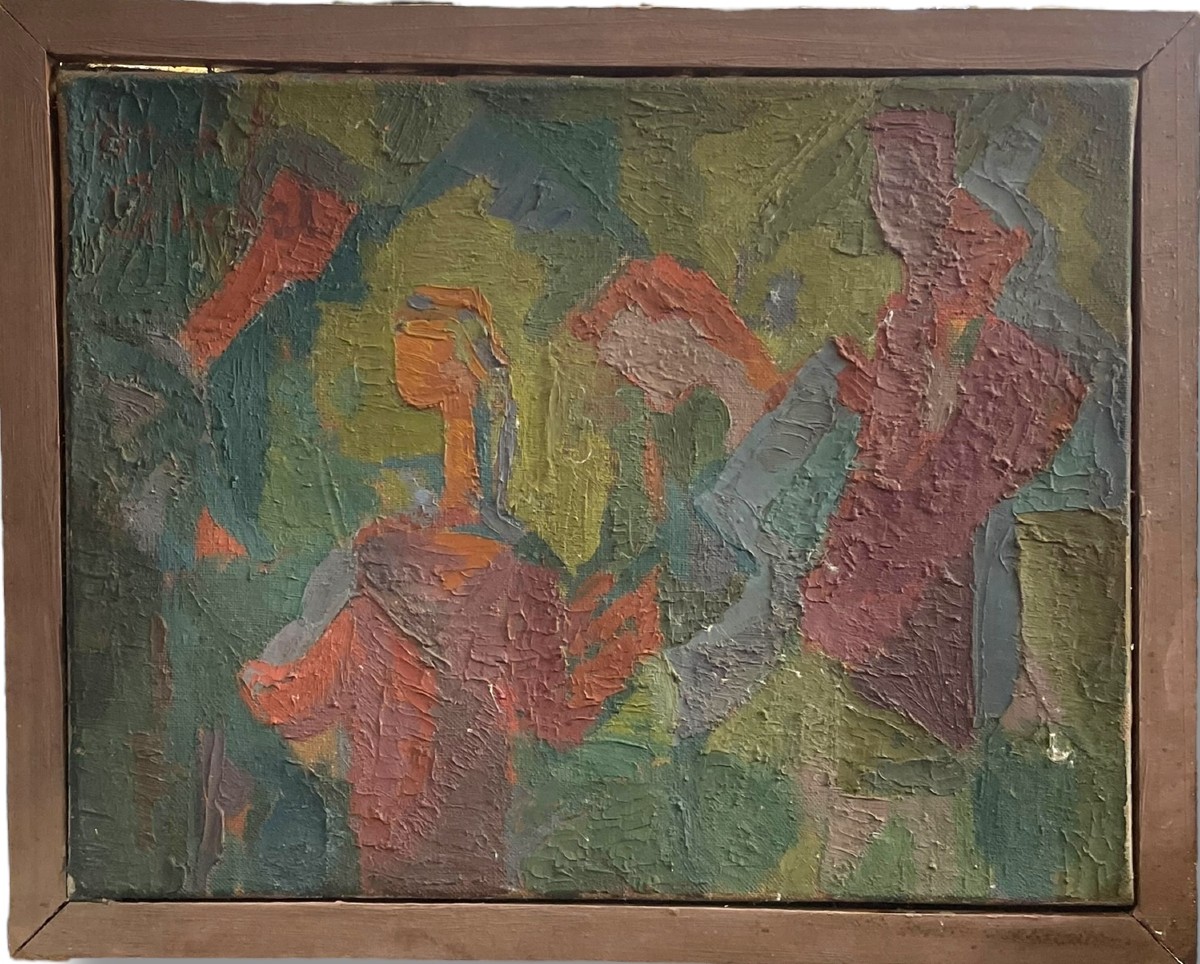
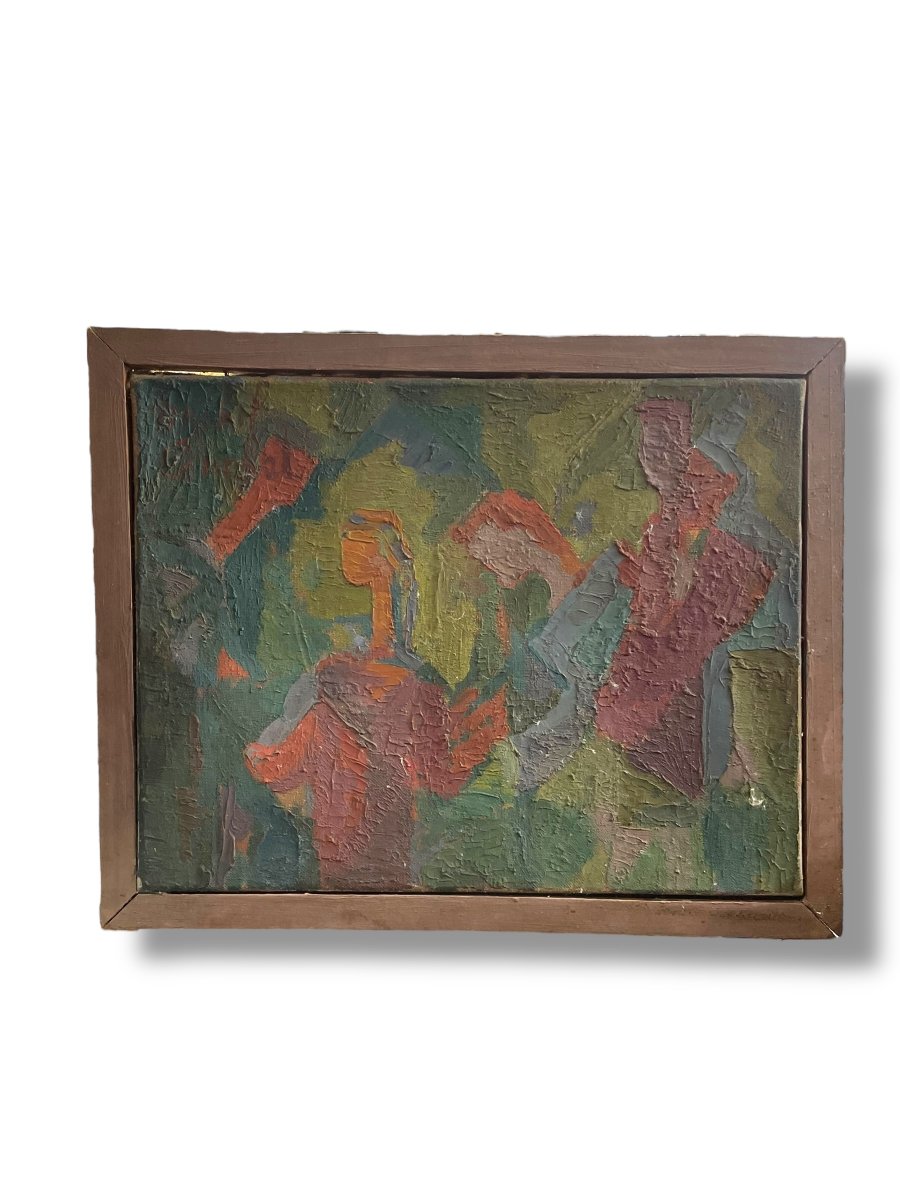
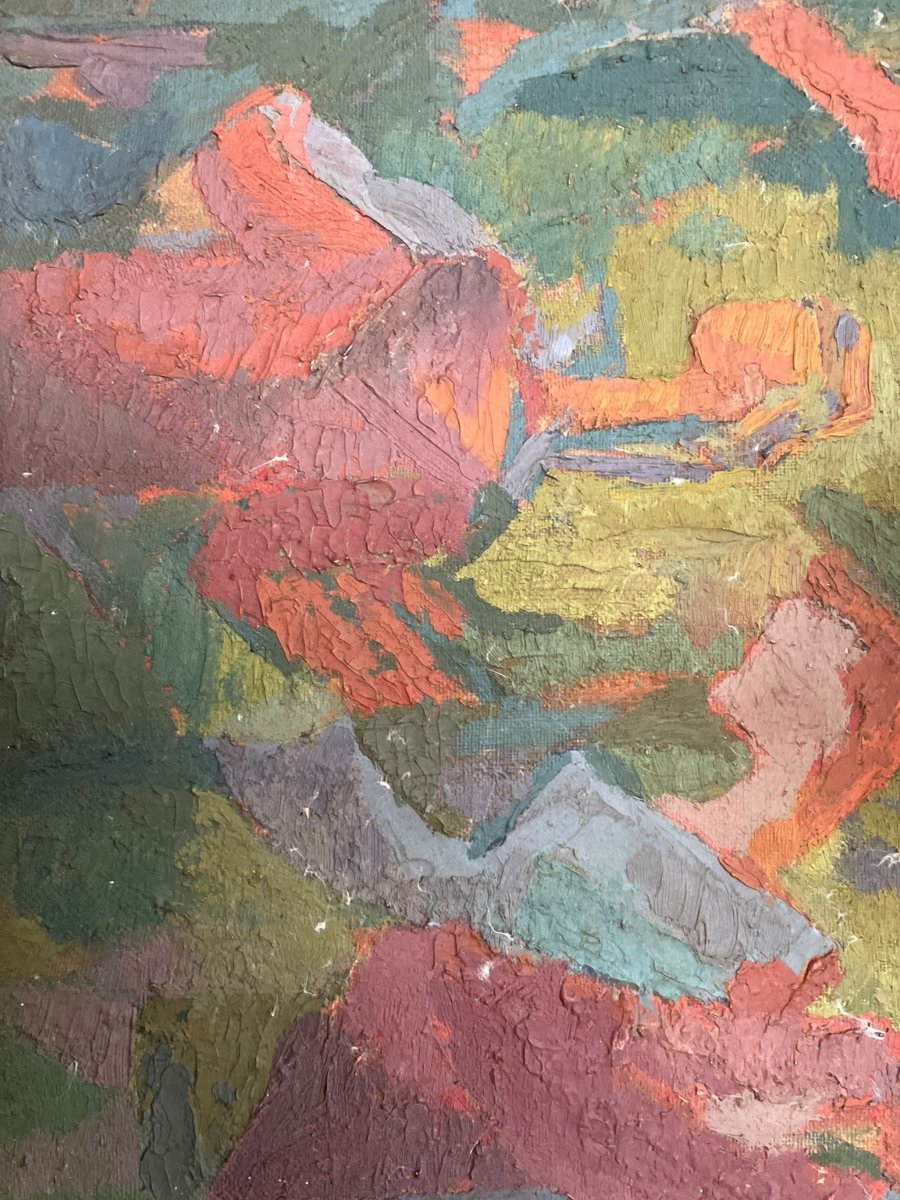
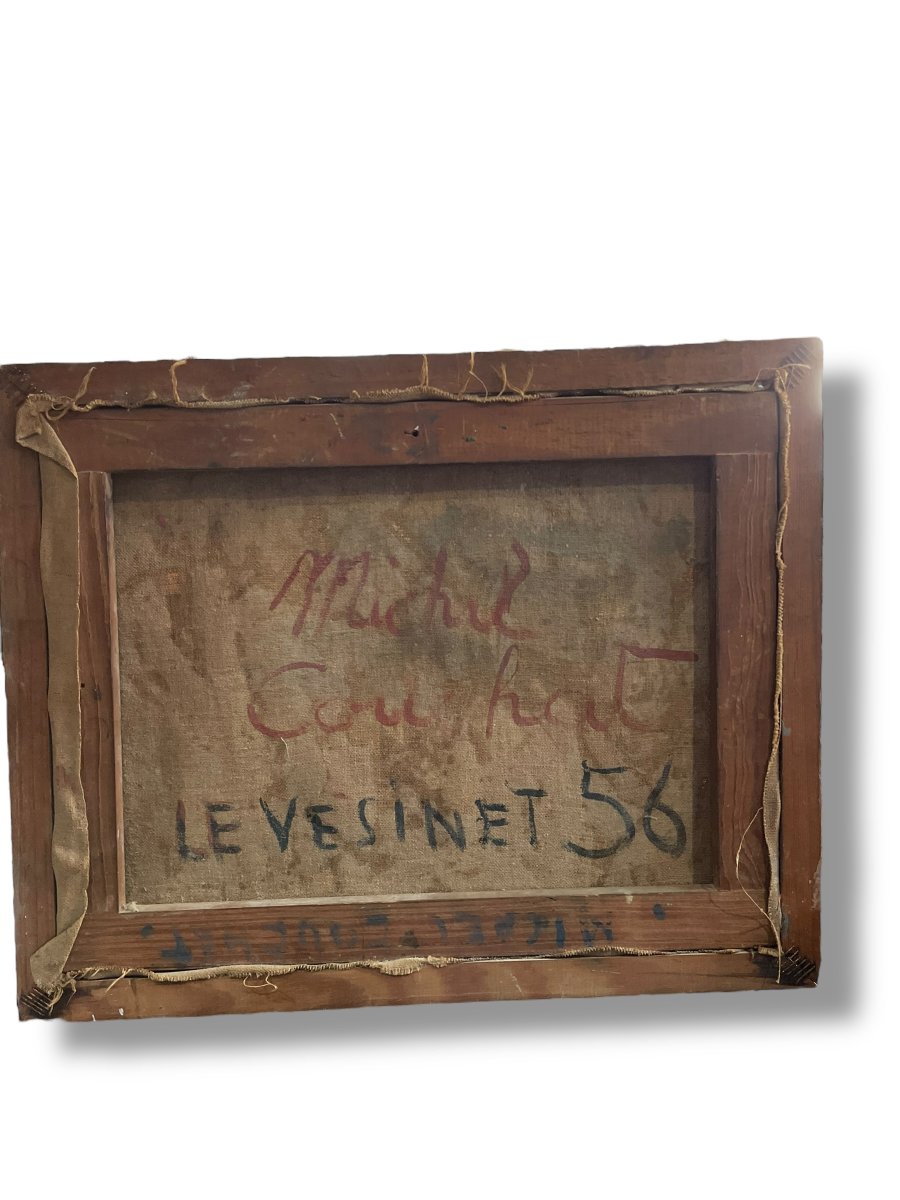
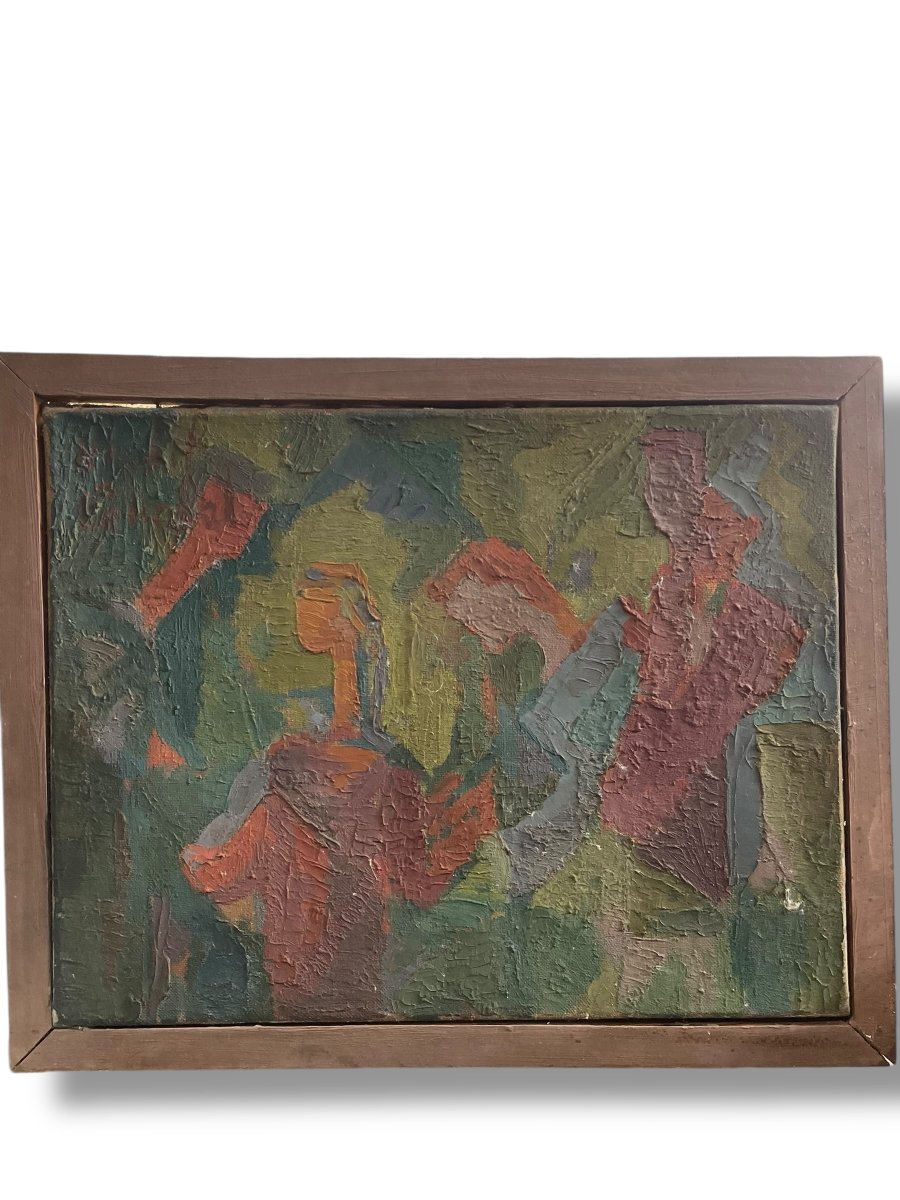
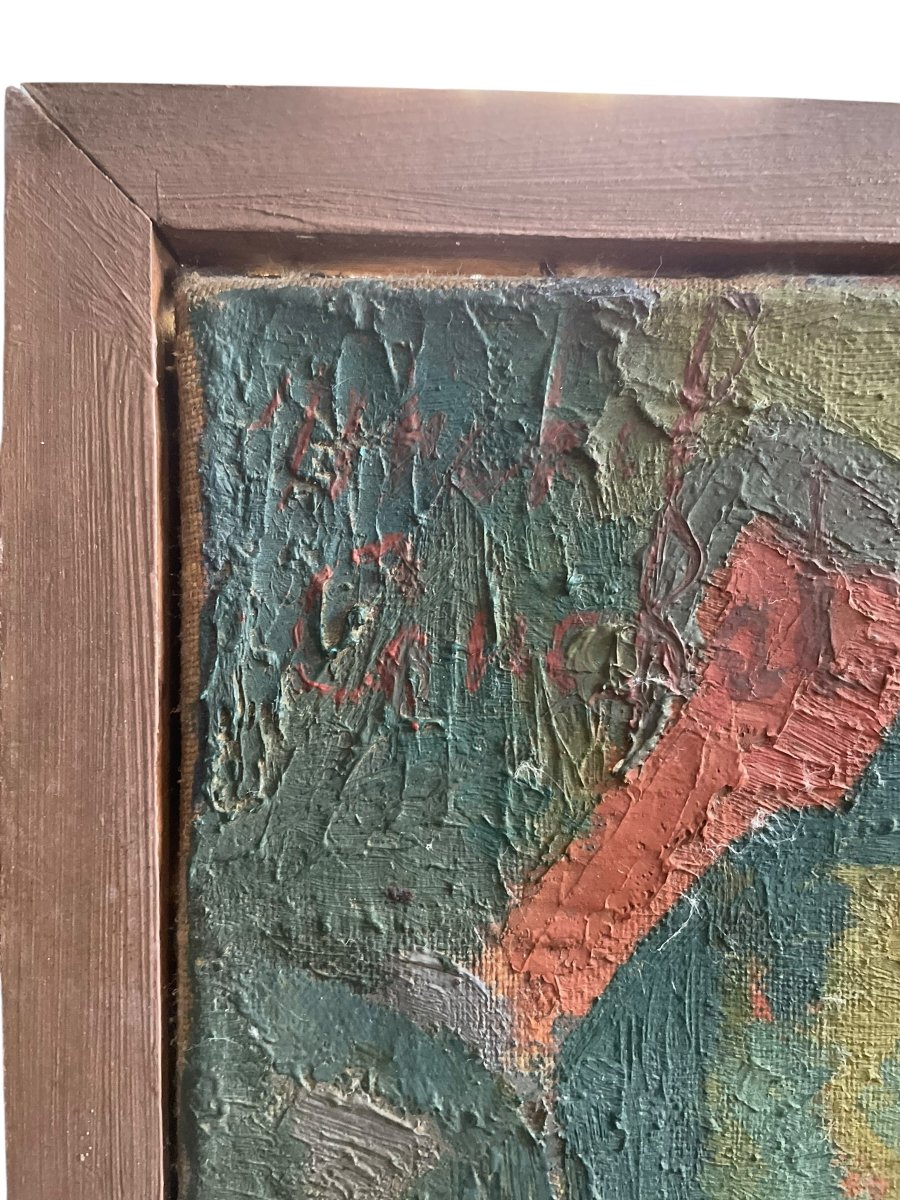
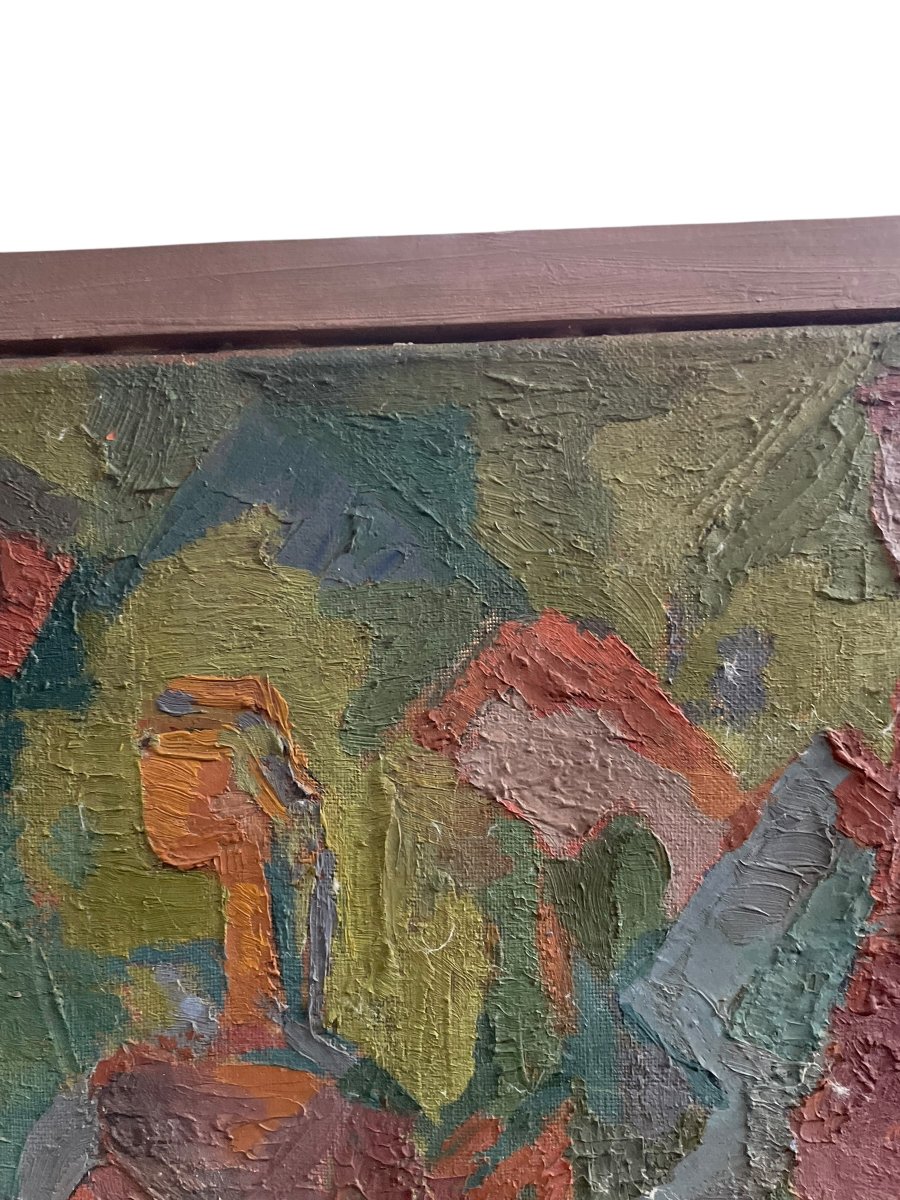
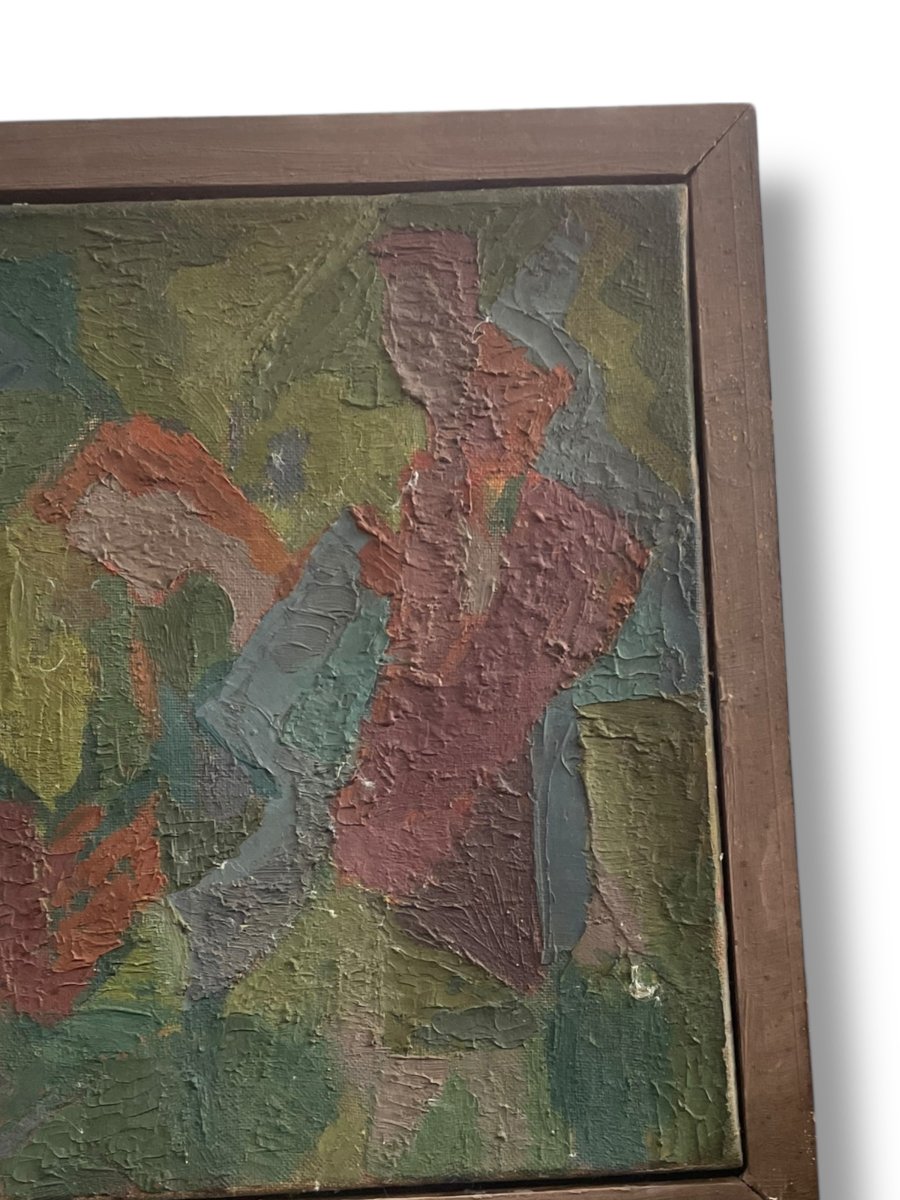
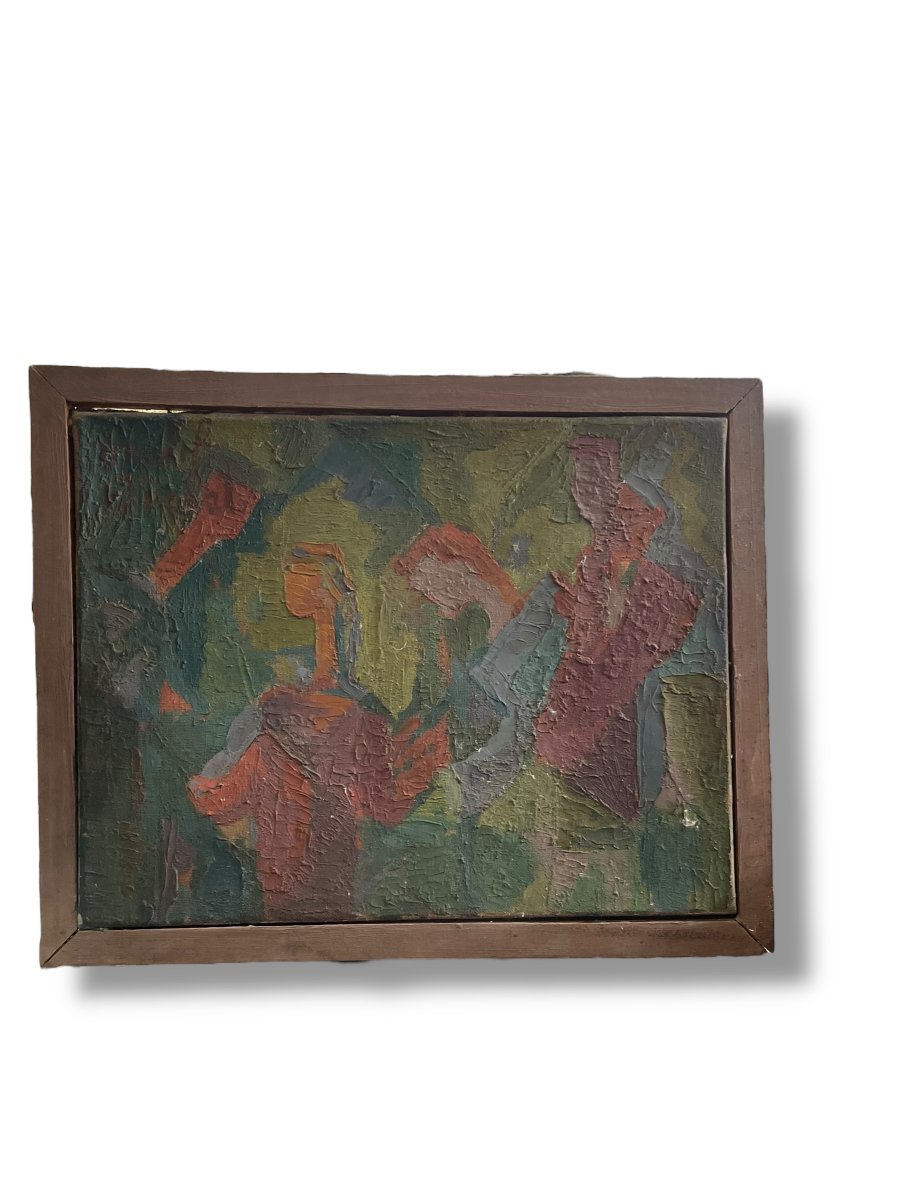
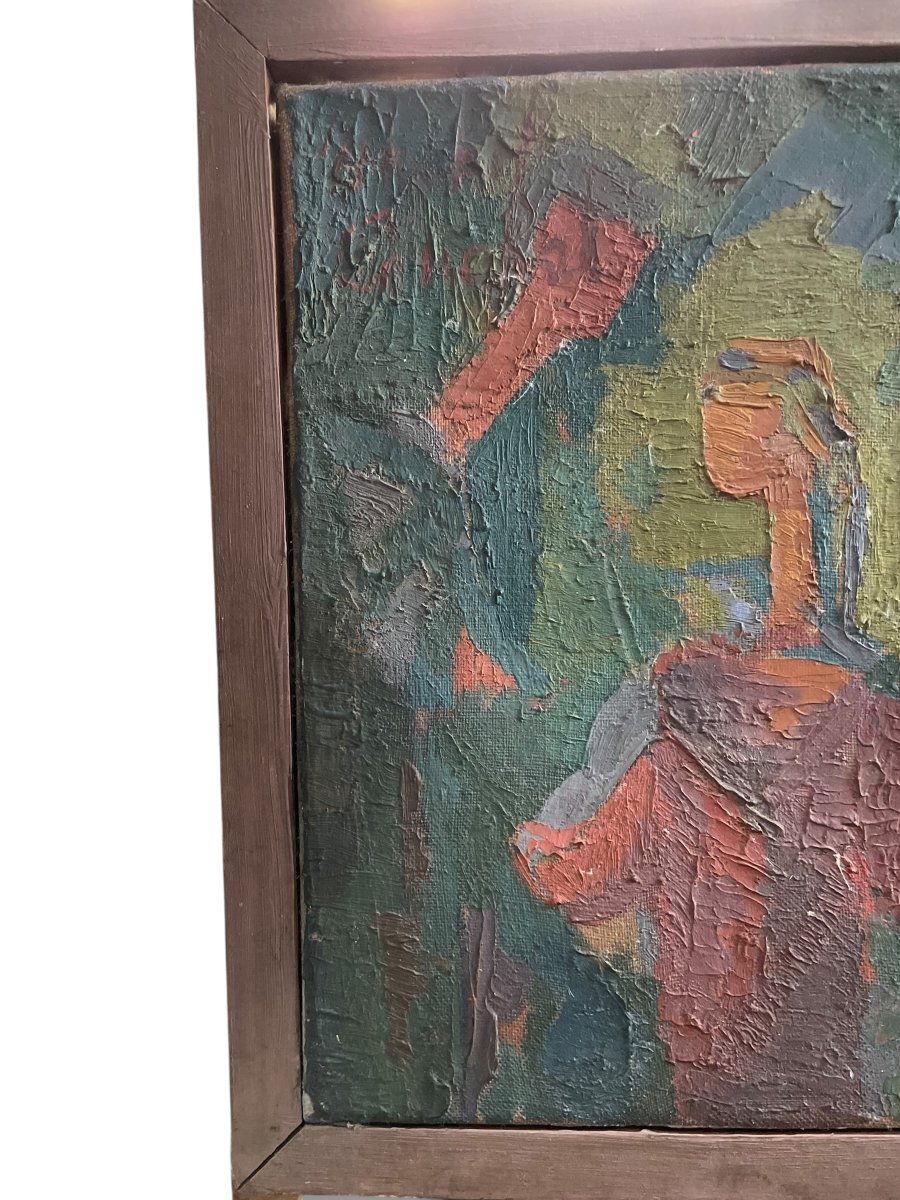


Michel Couchat Characters Le Vésinet 56Oil on canvas depicting a lively scene in Le Vésinet. Natural wood frameThis painting is an early work that begins to confirm the artist's style and color paletteCanvas signed top left; countersigned and dated on the reverseFree and insured shipping in mainland France39.5cm x 32 cm including frameMichel Couchat was born on November 4, 1935, in Courbevoie. His parents were watchmakers and jewelers in Le Vésinet, west of Paris. He was the eldest of three children. After brief studies at the lycée in Saint-Germain-en-Laye, he joined the choir school of the Petits Chanteurs à la Croix de Bois of Abbé Maillet as a soprano soloist. He discovered the world: Latin America, the United States and Canada. In 1954, the painter and writer Giulio Cesare Silvagni presented Michel Couchat's first solo exhibition to the Parisian public at his "Galerie de l'Odéon". The reviews were encouraging: "Michel Couchat is only 20 years old, smooth texture, fresh, tender colors, ingenuous poetry, adolescent love in spring: finally a young man!"[2]. He exhibited there several times from 1956 to 1958. The painter Roger Chastel advised him and invited him to participate in the group exhibition Confrontations at the Academy of Fine Arts in Saint-Germain-en-Laye. This was followed by an exhibition at the gallery "Le Hérisson" in 1955. A year later, Henri Héraut enrolled him in the exhibition Young Painters of Quality. A jazz lover, he became a member of a Hot Club. He presented the painting Jazz Orchestra at the 8th Salon de la Jeune Peinture, at the Musée d'Art Moderne in Paris. In Paris in 1960, he moved to the Villa des Arts in the studio of the Philippart-Quinet, grandparents of his future wife, Agnès Kempf. Eugène Carrière had painted in this studio. That same year, he received the Biarritz Prize awarded by Michel Ragon, Bernard Dorival, Roger Chastel and Georges Pillement. Michel Couchat painted Les Troncs d'Olivier and already new themes emerged, his landscapes became more urban and reflected more social concerns: industrial sites, shanty towns, buildings... Jean Rolin, curator of the Museum of Art and History of Saint-Denis, acquired the large canvas Fabrique in Saint-Denis. The city of Courbevoie bought the painting The Nobel Tower under construction, the curator of the Albertina Museum in Vienna noticed his work at the Saint-Denis exhibition and acquired a lithograph on the theme of Scrap Metal and Smoke. He left the Villa des Art in 1967 for a more spacious studio on the same street. On the occasion of the events of May 1968, Scrap Metal and Smoke was reprinted with the title Requiem for General Motors and later appeared in Louis F. Peters' book, Kunst und Revolt. The May posters were presented at the Galerie du Dragon in Paris. At the same time, the Albertina Museum in Vienna invited him to present his works. There he met the painter Georg Eisler. He pursued the theme of urban landscapes, suburbs, car wrecks and discarded objects and at the same time painted the Pink and Blue Nudes with Umbrellas as a nod to Jean Hélion. Awards/Distinctions: 1956: 2nd prize Léonie Moreau 1961: 1st prize of Biarritz 1963: Fénéon Prize Collections Public collections: Roybet-Fould Museum, Courbevoie, 1959 Department of Arts and Letters, 1962 Department of Fine Arts of Paris, 1963 Albertina Museum of Vienna, 1968 Museum of Art and History of Saint-Denis, 1969 City of Fayence, 1974 Museum of Avallon, 1977 City of Drancy, 1980 F.NAC, 1983City of Duny, 1988City of Pantin, 1995C.NAC
Explore similar pieces and discover your ideal find:
abstract paintings