THIS OBJECT WAS SOLD
Bronze Proof – Prince William I Of Orange-nassau - Willem Van Oranje - Louis Royer -
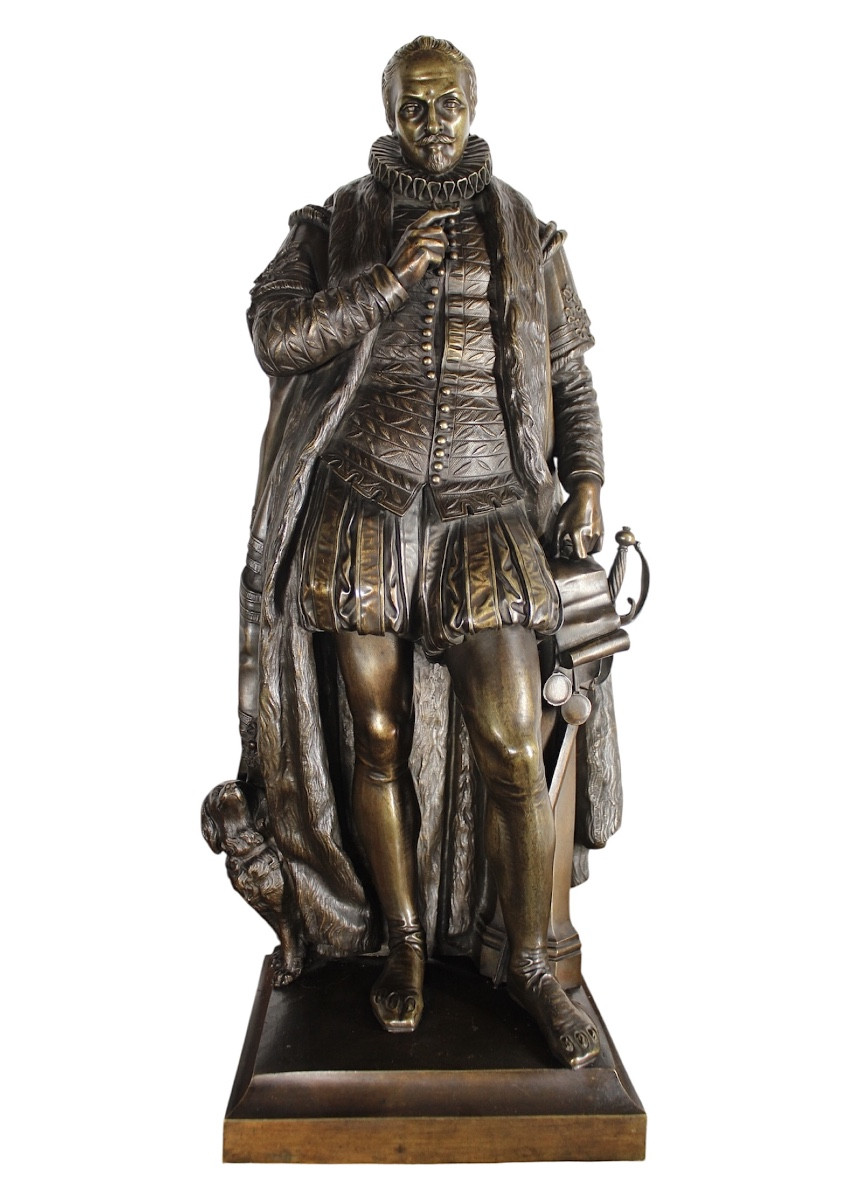
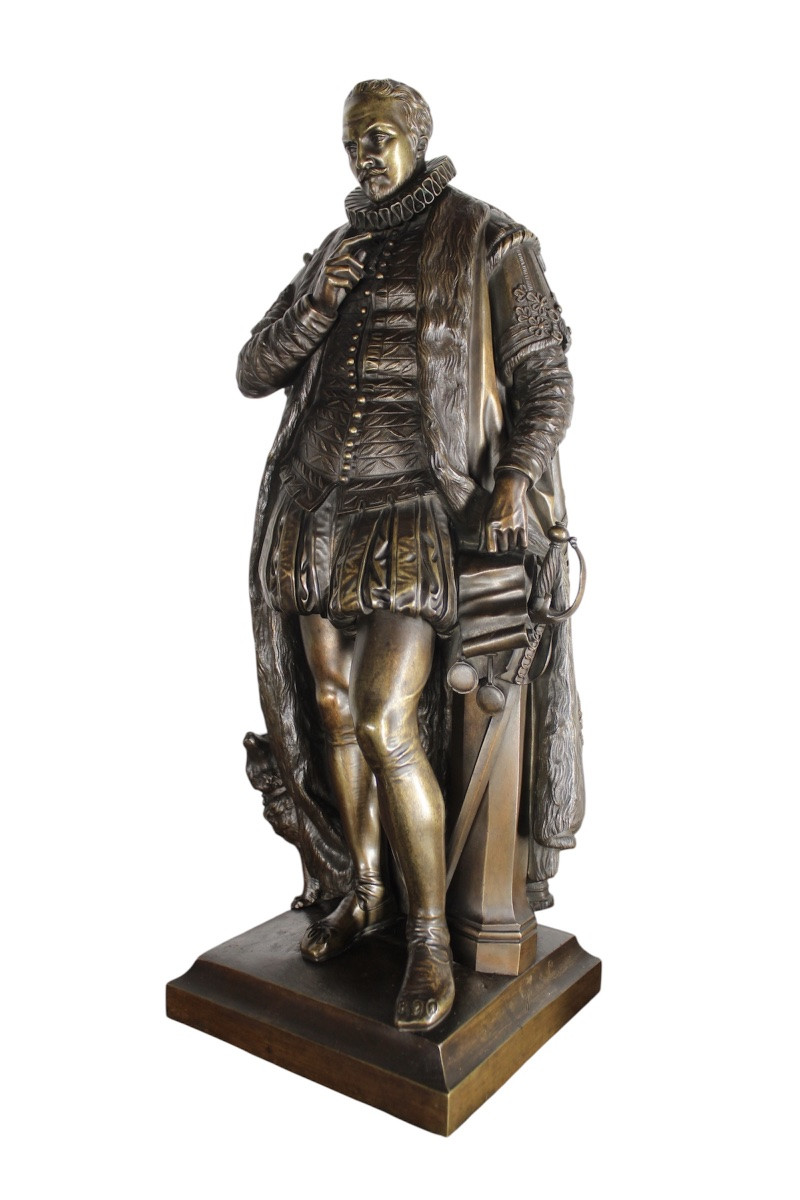
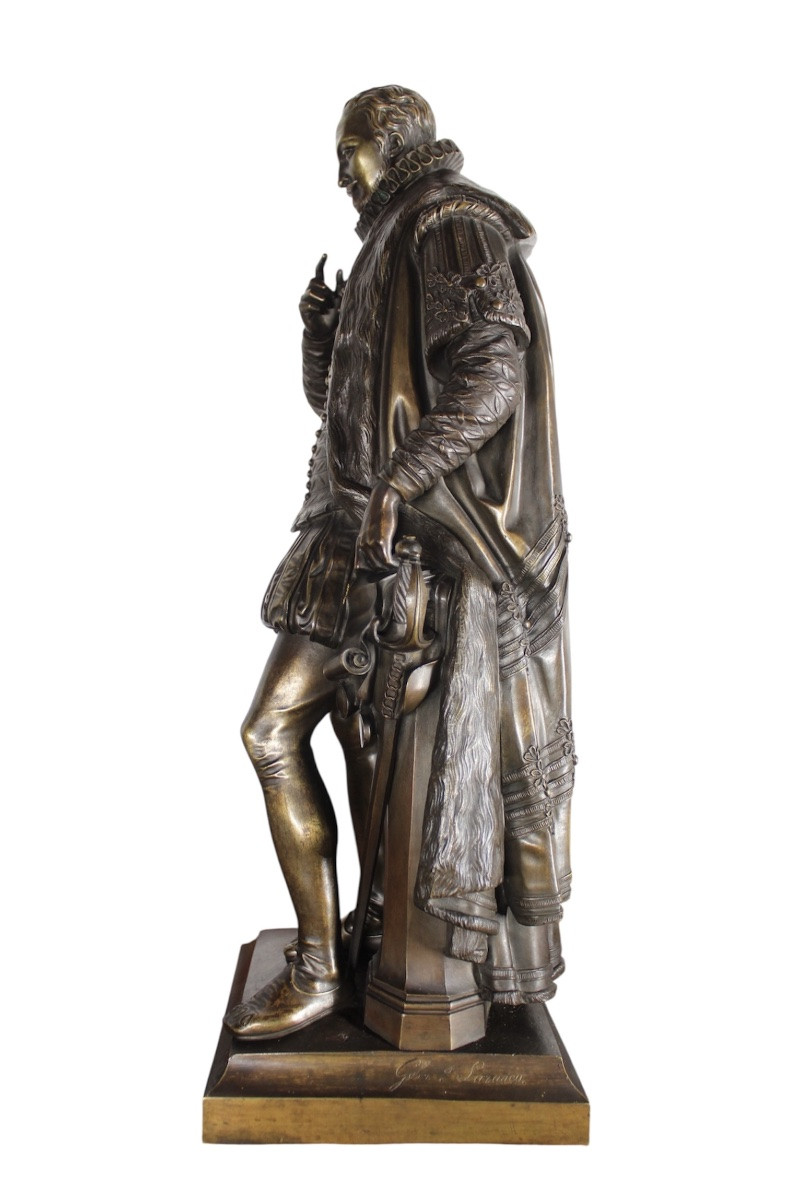

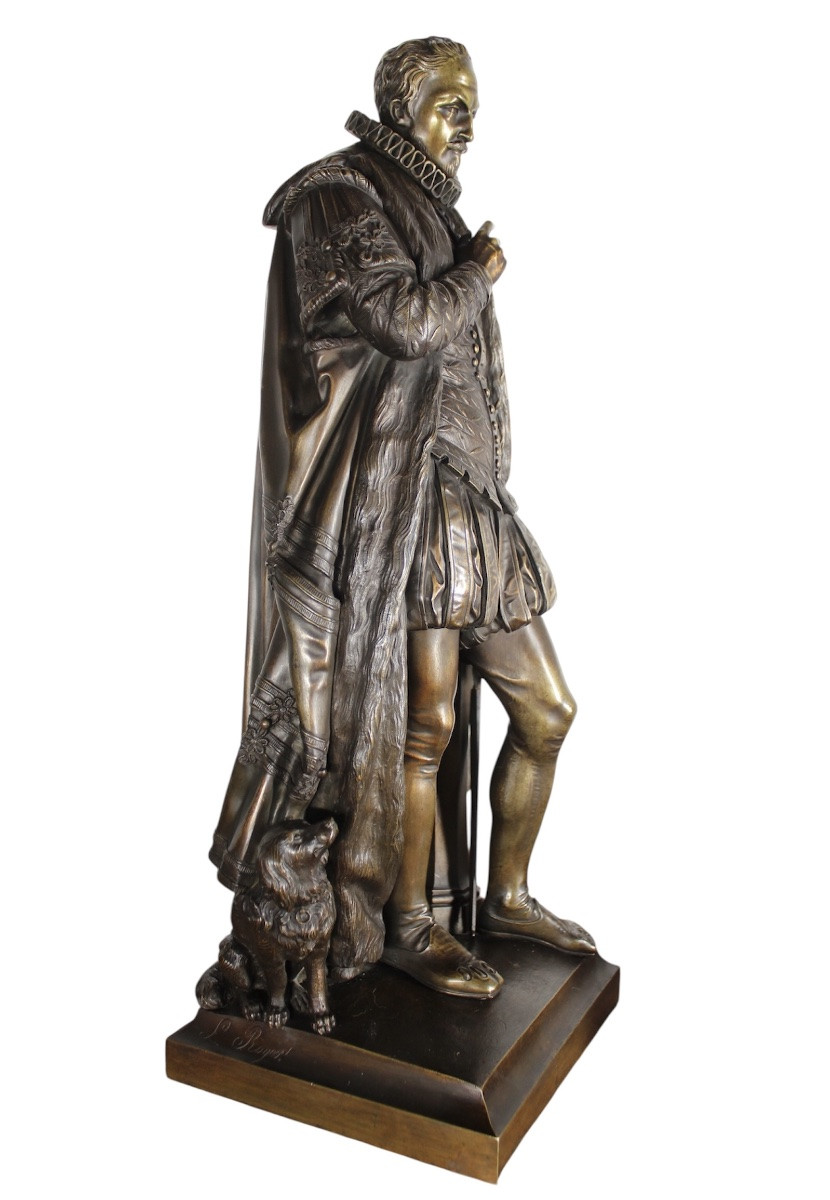
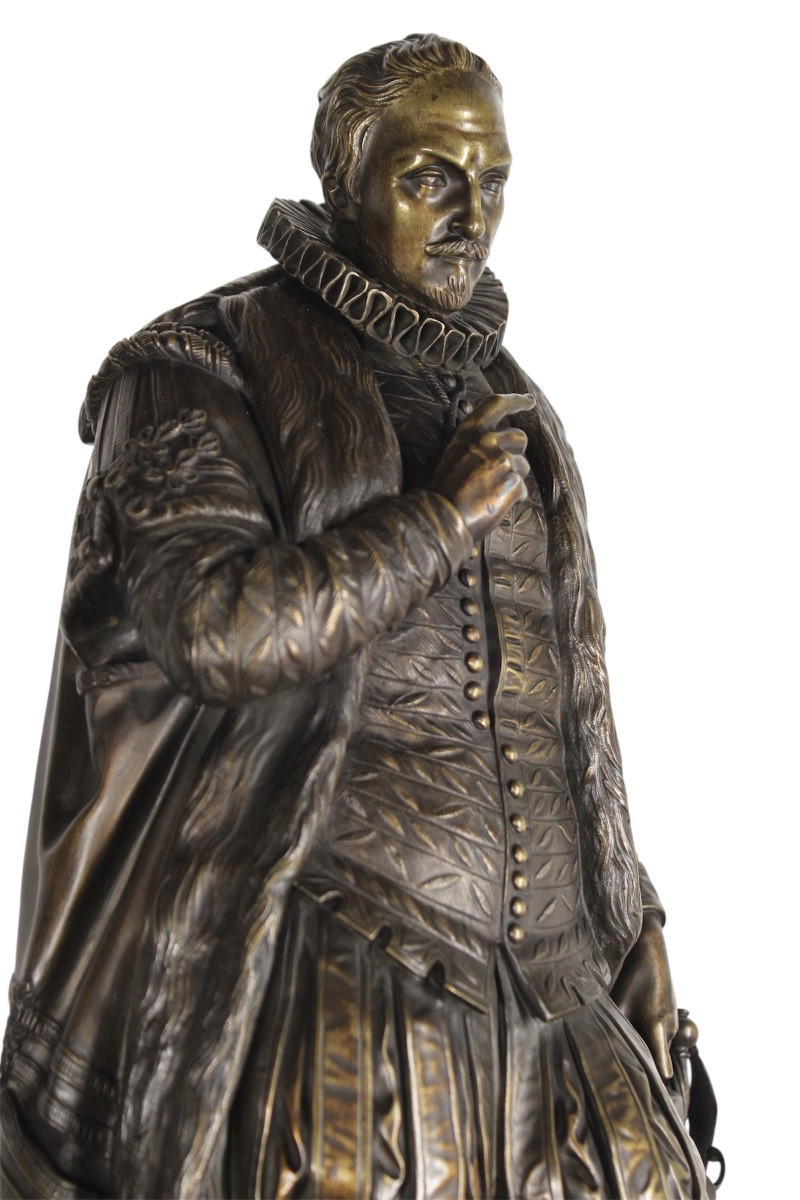

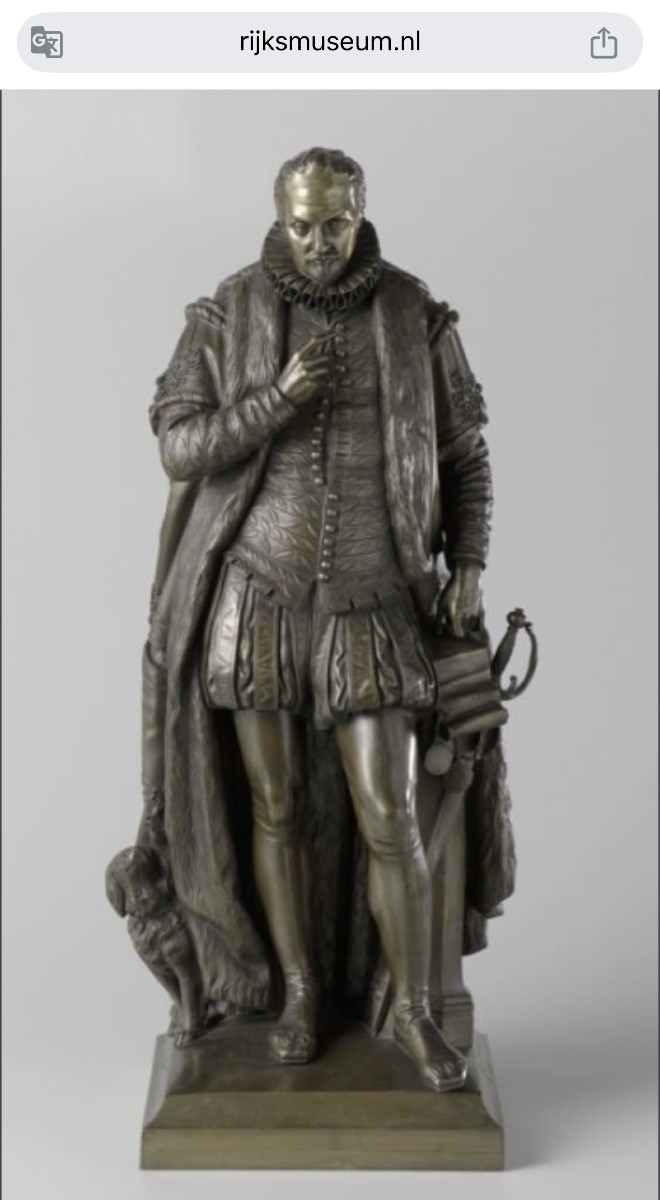
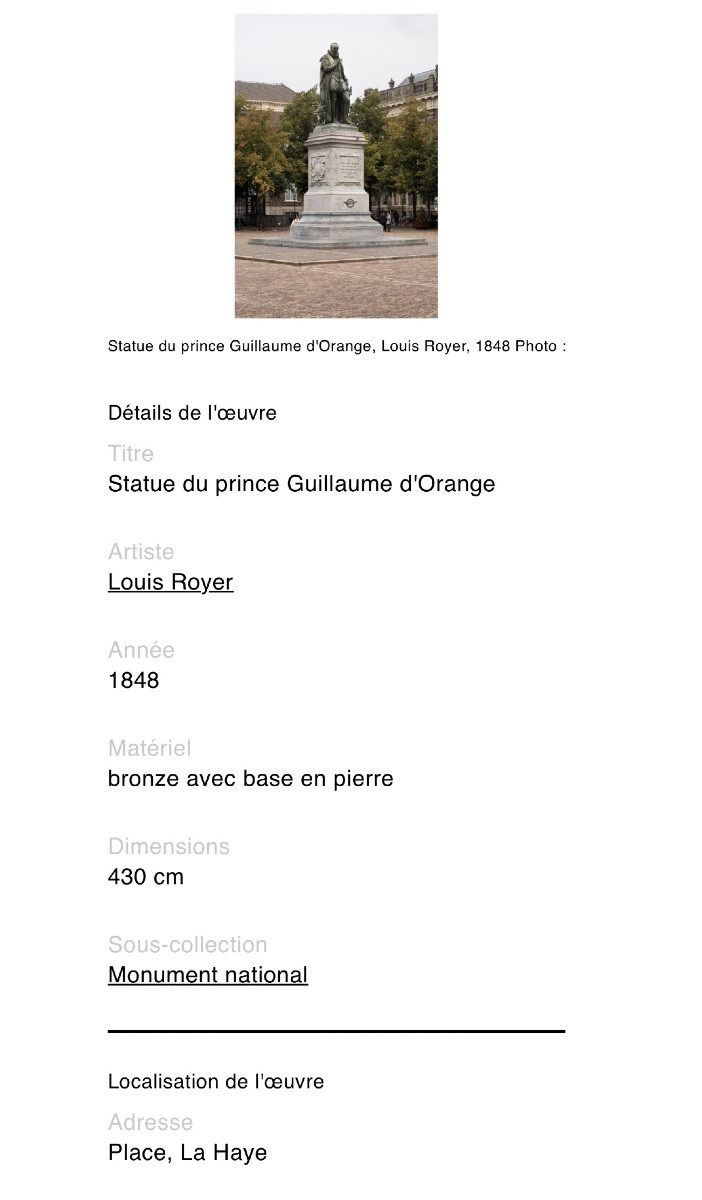


Rare museum bronze representing William I of Orange-Nassau (1533-1584), known as the Silent, leader of the revolt of the United Provinces against Spain and considered the "Father of the Fatherland" in the Netherlands. The sculpture is signed Louis Royer, a major artist of the 19th century. Foundry: Lurasco brothers Height 47.5cm Original patina with traces of time Louis Royer (1793-1868) Born in Mechelen (Belgium), Louis Royer was one of the most renowned official sculptors of his time. Trained at the Academy of Mechelen and then in Paris, he then settled in the Netherlands where he became a court sculptor. An academic artist, he created numerous public monuments, busts and statues of historical figures. His style combines neoclassical rigor and realism attentive to detail. Royer is notably the author of several statues of William of Orange erected in The Hague and Amsterdam. William of Orange (1533-1584) William I of Orange-Nassau, nicknamed the Silent, is a founding figure in Dutch history. First in the service of Charles V and then Philip II of Spain, he gradually took the lead in the resistance of the United Provinces against Spanish domination. His religious tolerance, his political sense and his tenacity made him a central figure in the fight for independence. Assassinated in 1584 in Delft, he remains today the symbol of freedom and national identity of the Netherlands. Identical model at the RIJKSMUSEUM AMSTERDAM Model visible on the central square in THE HAGUE ( NETHERLANDS)
Explore similar pieces and discover your ideal find:
bronze sculptures