THIS OBJECT WAS SOLD
“tipos And Costumes Of Peru”. 19 Watercolors In Slipcase, China. Circa 1830.
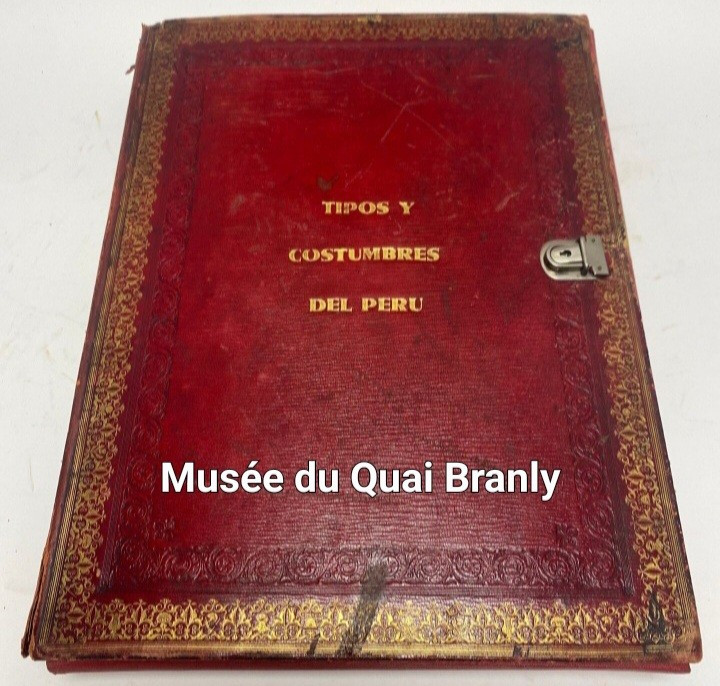
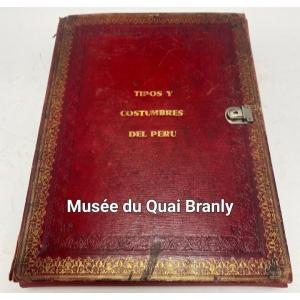
The independence of the Spanish colonies in America, at the beginning of the 19th century, opened the new republics to foreign traveling merchants. In Peru, a production of "costumbristas" watercolors developed, representing local social types, intended to serve as souvenirs for Europeans and Americans passing through. From the 1820s, direct trade was established between the port of Callao in Lima and Canton in China, operated by British and American ships. There had been painting workshops in Canton since the end of the previous century, producing watercolors for export to the West. From the 1820s and until the development of photography, these workshops copied Peruvian watercolors, notably those of Pancho Fierro (1807-1879), or Francisco Javier Cortés (1770 – 1841) for this international market. These watercolors were presented in albums of 12 or 24 images or sometimes alone. Due to the fragility of rice paper (Tetrapanax paperifer), very few have survived. We find a few collections in museums in Spain, Peru, and the United States. Photos upon request.
Explore similar pieces and discover your ideal find:
Watercolors