THIS OBJECT WAS SOLD

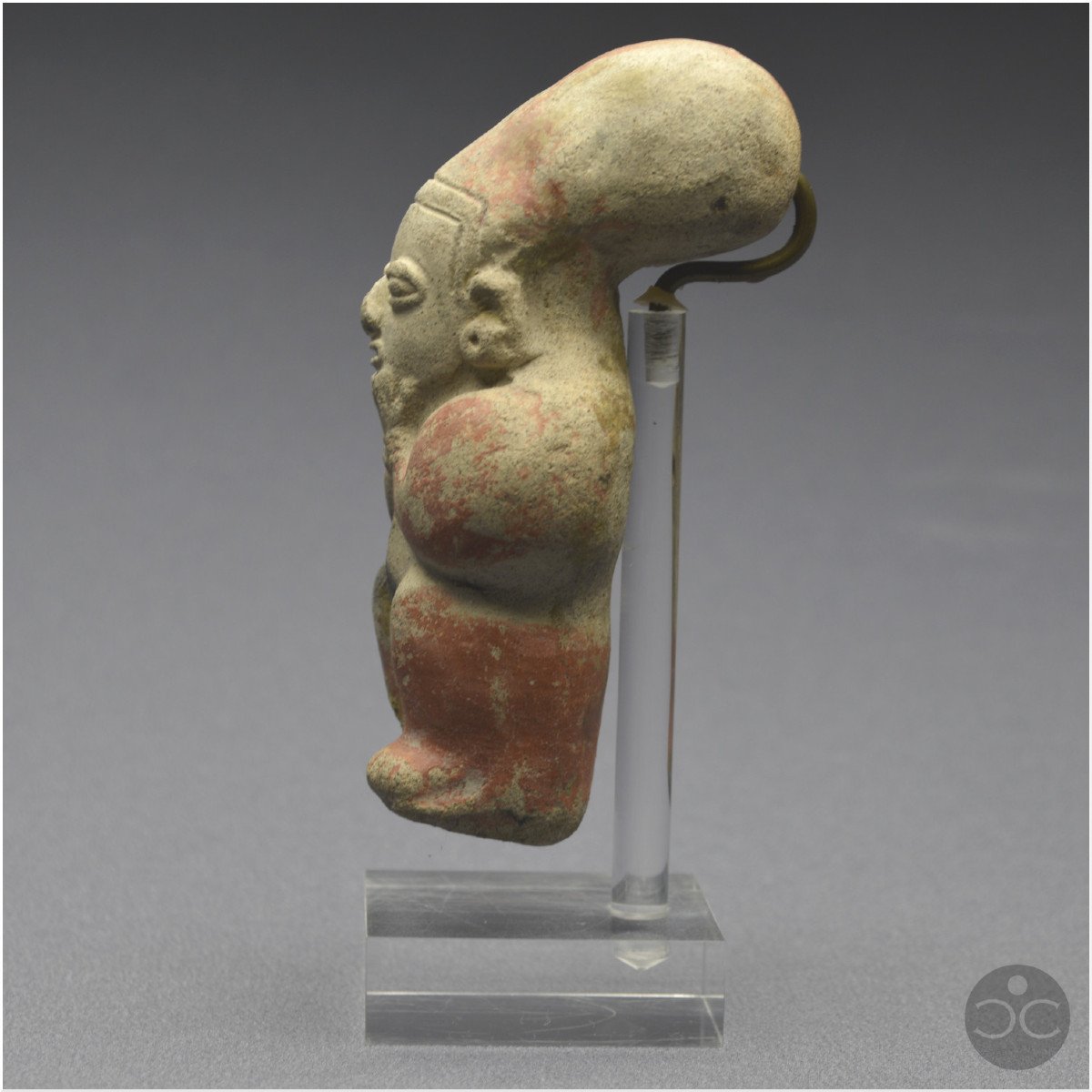
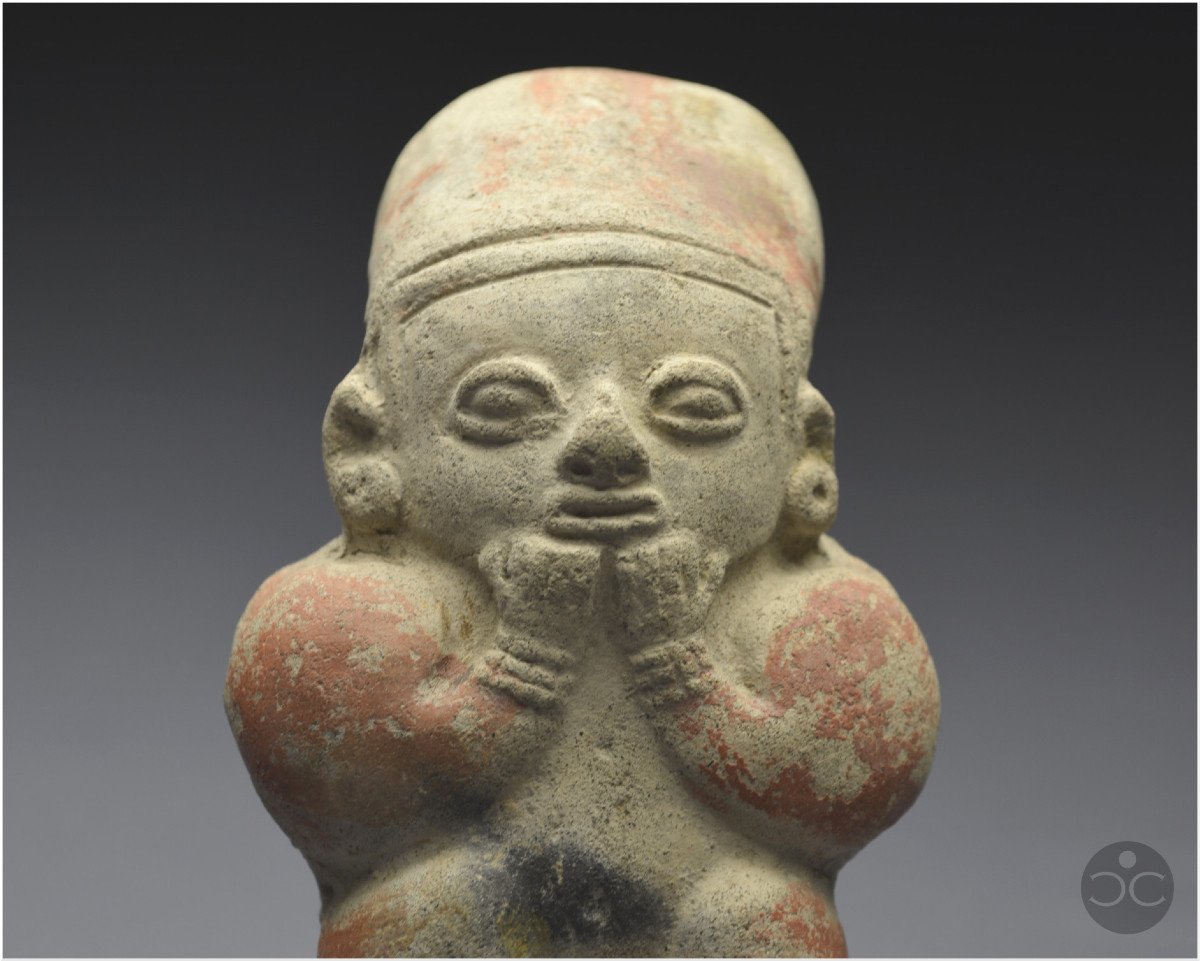
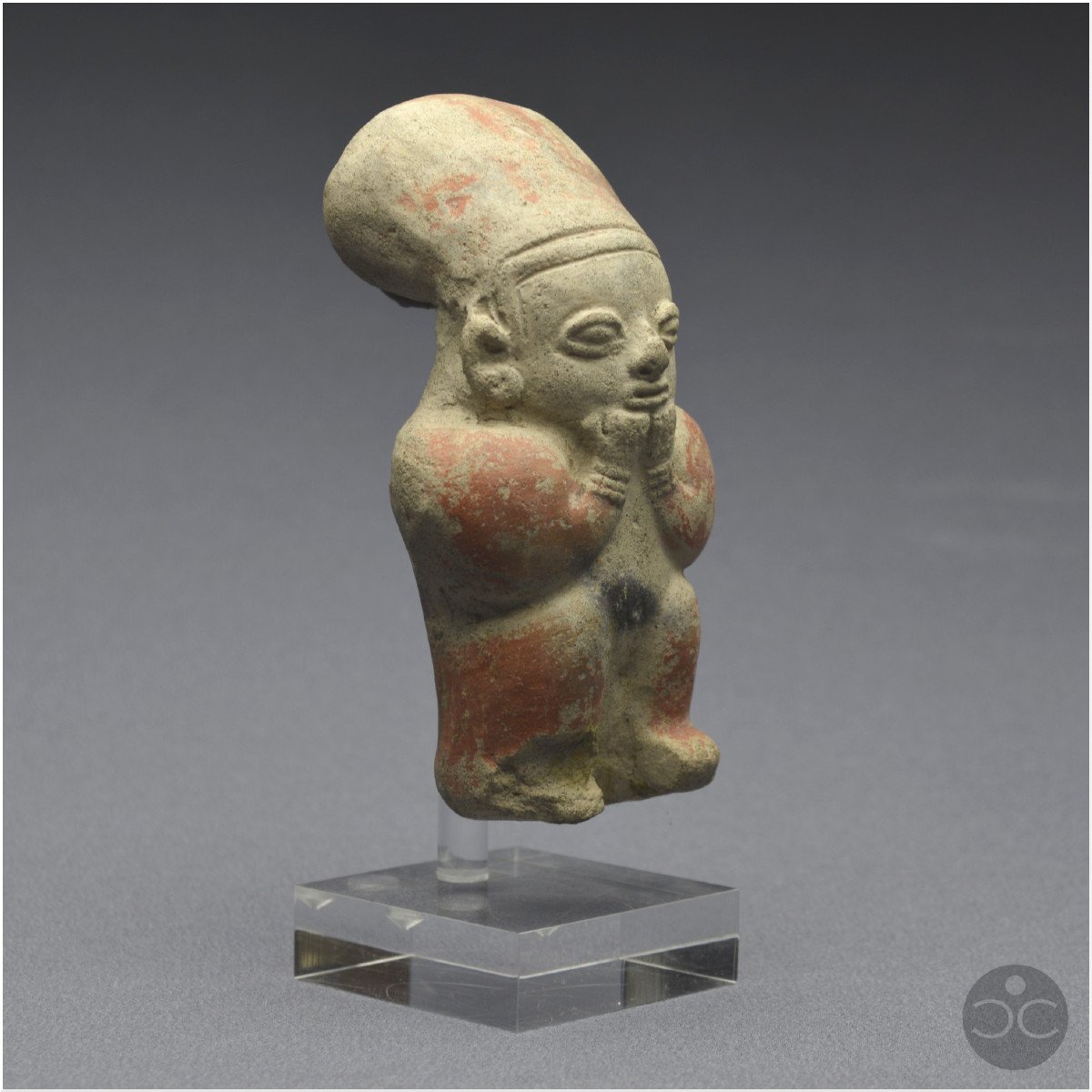
Ecuador, 500 Bc - 500 Ad, Jama-coaque Culture, Representation Of A Dignitary, Ceramic

Sold
Ecuador, 500 Bc - 500 Ad, Jama-coaque Culture, Representation Of A Dignitary, Ceramic
Sold
Ecuador, 500 Bc - 500 Ad, Jama-coaque Culture, Representation Of A Dignitary, Ceramic-photo-2
Sold
Ecuador, 500 Bc - 500 Ad, Jama-coaque Culture, Representation Of A Dignitary, Ceramic-photo-3
Sold
Ecuador, 500 Bc - 500 Ad, Jama-coaque Culture, Representation Of A Dignitary, Ceramic-photo-4
Sold
Ecuador, 500 Bc - 500 Ad, Jama-coaque Culture, Representation Of A Dignitary, Ceramic-photo-1
Sold
Ecuador, 500 Bc - 500 Ad, Jama-coaque Culture, Representation Of A Dignitary, Ceramic-photo-2
Sold
Ecuador, 500 Bc - 500 Ad, Jama-coaque Culture, Representation Of A Dignitary, Ceramic-photo-3
Sold
Ecuador, 500 Bc - 500 Ad, Jama-coaque Culture, Representation Of A Dignitary, Ceramic-photo-4
Sold
Ecuador, 500 Bc - 500 Ad, Jama-coaque Culture, Representation Of A Dignitary, Ceramic-photo-5
Sold
Ecuador, 500 Bc - 500 Ad, Jama-coaque Culture, Representation Of A Dignitary, Ceramic-photo-6
Sold
Ecuador, 500 Bc - 500 Ad, Jama-coaque Culture, Representation Of A Dignitary, Ceramic-photo-7
Sold
Ecuador, 500 Bc - 500 Ad, Jama-coaque Culture, Representation Of A Dignitary, Ceramic-photo-8
More pictures

Representation of a dignitary in polychrome ceramic

Ecuador
Jama-Coaque Culture, 500 BC – 500 AD.


The character is represented standing, arms pressed against the body, hands clasped under the chin. The polychrome limbs are hypertrophied as is the skull showing significant ritual deformation as well as an inverted red 'T' pattern, the wrists adorned with bracelets materialized by fine incisions. The face is characterized by coffee bean eyes, a wide, flat nose above a small quadrangular mouth, the top of the skull and the temples delimited by a fine edging, the ears decorated with circular pendants (tambas).
An inventory number appears on the back of the subject.

The Jama-Coaque culture developed on the central coast of Ecuador, south of La Tolita. Like the Bahía and La Tolita cultures, it is the product of the original development of the Chorrera culture (1000 BC). Particularly renowned for its elegant ceramic figurines with stereotypical features, these are differentiated by the variety and richness of their ornamentation. Close to the Tumaco-Tolita culture, it nevertheless differs in its approach to ceramics through a combination of incision relief. Likewise, a significant part of ceramic production has a ceremonial character and often features high-ranking figures. Representations of our type are, to our knowledge, uncommon.

The figures of dignitaries are often hieratic or even austere. Also the position of the hands under the chin in our piece would make it almost familiar to us.

Polychrome ceramic
11 x 06 cm without stand
Surface wear and small accident
Former collection of Madame N.


Follow us on facebook: https://www.facebook.com/profile.php?id=61556625114407
Contact us: culturesetcivilisations@orange.fr

Explore similar pieces and discover your ideal find:

Terracotta Sculptures

Terracotta Sculpture With Bronze Patina By Ugo Cipriani
Goldscheider, "othello", Terracotta Bust, Signed Circa 1900
Large Bust Of Girl Friedrich Goldscheider
Polychrome Terracotta Sculpture Joan Of Arc By Eugene Gairal De Serezin 1910 Art Nouveau
Bust Of A Young Girl Crowned With Lilies - Albert-ernest Carrier-belleuse (1824-1887)
Children With Amphorae, Louis Carrier-belleuse (1848-1913)

03 Allée Henri le Navigateur
Villefontaine 38090, France

04 74 96 36 93

07 88 06 74 56

Follow the dealer

CONTACT

SIGN UP TO OUR NEWSLETTER

facebook
instagram

Cultures & Civilisations
Children With Amphorae, Louis Carrier-belleuse (1848-1913)
407502-1.jpg

04 74 96 36 93

07 88 06 74 56


*We will send you a confirmation email from info@proantic.com .
Please check your messages, including the spam folder.