THIS OBJECT WAS SOLD
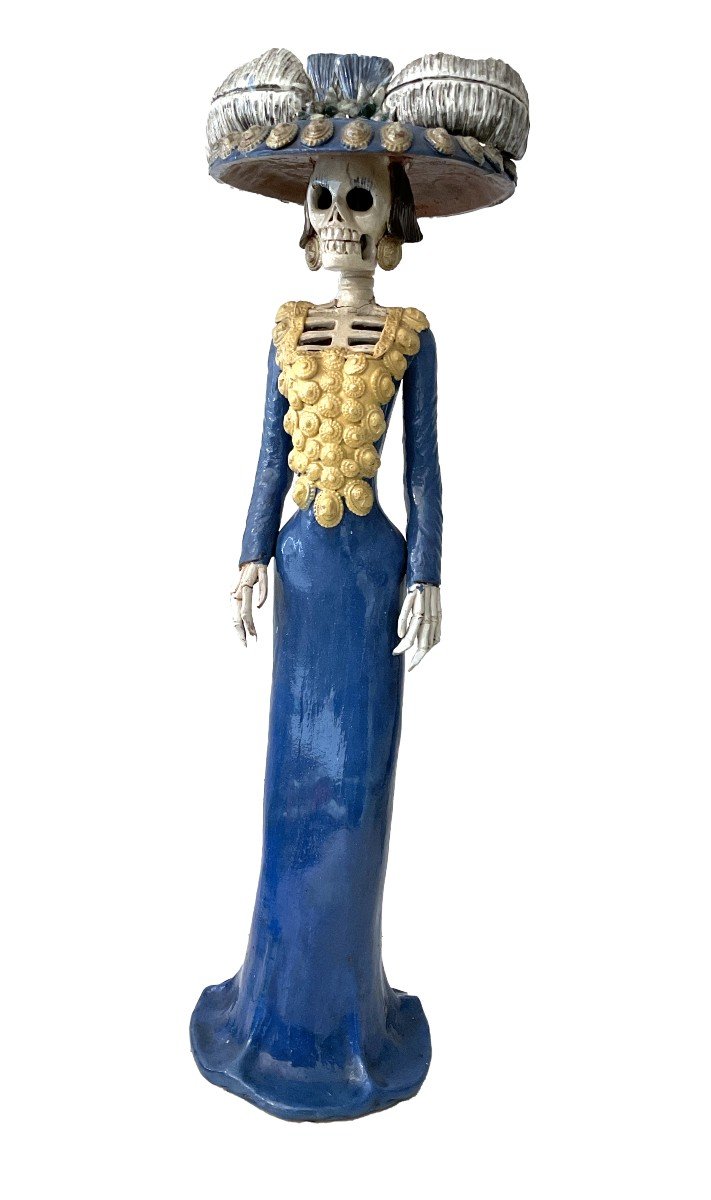
20th Century Mexican Artist, Catrina, Terracotta Sculpture Painted In Polychrome


20th century Mexican artist
Catrina
terracotta sculpture painted in polychrome
cm. 61x22x19
Mexico, mid-20th century
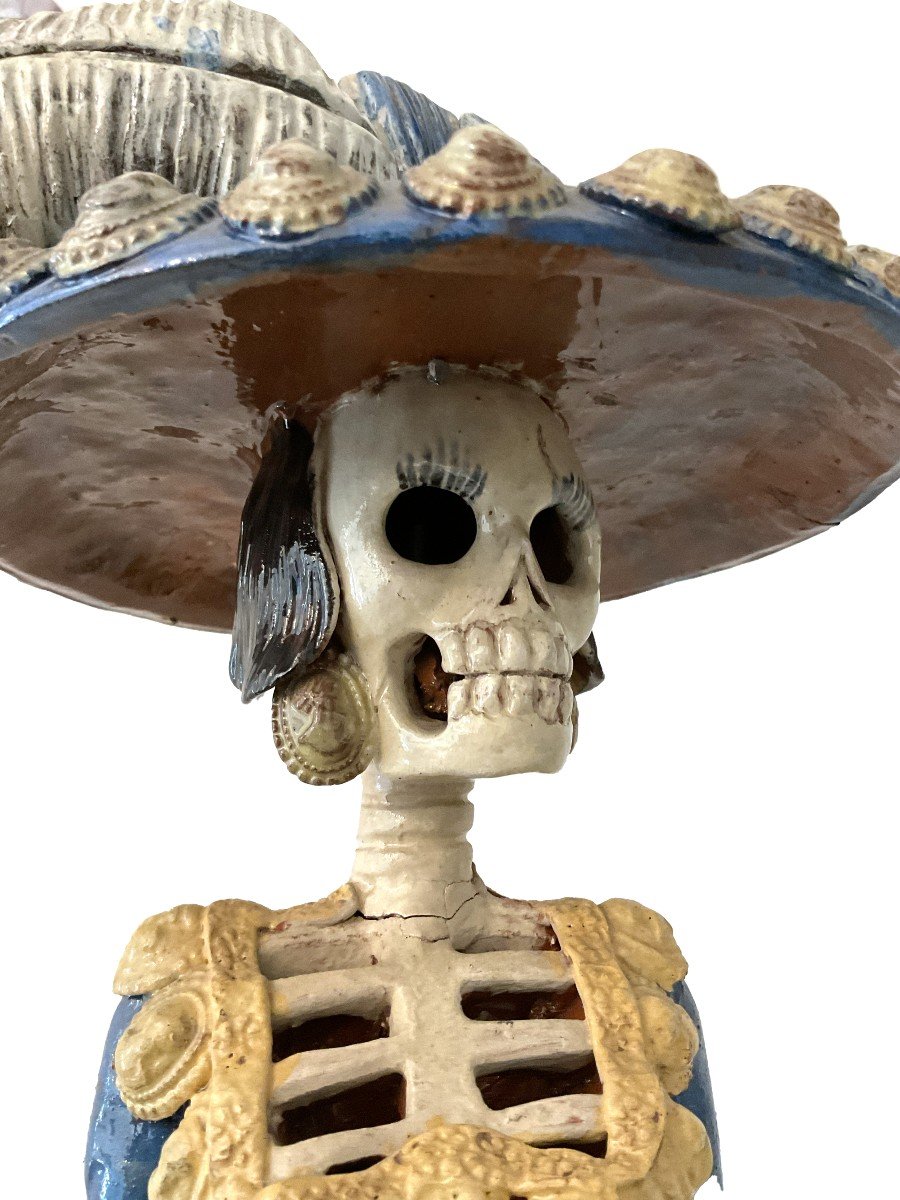
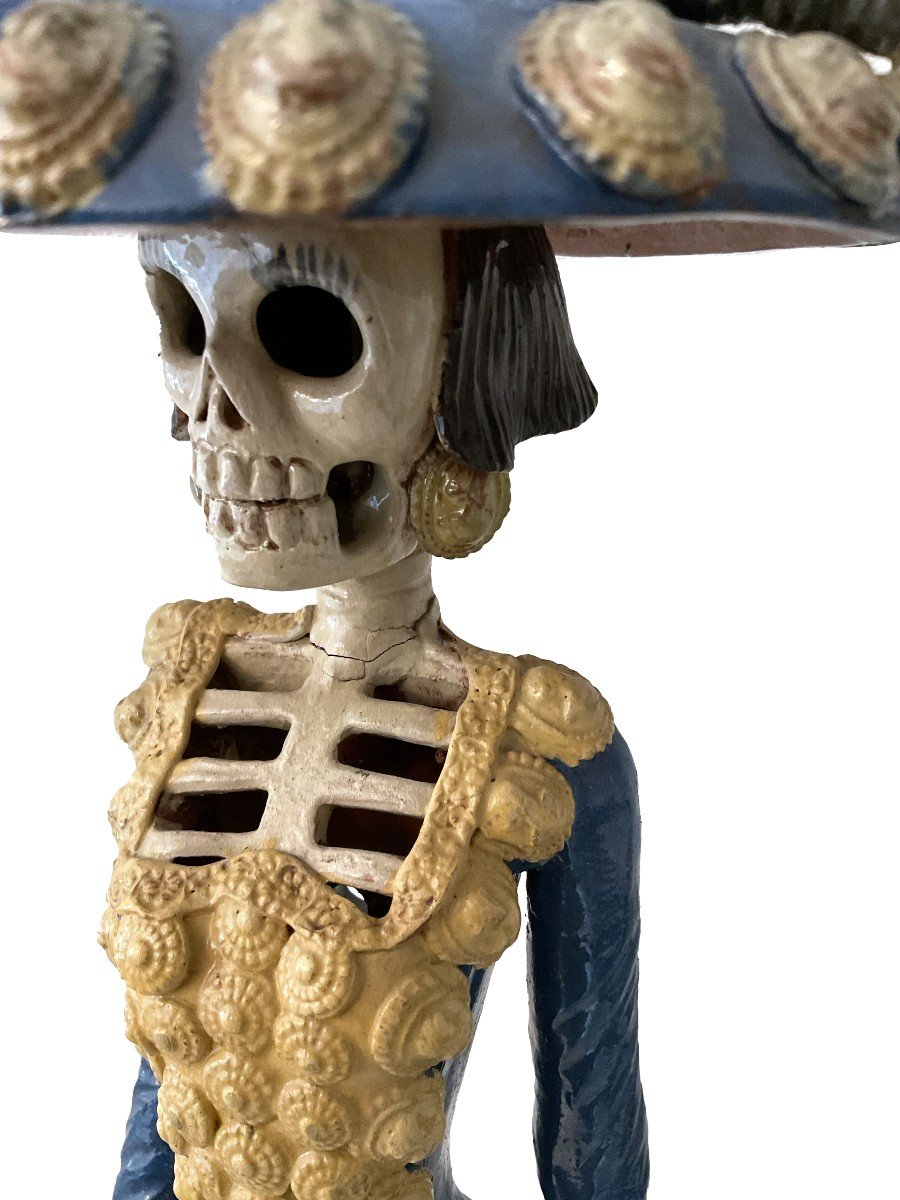
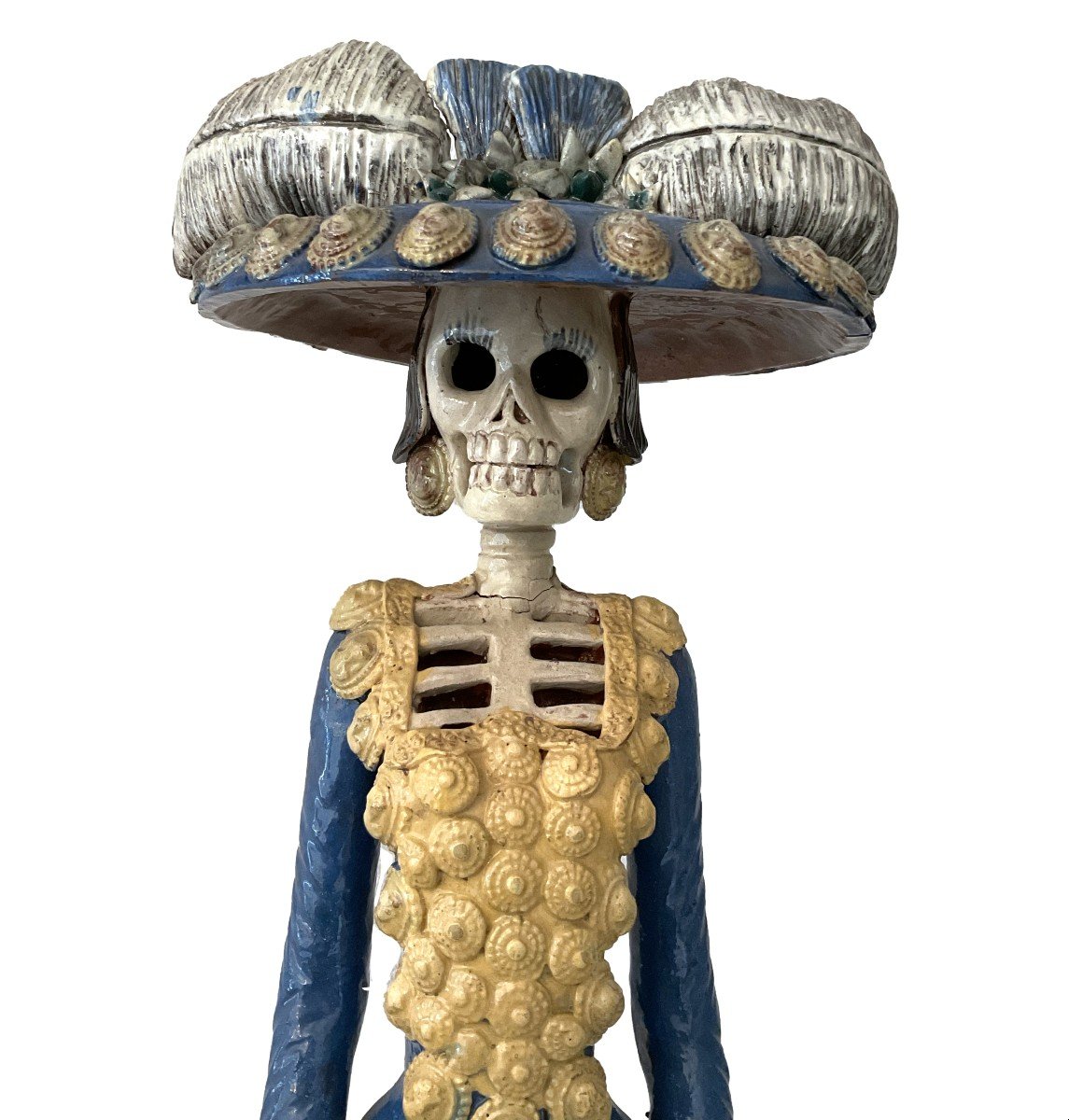
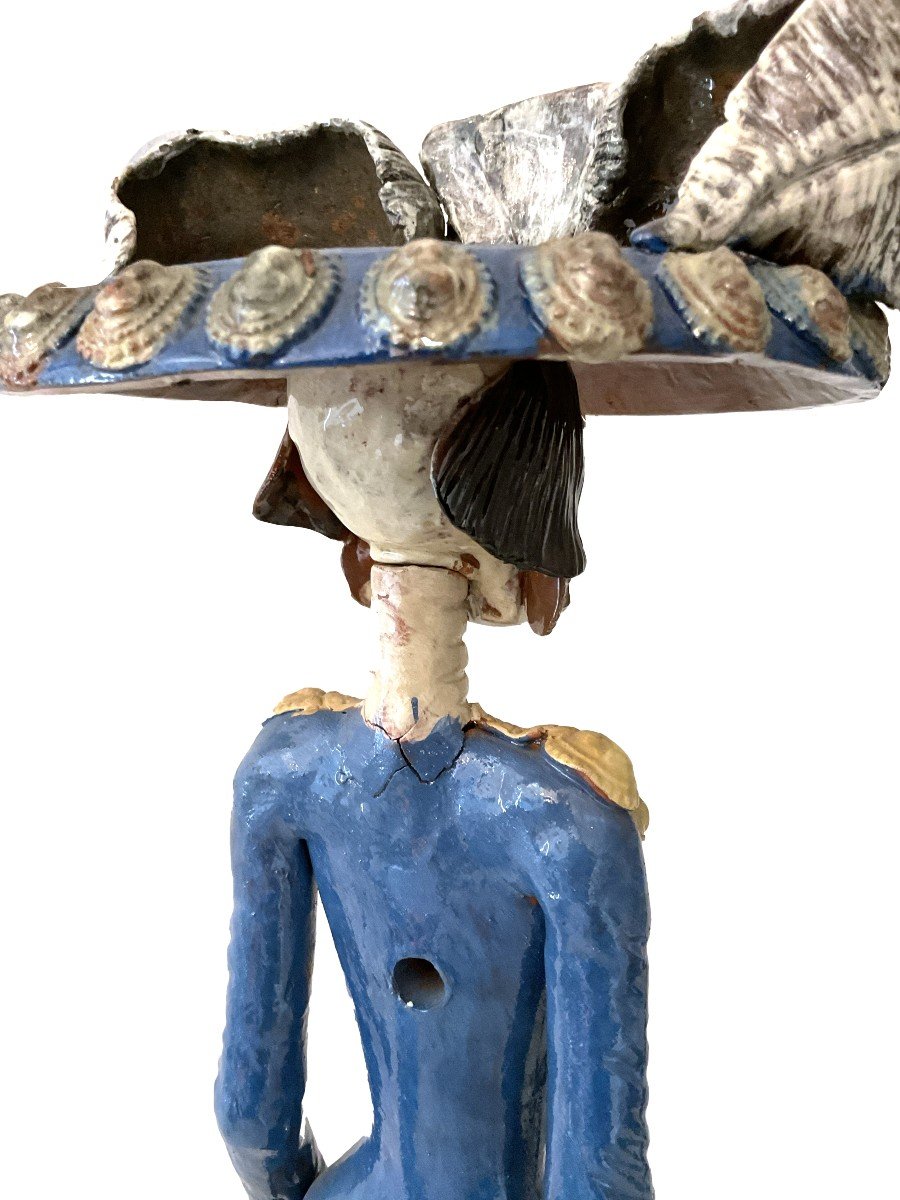
In good overall condition, some small defects as highlighted by the photographs.
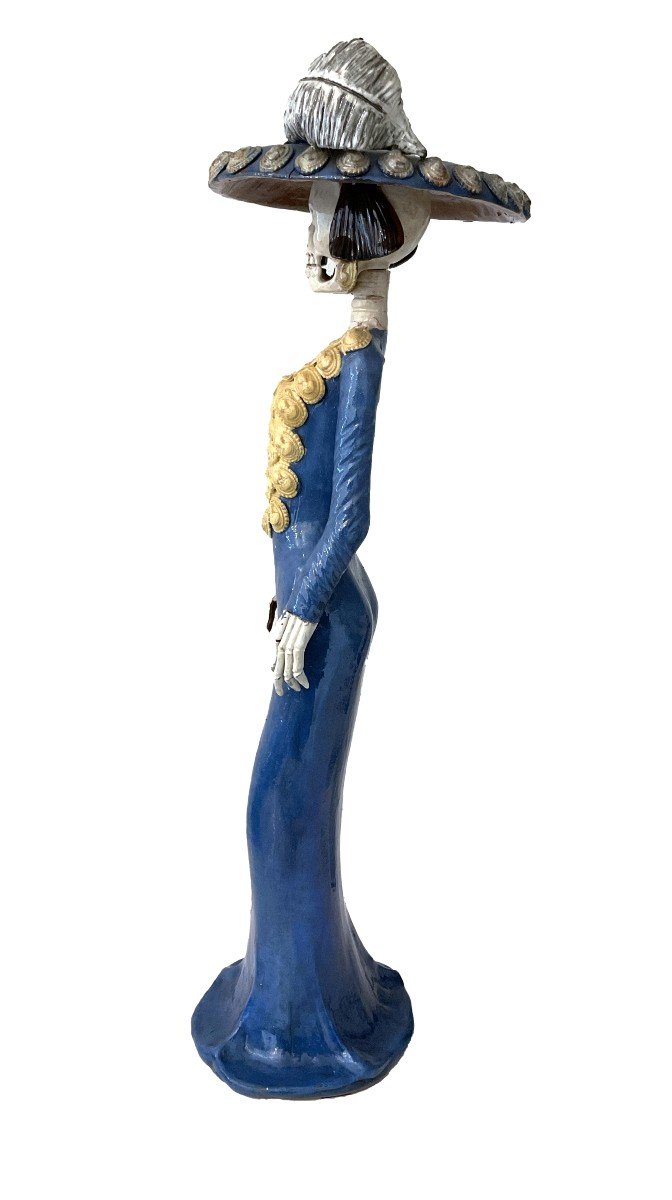
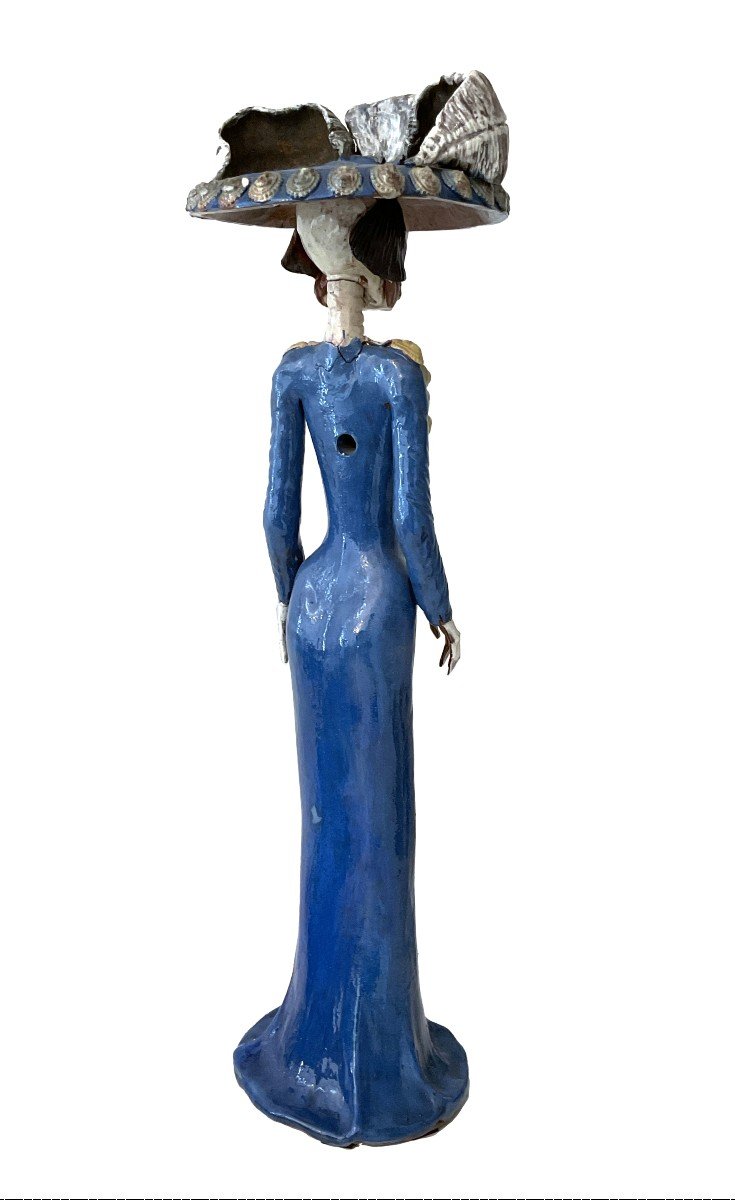
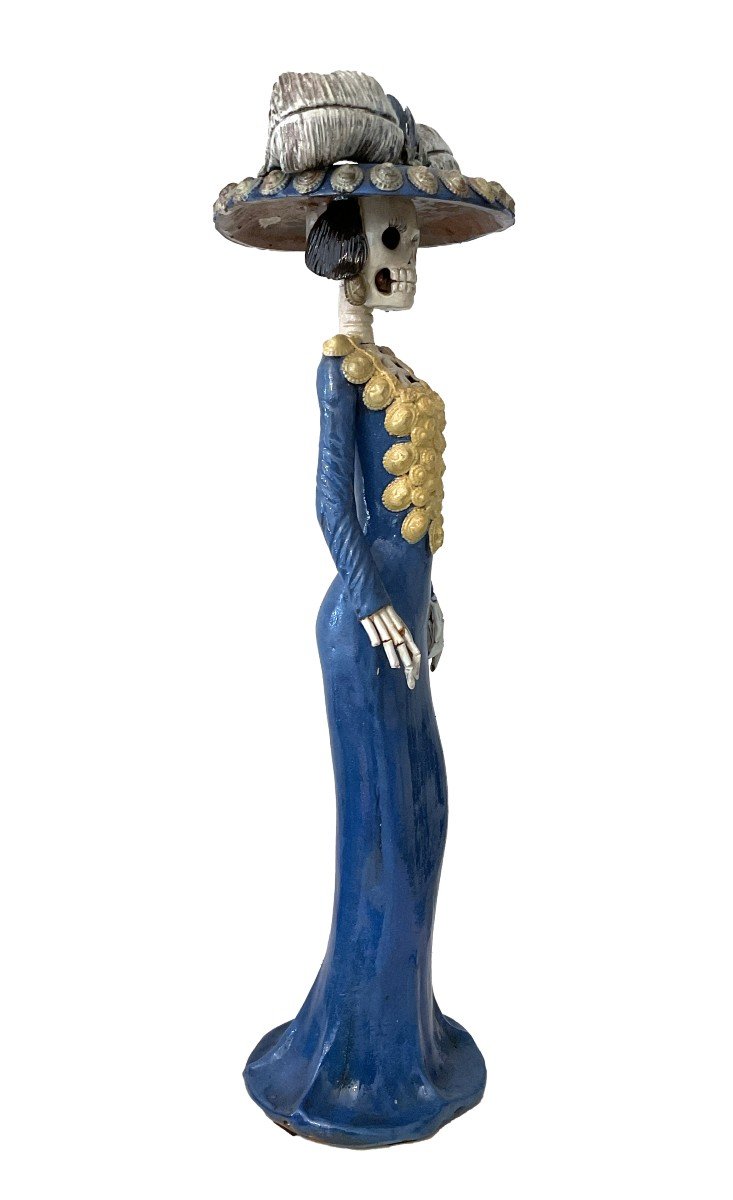
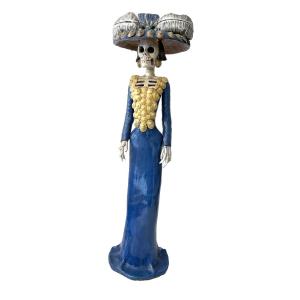
This particular sculpture depicts the Catrina, also known as La Calavera Catrina, one of the icons of Mexican culture, particularly associated with the celebration of Dia de los Muertos (the Day of the Dead).
An elegant, skeletal figure, he has a rich and complex history dating back to Mexico's post-revolutionary period. La Catrina was created by the Mexican artist José Guadalupe Posada at the beginning of the 20th century with the original name of Calavera Garbancea: a skeletal female figure, dressed in an elegant dress, wearing a tall hat and adorned with feathers.
The evolution to the current iconography is partly due to the Mexican muralist Diego Rivera who painted a version of the Catrina in his famous mural completed in 1947, thus contributing to making her image popular and deeply rooted in Mexican culture.
Today the Catrina is one of the most recognizable symbols of Mexican culture, closely linked to the celebration of Dia de los Muertos (Day of the Dead). It embodies the Mexican notion of death as an inevitable part of life and celebrates the memory of the deceased in a colorful and festive way
Catrina
terracotta sculpture painted in polychrome
cm. 61x22x19
Mexico, mid-20th century
In good overall condition, some small defects as highlighted by the photographs.
This particular sculpture depicts the Catrina, also known as La Calavera Catrina, one of the icons of Mexican culture, particularly associated with the celebration of Dia de los Muertos (the Day of the Dead).
An elegant, skeletal figure, he has a rich and complex history dating back to Mexico's post-revolutionary period. La Catrina was created by the Mexican artist José Guadalupe Posada at the beginning of the 20th century with the original name of Calavera Garbancea: a skeletal female figure, dressed in an elegant dress, wearing a tall hat and adorned with feathers.
The evolution to the current iconography is partly due to the Mexican muralist Diego Rivera who painted a version of the Catrina in his famous mural completed in 1947, thus contributing to making her image popular and deeply rooted in Mexican culture.
Today the Catrina is one of the most recognizable symbols of Mexican culture, closely linked to the celebration of Dia de los Muertos (Day of the Dead). It embodies the Mexican notion of death as an inevitable part of life and celebrates the memory of the deceased in a colorful and festive way
Explore similar pieces and discover your ideal find:
Curiosities