THIS OBJECT WAS SOLD
Antique Portrait Of The German School Of The 18th Century
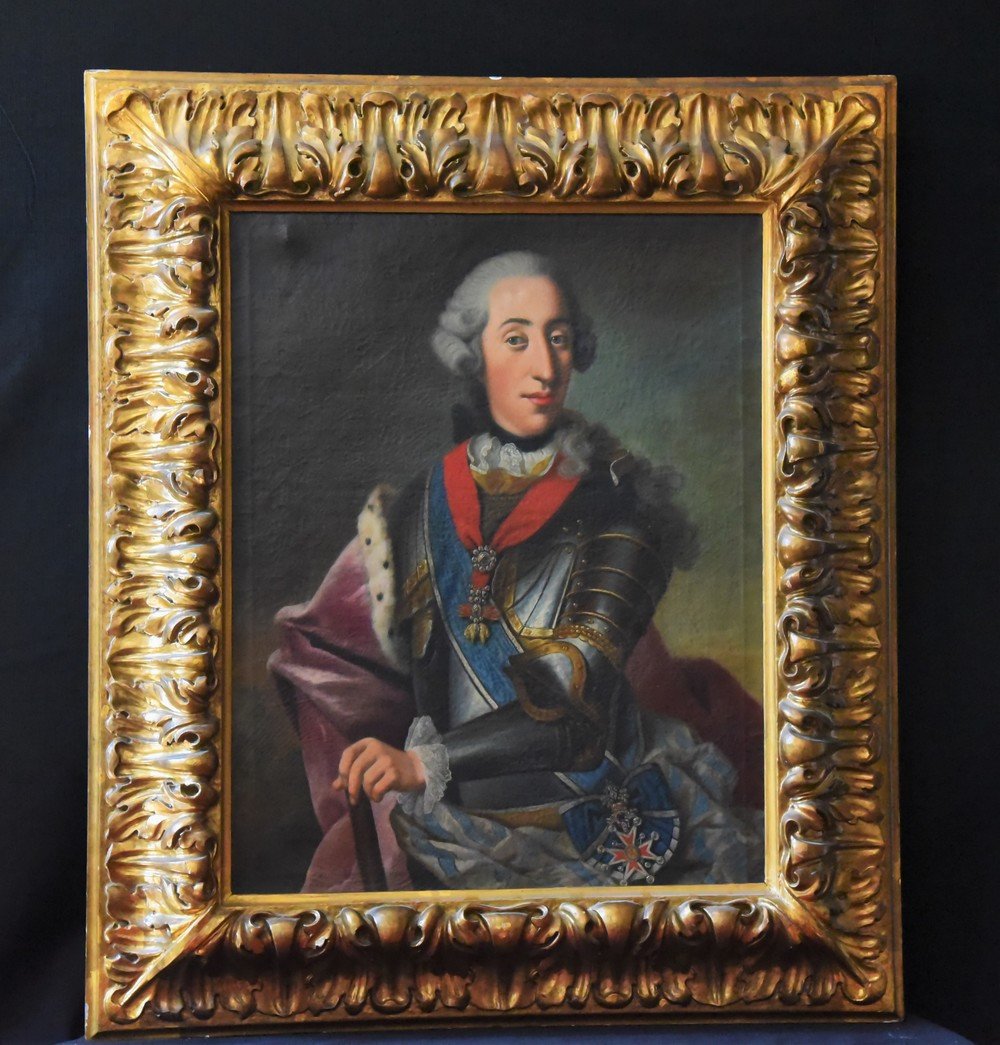



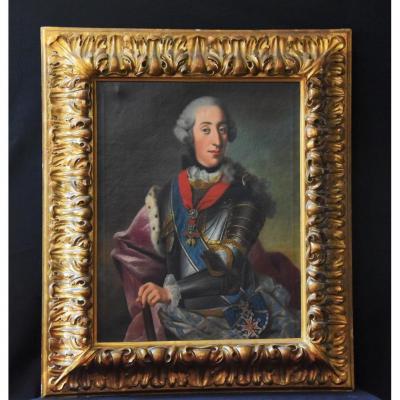




Oil on canvas - Dimensions 95 x 74 cm - with frame 127 x 109 cm
Federico Michele, Count Palatine (1724-1767)
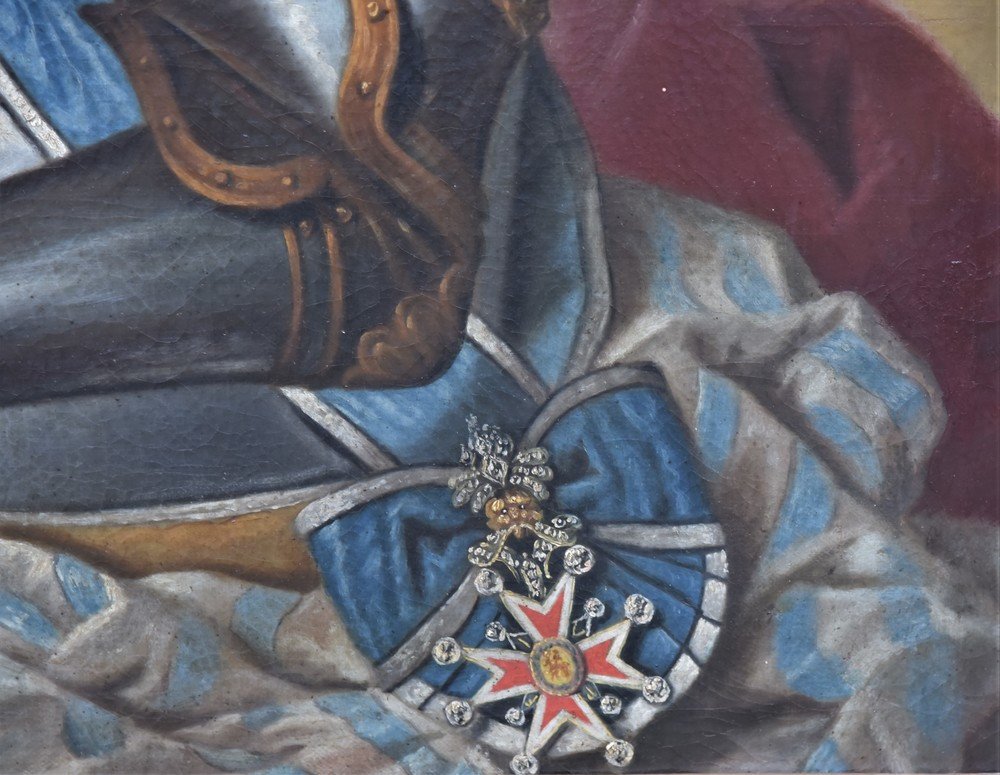
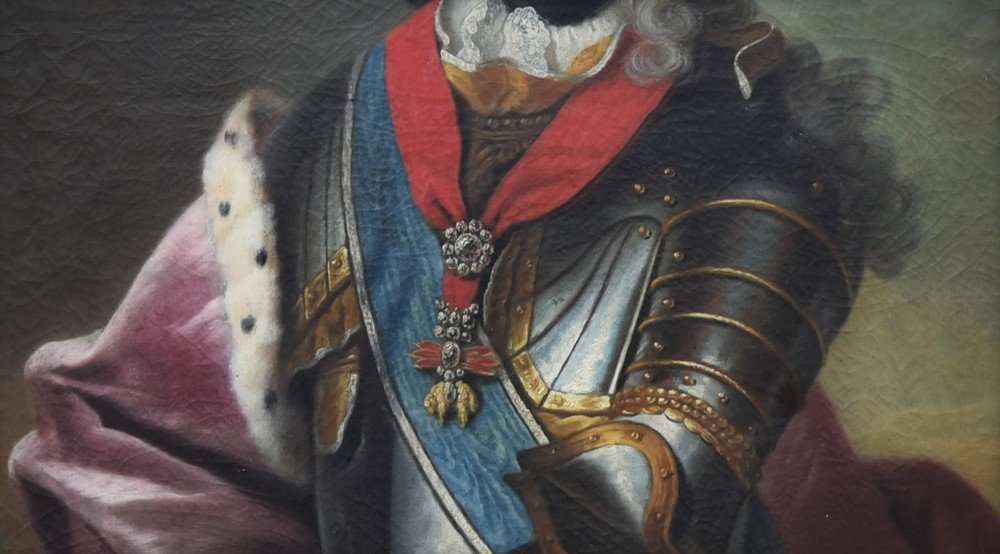
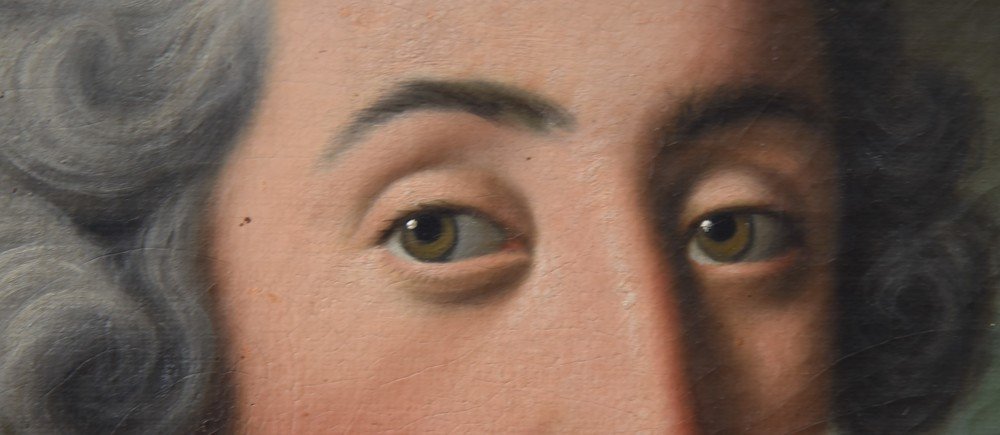
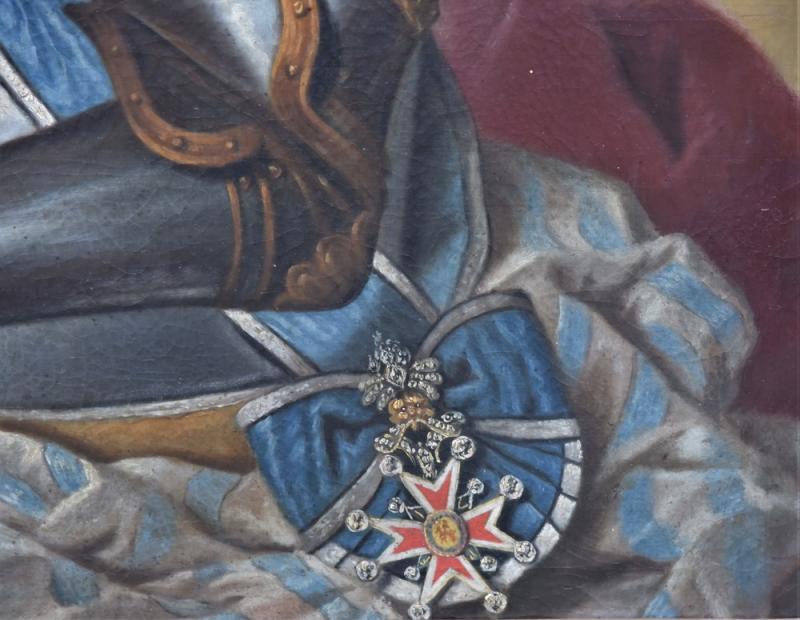
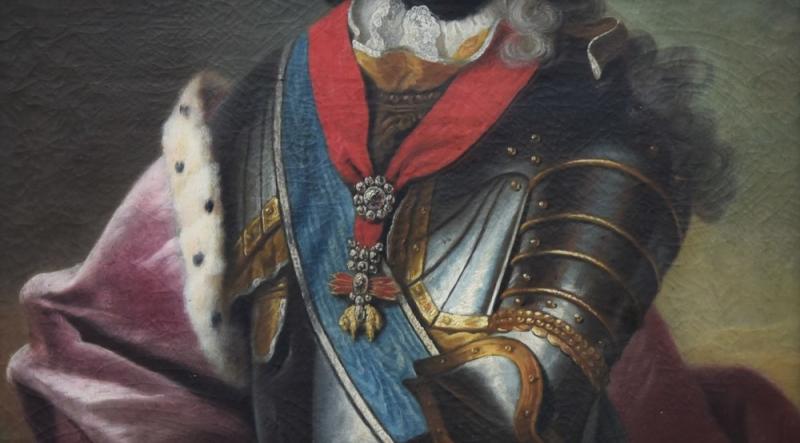
Half figure to the left, head turned to the right. In armor, with an ermine-lined coat, they are visible
The symbol of the Grand Cross of the order of St. George and the symbol of the order of the Tosons.
The colors are very bright making the painting very pleasant to admire.
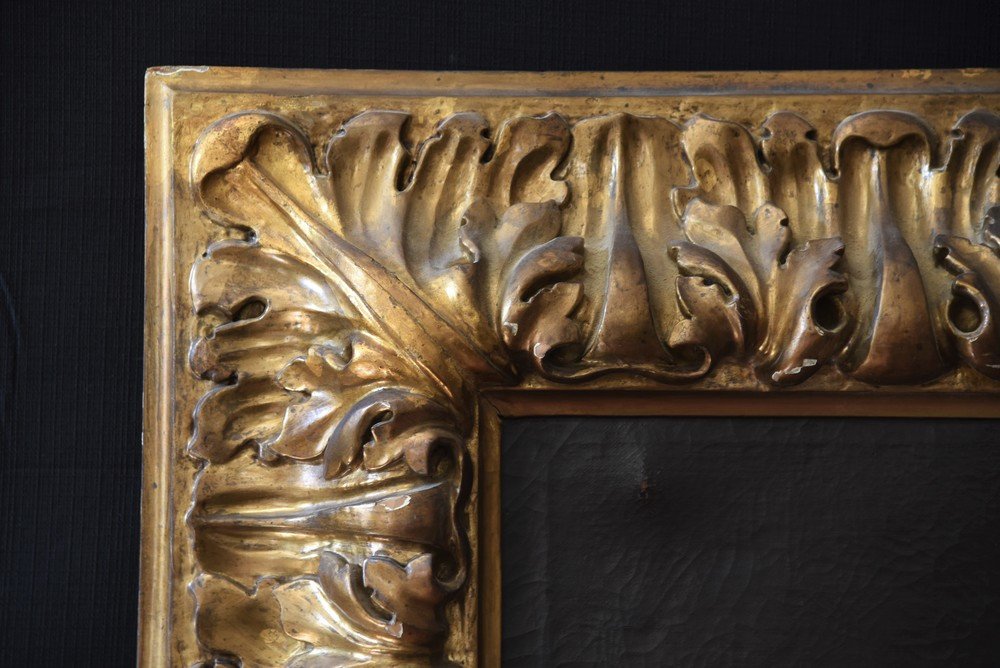
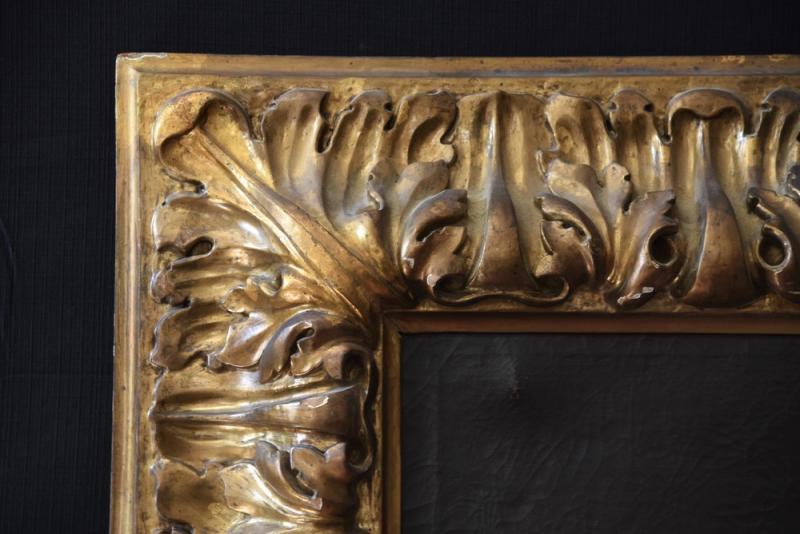
A beautiful and impressive Renaissance frame in carved and gilded wood completes the work, giving it a pleasant combination.
Provenance: Former Royal Collection of Paintings, Munich
Rear inventory label of the Royal Collection of Paintings, numbered 6072.
Federico Michele, Count Palatine of Zweibrücken-Birkenfeld (Rappoltsweiler, February 27, 1724 - Schwetzingen, August 15, 1767), was a member of the House of Wittelsbach.
The Wittelsbach family is a dynasty originating from Bavaria, which has risen to the rank of a European royal family; it is considered the oldest German dynasty still in existence and one of the oldest in Europe. "
• Conte palatino (Latin: comes palatii) was the title associated with one of the most illustrious offices of the early Middle Ages in the kingdoms of the Franks or derived from them; it gradually lost its importance over the centuries until it became, especially in the 15th century, a bargaining chip used by the emperors towards their vassals to make money.
•
The name of Count Palatine seems to originate from the title of "Count of the Palace", or the "Sacred Palace", of the Frankish sovereigns, where this title remained in use until the sixth century. Subsequently the title passed to Italy following the conquest by Charlemagne in 773-774.
The task of the Count Palatine was to judge all the cases that had reached the court of the sovereign, and then bring to the attention of the King only those judgments that he considered
important.
Federico Michele, Count Palatine (1724-1767)
Half figure to the left, head turned to the right. In armor, with an ermine-lined coat, they are visible
The symbol of the Grand Cross of the order of St. George and the symbol of the order of the Tosons.
The colors are very bright making the painting very pleasant to admire.
A beautiful and impressive Renaissance frame in carved and gilded wood completes the work, giving it a pleasant combination.
Provenance: Former Royal Collection of Paintings, Munich
Rear inventory label of the Royal Collection of Paintings, numbered 6072.
Federico Michele, Count Palatine of Zweibrücken-Birkenfeld (Rappoltsweiler, February 27, 1724 - Schwetzingen, August 15, 1767), was a member of the House of Wittelsbach.
The Wittelsbach family is a dynasty originating from Bavaria, which has risen to the rank of a European royal family; it is considered the oldest German dynasty still in existence and one of the oldest in Europe. "
• Conte palatino (Latin: comes palatii) was the title associated with one of the most illustrious offices of the early Middle Ages in the kingdoms of the Franks or derived from them; it gradually lost its importance over the centuries until it became, especially in the 15th century, a bargaining chip used by the emperors towards their vassals to make money.
•
The name of Count Palatine seems to originate from the title of "Count of the Palace", or the "Sacred Palace", of the Frankish sovereigns, where this title remained in use until the sixth century. Subsequently the title passed to Italy following the conquest by Charlemagne in 773-774.
The task of the Count Palatine was to judge all the cases that had reached the court of the sovereign, and then bring to the attention of the King only those judgments that he considered
important.
Explore similar pieces and discover your ideal find:
Portraits