THIS OBJECT WAS SOLD
Sèvres: Portrait Of Alexander 1st Of Russia, Biscuit By Sculptor Alexandre Brachard 1775-1843
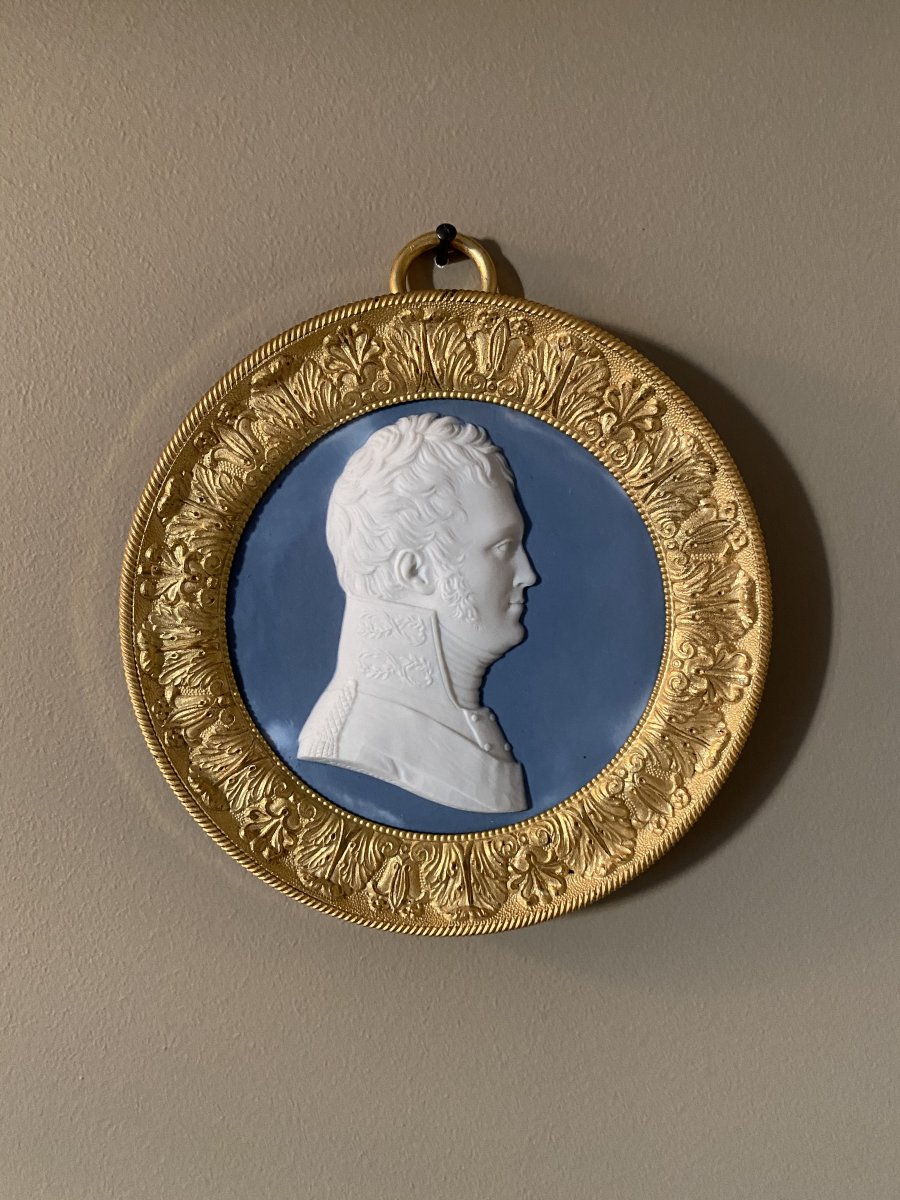
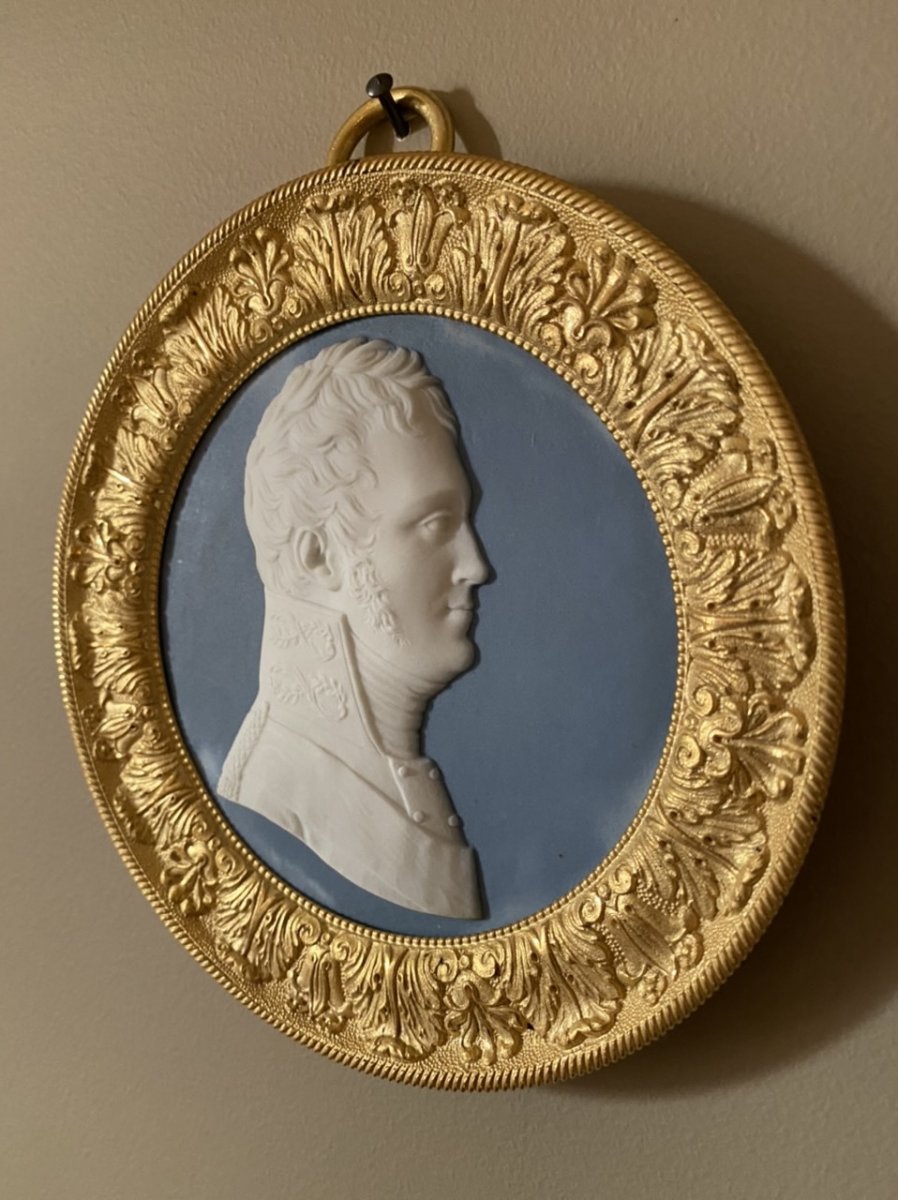
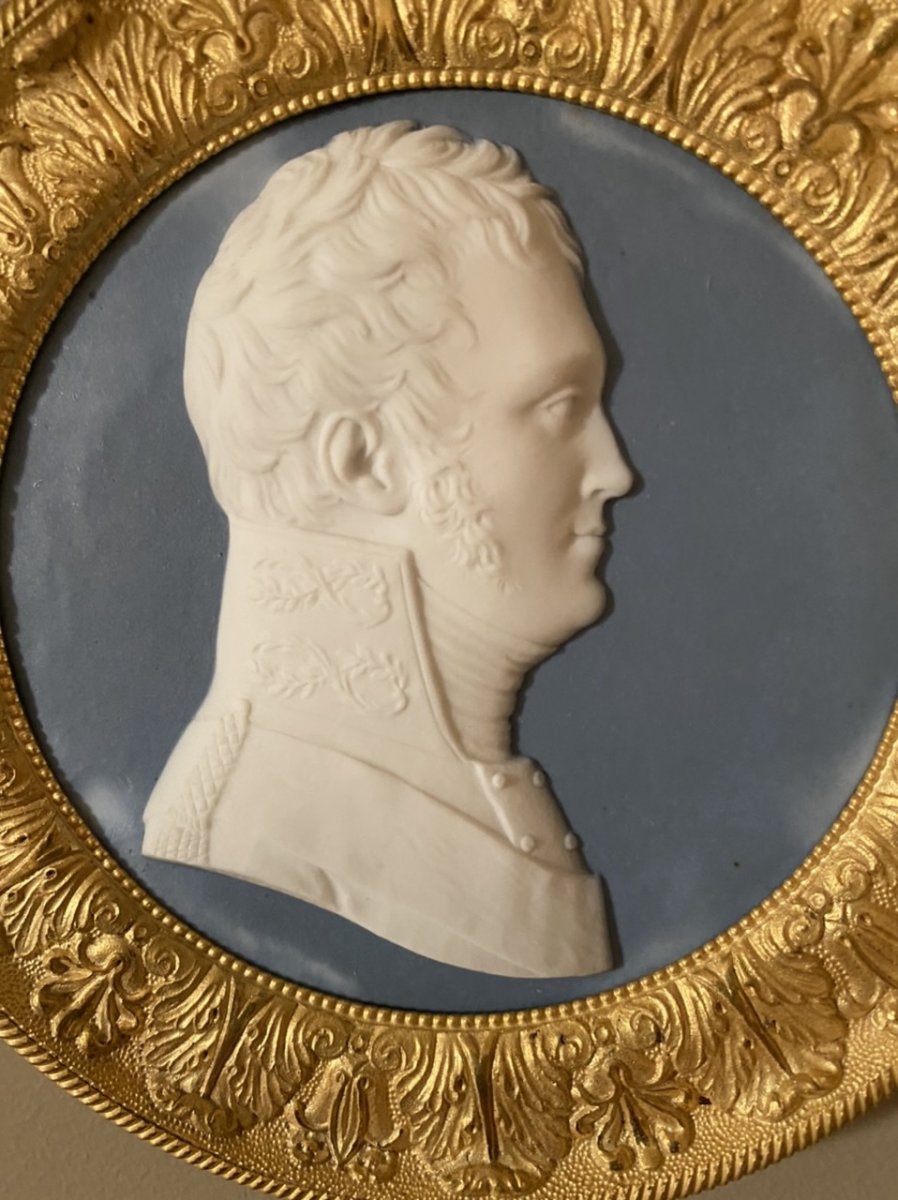

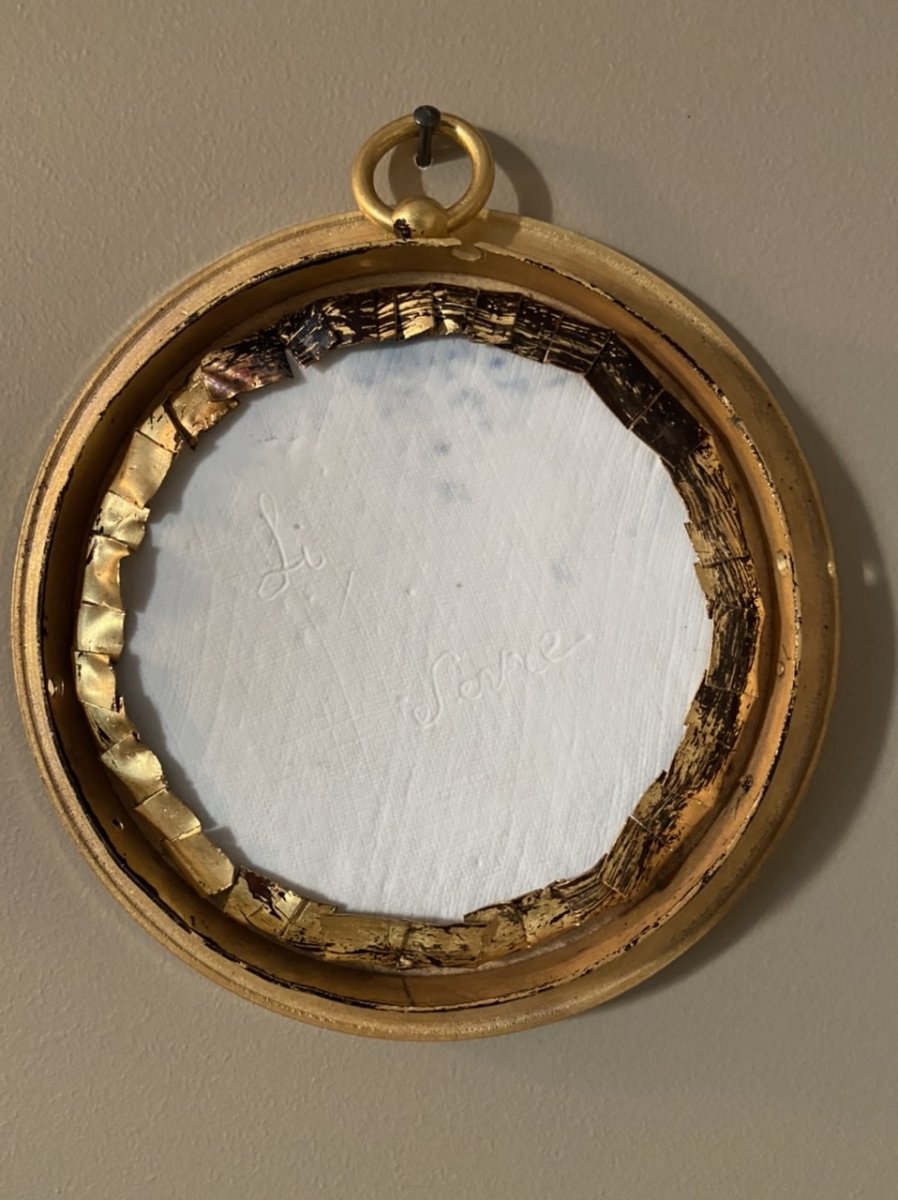
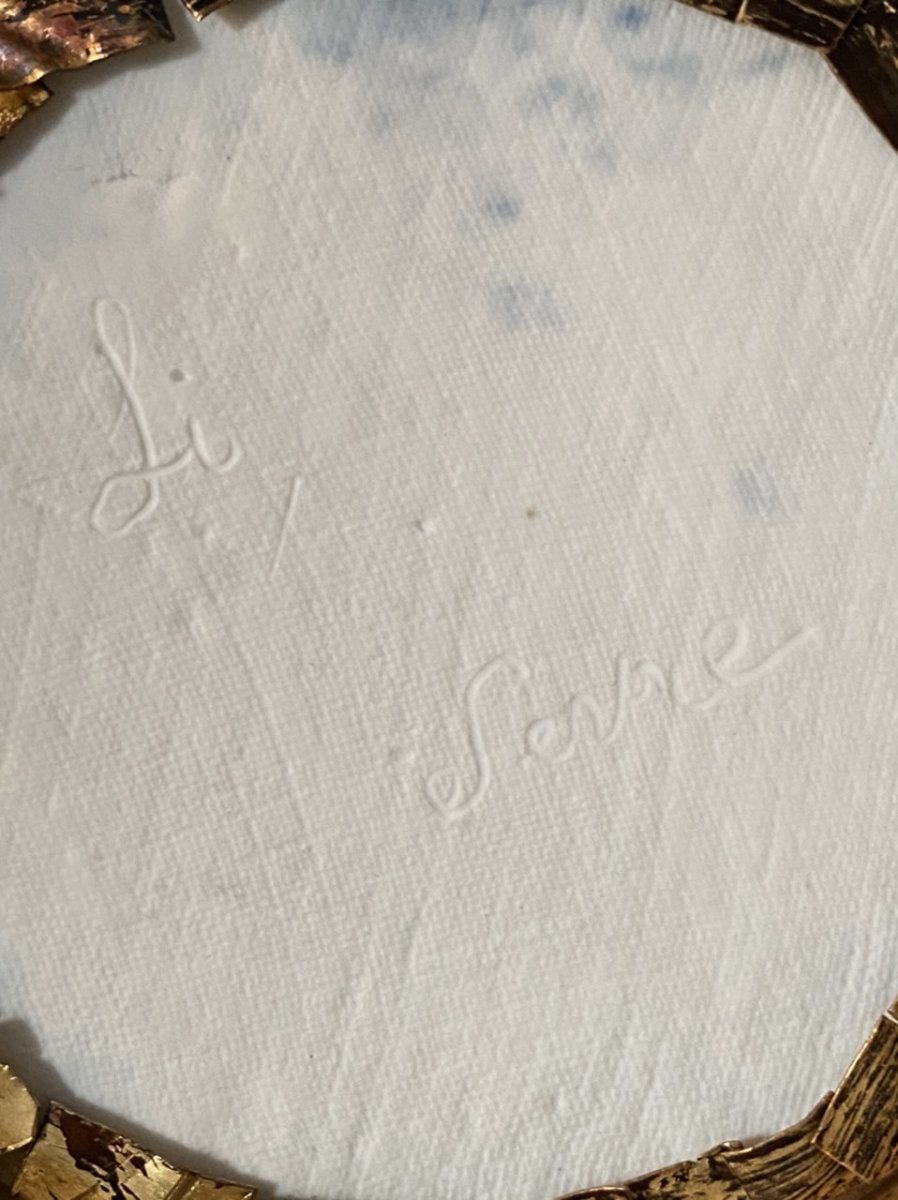
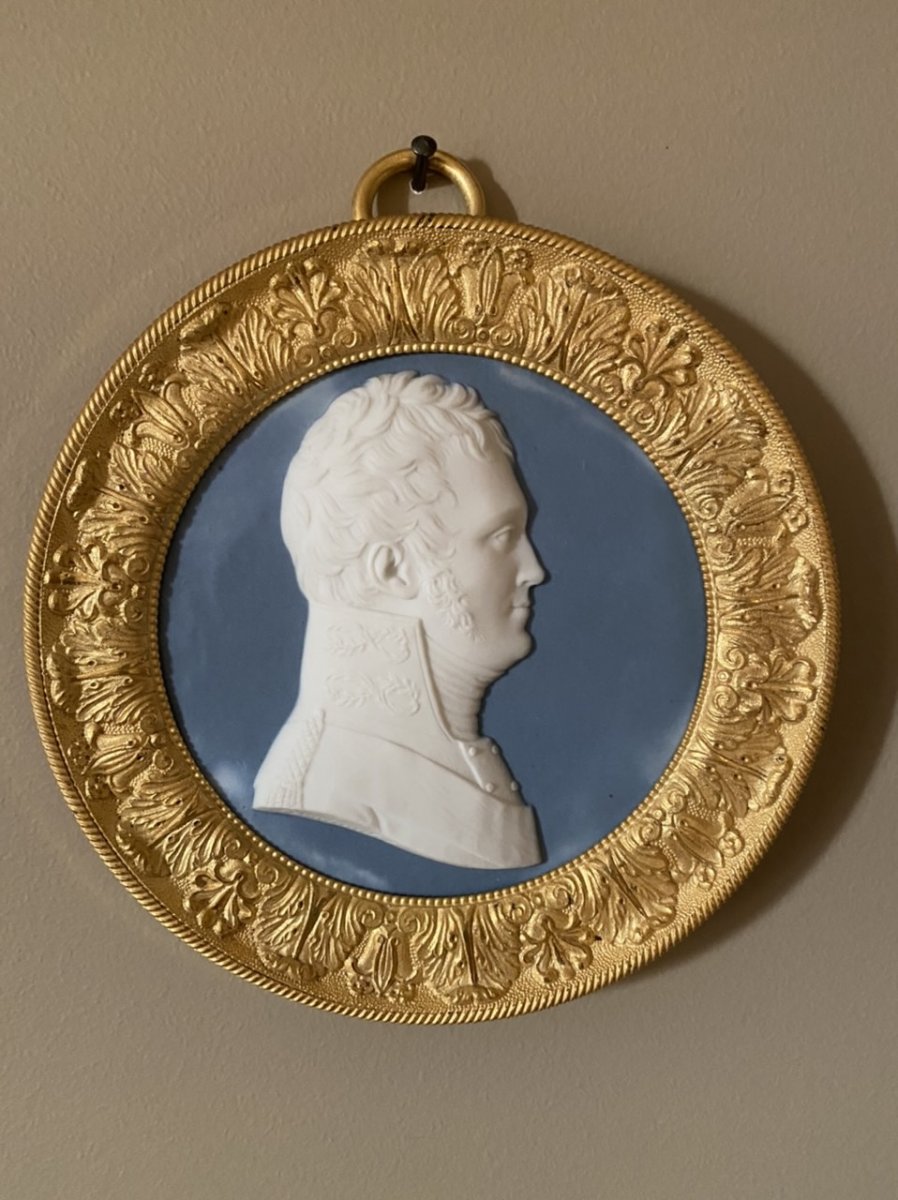
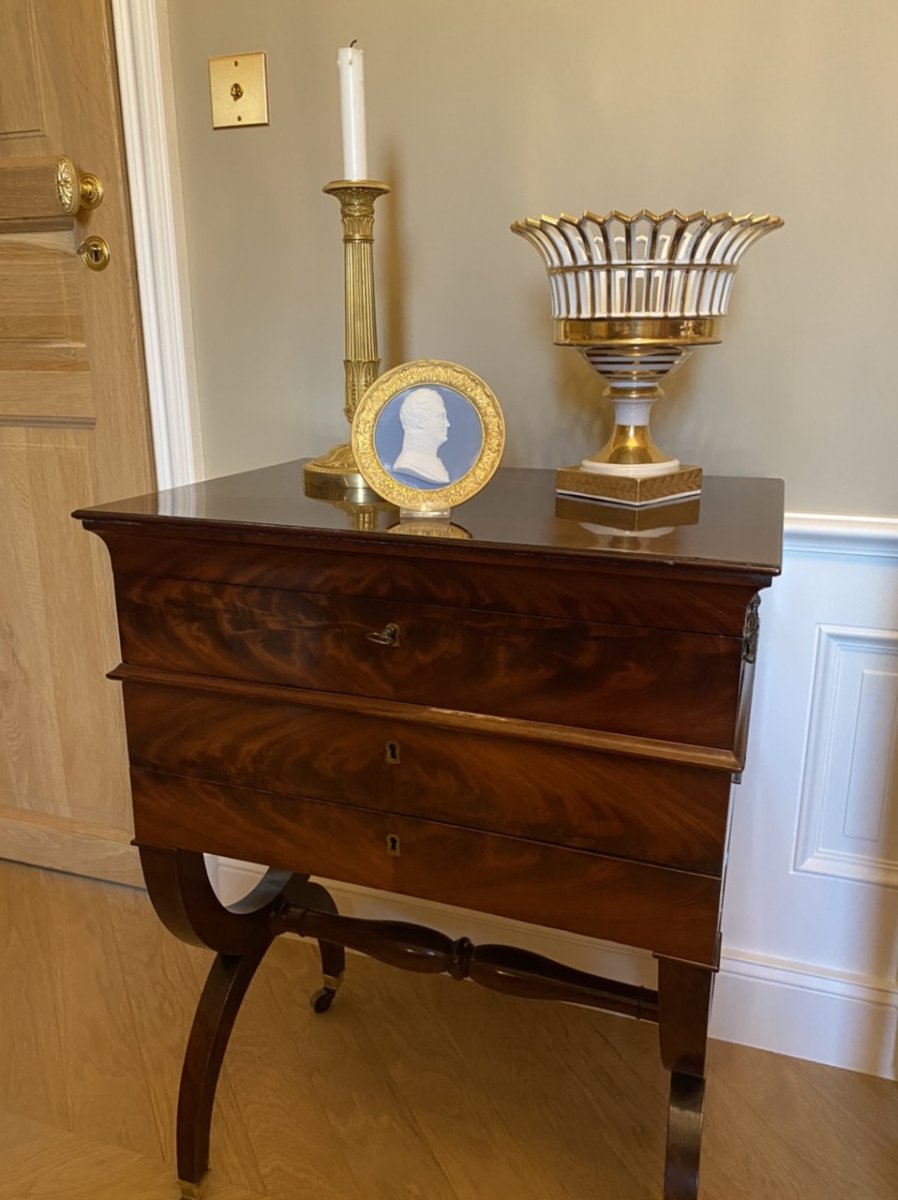
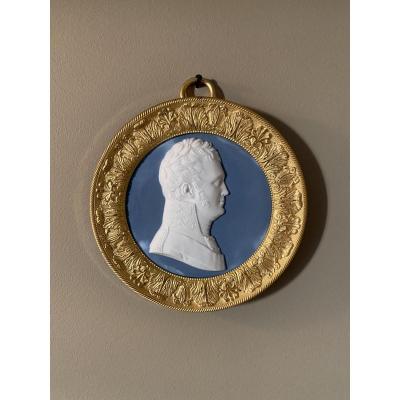
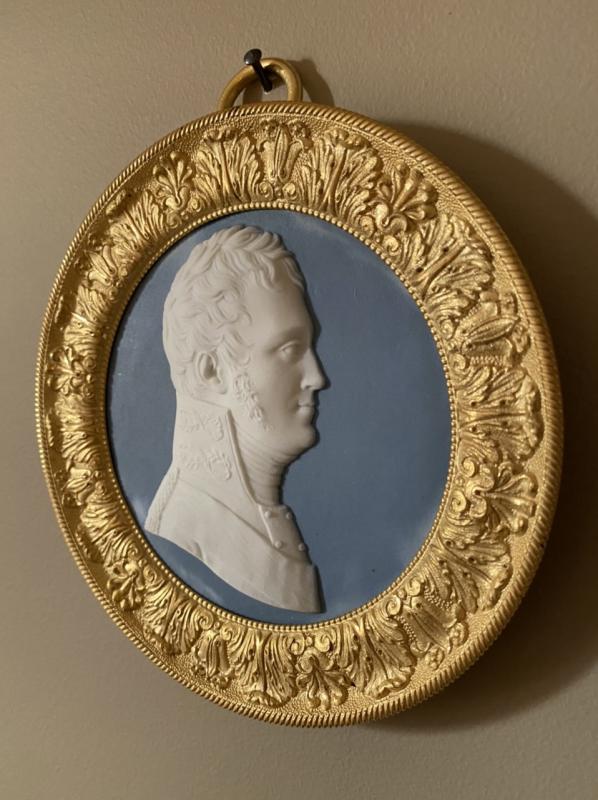


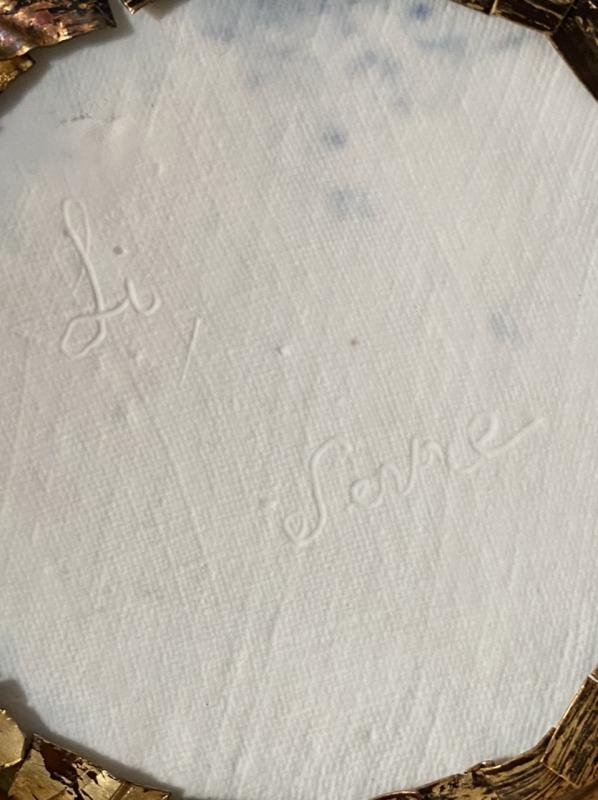
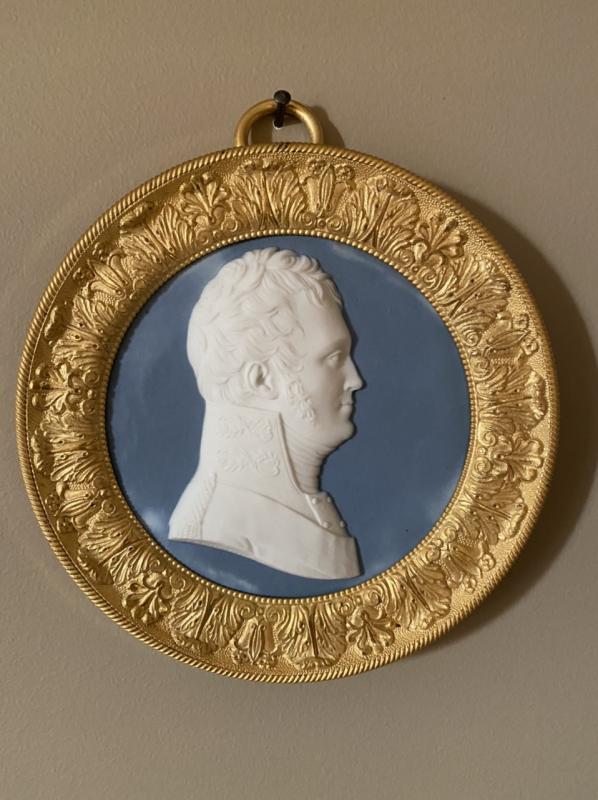
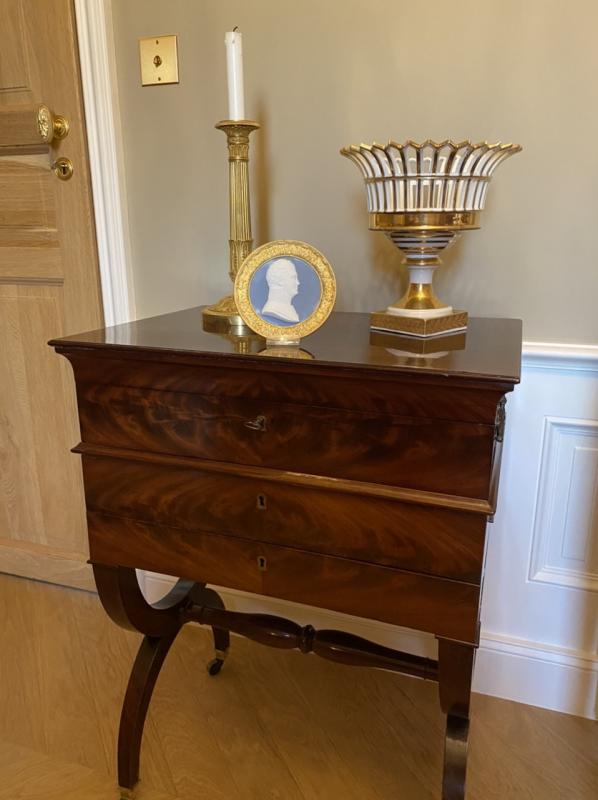
Portrait of Emperor Alexander I of Russia (1777-1825) in profile turned to the right in bisque porcelain on a blue background, in a very beautiful bronze frame, finely chiseled and gilded with mercury. Alexander I of Russia or Alexander Pavlovich Romanov (in Russian: Александр Павлович Романов), born December 12, 1777 (December 23, 1777 in the Gregorian calendar) in St. Petersburg and died on November 19, 1825 (December 1, 1825 in the Gregorian calendar) in Taganrog, son of Paul I and Sophie-Dorothée of Wurtemberg, was Emperor of Russia from March 23, 1801 to his death and King of Poland from 1815 to his death. In foreign policy, he came up against the ambitions of Napoleon I, with whom he was at war on several occasions. It also fights on its northern borders against Sweden, and southern against the Ottoman Empire and Persia. These victorious wars allow him to enlarge the Russian Empire which becomes a great power. He is the instigator of the Holy Alliance, which sets itself the role of maintaining peace in Europe by neutralizing revolutionary movements. In domestic politics, he initially tried to apply liberal ideas, but nevertheless remained an autocrat. The last years of his reign were marked by a very strong mysticism which led him to deny his ideas of youth. Medallion from the Royal Manufacture of Sevres, signed by the sculptor Alexandre Brachard 1775-1843, active at the Manufacture of Sèvres as an employee then sculptor from 1784 to 1827; he is the youngest son of Nicolas Brachard and the brother of Jean Charles Nicolas Brachard. Medallion dated 1815 signed Brachard under the profile then signed "Li" and "Sèvres" on the reverse. The medallion is in excellent condition, to note: some laitance around the rim of the biscuit, Beautiful collector's item. Biscuit dimension: 9.5cm Dimension with frame: 12.7cm
Explore similar pieces and discover your ideal find:
Porcelain Figurines, Biscuit Porcelain