

Vintage French Photograph, “the Painter And His Model” In Montmartre, 1960s
Vintage French photograph, “The Painter and His Model” in Montmartre, 1960s
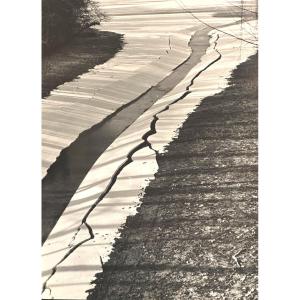
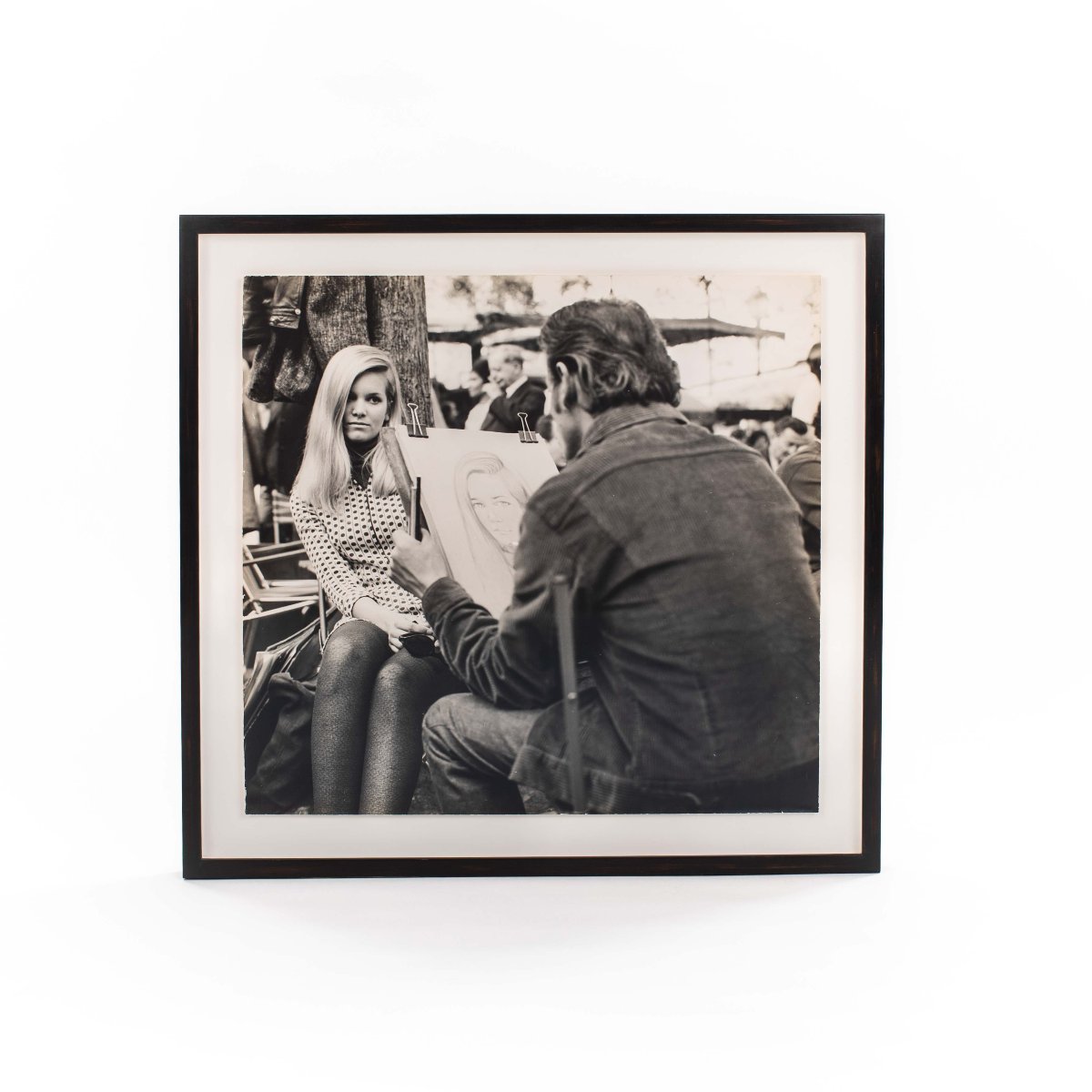
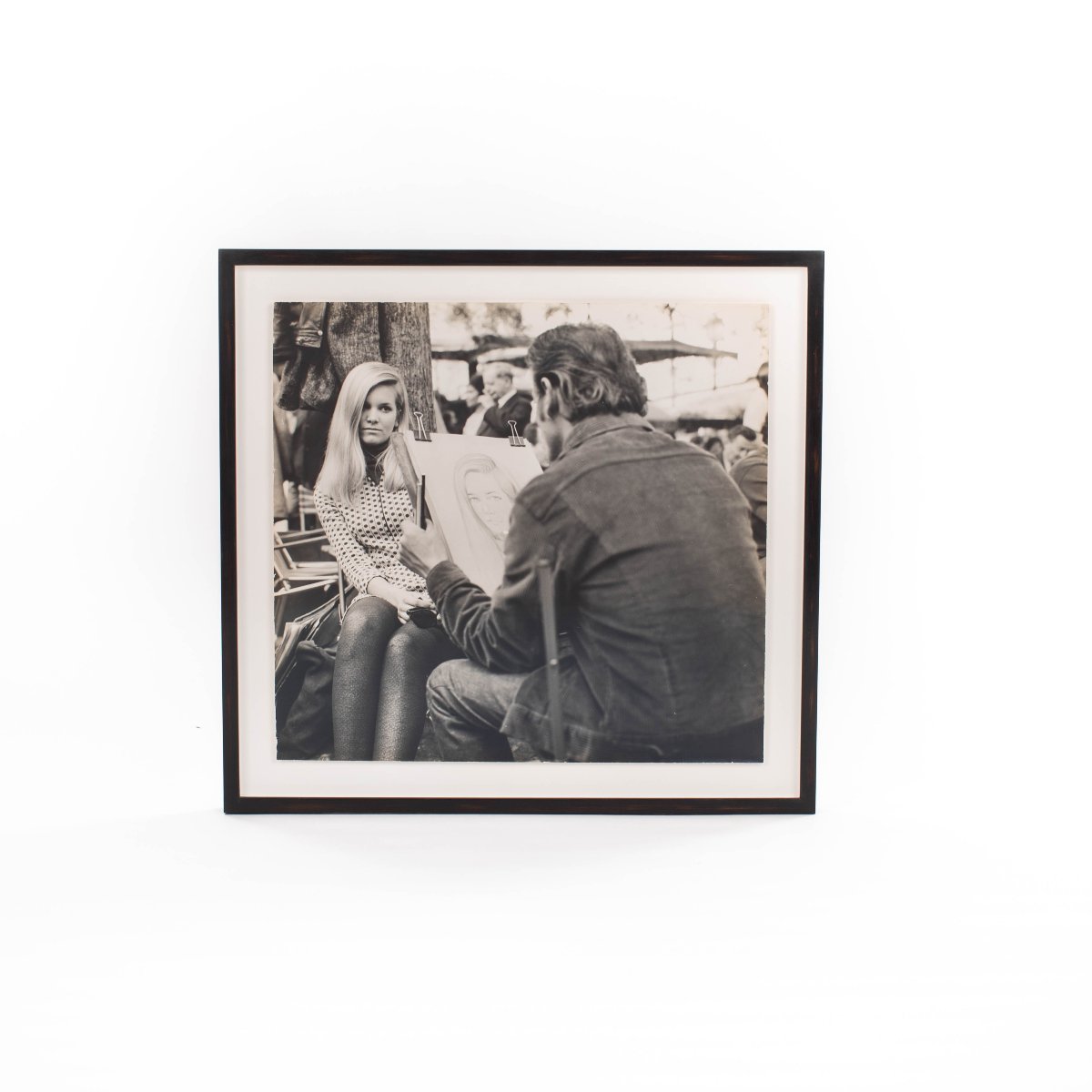
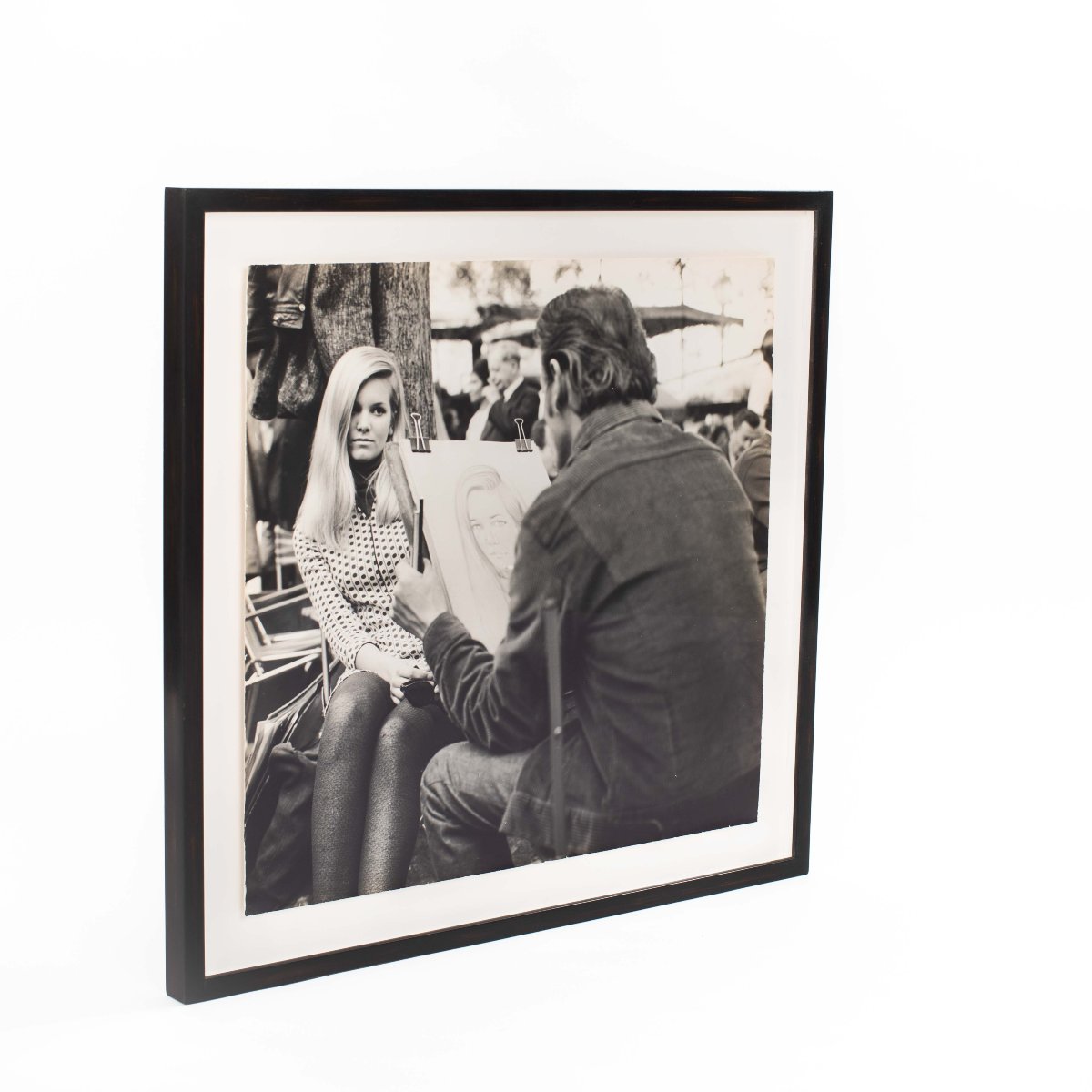
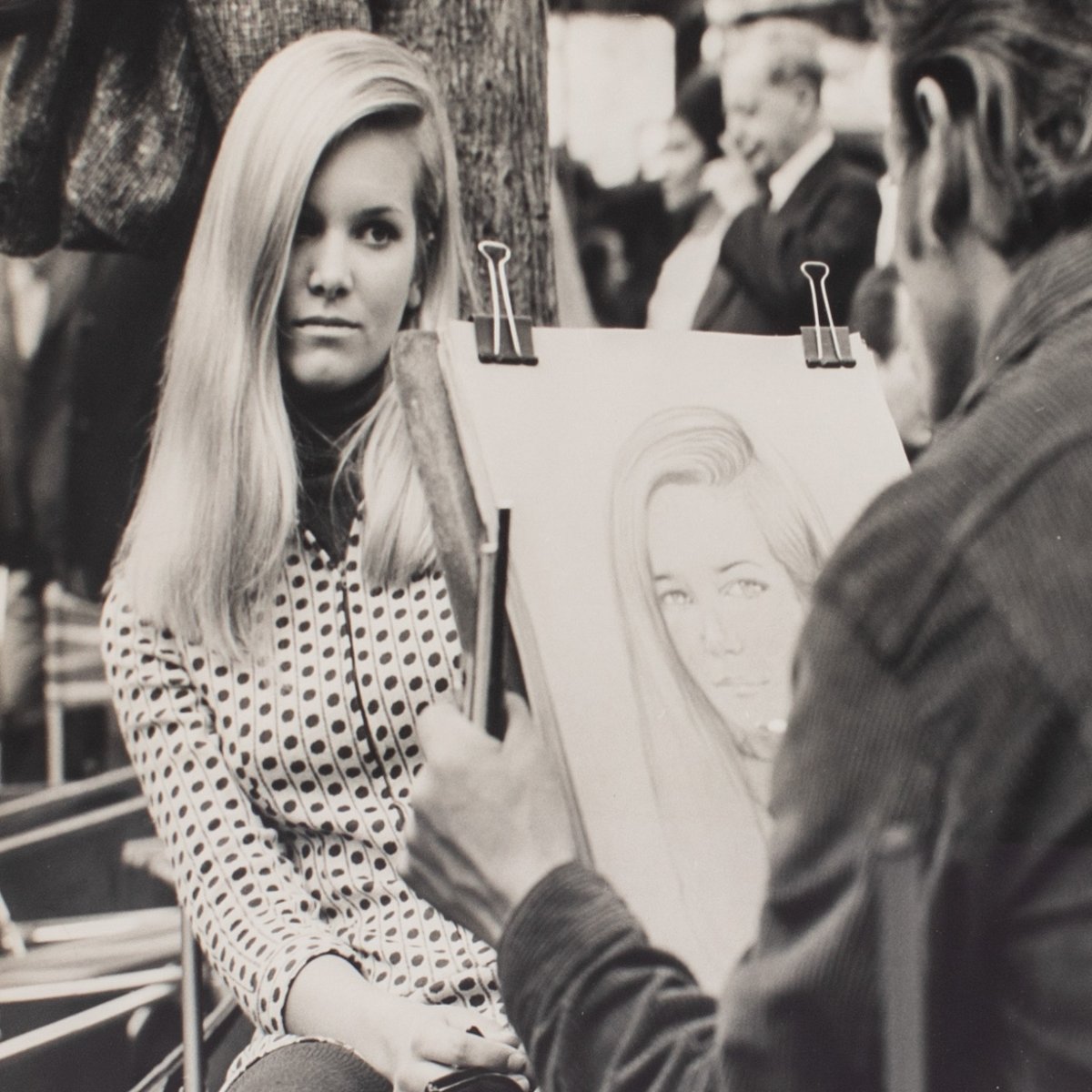
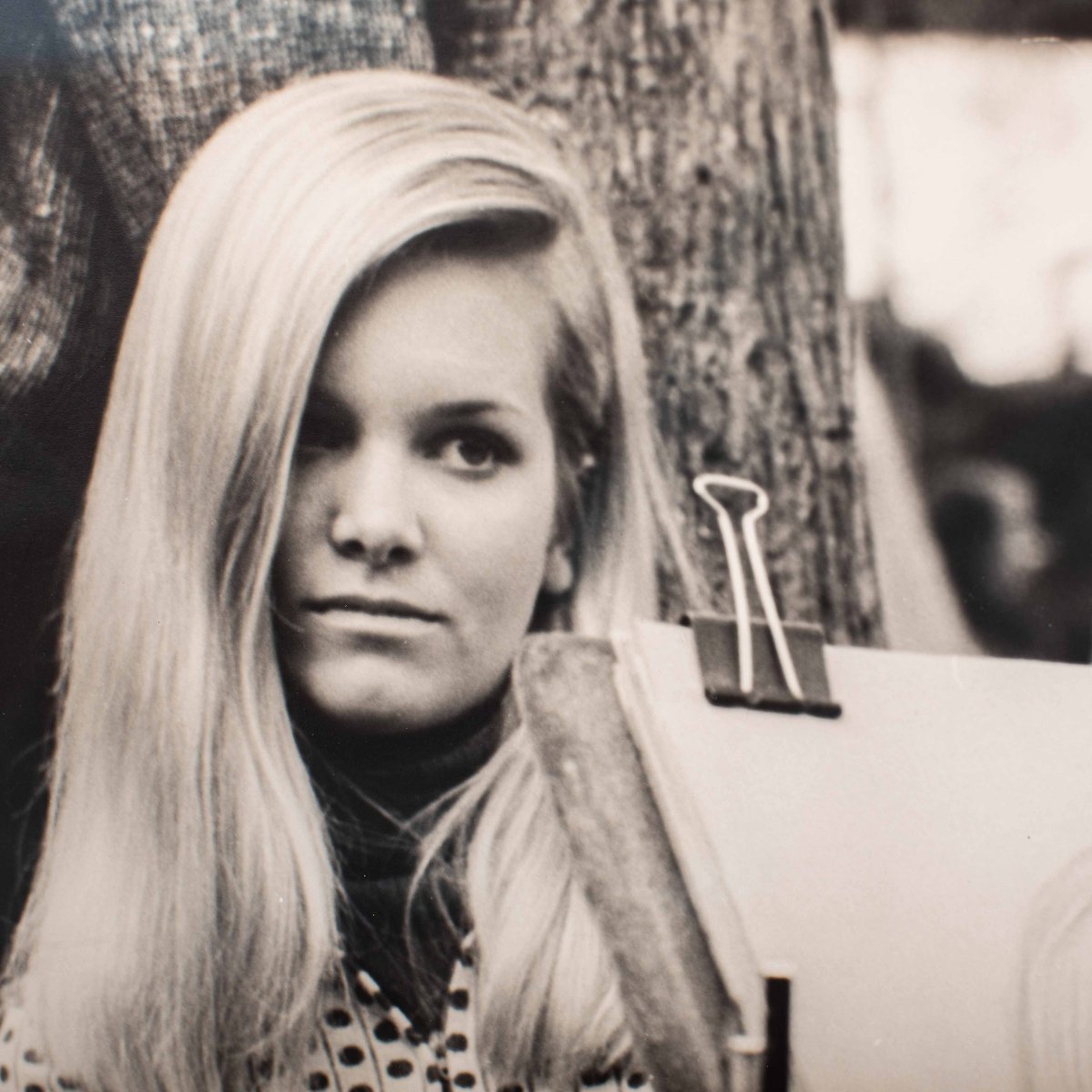
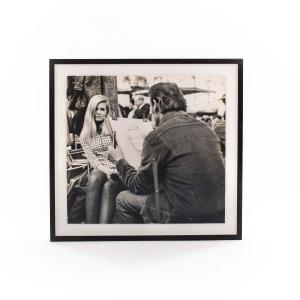
This large, original black-and-white photograph from the 1960s depicts “The Painter and His Model” in Montmartre, on the Place du Tertre.
An iconic Parisian spot that has been a gathering place for painters for 150 years.
The scene is taken from real life: it is authentic and unstaged.
The style of this exhibition introduces us to Robert Doisneau, famous for his poetic street photography, which captured scenes from the lives of Parisians.
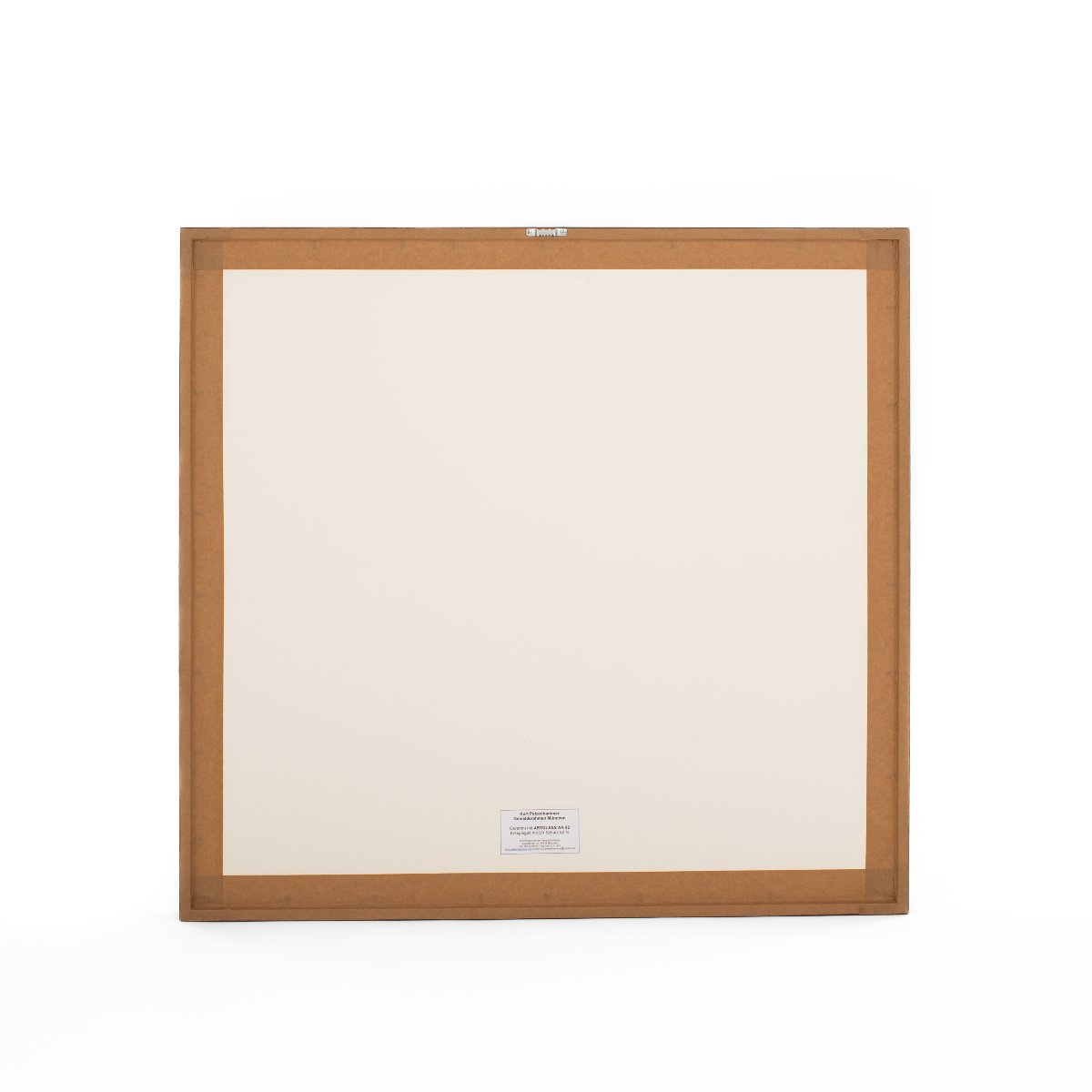
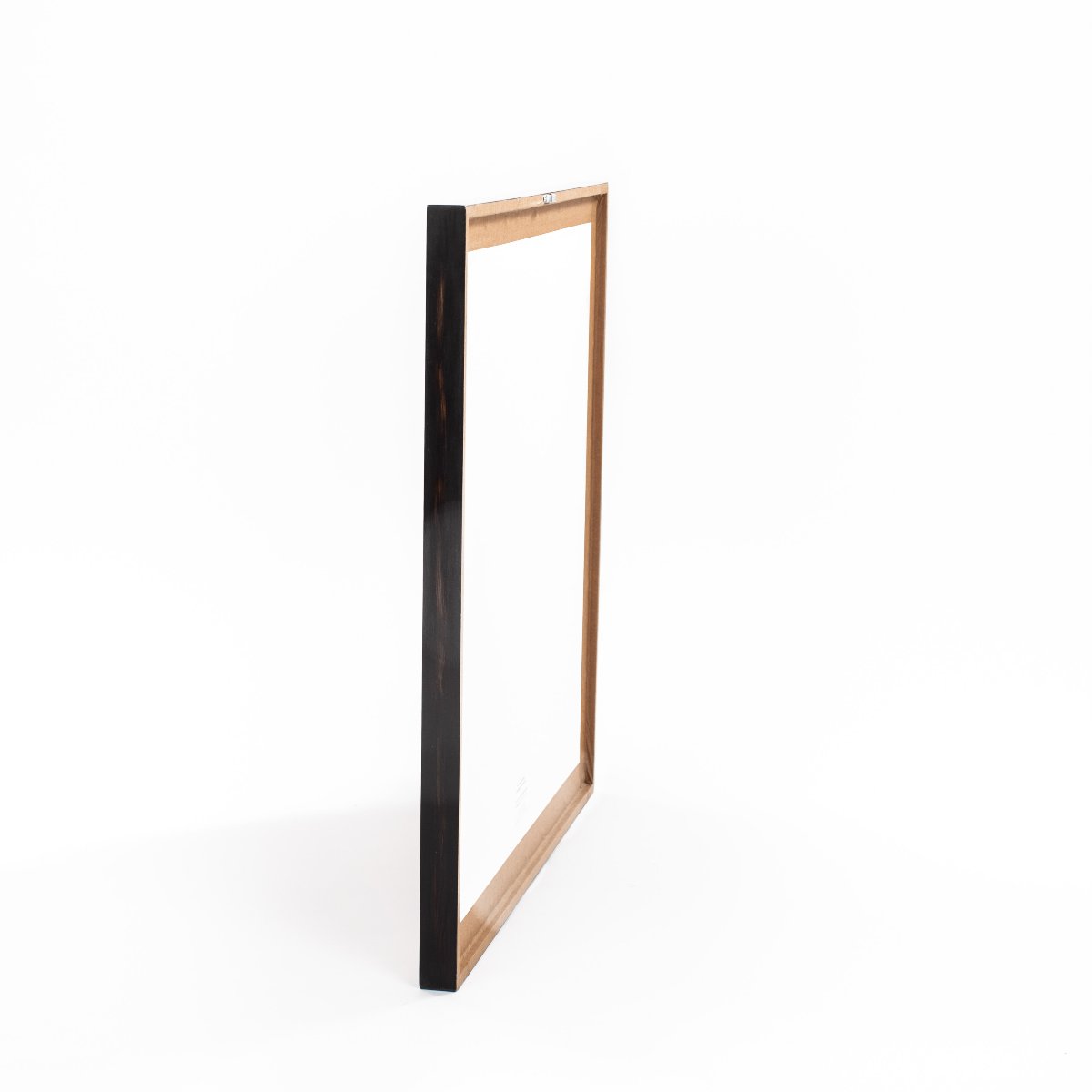
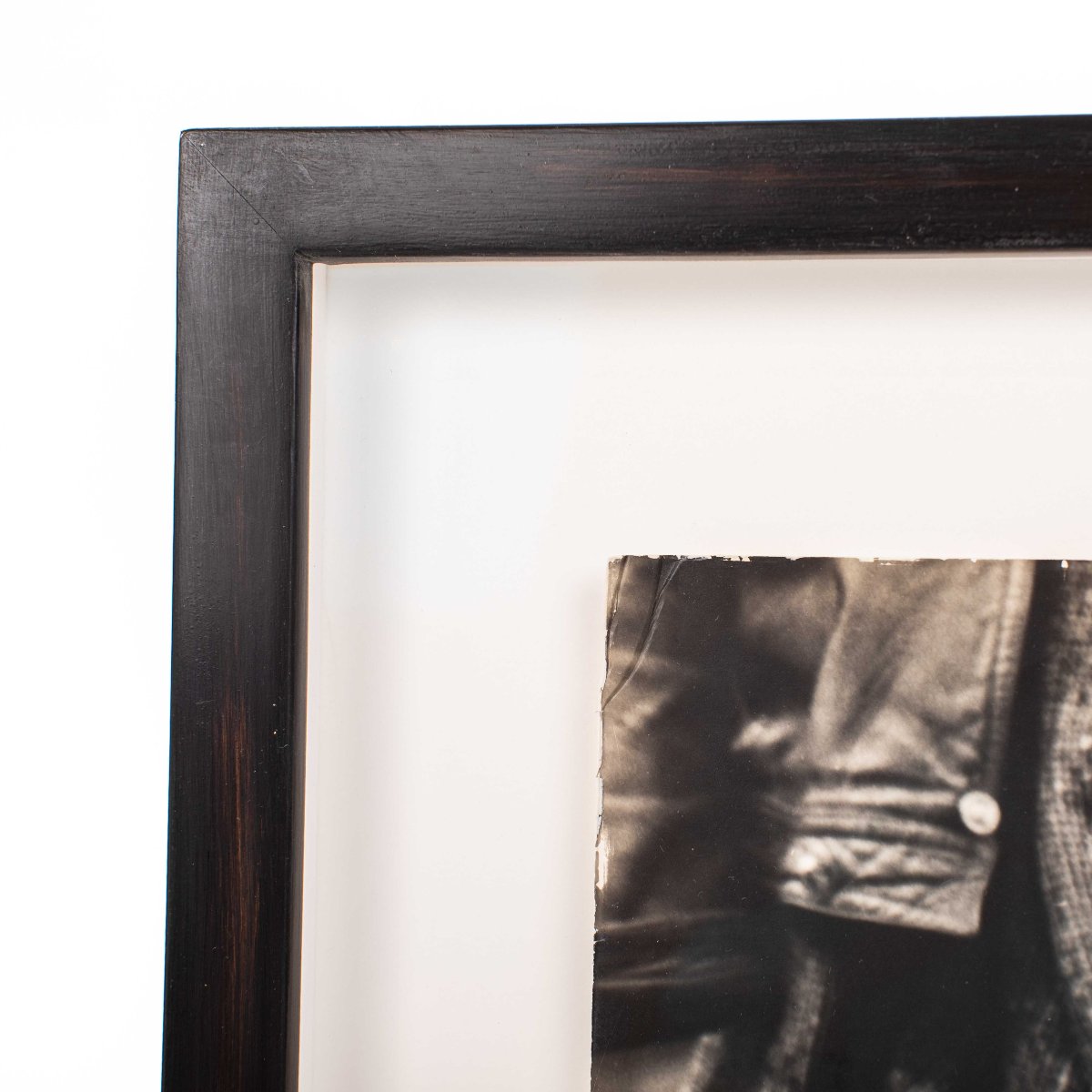
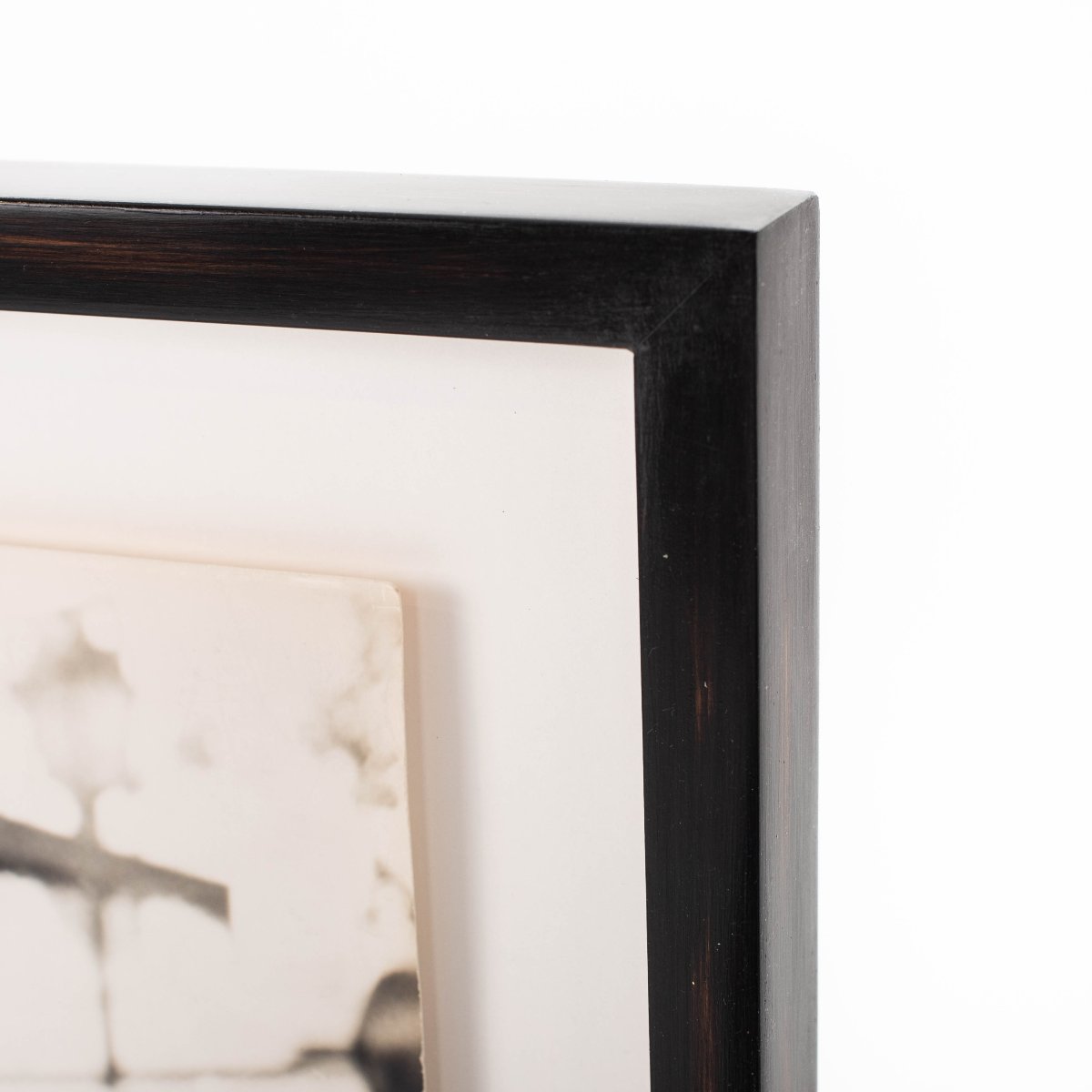
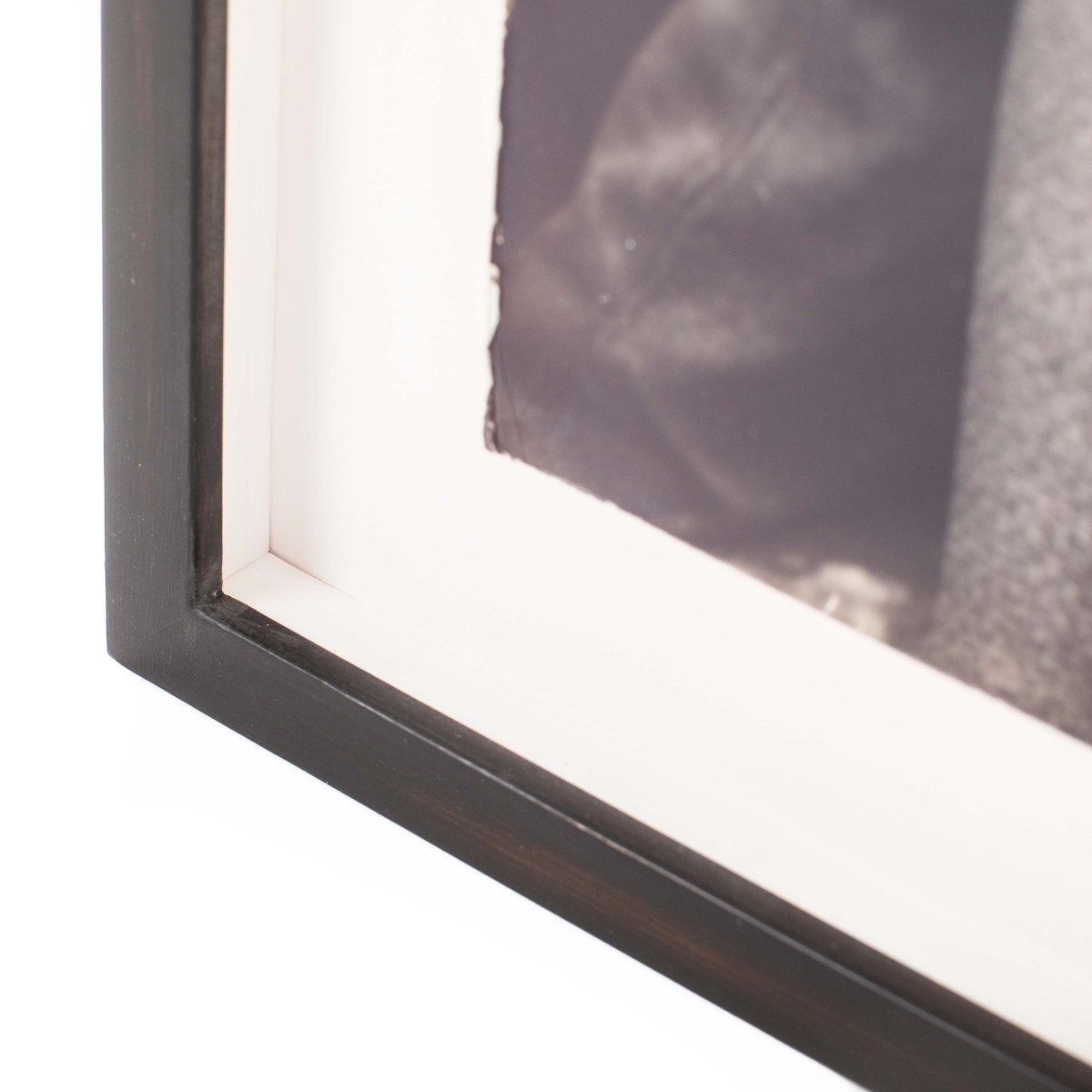
The photograph has been reframed; to achieve this, it was raised slightly and mounted on small Moutache pedestals, so that it appears to float within the frame.
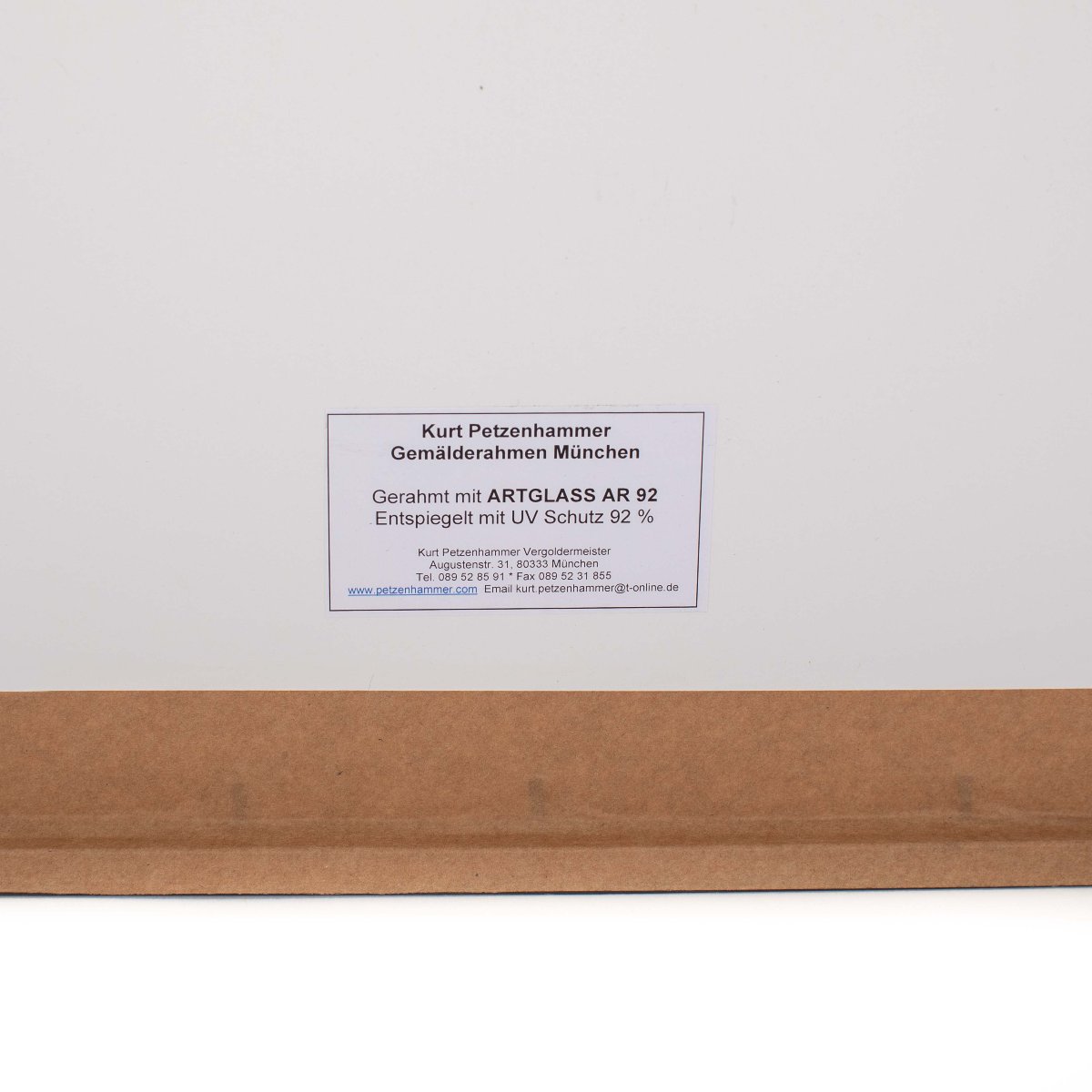
The 2.0 cm-wide frame has been hand-patinated in black-brown tones; the anti-reflective glass allows the photograph to make its full impact.
Robert Doisneau (1912–1994)
Robert Doisneau was born on April 14, 1912, in Gentilly, in the Val-de-Marne department, near Paris. He is one of France’s most famous photographers. Throughout his long career, his poetic approach to street photography immortalized everyday French life through images that were often playful and surreal. Always captivated by his subjects, he loved to uncover amusing juxtapositions or the quirks of human nature.
Doisneau first studied engraving and lithography at the École Estienne in Paris to learn the book trade, but he claimed that the streets of the working-class neighborhood of Gentilly had provided him with his most important education. At sixteen, he took up amateur photography, but he was, it is said, so shy that he began by photographing cobblestones before moving on to children and then adults. After graduating in 1929, he began his career as a professional photographer, initially working for the advertising photographer André Vigneau, in whose studio he met artists and writers with avant-garde ideas. He began photographing details of objects in 1930 and sold his first photo essay to the newspaper L’Excelsior in 1932.
Starting in 1934, he worked for Renault as an industrial and advertising photographer. When he was laid off in 1939, he earned a living through advertising photography and the production of postcards. That same year, he was hired by the Rapho photo agency, where he worked until the start of World War II. A member of the Resistance both as a soldier and as a photographer, Doisneau also worked for the Resistance by forging documents. He photographed both the occupation and the liberation of Paris. In 1945, he resumed his work in advertising and magazine publishing, notably in fashion photography and photojournalism for the French edition of *Vogue* from 1948 to 1952. He briefly joined the Alliance photo agency before resuming his work with Rapho in 1946. His first collection of photographs, *La Banlieue de Paris* (1949), was followed by more than twenty publications of his work, often devoted to Paris and Parisians. In the 1950s, Doisneau became actively involved with Groupe XV, an organization of photographers dedicated to the artistic and technical advancement of photography. From then on, the street became his playground. He photographed a wide range of people and events, often juxtaposing conformist and nonconformist elements in images marked by an exquisite sense of humor, a spirit of rebellion, and, above all, his deeply rooted humanism. Doisneau was in many ways a shy and unassuming man, much like his photography. He lived in Montrouge, in the Paris suburbs. He died on April 1, 1994, in Broussais, France.
Doisneau won the Kodak Prize in 1947. He received the Niepce Prize in 1956 and served as a consultant for Expo ’67 in Canada. A short film, *Le Paris de Robert Doisneau*, was made in 1973. He was named a Knight of the Legion of Honor in 1984. Doisneau’s work has been the subject of major retrospectives at the National Library of Paris, the Art Institute of Chicago, the George Eastman House in Rochester, New York, and the Witkin Gallery in New York.
This large, original black-and-white photograph from the 1960s depicts “The Painter and His Model” in Montmartre, on the Place du Tertre.
An iconic Parisian spot that has been a gathering place for painters for 150 years.
The scene is taken from real life: it is authentic and unstaged.
The style of this exhibition introduces us to Robert Doisneau, famous for his poetic street photography, which captured scenes from the lives of Parisians.
The photograph has been reframed; to achieve this, it was raised slightly and mounted on small Moutache pedestals, so that it appears to float within the frame.
The 2.0 cm-wide frame has been hand-patinated in black-brown tones; the anti-reflective glass allows the photograph to make its full impact.
Robert Doisneau (1912–1994)
Robert Doisneau was born on April 14, 1912, in Gentilly, in the Val-de-Marne department, near Paris. He is one of France’s most famous photographers. Throughout his long career, his poetic approach to street photography immortalized everyday French life through images that were often playful and surreal. Always captivated by his subjects, he loved to uncover amusing juxtapositions or the quirks of human nature.
Doisneau first studied engraving and lithography at the École Estienne in Paris to learn the book trade, but he claimed that the streets of the working-class neighborhood of Gentilly had provided him with his most important education. At sixteen, he took up amateur photography, but he was, it is said, so shy that he began by photographing cobblestones before moving on to children and then adults. After graduating in 1929, he began his career as a professional photographer, initially working for the advertising photographer André Vigneau, in whose studio he met artists and writers with avant-garde ideas. He began photographing details of objects in 1930 and sold his first photo essay to the newspaper L’Excelsior in 1932.
Starting in 1934, he worked for Renault as an industrial and advertising photographer. When he was laid off in 1939, he earned a living through advertising photography and the production of postcards. That same year, he was hired by the Rapho photo agency, where he worked until the start of World War II. A member of the Resistance both as a soldier and as a photographer, Doisneau also worked for the Resistance by forging documents. He photographed both the occupation and the liberation of Paris. In 1945, he resumed his work in advertising and magazine publishing, notably in fashion photography and photojournalism for the French edition of *Vogue* from 1948 to 1952. He briefly joined the Alliance photo agency before resuming his work with Rapho in 1946. His first collection of photographs, *La Banlieue de Paris* (1949), was followed by more than twenty publications of his work, often devoted to Paris and Parisians. In the 1950s, Doisneau became actively involved with Groupe XV, an organization of photographers dedicated to the artistic and technical advancement of photography. From then on, the street became his playground. He photographed a wide range of people and events, often juxtaposing conformist and nonconformist elements in images marked by an exquisite sense of humor, a spirit of rebellion, and, above all, his deeply rooted humanism. Doisneau was in many ways a shy and unassuming man, much like his photography. He lived in Montrouge, in the Paris suburbs. He died on April 1, 1994, in Broussais, France.
Doisneau won the Kodak Prize in 1947. He received the Niepce Prize in 1956 and served as a consultant for Expo ’67 in Canada. A short film, *Le Paris de Robert Doisneau*, was made in 1973. He was named a Knight of the Legion of Honor in 1984. Doisneau’s work has been the subject of major retrospectives at the National Library of Paris, the Art Institute of Chicago, the George Eastman House in Rochester, New York, and the Witkin Gallery in New York.
1 600 €
Period: 20th century
Style: Design 50's and 60's
Condition: Excellent condition
Width: 74
Height: 70
Depth: 3.5
Reference (ID): 1804237
Availability: In stock
Print