THIS OBJECT WAS SOLD
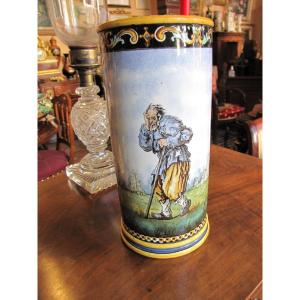
Max Claudet Polychrome Enameled Earthenware Gourd Vase Depicting Aristée.
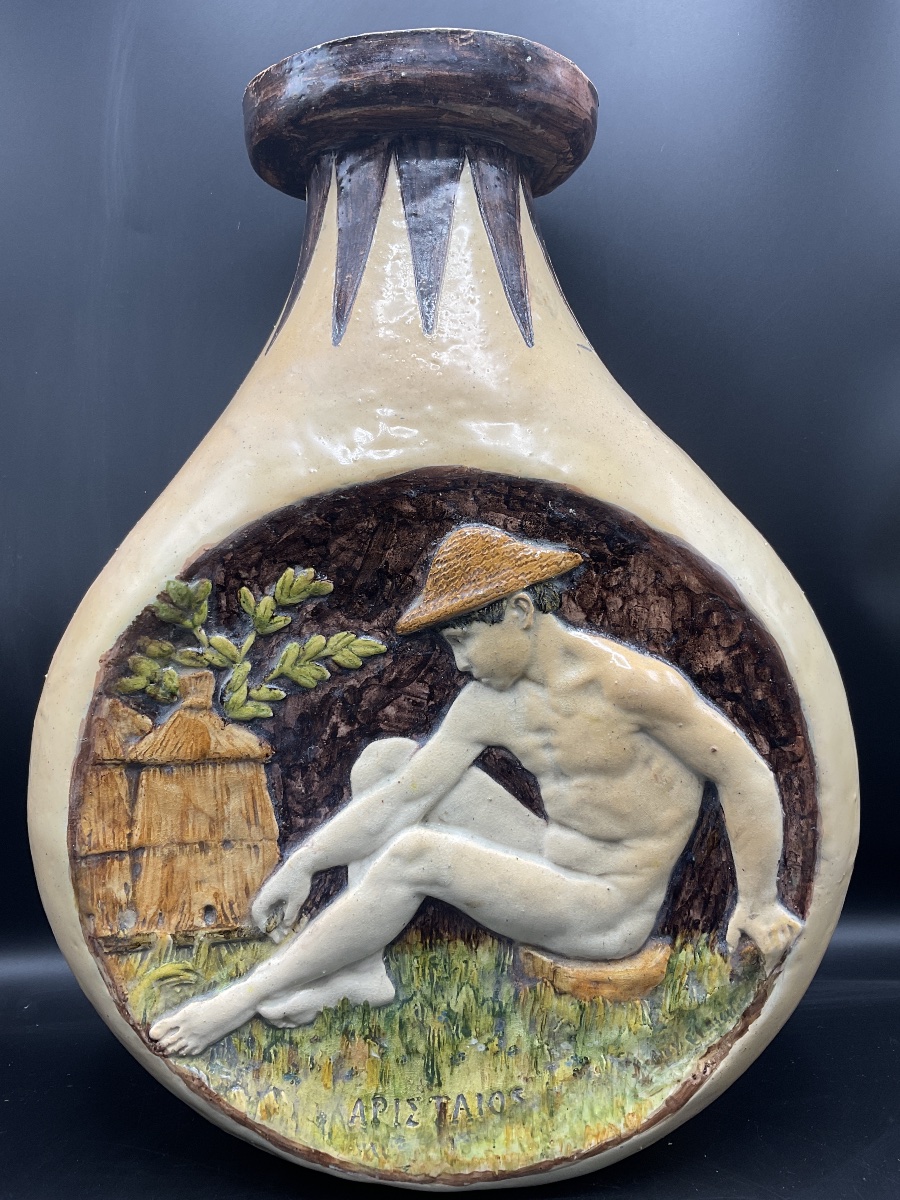
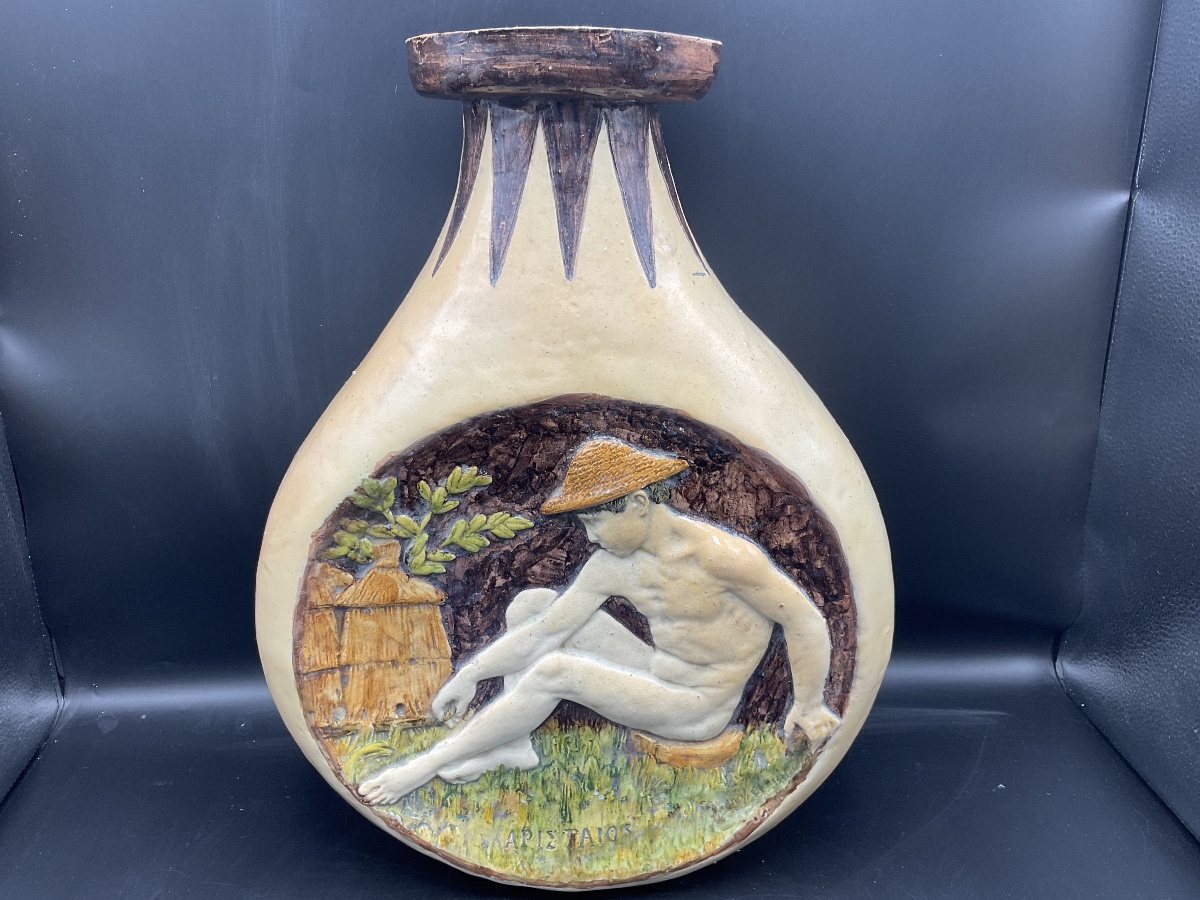
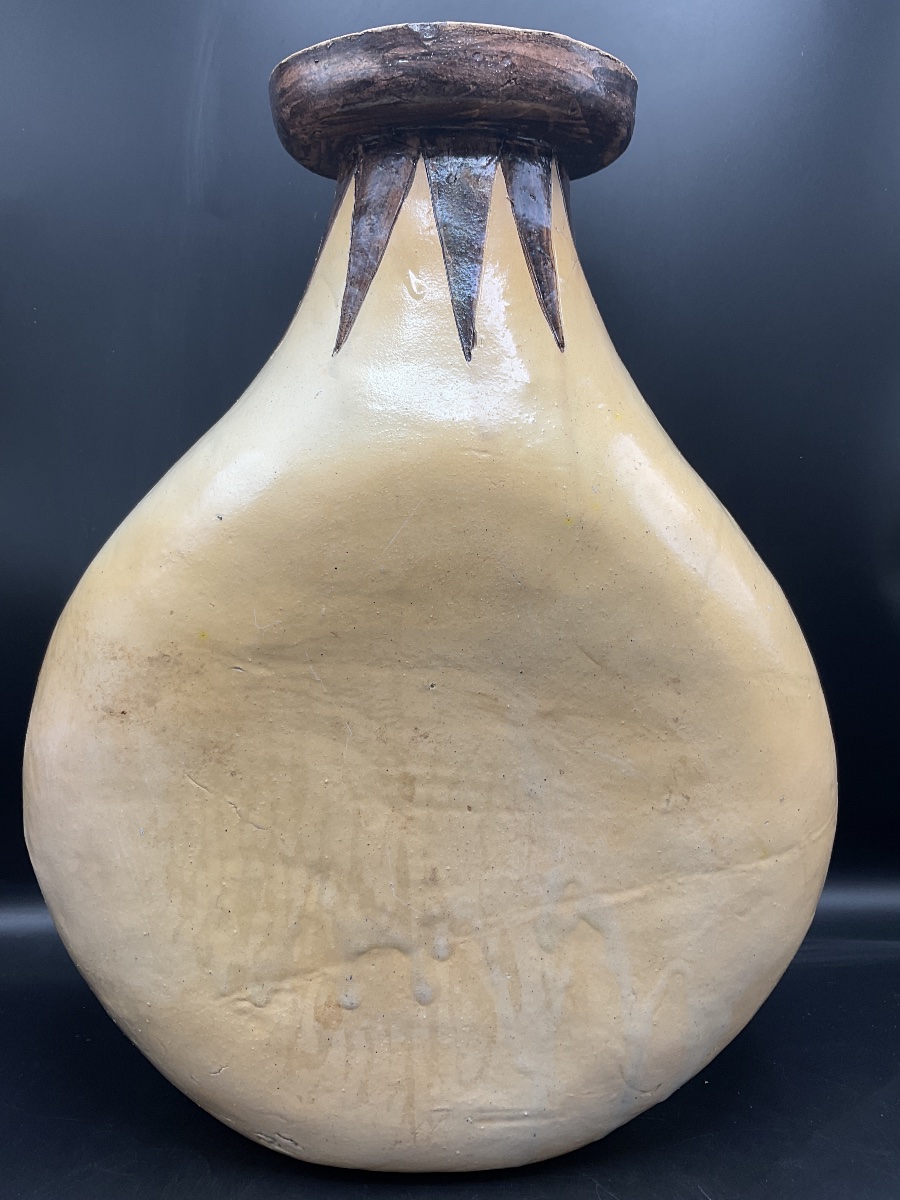
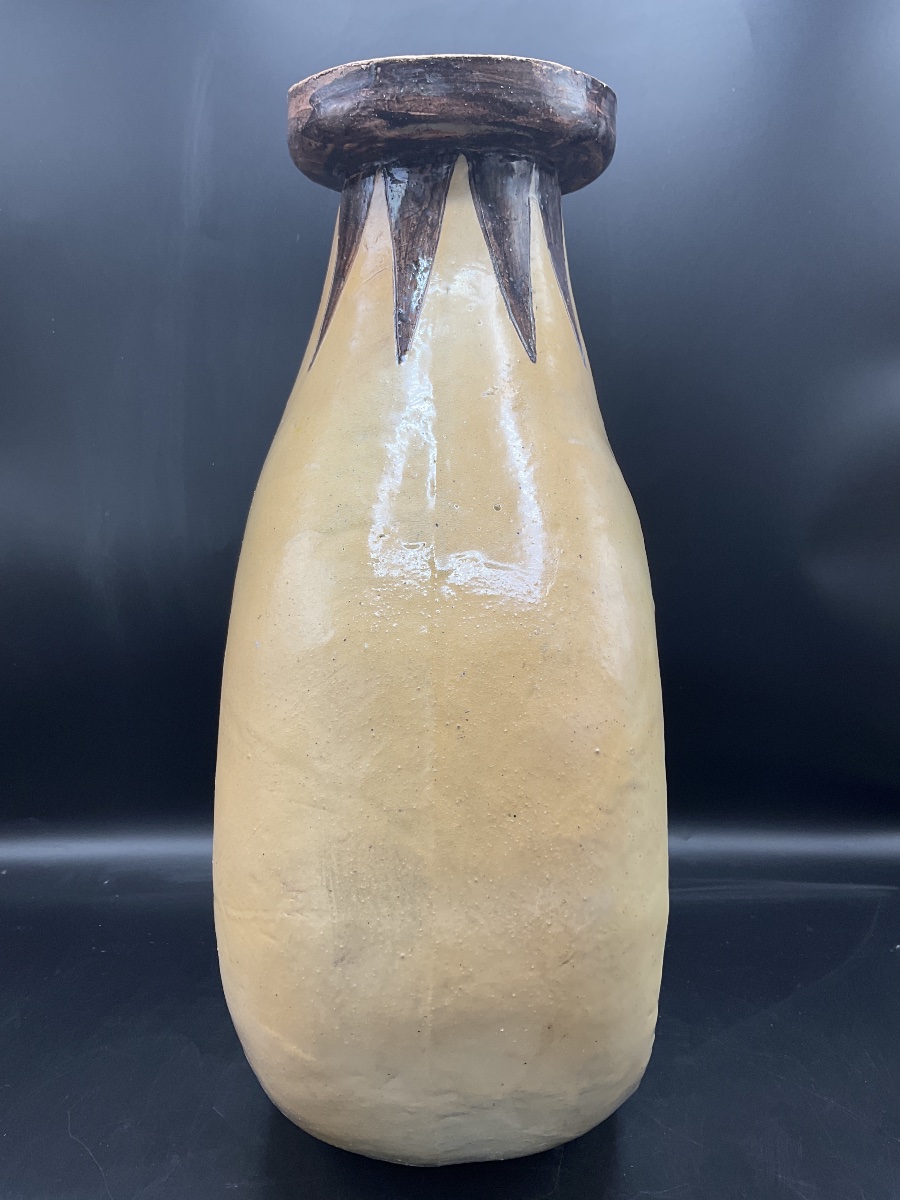
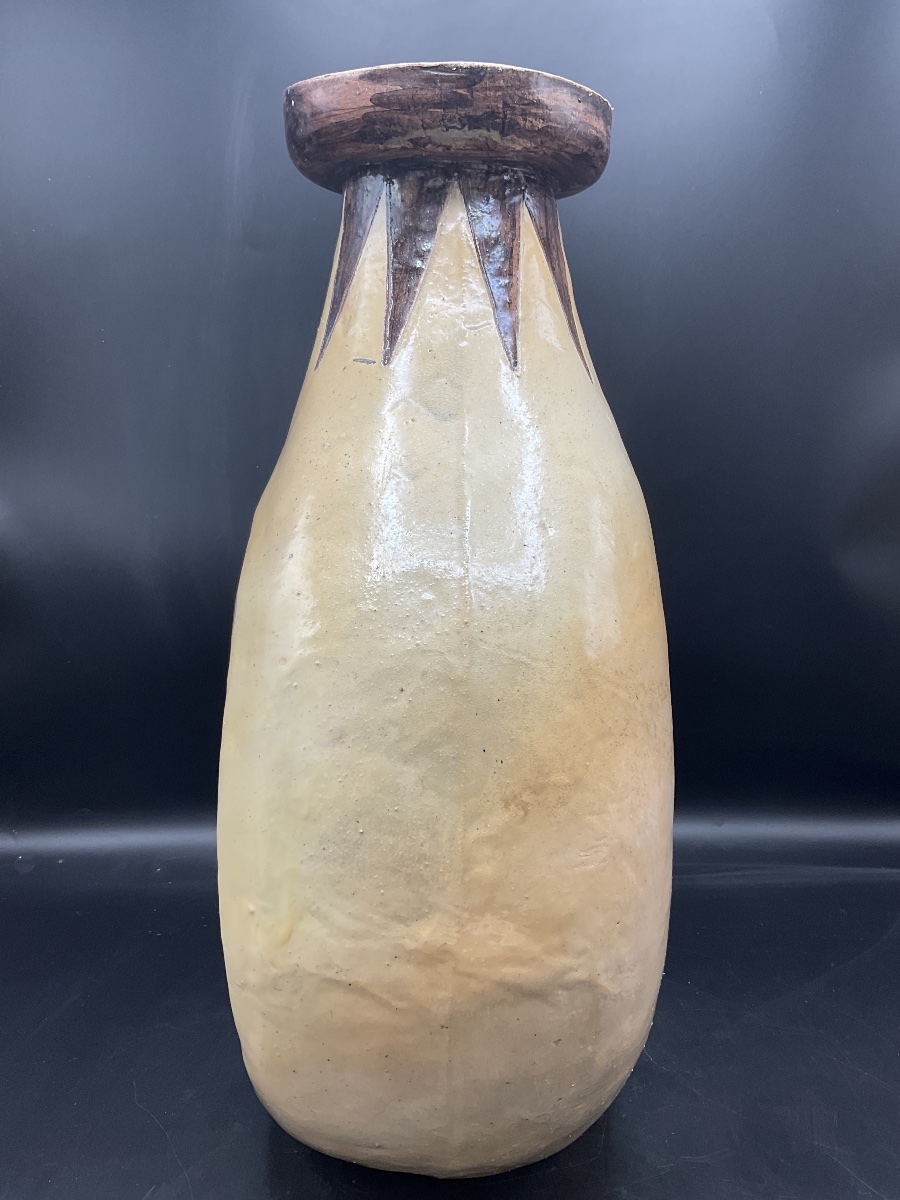
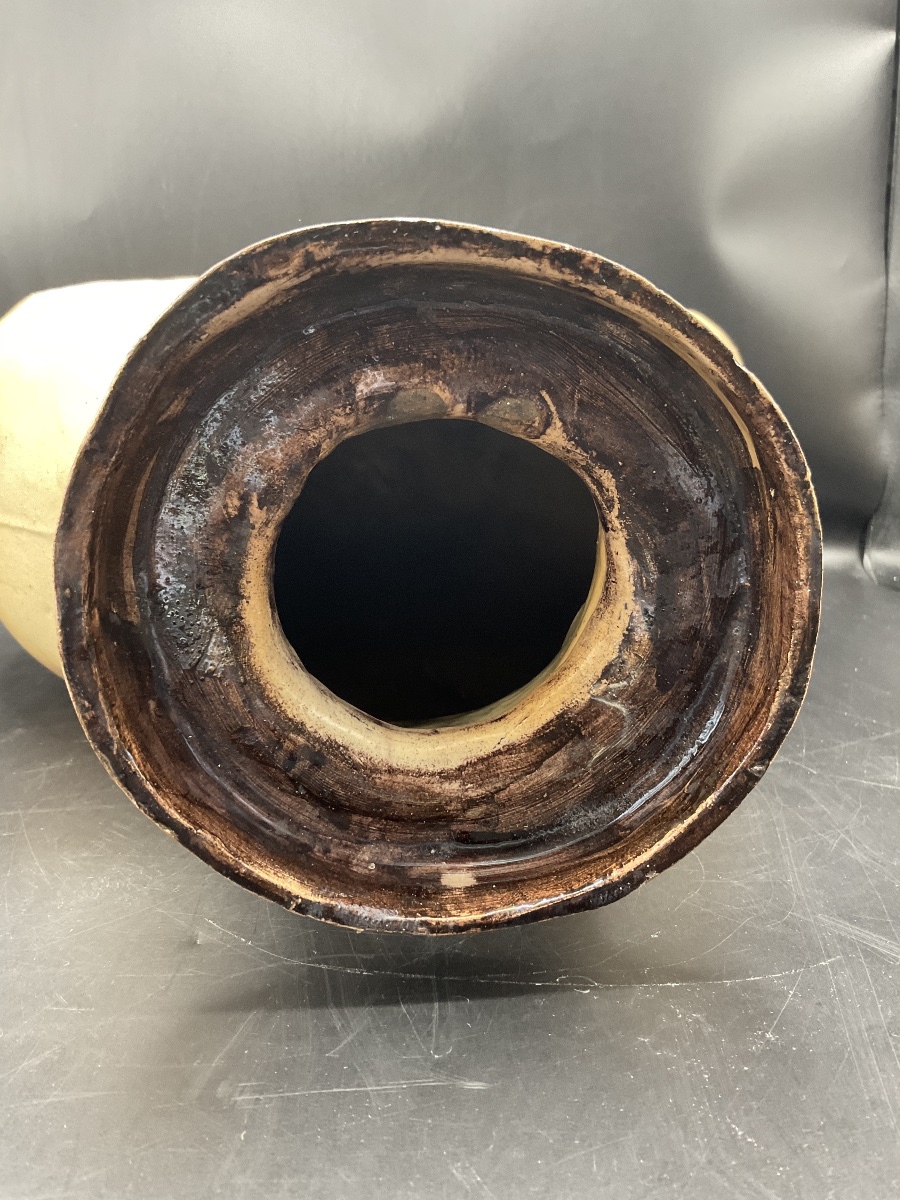
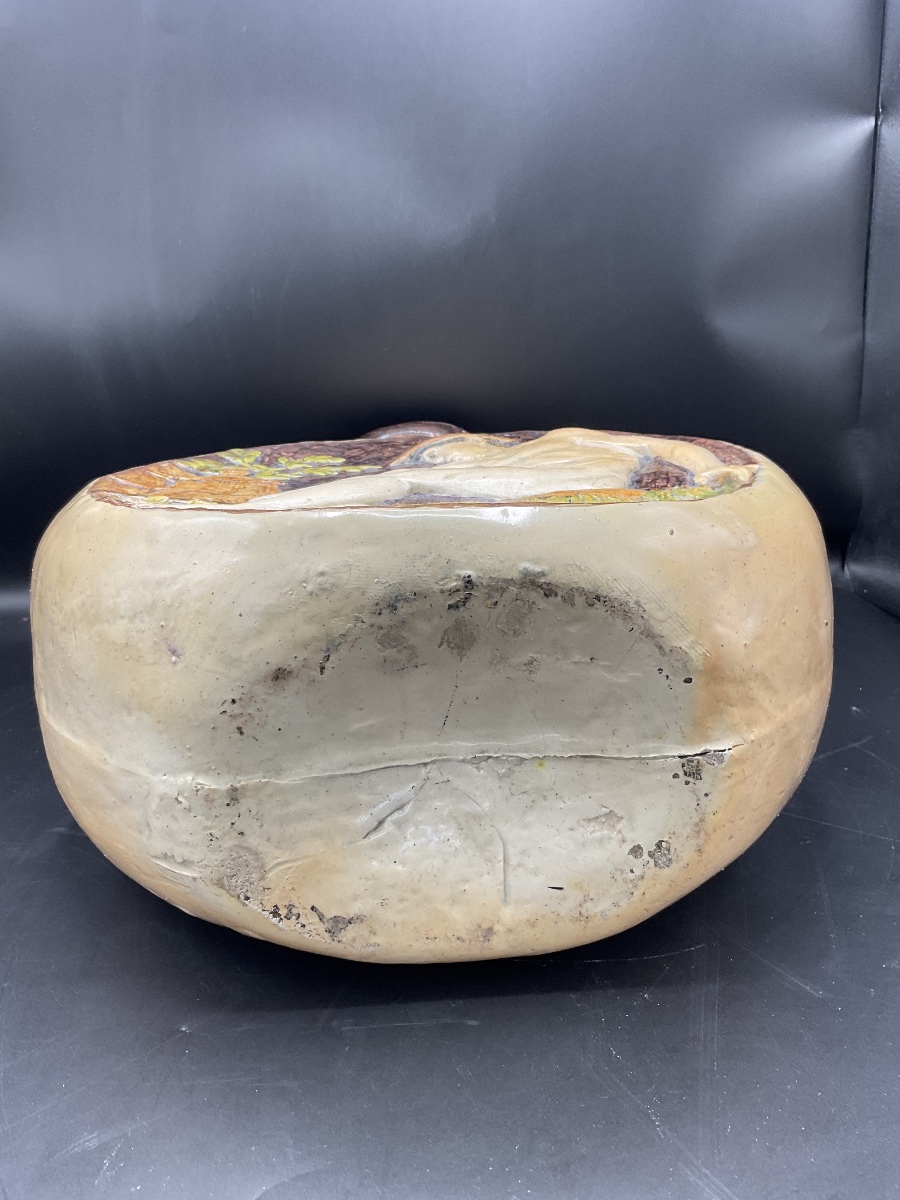
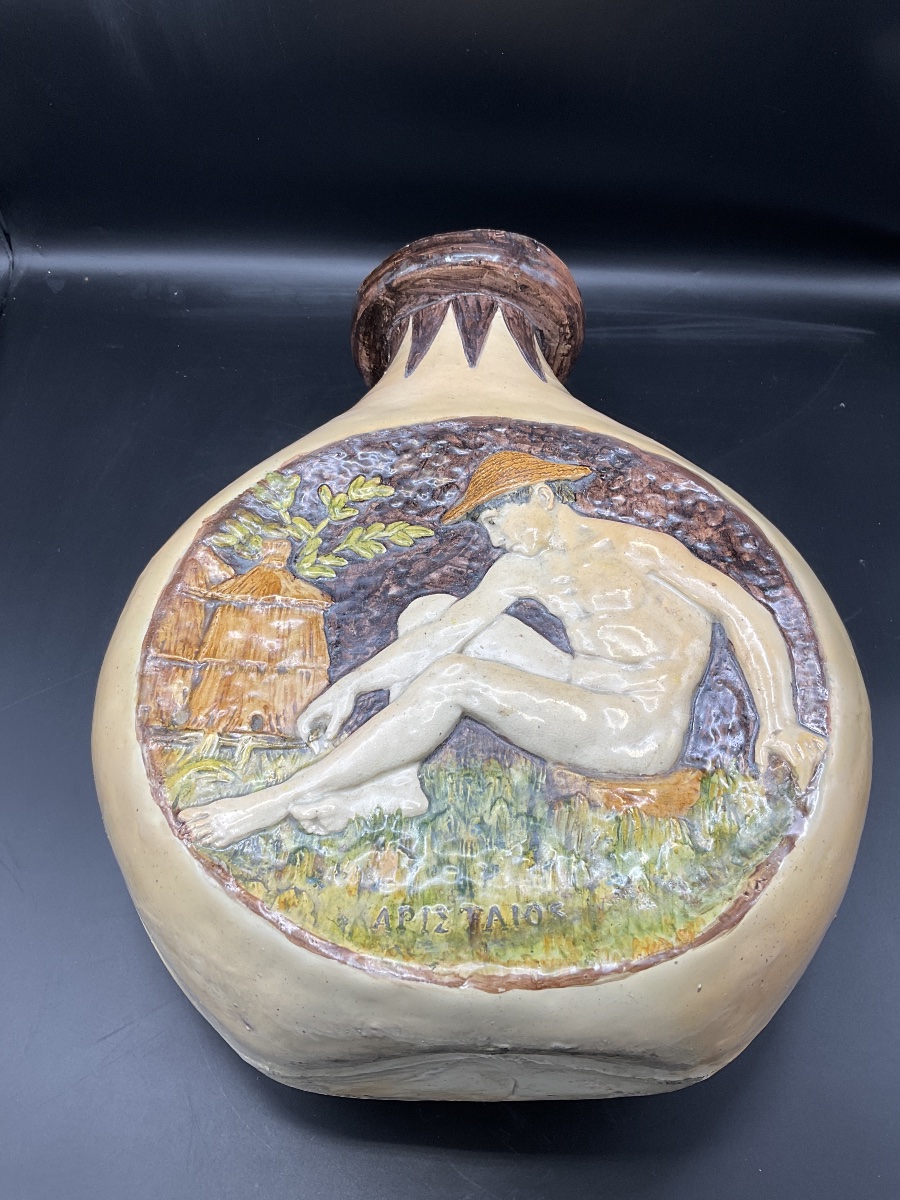
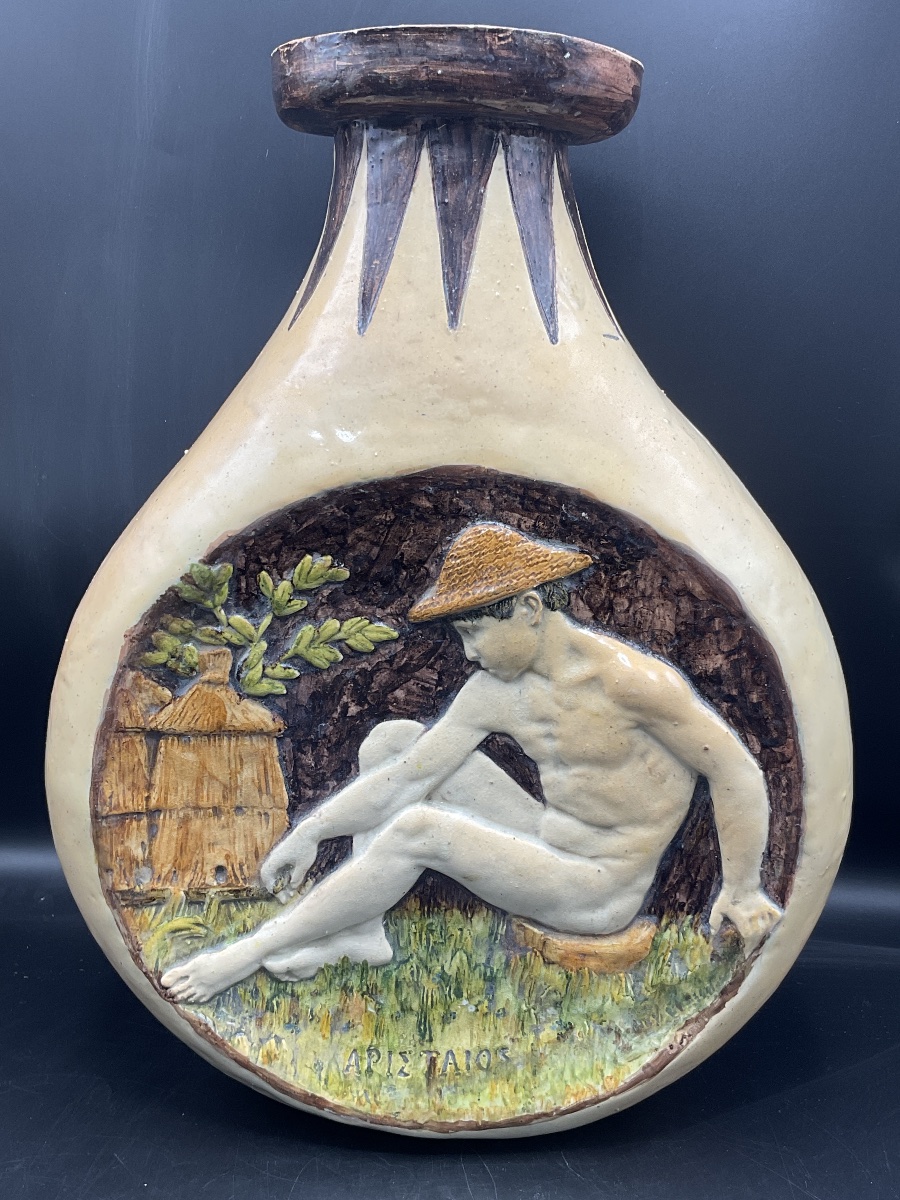


- Rare polychrome glazed earthenware gourd-shaped vase by the famous Salinois ceramist Max Claudet, with Greek mythological
decor depicting Aristaeus mourning the death of his bees.
- Titled in the decor in Greek ARISTAIOS (ARISTEA).
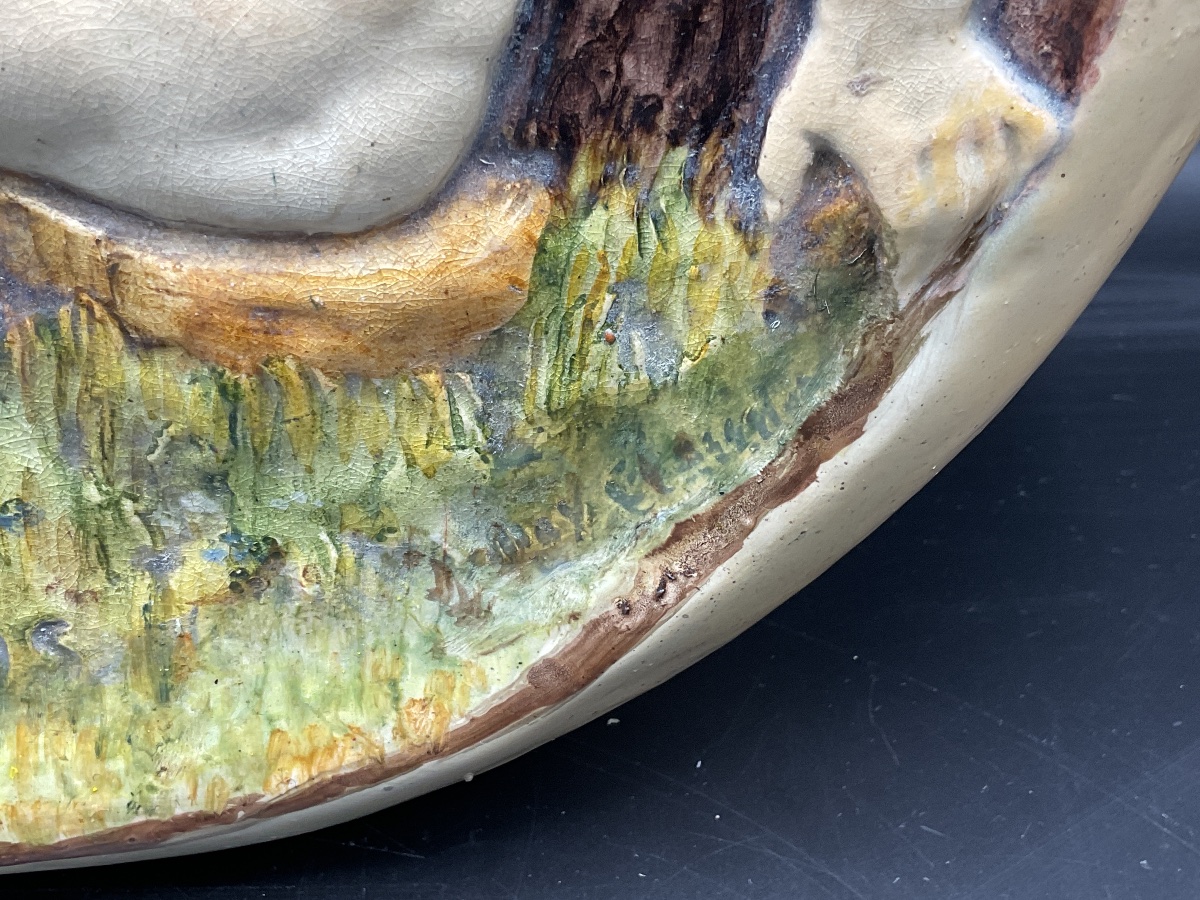
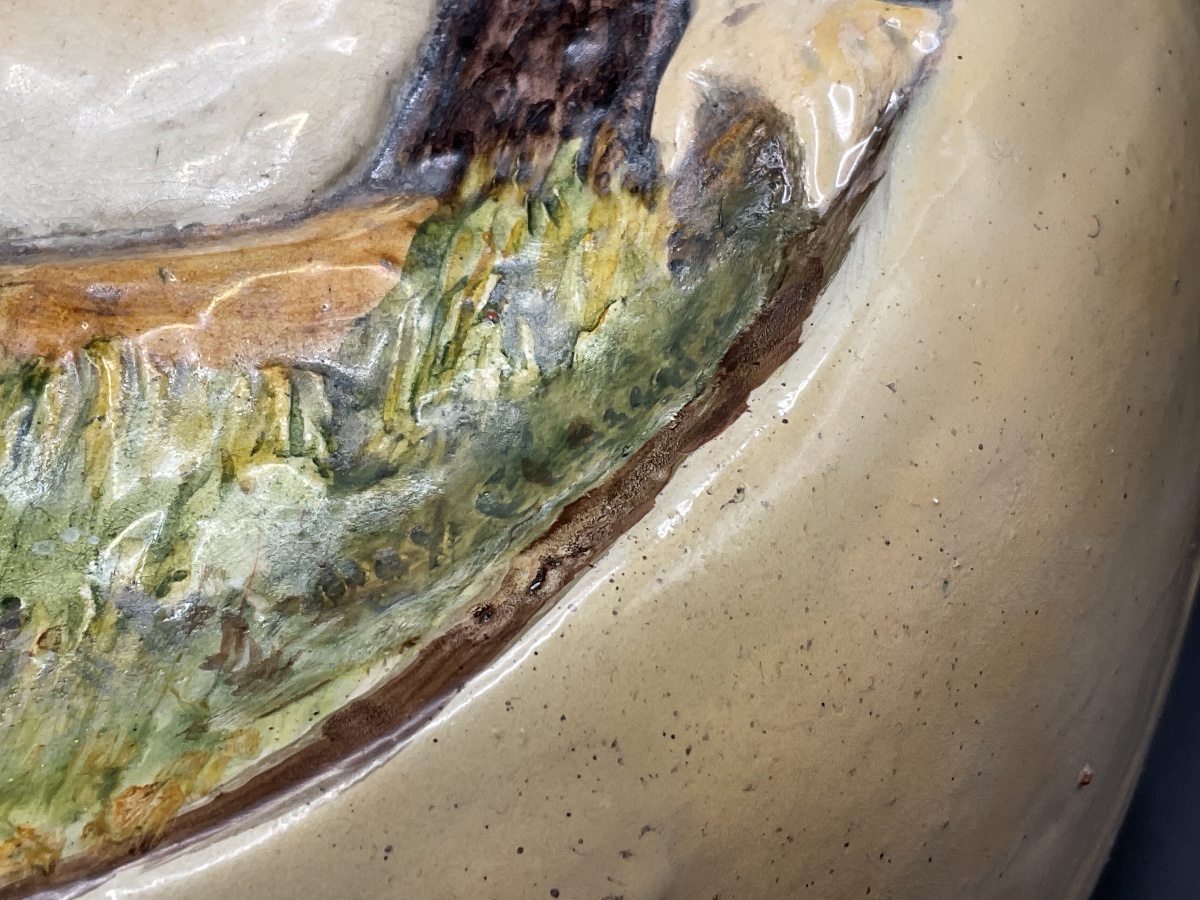
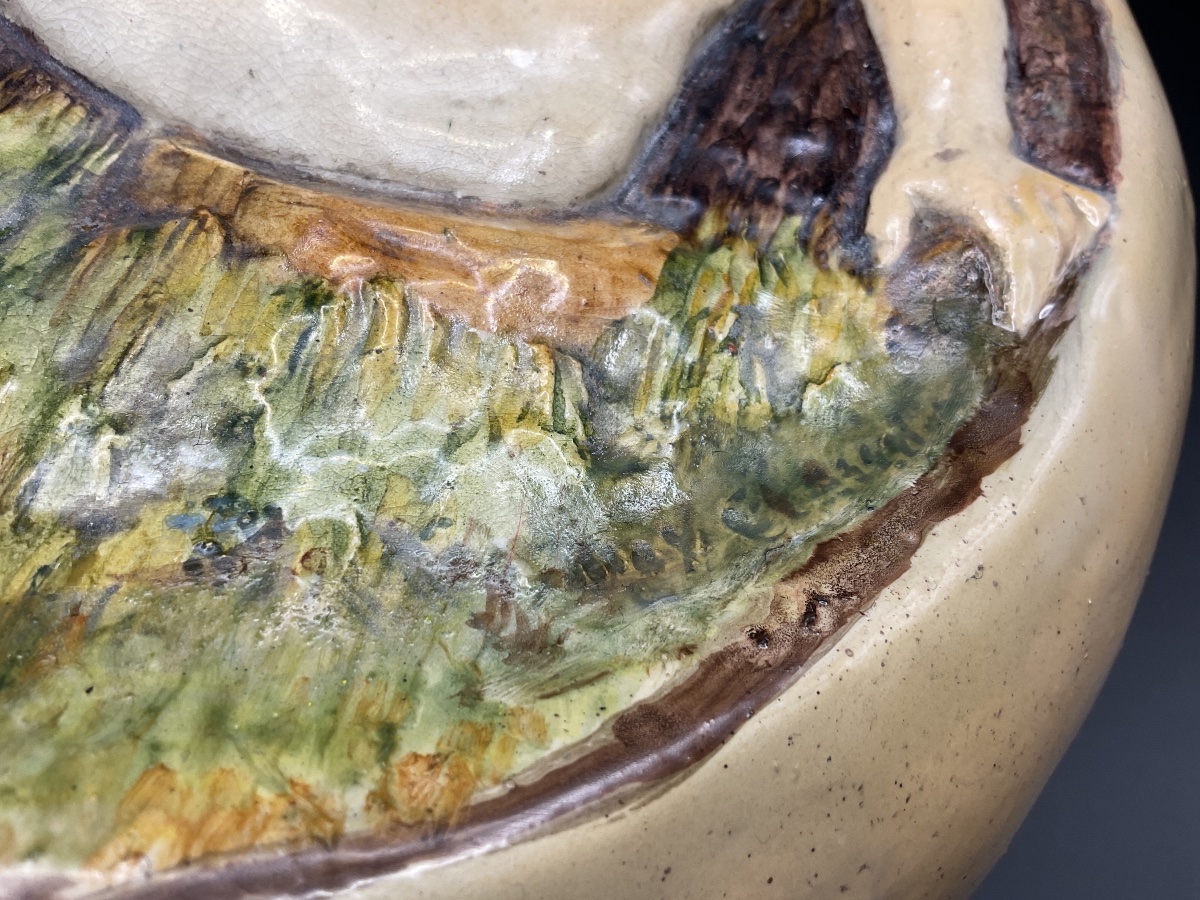
- Signed in the decor, Max Claudet below ARISTAEUS's left hand.
- The artist's signature is present in the decor but is difficult to read, see photo. Max Claudet, born August 18
1840 in Fécamp (Seine-Maritime) and died May 28, 1893 in Salins-les-Bains (Jura), was a French sculptor and ceramist, active in
Salins-les-Bains.
- In 1858, 1859, Max Claudet attended the École des Beaux-Arts in Dijon, where his teacher was the sculptor Darbois.
- In 1860, he entered Jouffroy's studio in Paris as a student.
- Max Claudet's stay in the capital was soon cut short: two months after his arrival at Jouffroy's studio, Claudet
contracted typhoid fever.
- He was forced to interrupt his studies and returned to his family home in Salins for treatment.
- The illness having weakened him too, after a few weeks' convalescence, he decided to stay in Salins, resume his
solitary studies and work on his own fund.
- Claudet's motivations were not, in fact, purely medical; raised in the countryside, a lover of nature,
Claudet, isolated in the capital, had been unable to integrate into Parisian life.
- With the support of his friend Max Buchon, a writer and journalist correspondent for various newspapers and literary reviews, Max
Claudet participated in the Salon des Artistes Français in Paris for the first time in 1864.
- Max Claudet enjoyed great friendship with many artists, including the painter Gustave Courbet, the sculptor Jean-Joseph
Perraud and Louis Pasteur, the famous French scientist who would become the godfather of his son Georges.
- A similar mythological scene of Astrea mourning the death of her bees is depicted on a ceramic sent to
the Salon des artistes français exhibition in Paris in 1884, where Max Claudet exhibited his work from 1884 to 1889.
- Period: 4ᵉ quarter of the 19ᵉ century circa 1881-1884.
decor depicting Aristaeus mourning the death of his bees.
- Titled in the decor in Greek ARISTAIOS (ARISTEA).
- Signed in the decor, Max Claudet below ARISTAEUS's left hand.
- The artist's signature is present in the decor but is difficult to read, see photo. Max Claudet, born August 18
1840 in Fécamp (Seine-Maritime) and died May 28, 1893 in Salins-les-Bains (Jura), was a French sculptor and ceramist, active in
Salins-les-Bains.
- In 1858, 1859, Max Claudet attended the École des Beaux-Arts in Dijon, where his teacher was the sculptor Darbois.
- In 1860, he entered Jouffroy's studio in Paris as a student.
- Max Claudet's stay in the capital was soon cut short: two months after his arrival at Jouffroy's studio, Claudet
contracted typhoid fever.
- He was forced to interrupt his studies and returned to his family home in Salins for treatment.
- The illness having weakened him too, after a few weeks' convalescence, he decided to stay in Salins, resume his
solitary studies and work on his own fund.
- Claudet's motivations were not, in fact, purely medical; raised in the countryside, a lover of nature,
Claudet, isolated in the capital, had been unable to integrate into Parisian life.
- With the support of his friend Max Buchon, a writer and journalist correspondent for various newspapers and literary reviews, Max
Claudet participated in the Salon des Artistes Français in Paris for the first time in 1864.
- Max Claudet enjoyed great friendship with many artists, including the painter Gustave Courbet, the sculptor Jean-Joseph
Perraud and Louis Pasteur, the famous French scientist who would become the godfather of his son Georges.
- A similar mythological scene of Astrea mourning the death of her bees is depicted on a ceramic sent to
the Salon des artistes français exhibition in Paris in 1884, where Max Claudet exhibited his work from 1884 to 1889.
- Period: 4ᵉ quarter of the 19ᵉ century circa 1881-1884.
Explore similar pieces and discover your ideal find:
Faience Vases and Decorative Objects