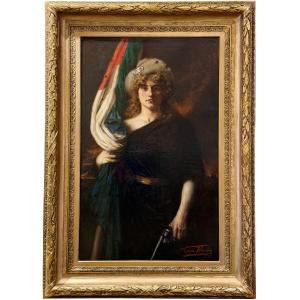


Léon Herbo (1850 - 1907) - ' Liberty Of Italy – La Libertà D’italia '
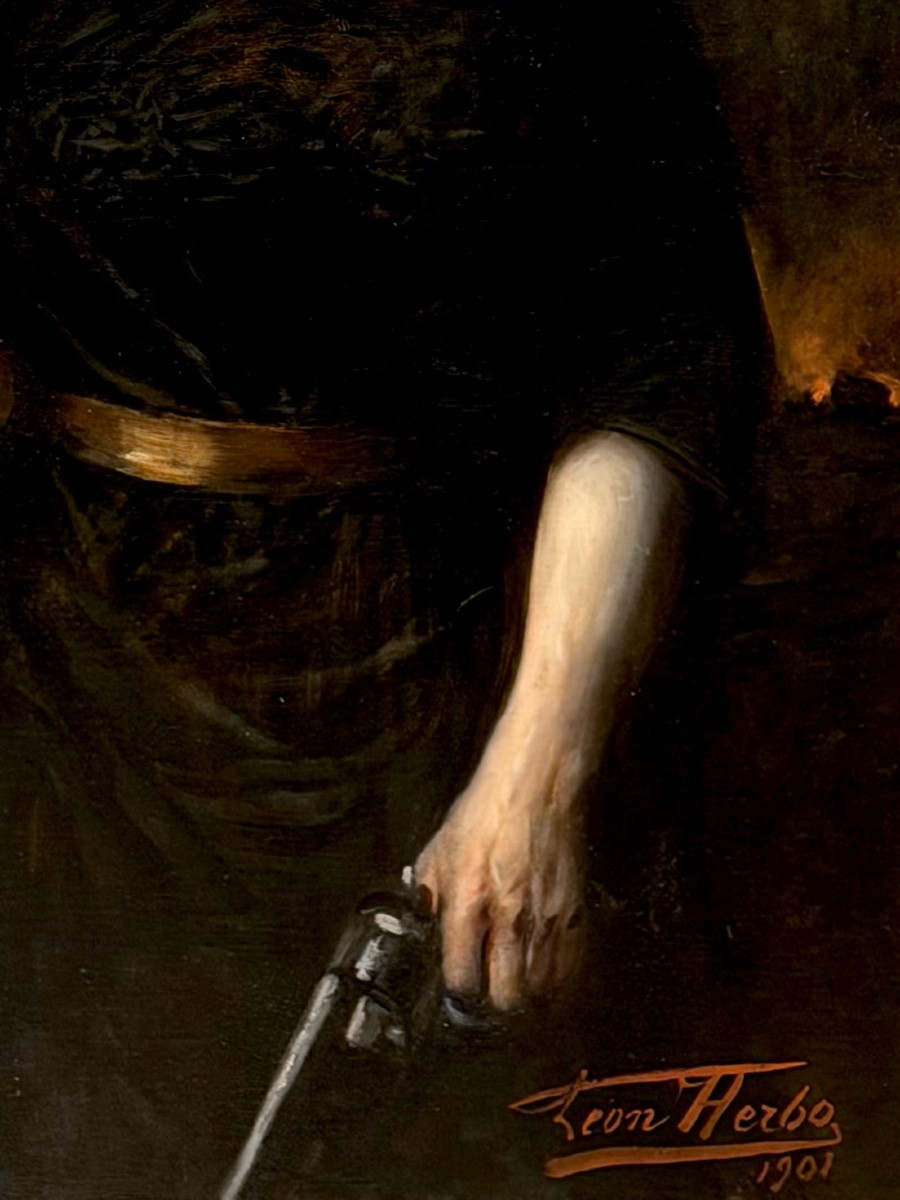
Artist: Léon Herbo, Templeuve 1850 – 1907 Ixelles, Peintre Belge, Signature: Signé En Bas à Droite Et Daté 'leon Herbo 1901'
Léon Herbo
Templeuve 1850 – 1907 Ixelles
Belgian Painter
'Liberty of Italy – La Libertà d’Italia'
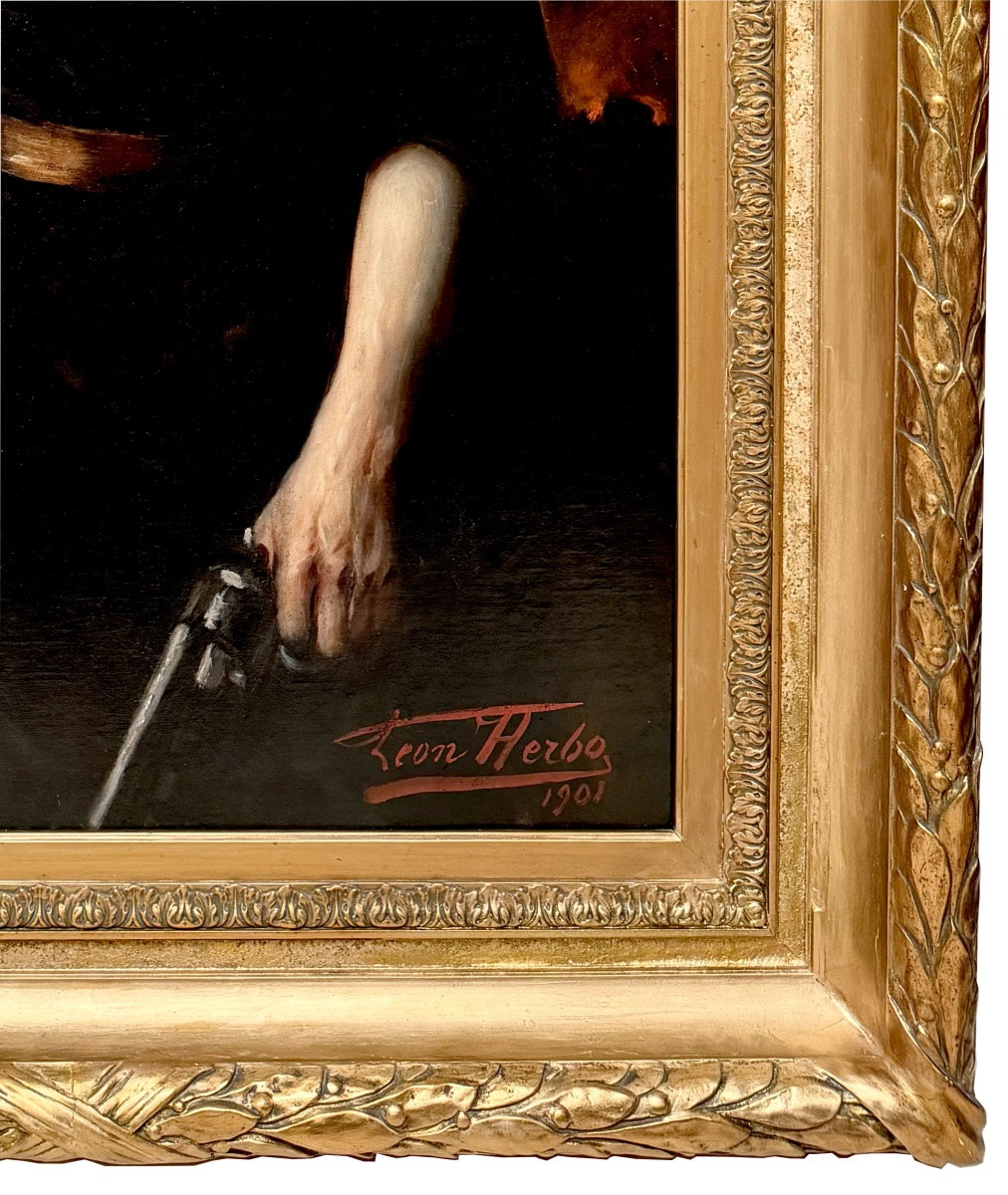
Signature: signed lower right and dated 'Leon Herbo 1901'
Medium: oil on canvas
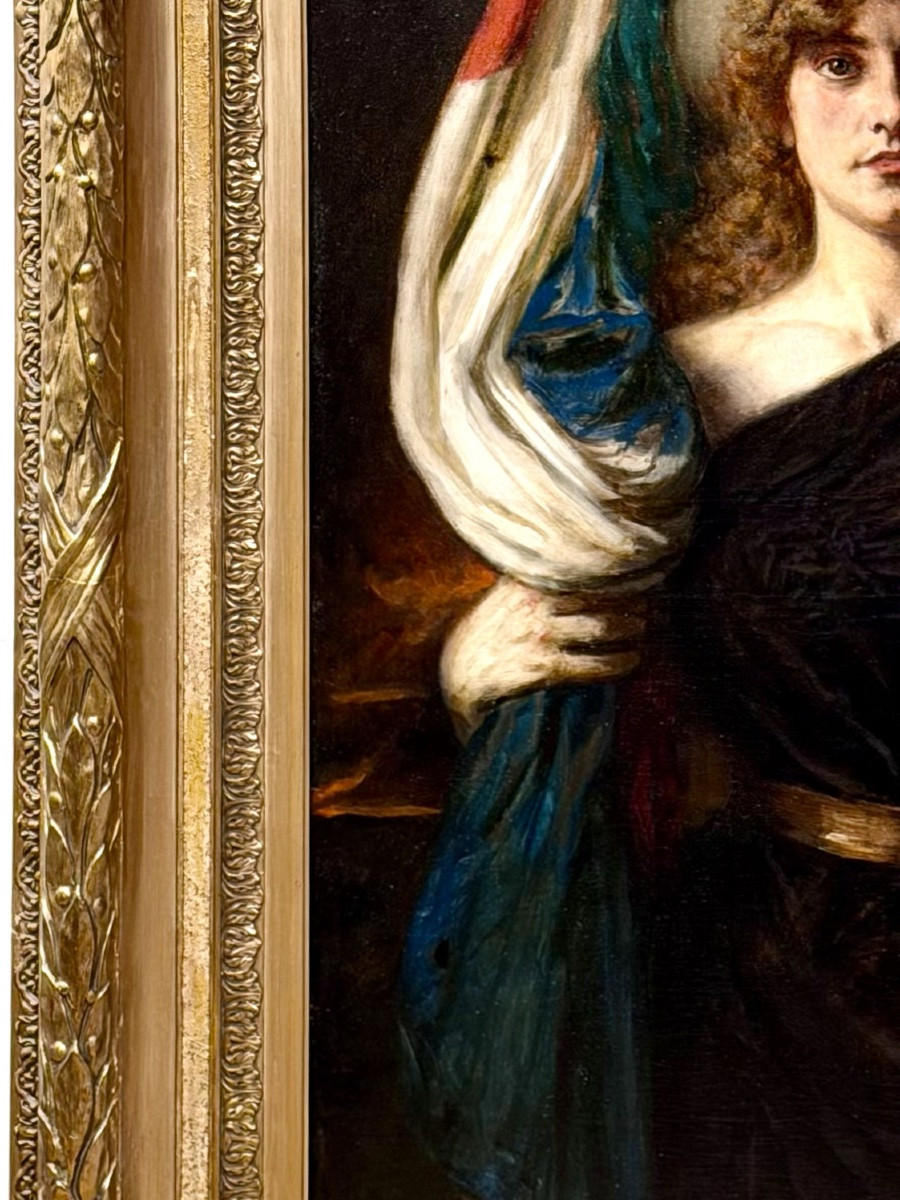
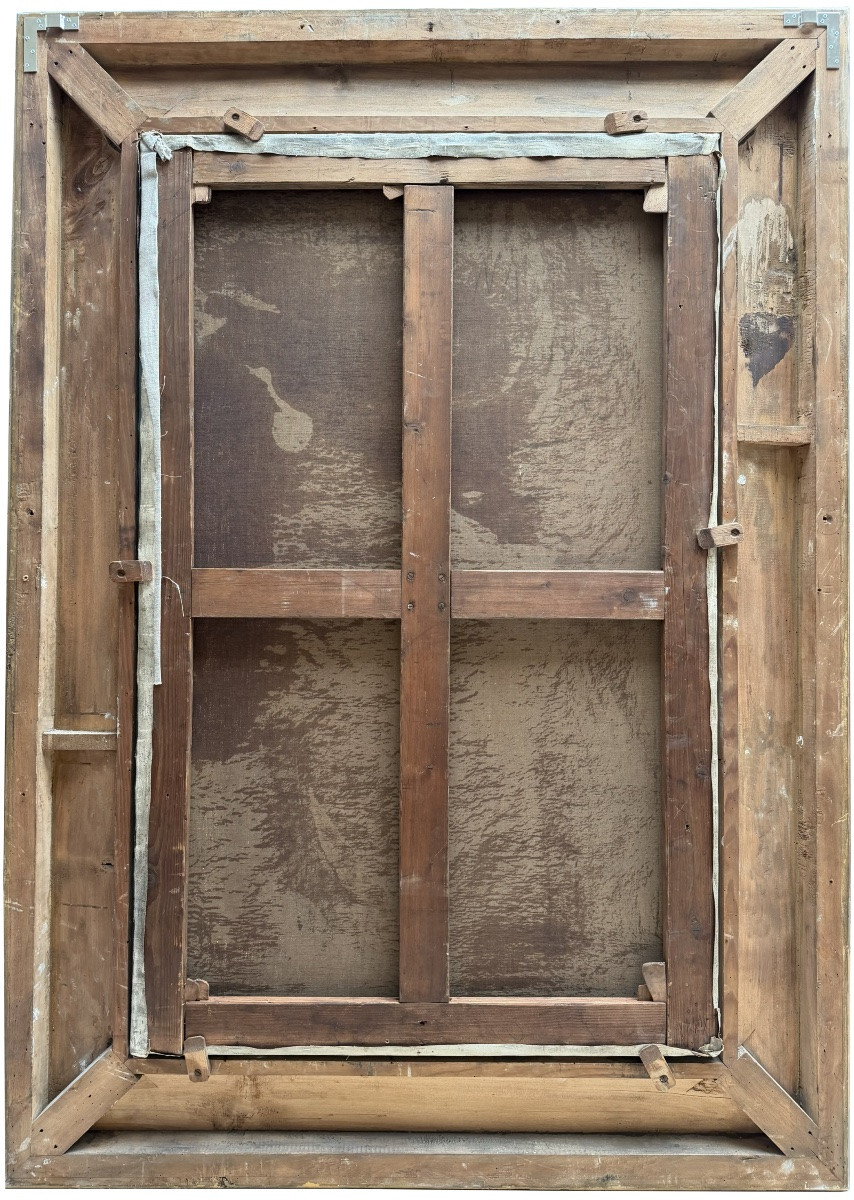
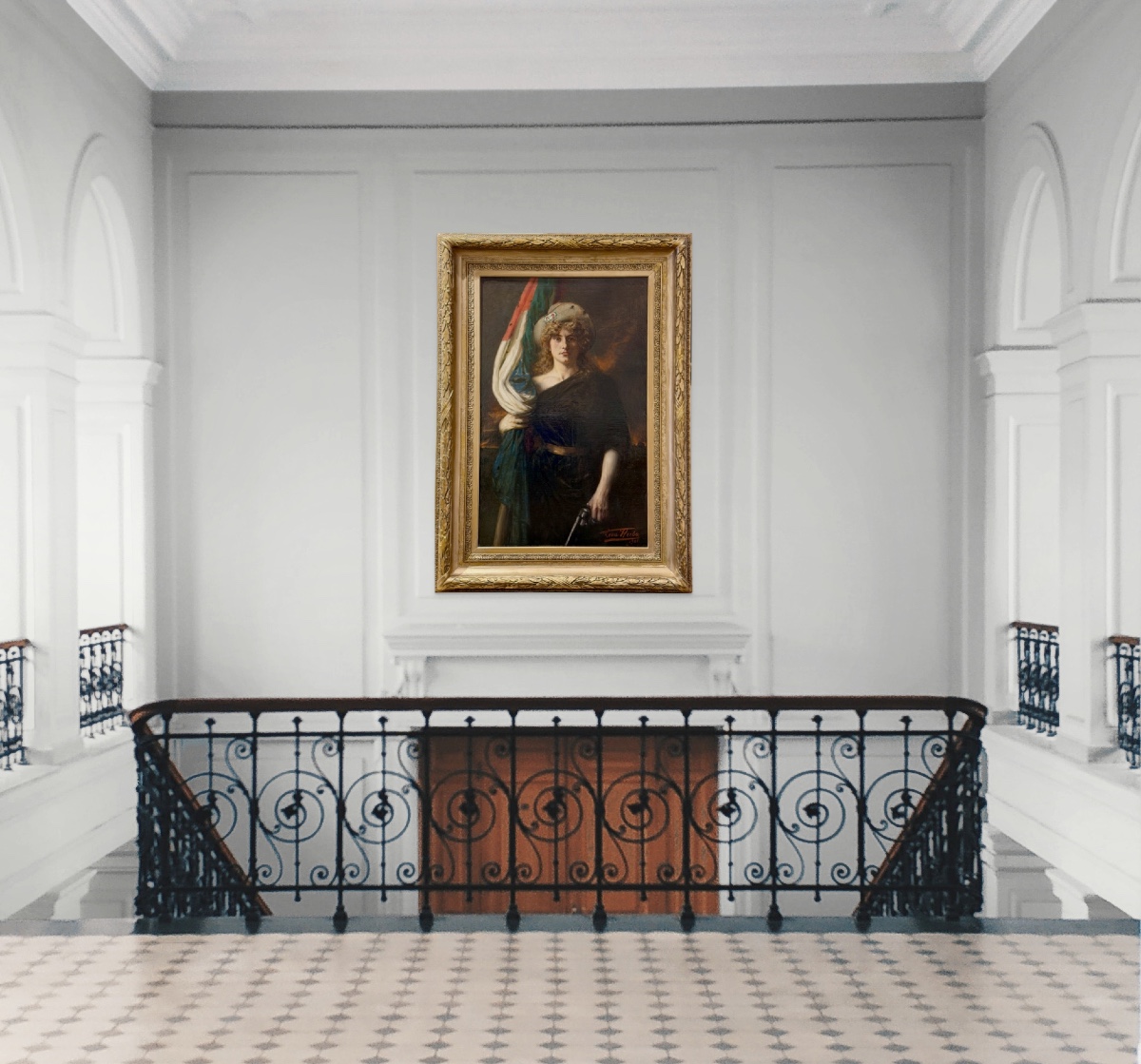
Dimensions: image size 125 x 80 cm, frame size 163 x 117 cm
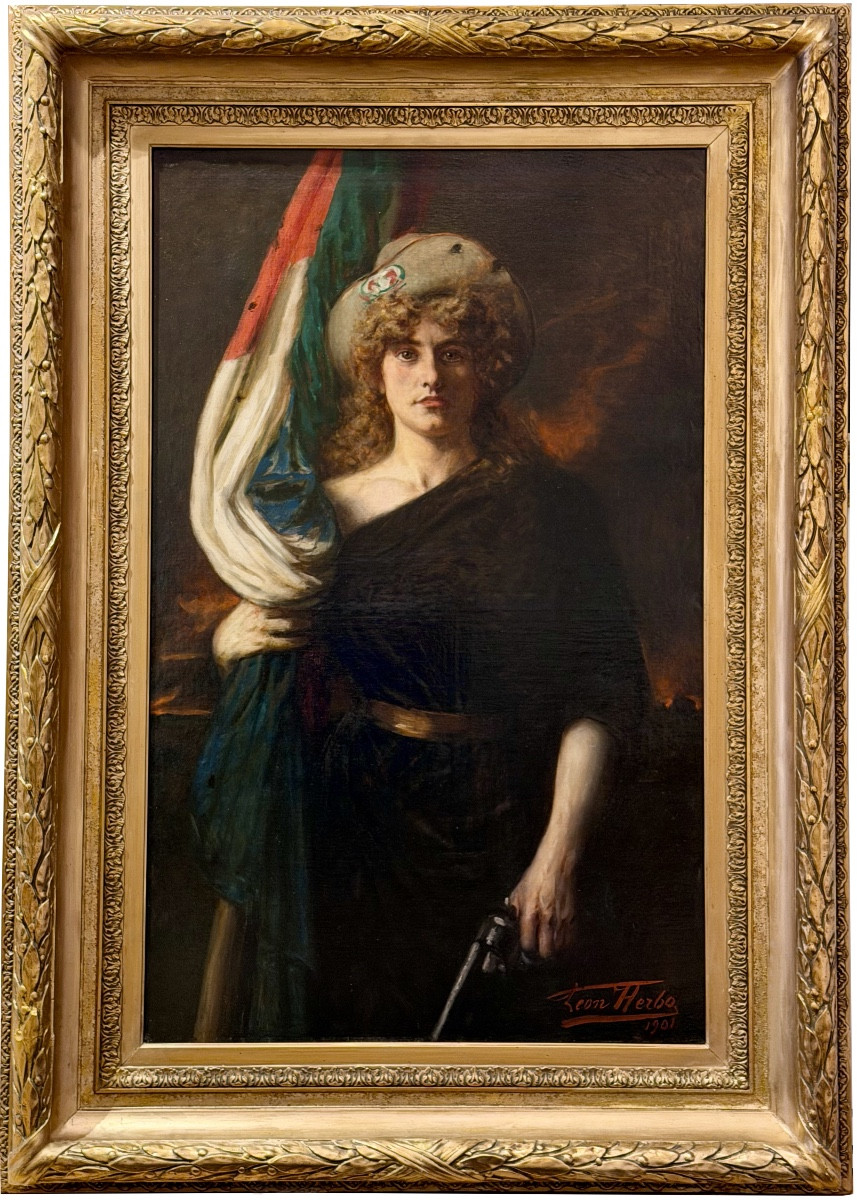
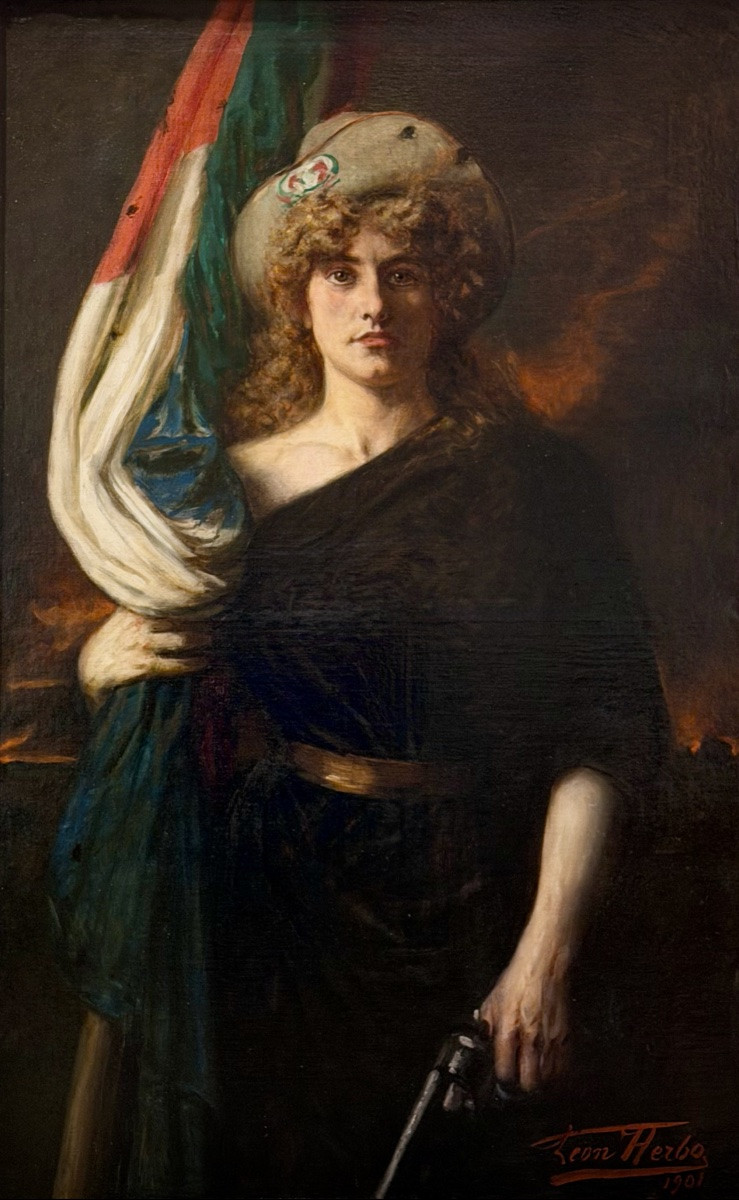
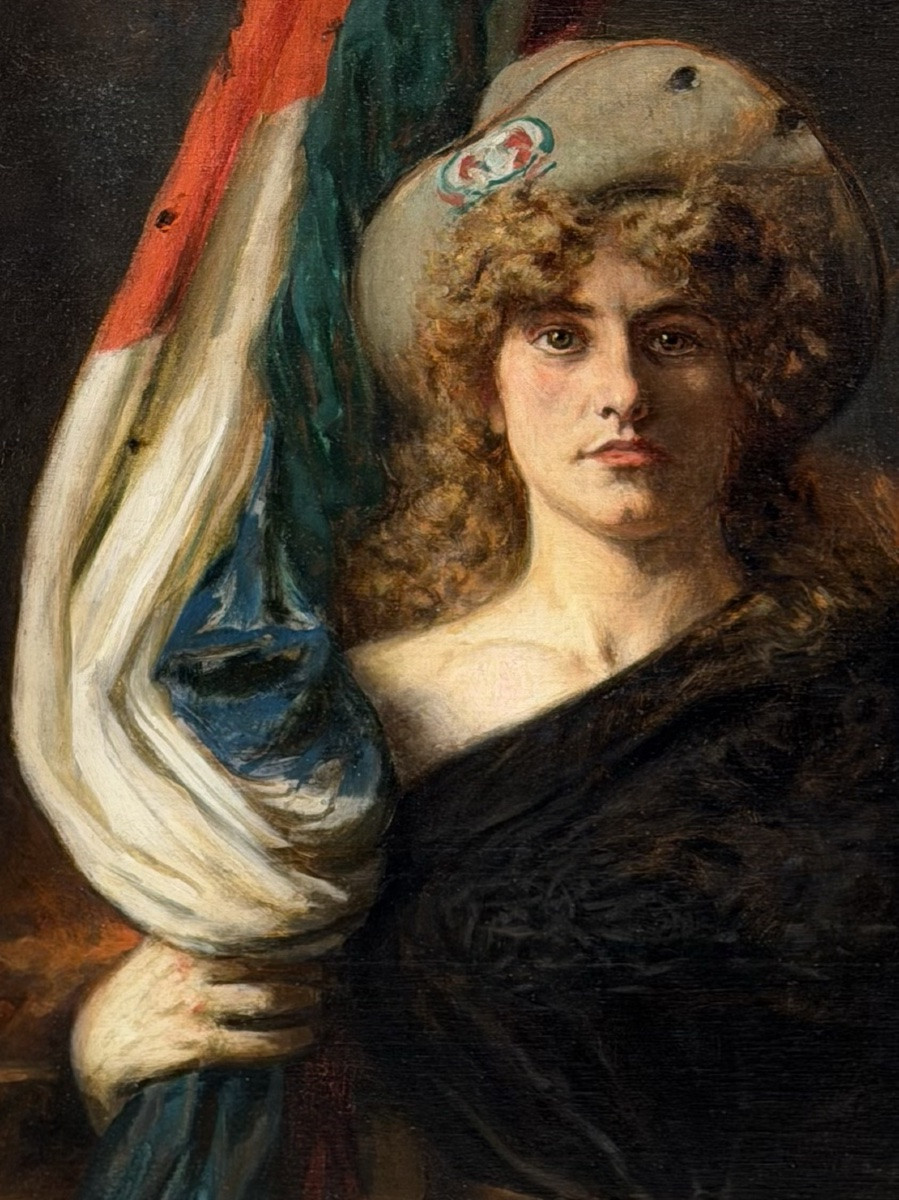
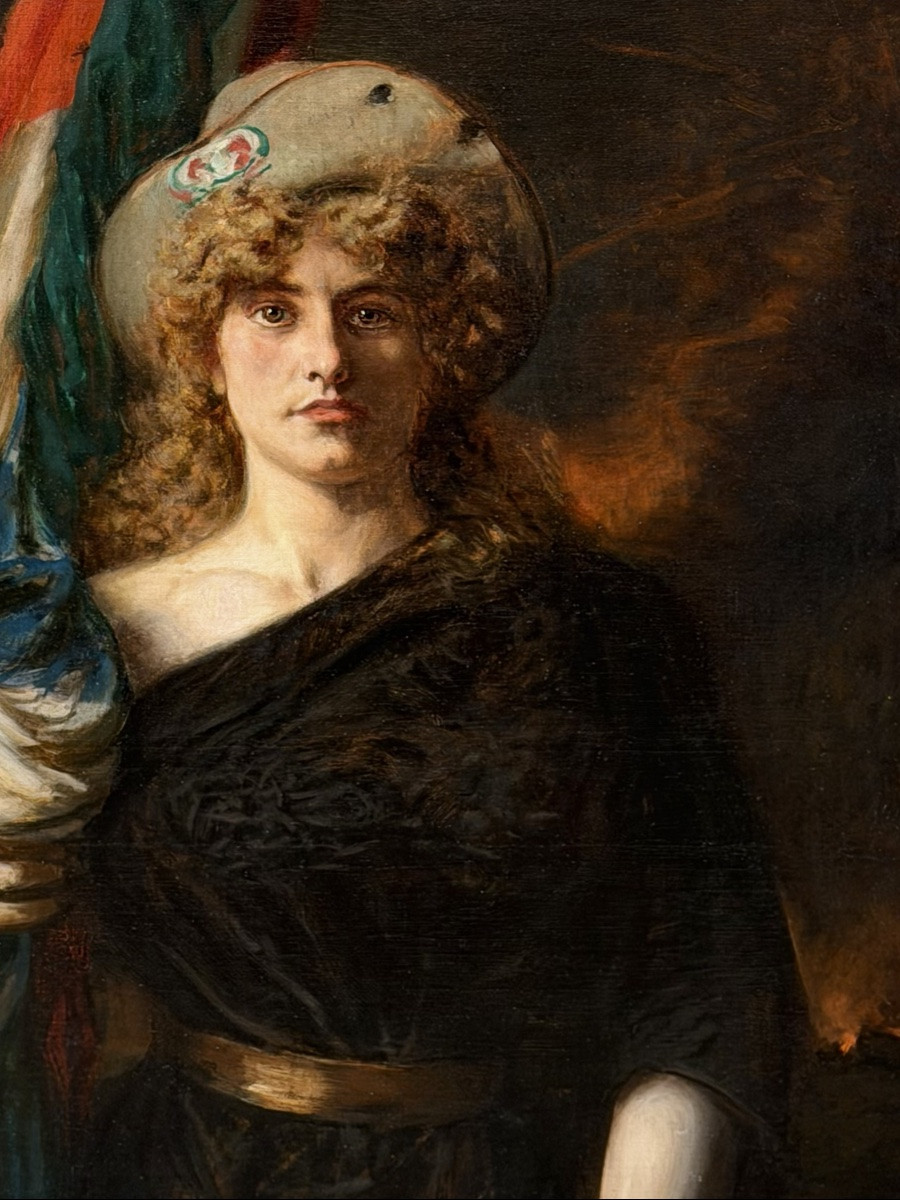
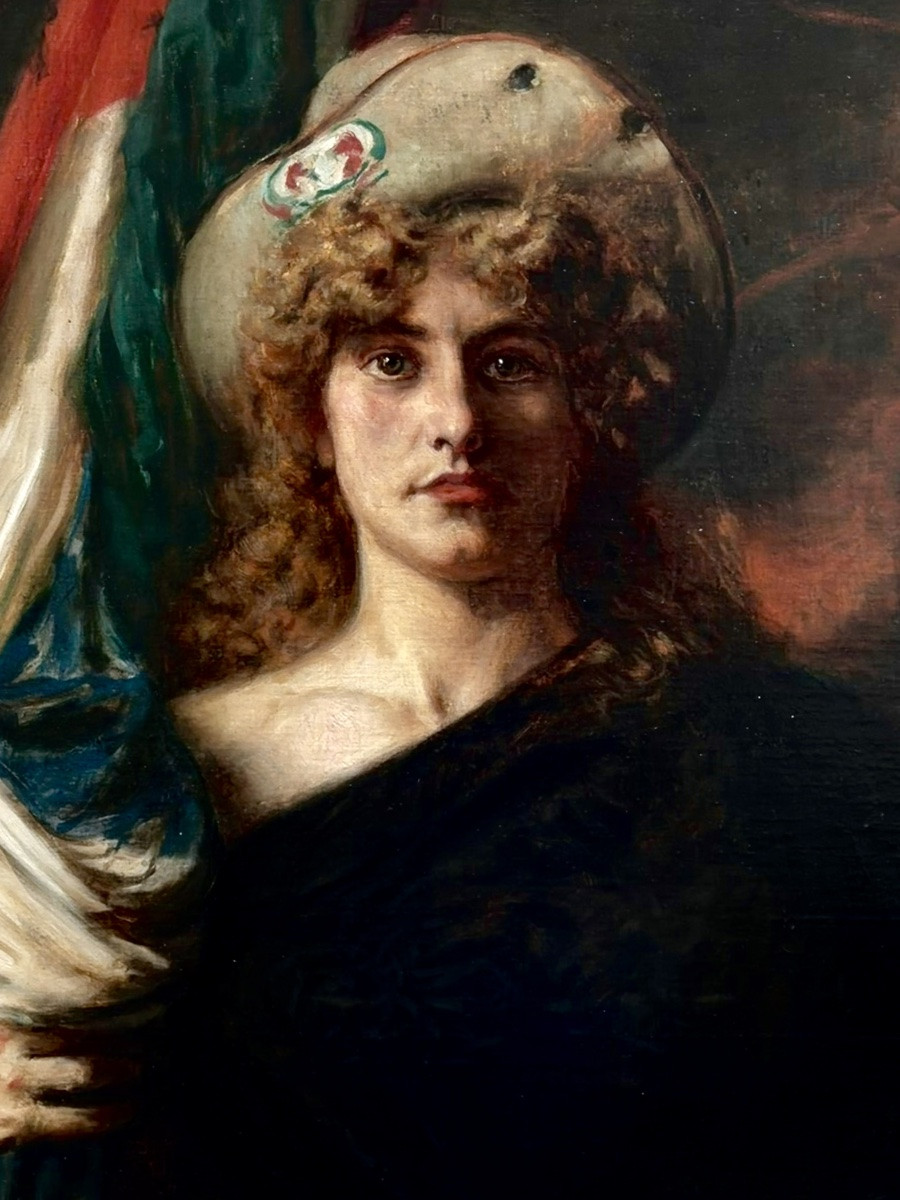
This monumental and highly evocative painting by the Belgian artist Léon Herbo represents an allegorical figure of Italy personified as Liberty. Painted in 1901, the work captures the spirit of patriotism, resistance, and national identity at the turn of the twentieth century. The young female figure, standing defiantly against a dramatic background, holds the Italian tricolour flag in one hand and a pistol in the other, symbolising courage, revolution, and the fight for freedom.
The title La Libertà / Italia is particularly fitting for this composition. Around 1900, Italy experienced widespread social unrest, workers’ strikes, and political tensions linked to poverty and the struggle for social rights. The painting echoes the ideals associated with Il Quarto Stato (“The Fourth Estate”), the symbolic rise of the working class and the demand for liberty and dignity.
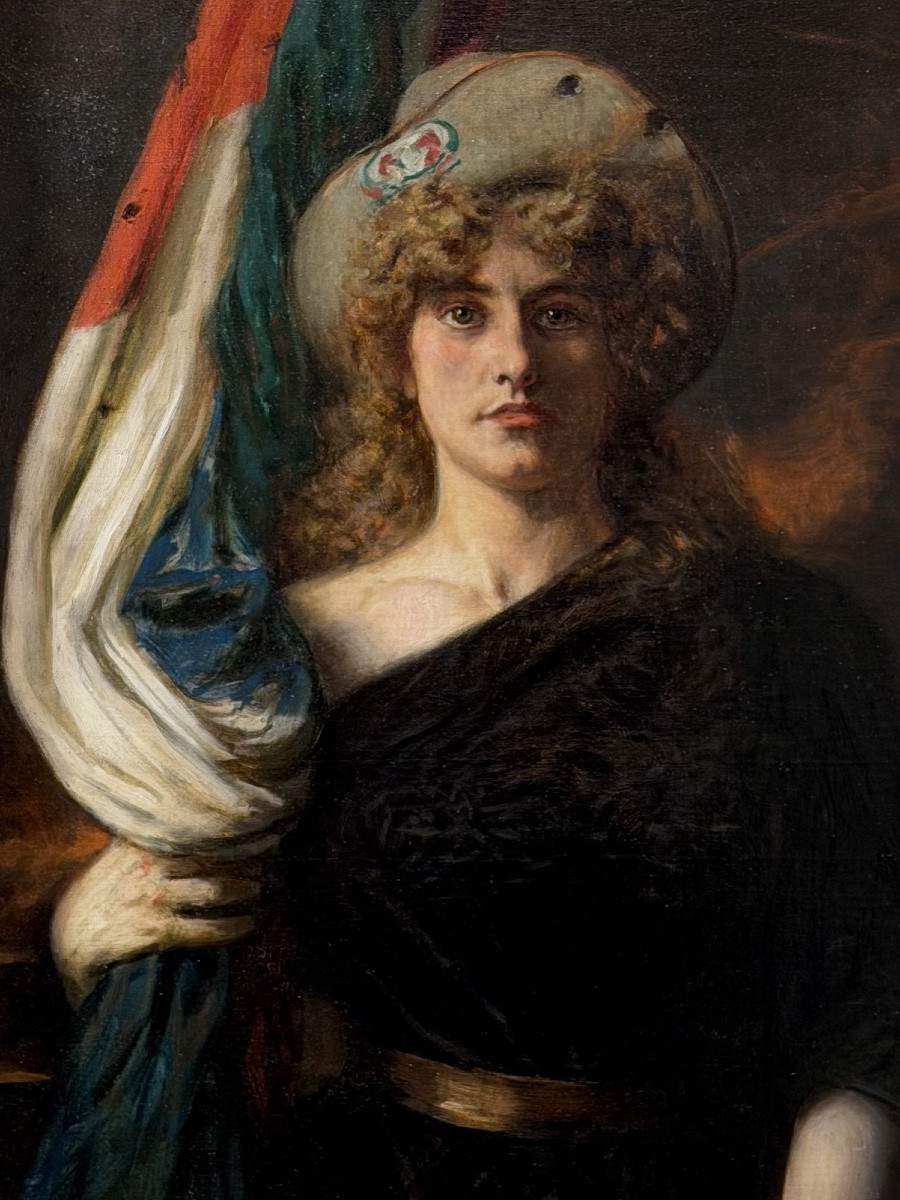
A particularly striking feature is the figure’s headdress, inspired by a combination of a liberty cap and elements associated with the historic Bersaglieri military hat, an iconic emblem of Italian patriotism and revolutionary spirit during the Risorgimento. The cockade in the colours of the Italian flag further reinforces the national symbolism of the composition. In Herbo’s hands, the costume becomes more than decorative attire; it transforms the sitter into a powerful allegory of Italy itself.
Léon Herbo was born in Templeuve in 1850 and trained at the Académie des Beaux-Arts in Tournai before continuing his studies at the Académie Royale des Beaux-Arts in Brussels between 1869 and 1874. There he distinguished himself by achieving first place in the preparatory competition for the Prix de Rome. Following extensive travels through Germany, Italy, and France, he settled in Brussels and developed a successful international career.
Herbo made his debut at the Brussels Salon in 1875 and became one of the founders of the progressive artistic circle L’Essor in 1876, a movement challenging the conservative artistic conventions of the Belgian academies. He exhibited internationally in Paris, Munich, and Berlin, receiving an honourable mention at the Exposition Universelle in Paris in 1889.
Best known for his elegant portraits of women, theatrical subjects, and Orientalist genre scenes, Herbo was also a highly regarded portraitist commissioned by members of the Belgian aristocracy and royal circles. Among his notable commissions was the portrait of the Crown Prince of Belgium, Léopold Ferdinand, Count of Hainaut, who died in 1869 at the age of ten, painted for Queen Marie-Henriette. Herbo maintained an important production as a portrait painter, and more than a thousand portraits are attributed to his hand.
Most of Herbo’s paintings remain in private collections. Important examples of his work are preserved in the Royal Museums of Fine Arts of Belgium, the Museum of Painting and Sculpture in Kortrijk, and the Musée des Beaux-Arts in Tournai.
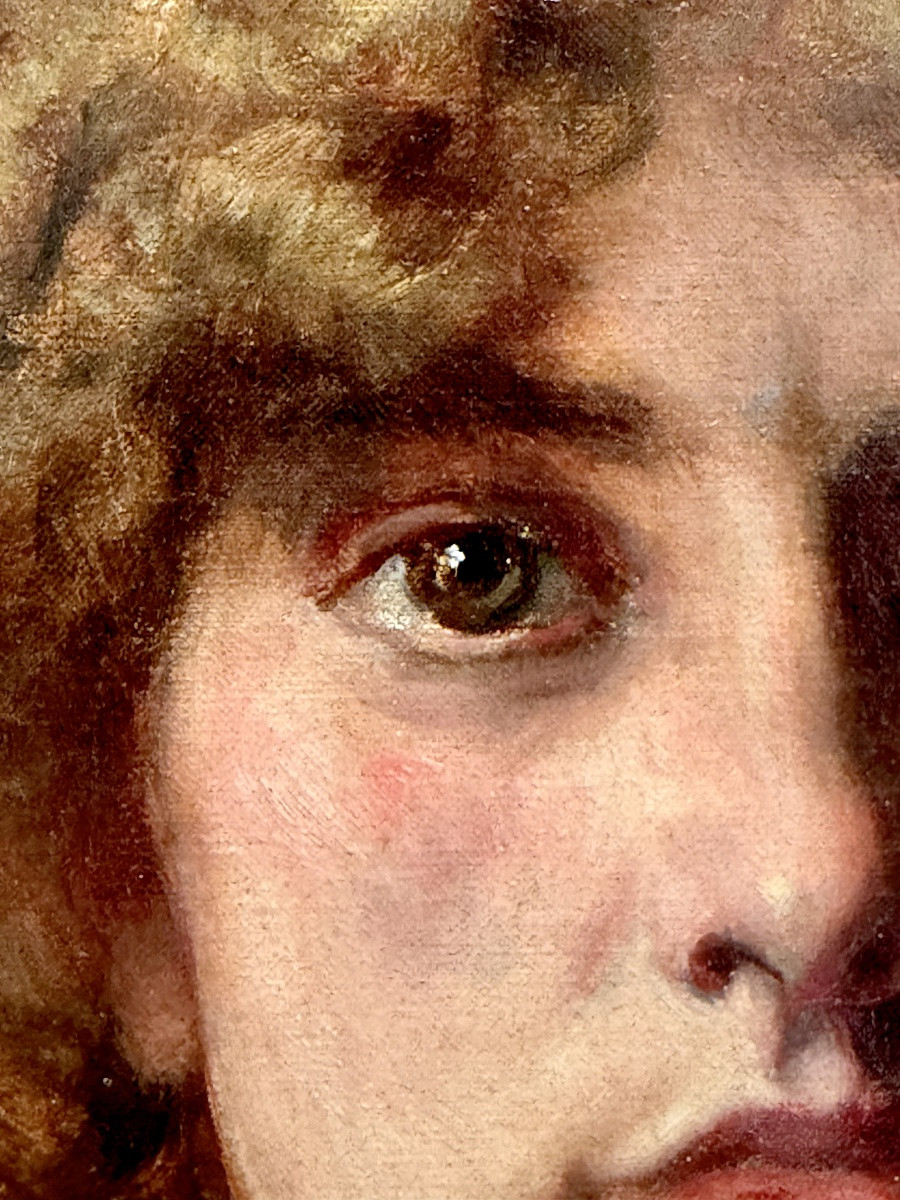
This exceptional painting combines the elegance of fin-de-siècle portraiture with rare and compelling political symbolism, making it an important and visually striking work within Léon Herbo’s oeuvre.
Templeuve 1850 – 1907 Ixelles
Belgian Painter
'Liberty of Italy – La Libertà d’Italia'
Signature: signed lower right and dated 'Leon Herbo 1901'
Medium: oil on canvas
Dimensions: image size 125 x 80 cm, frame size 163 x 117 cm
This monumental and highly evocative painting by the Belgian artist Léon Herbo represents an allegorical figure of Italy personified as Liberty. Painted in 1901, the work captures the spirit of patriotism, resistance, and national identity at the turn of the twentieth century. The young female figure, standing defiantly against a dramatic background, holds the Italian tricolour flag in one hand and a pistol in the other, symbolising courage, revolution, and the fight for freedom.
The title La Libertà / Italia is particularly fitting for this composition. Around 1900, Italy experienced widespread social unrest, workers’ strikes, and political tensions linked to poverty and the struggle for social rights. The painting echoes the ideals associated with Il Quarto Stato (“The Fourth Estate”), the symbolic rise of the working class and the demand for liberty and dignity.
A particularly striking feature is the figure’s headdress, inspired by a combination of a liberty cap and elements associated with the historic Bersaglieri military hat, an iconic emblem of Italian patriotism and revolutionary spirit during the Risorgimento. The cockade in the colours of the Italian flag further reinforces the national symbolism of the composition. In Herbo’s hands, the costume becomes more than decorative attire; it transforms the sitter into a powerful allegory of Italy itself.
Léon Herbo was born in Templeuve in 1850 and trained at the Académie des Beaux-Arts in Tournai before continuing his studies at the Académie Royale des Beaux-Arts in Brussels between 1869 and 1874. There he distinguished himself by achieving first place in the preparatory competition for the Prix de Rome. Following extensive travels through Germany, Italy, and France, he settled in Brussels and developed a successful international career.
Herbo made his debut at the Brussels Salon in 1875 and became one of the founders of the progressive artistic circle L’Essor in 1876, a movement challenging the conservative artistic conventions of the Belgian academies. He exhibited internationally in Paris, Munich, and Berlin, receiving an honourable mention at the Exposition Universelle in Paris in 1889.
Best known for his elegant portraits of women, theatrical subjects, and Orientalist genre scenes, Herbo was also a highly regarded portraitist commissioned by members of the Belgian aristocracy and royal circles. Among his notable commissions was the portrait of the Crown Prince of Belgium, Léopold Ferdinand, Count of Hainaut, who died in 1869 at the age of ten, painted for Queen Marie-Henriette. Herbo maintained an important production as a portrait painter, and more than a thousand portraits are attributed to his hand.
Most of Herbo’s paintings remain in private collections. Important examples of his work are preserved in the Royal Museums of Fine Arts of Belgium, the Museum of Painting and Sculpture in Kortrijk, and the Musée des Beaux-Arts in Tournai.
This exceptional painting combines the elegance of fin-de-siècle portraiture with rare and compelling political symbolism, making it an important and visually striking work within Léon Herbo’s oeuvre.
18 000 €
Period: 20th century
Style: Other Style
Condition: Excellent condition
Material: Oil painting
Width: 117
Height: 163
Depth: 12 cm
Reference (ID): 1761037
Availability: In stock
Print