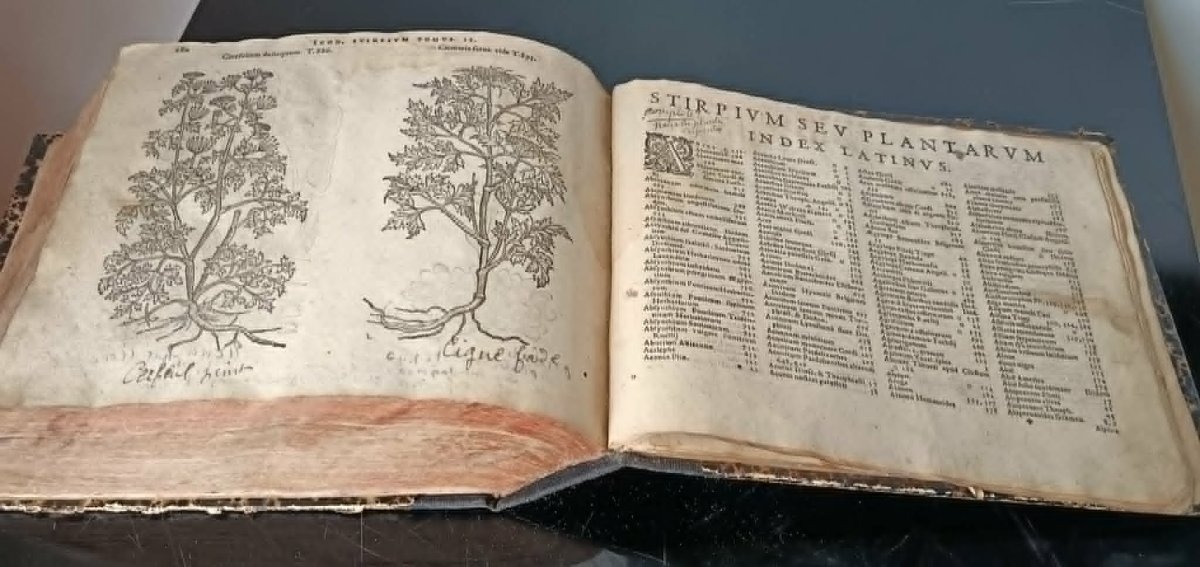
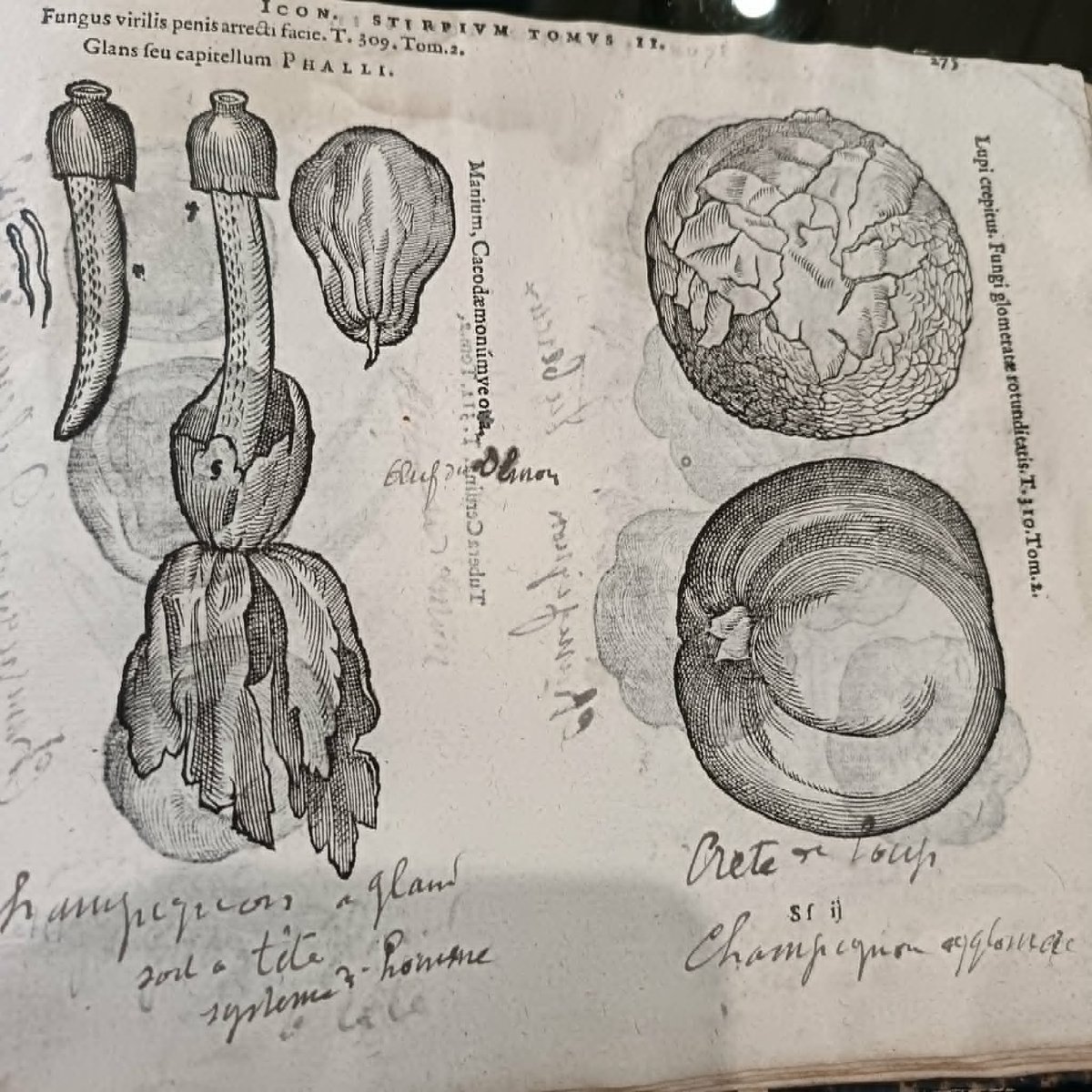
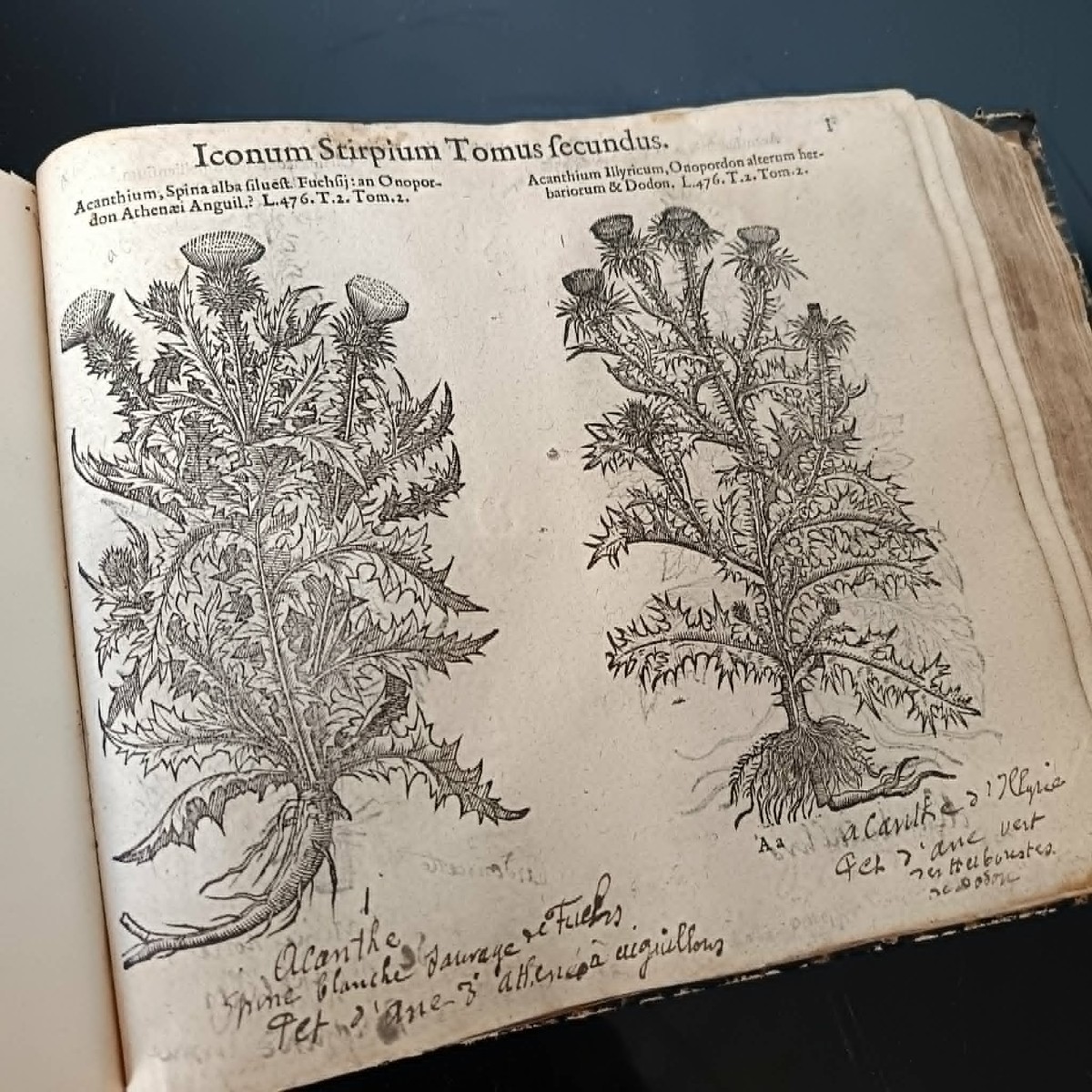


Matthias De l'Obel (1538-1616) Icones Stirpium Seu Plantarum ... Antwerp Plantin Moretus 1591
Matthias de l'OBEL (1538-1616)
"Icones Stirpium Seu PlantarumTam Exoticarum Quam Indigenarum"
Antwerp, Vve Plantin etJoannes Moretus, 1591.
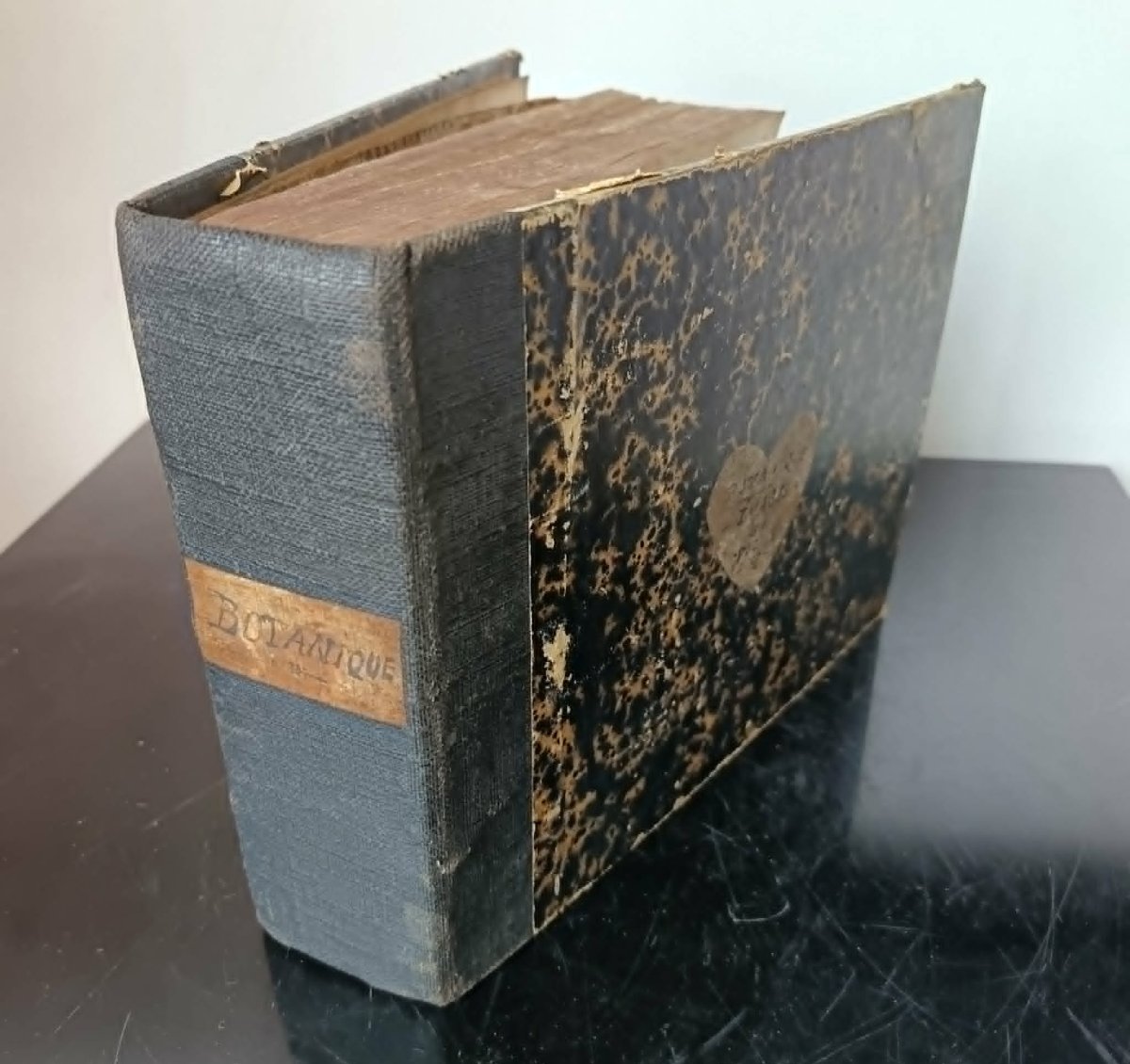
(Second edition which differs from that of 1581only by the addition, at the end of the work, of indexes in various languages, including French.French)(19th-century hardback)
Comprising First part of816 pages
(please note: Pages 309/312reversal after 313/316, and small lack at top corner last leaf offirst part)
Second part 280pages(Addition of a handwritten title pageannouncing the second part)
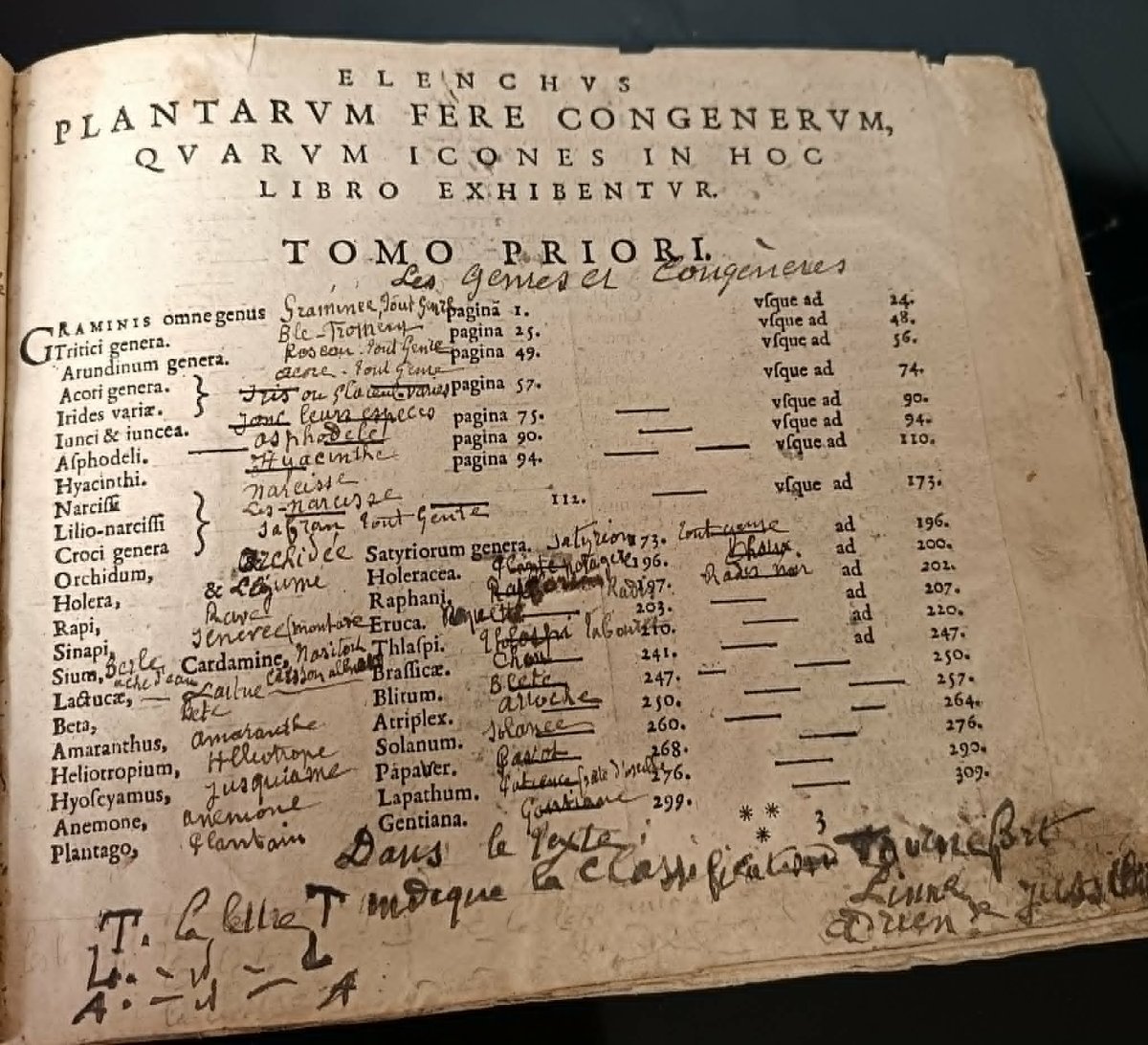
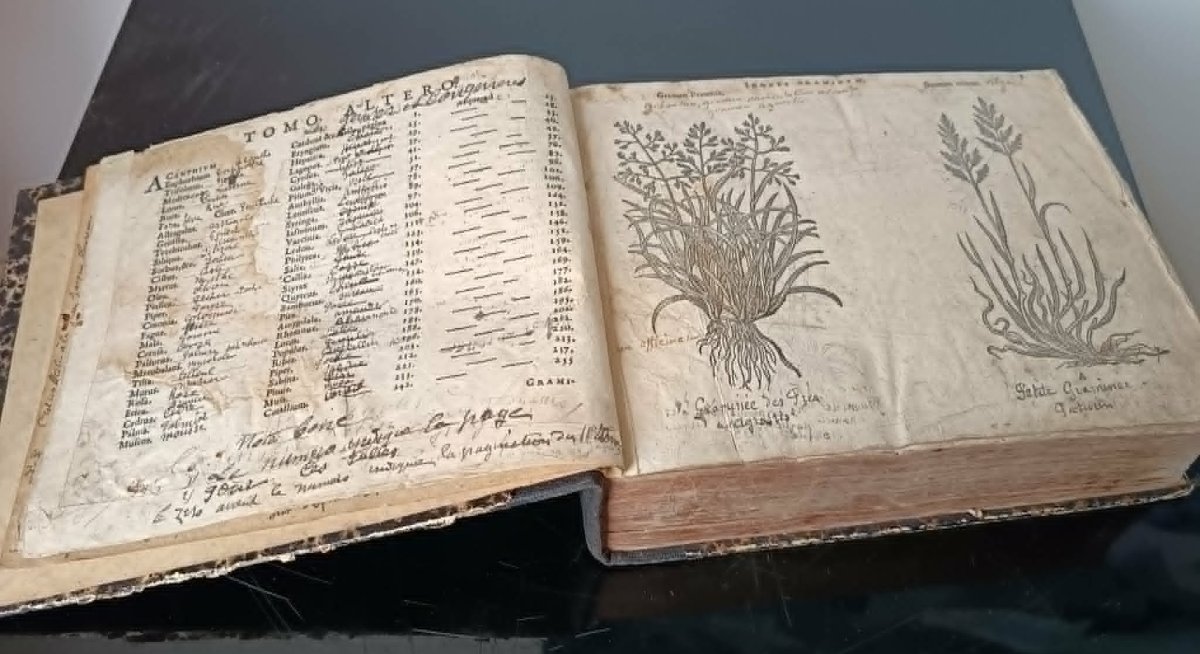
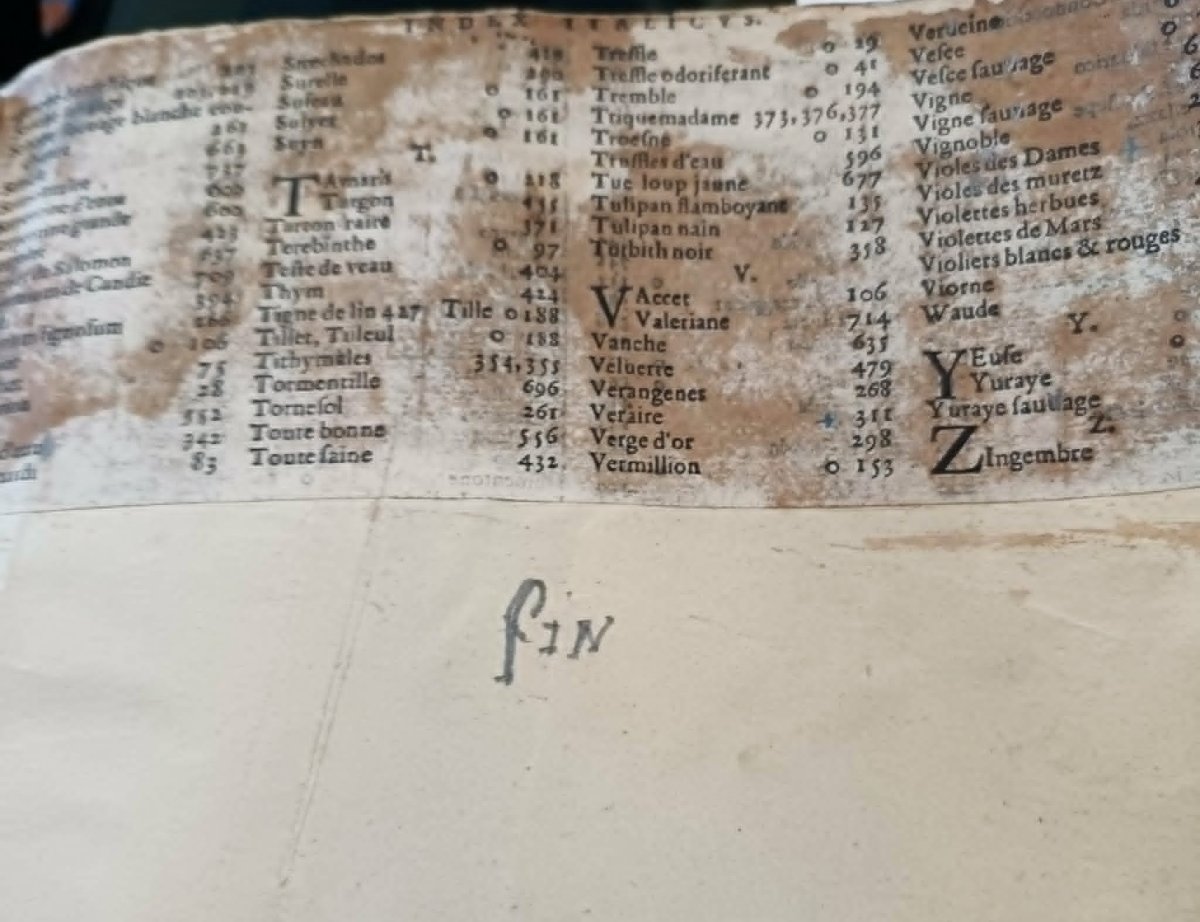
At the end of the volume index latinusfollowed by index françoise
(Missing: title pageand introductory pages,Belgian German andEnglish - end of page French index)
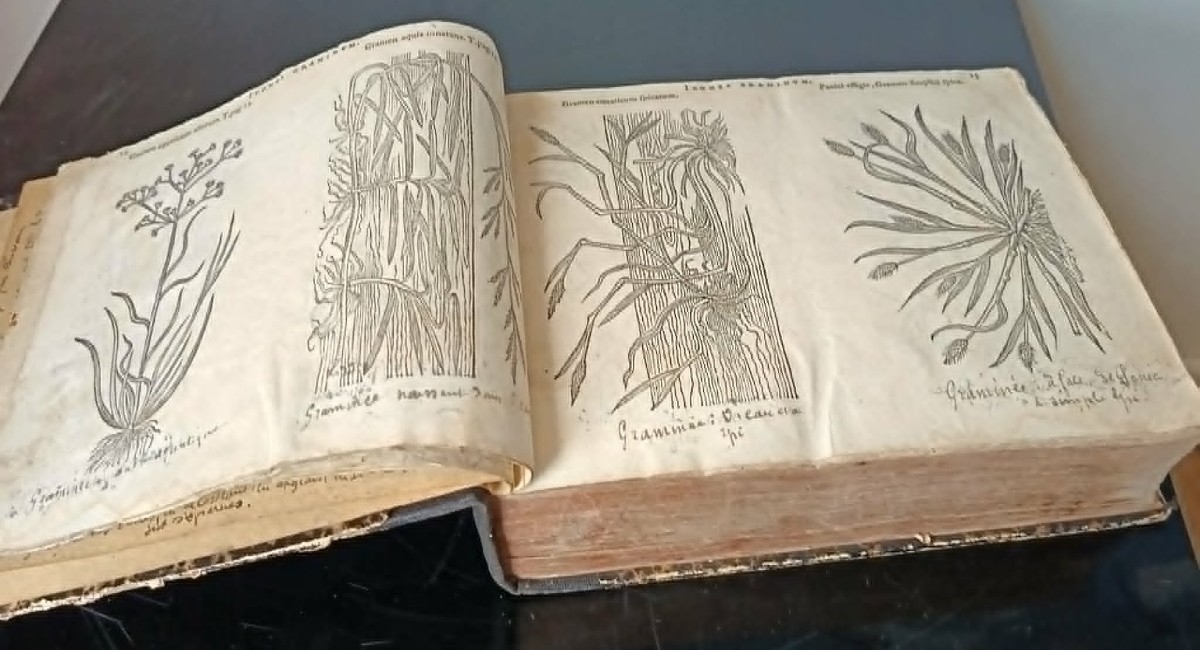
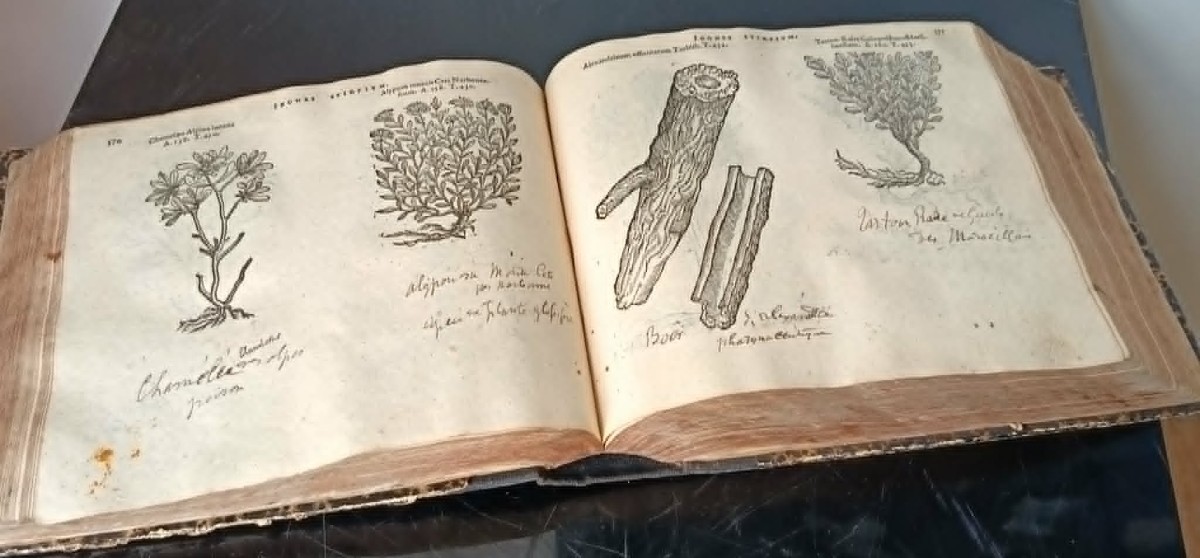
Format in quarto oblong:21.5 x 17.5cm approx.
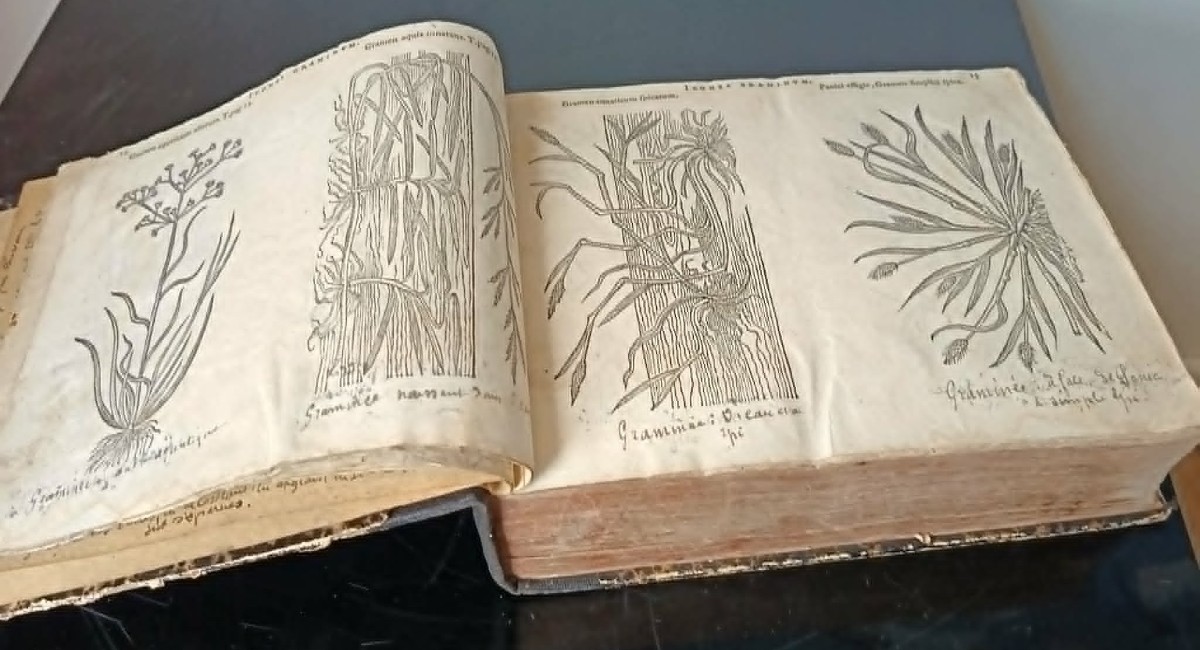
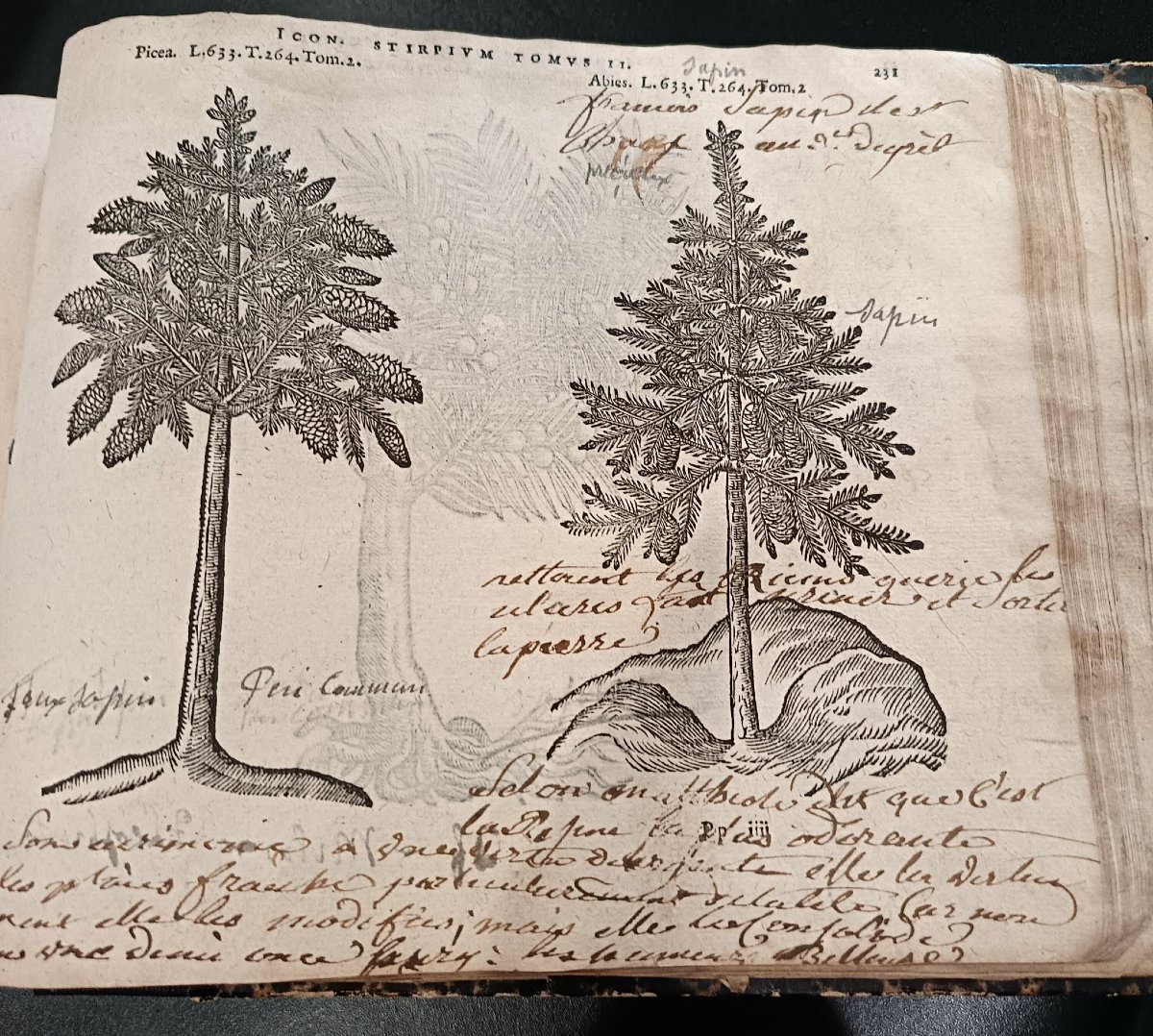
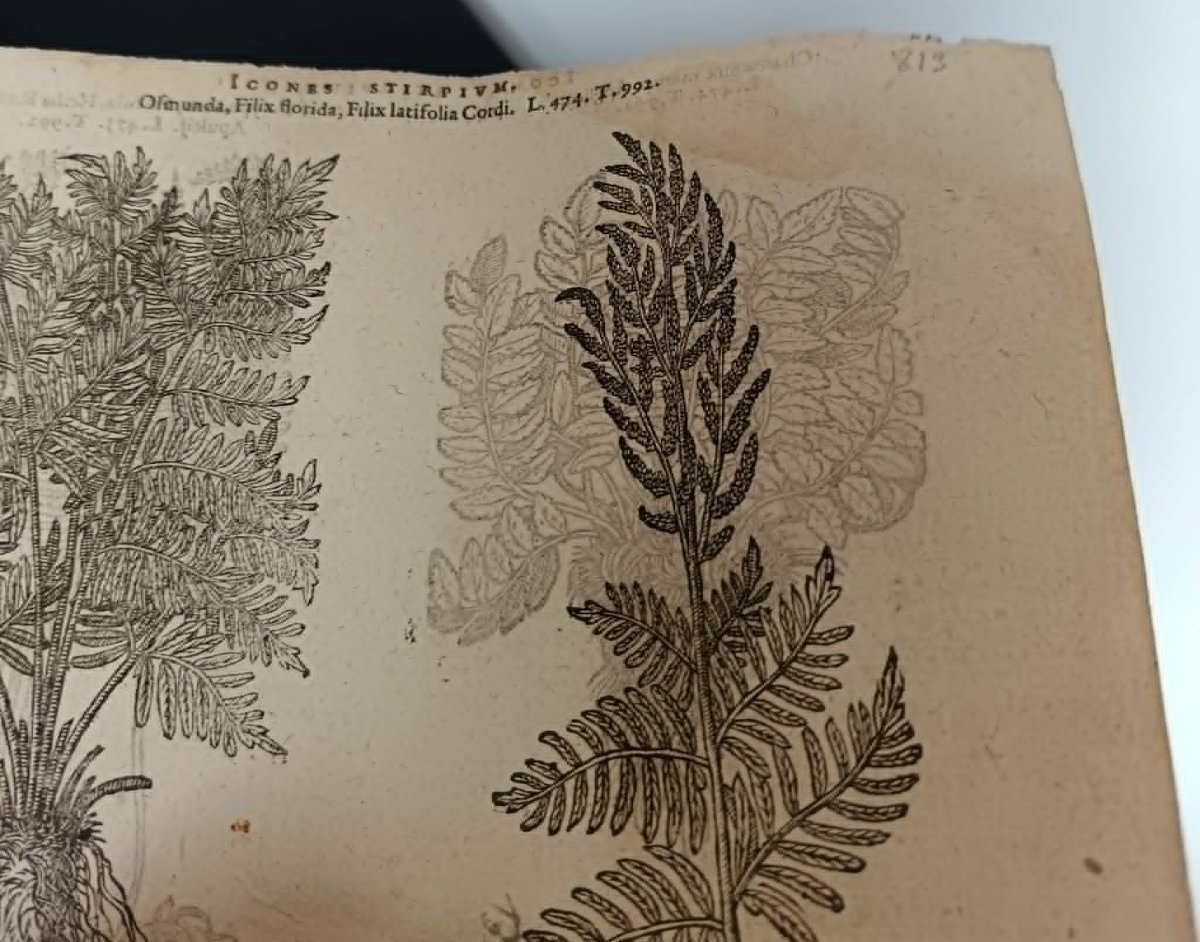
Later annotations in the margin of thethe margins of the engravings, indicating the vulgar name of the plant depicted.Some scattered soiling. Good overall condition of the plates
- 1 250 € -
Matthias de l'Obel was born in LilleLille in 1538.
He studied medicine in Montpellier and was a much-appreciated pupilof the great French naturalist Guillaume Rondelet.
In 1559, he moved to EnglandEngland, where he spent the rest of his life.
With the help of a young FrenchFrench physician, Pierre Pena, he researched a system for classifyingbased on leaf shape, which marked a decisive step in the history of botanicalthe history of botanical classification.
He set out the results of this work in a workthe results of his work in a book that did not meet with the success he had hoped for.
Into help de l'Obel, Christophe Plantin bought 800 copies forfor 1200 florins, which he resold in 1576 in quarto format, adding a fewadditions and changing the title: Plantarum Stirpium historia.
As was customary at the time,the figures were frequently repeated from one work to the next. Theybelonged to the printer, not the author. Thus, for the three authorshere, Dodoens, de l'Écluse and de l'Obel, all published by Plantin, it is sometimesit is sometimes difficult to tell for which of the three authors an illustration wasfor.
The Plantarum seu Stirpiumicones of 1581 is a collection of 2176 engravings.
A very special formatformat, in quarto and oblong, it was compiled using woodcutsfrom Christophe Plantin's collection. It is estimated that Peeter produced around 3,000by Peeter vander Borcht and engraved by the Plantin team ofPlantin's team of sculptors.Extremely finefor woodcuts, they are grouped according to the classificationclassification. Close collaboration between botanist, artist and printerartist and printer resulted in a completely new style of presentation and clear, preciseillustration.From then on,Plantin became the printer of all herbaria and botanical works in the Netherlands.
http://www.quai-favieres-antiquites.com/
"Icones Stirpium Seu PlantarumTam Exoticarum Quam Indigenarum"
Antwerp, Vve Plantin etJoannes Moretus, 1591.
(Second edition which differs from that of 1581only by the addition, at the end of the work, of indexes in various languages, including French.French)(19th-century hardback)
Comprising First part of816 pages
(please note: Pages 309/312reversal after 313/316, and small lack at top corner last leaf offirst part)
Second part 280pages(Addition of a handwritten title pageannouncing the second part)
At the end of the volume index latinusfollowed by index françoise
(Missing: title pageand introductory pages,Belgian German andEnglish - end of page French index)
Format in quarto oblong:21.5 x 17.5cm approx.
Later annotations in the margin of thethe margins of the engravings, indicating the vulgar name of the plant depicted.Some scattered soiling. Good overall condition of the plates
- 1 250 € -
Matthias de l'Obel was born in LilleLille in 1538.
He studied medicine in Montpellier and was a much-appreciated pupilof the great French naturalist Guillaume Rondelet.
In 1559, he moved to EnglandEngland, where he spent the rest of his life.
With the help of a young FrenchFrench physician, Pierre Pena, he researched a system for classifyingbased on leaf shape, which marked a decisive step in the history of botanicalthe history of botanical classification.
He set out the results of this work in a workthe results of his work in a book that did not meet with the success he had hoped for.
Into help de l'Obel, Christophe Plantin bought 800 copies forfor 1200 florins, which he resold in 1576 in quarto format, adding a fewadditions and changing the title: Plantarum Stirpium historia.
As was customary at the time,the figures were frequently repeated from one work to the next. Theybelonged to the printer, not the author. Thus, for the three authorshere, Dodoens, de l'Écluse and de l'Obel, all published by Plantin, it is sometimesit is sometimes difficult to tell for which of the three authors an illustration wasfor.
The Plantarum seu Stirpiumicones of 1581 is a collection of 2176 engravings.
A very special formatformat, in quarto and oblong, it was compiled using woodcutsfrom Christophe Plantin's collection. It is estimated that Peeter produced around 3,000by Peeter vander Borcht and engraved by the Plantin team ofPlantin's team of sculptors.Extremely finefor woodcuts, they are grouped according to the classificationclassification. Close collaboration between botanist, artist and printerartist and printer resulted in a completely new style of presentation and clear, preciseillustration.From then on,Plantin became the printer of all herbaria and botanical works in the Netherlands.
http://www.quai-favieres-antiquites.com/
1 250 €
Period: 16th century
Style: Other Style
Condition: En l'etat
Material: Paper
Reference (ID): 1752514
Availability: In stock
Print