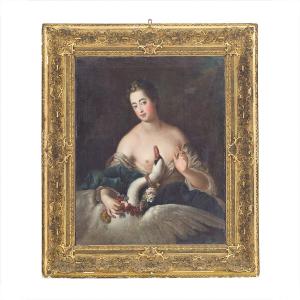


Portrait Of The Dancer Santina Olivieri, Known As La Reggiana, As Leda – Antoine Pesne (1683-17
“Expertise studied, executed, and signed by Dr. Arabella Cifani”
Below:
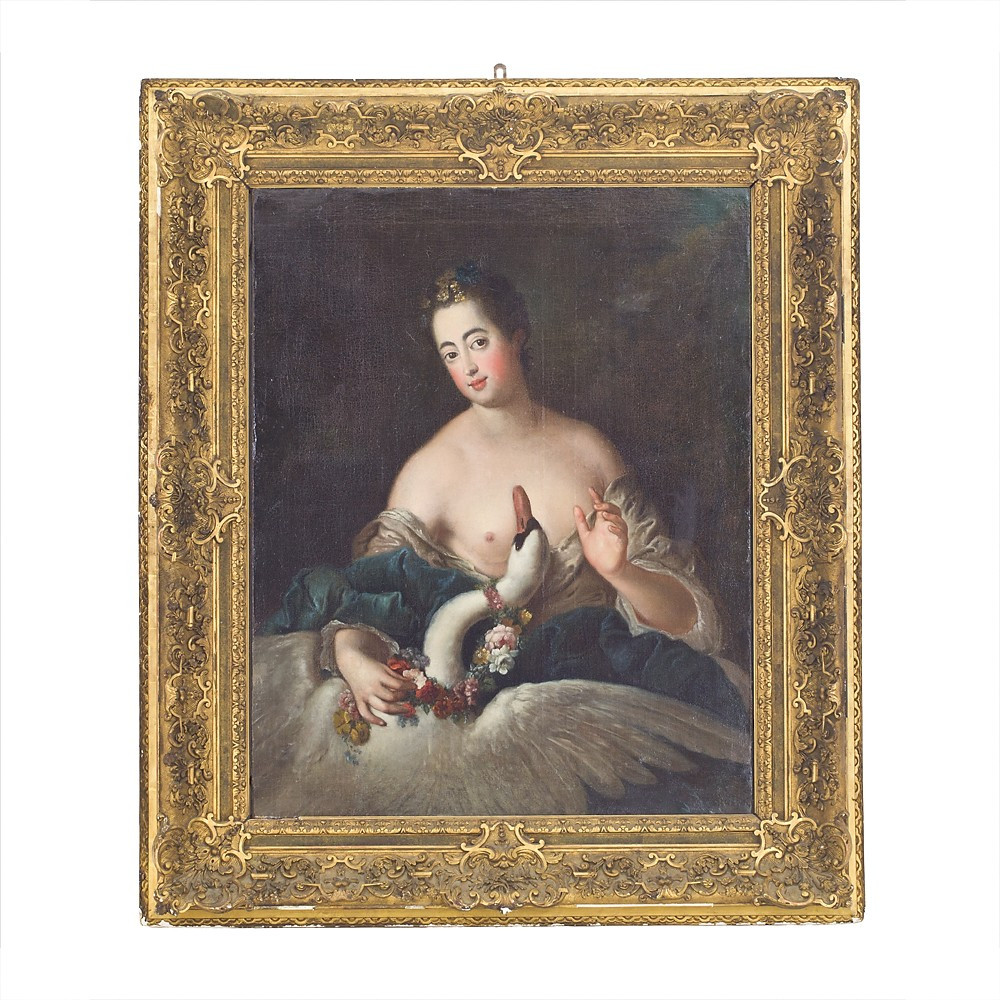
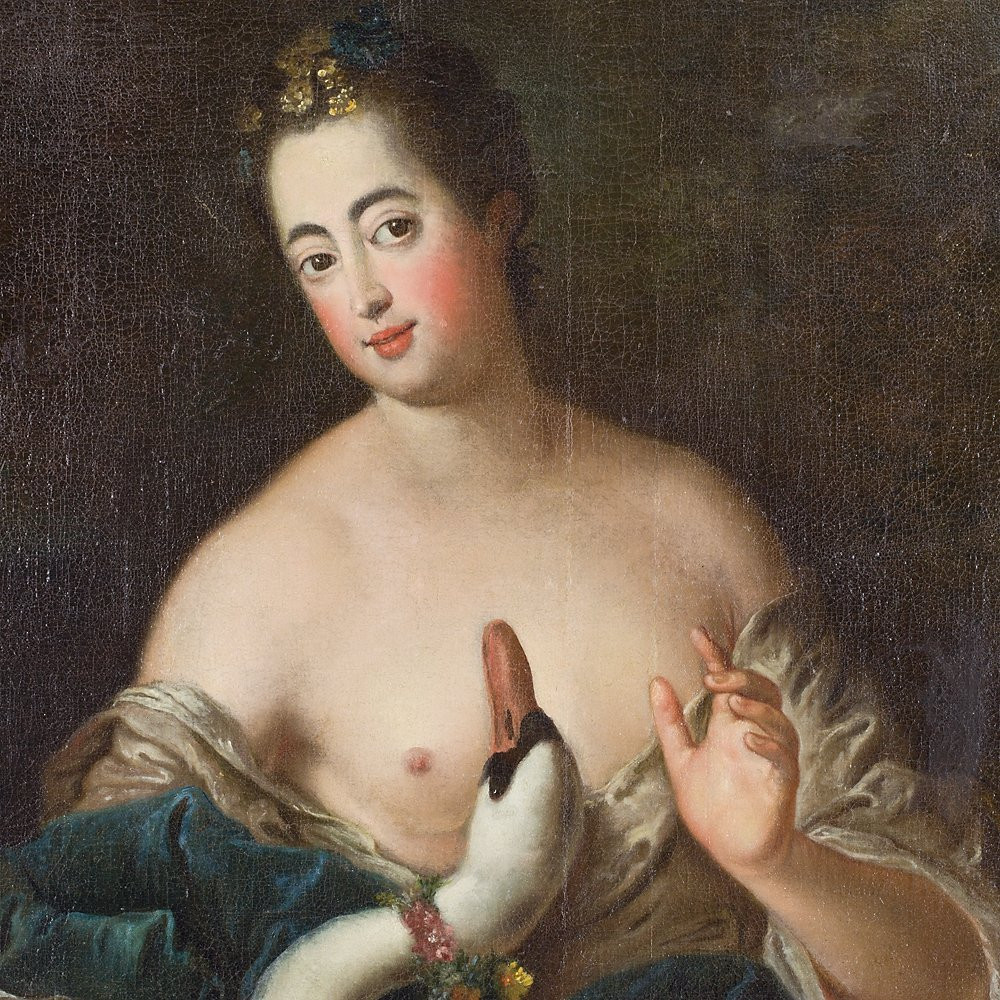
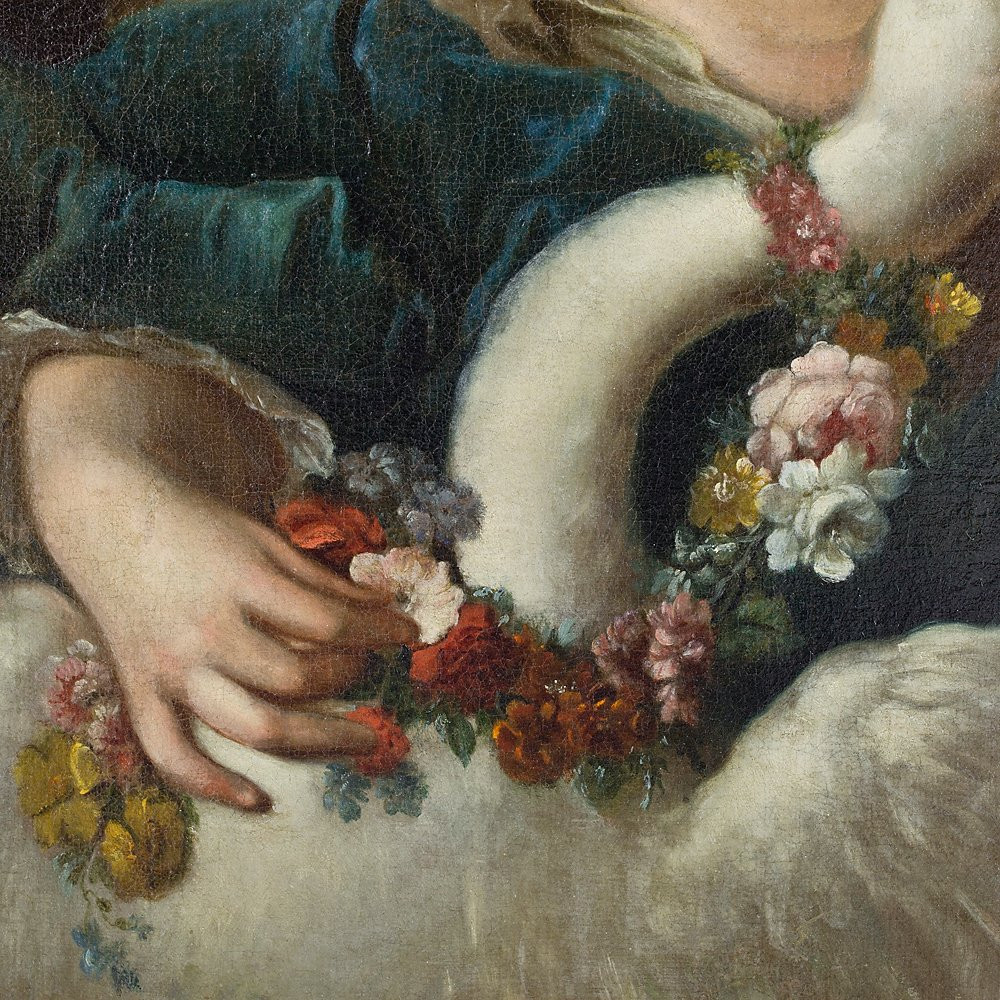
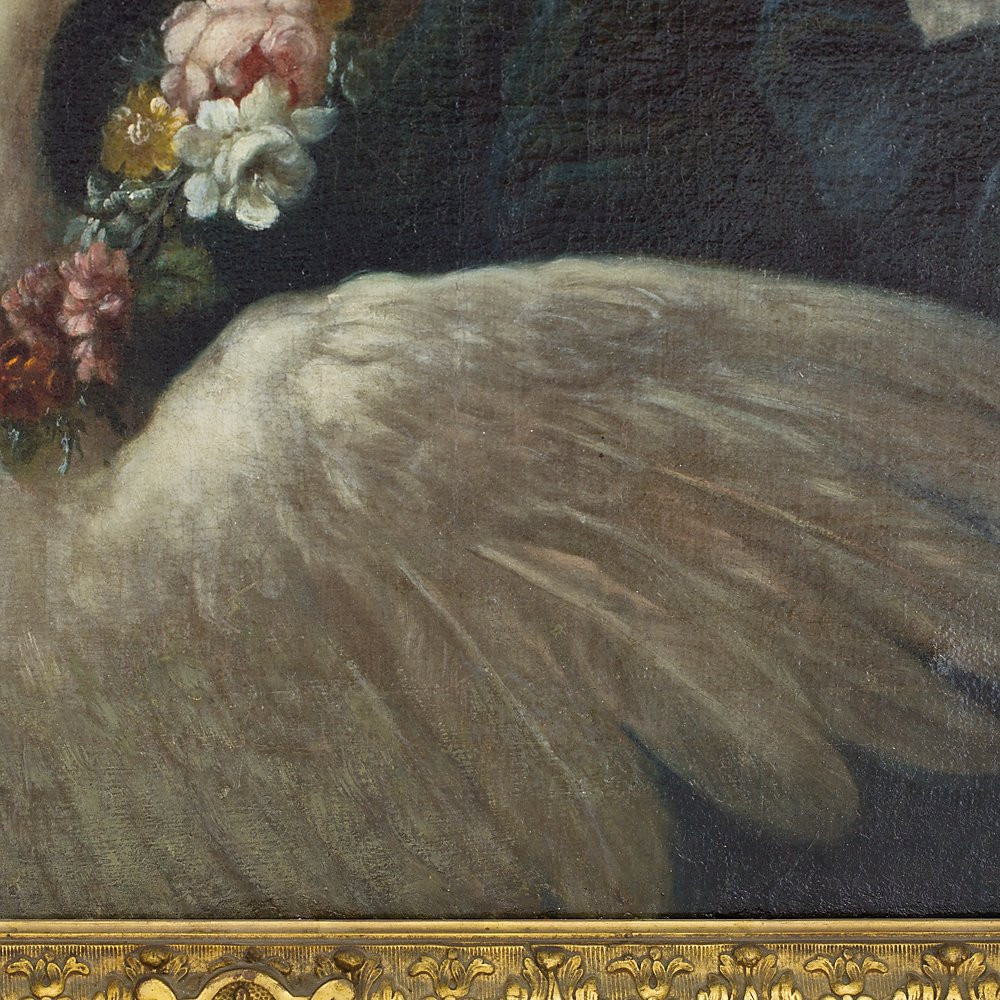
The painting depicts one of the most famous and celebrated divas of eighteenth-century Europe: Santina Olivieri, known as La Reggiana, elegantly dressed and sporting a low-cut neckline. An amorous swan garlanded with flowers approaches her insinuatingly. The painting alludes to the myth of Leda and the Swan, which tells of how Zeus, transforming into a swan, seduced Leda, wife of Tyndareus, king of Sparta, on the banks of the Eurotas River. From this union, after Leda laid eggs, were born the divine twins Pollux and Helen (whose beauty sparked the Trojan War), and the mortal twins Castor and Clytemnestra, children of Tyndareus, born from a subsequent night in which Leda slept with her husband. The myth, which explores the themes of divine love, seduction, transformation, and the birth of central figures in Greek mythology, became a classic subject in Renaissance art and beyond, captivating many artists, including Leonardo.
In this case, the beautiful Leda is played by a very famous Italian ballerina who was very active in Germany, where she became a truly acclaimed diva: Santina Olivieri, known as La Reggiana. Relatively little is known about this dancer.
Born in Reggio Emilia (hence her nickname), she married Pierantonio Gratarol (1738-1785), an ambassador of the Serenissima Republic to the court of Naples, at just twenty-two, but already endowed with a substantial dowry. Gratarol was an adventurer with a disorderly life, a fact that later led to his banishment and sentenced to death in Venice.
In 1744, she is documented as the prima ballerina for the season at the Teatro Obizzi in Padua, but she was active in many Italian theaters. Between 1747 and 1748, she was in Naples at the Teatro San Carlo, where she performed at least four ballets under the direction of Gaetano Grossatesta, choreographer-impresario at the Real Teatro San Carlo. Benedetto Croce narrates that “In November 1751, the ballerina Santa Olivieri, known as Reggiana, was ordered to leave Naples since she was unemployed. Fainting, etc. But here is a plea from the « Gav. Count Giorgio Azzo Migli Orucci di Petrella Nientzlawski , noble Patrician of the Kingdom of Poland, and free Baron of the Palatinate of Krakow ». He wanted to come and settle in Naples with his son Antonio, who had married Reggiana in Rome. This gentleman with many names was not given permission” (Teatri f. 9). Nothing else is known about this episode in Olivieri's life, what is certain is that at the beginning of 1752 the woman was in Vienna and later in Berlin where her success was such that Antonio Pesne was ordered to paint a portrait of her which adorned the bedroom of Frederick II in Potsdam. The Italian dancer was engaged by the Berlin Court Theater from April 8, 1752, to May 12, 1753, and danced for the first time before the king in Potsdam on August 20, 1752. Highly admired, she was the subject of a series of portraits in rôle. Antoine Pesne portrayed Reggiana as Leda and Cleopatra. The dancer later returned to Italy and died in Treviso on November 13, 1786.
Period: 18th century;
Origin: France;
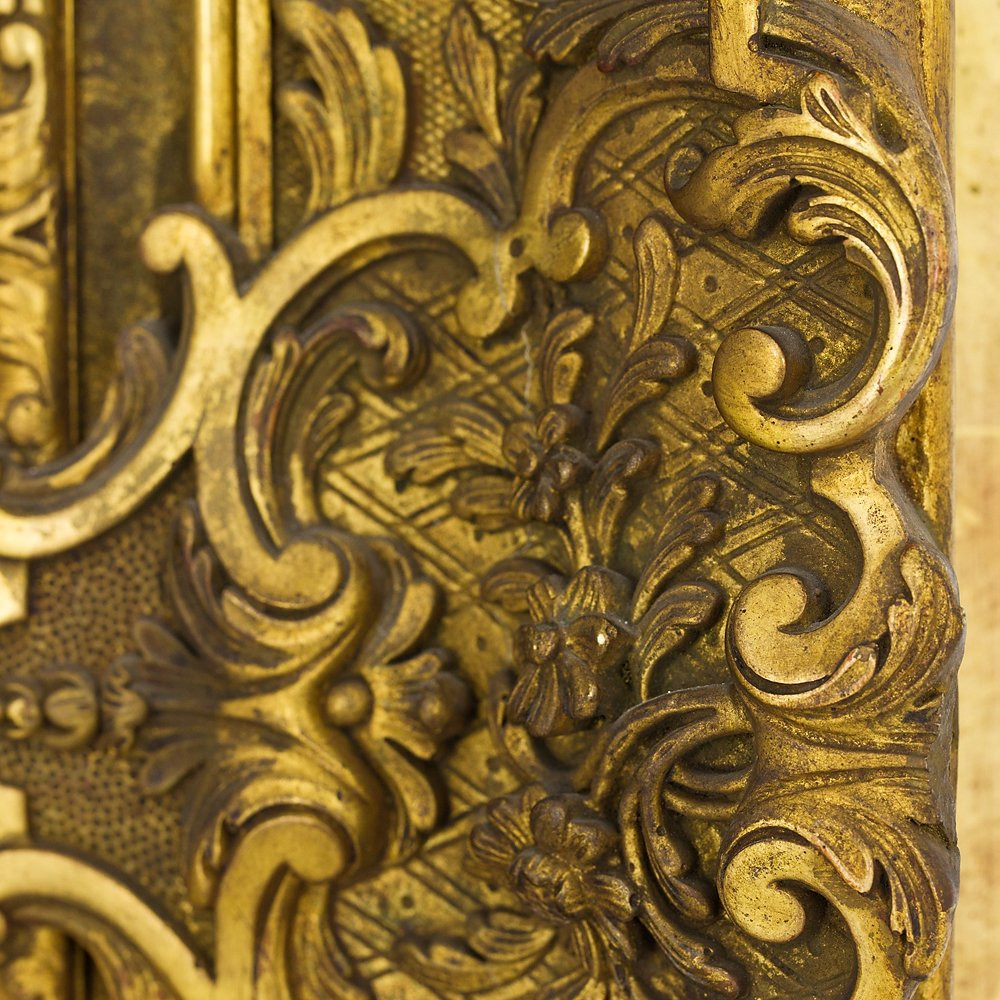
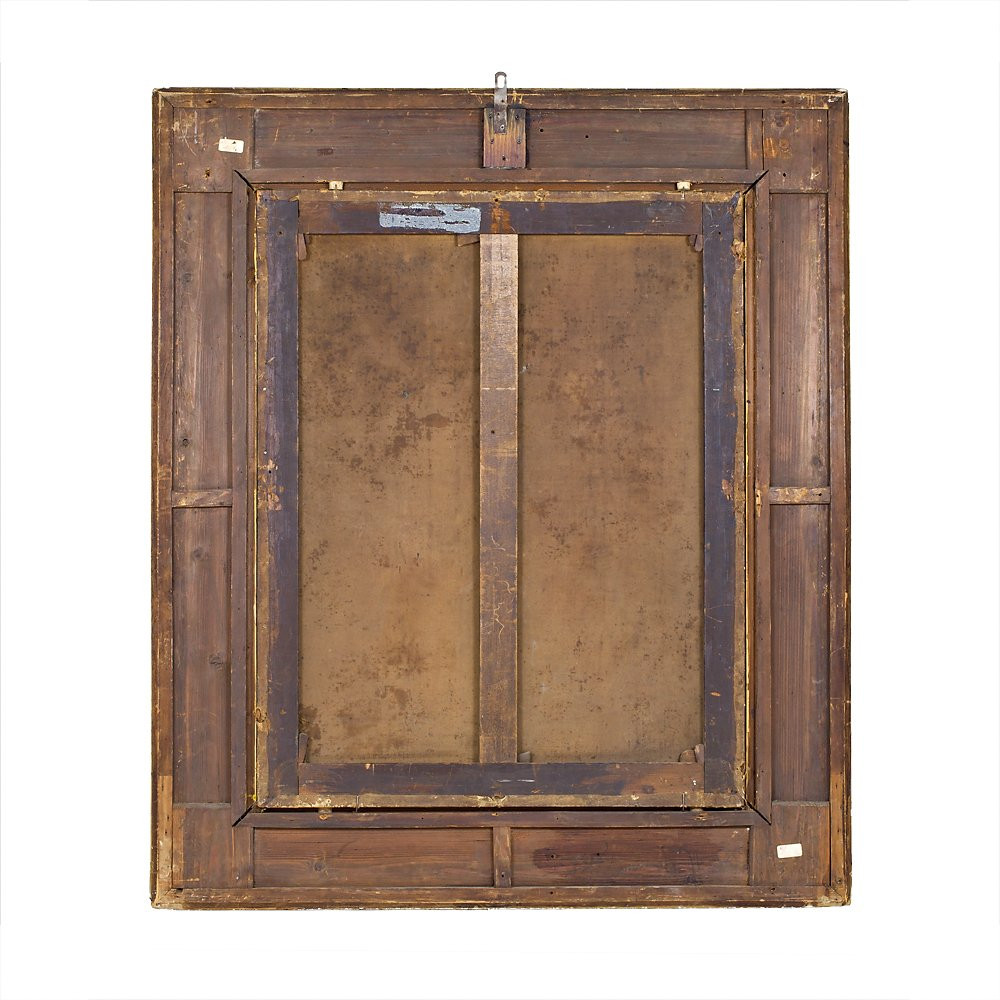
Dimensions: With frame: Height 130 cm; Width 110 cm; Without frame: Height 96 cm; Width 77 cm;
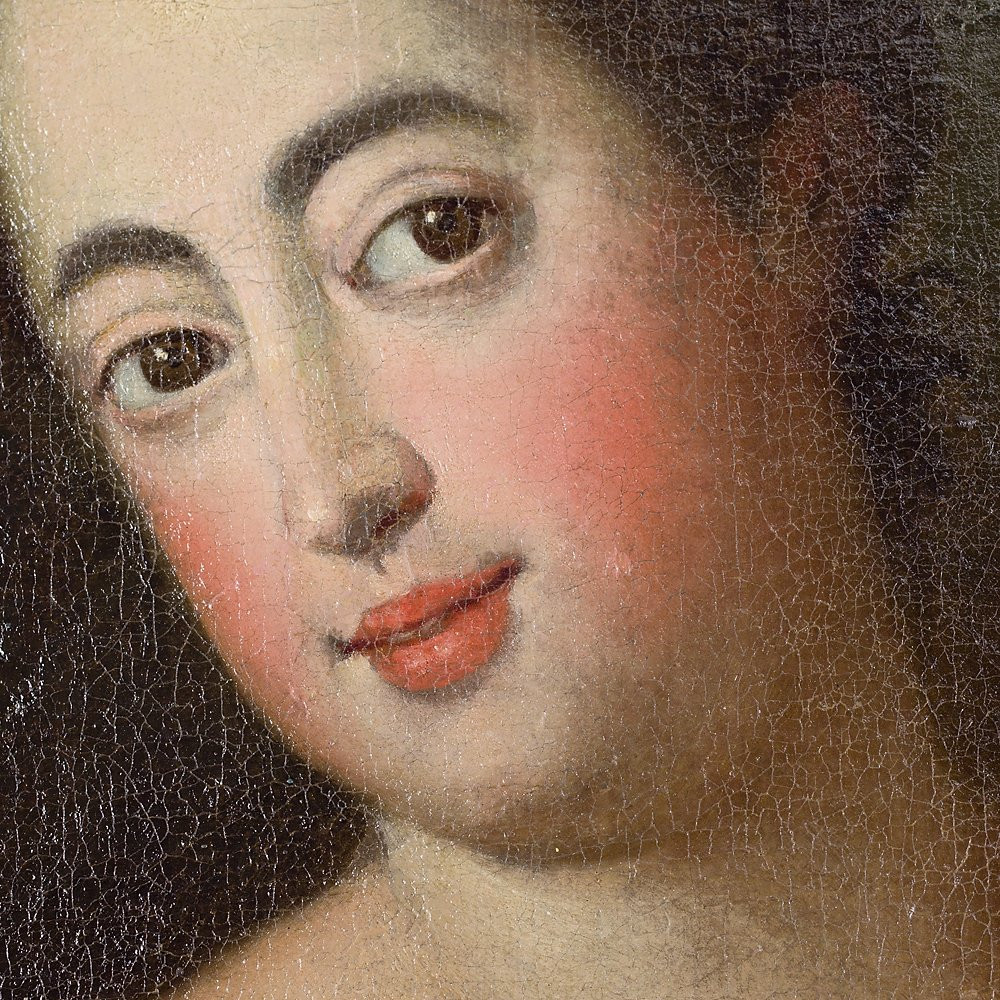
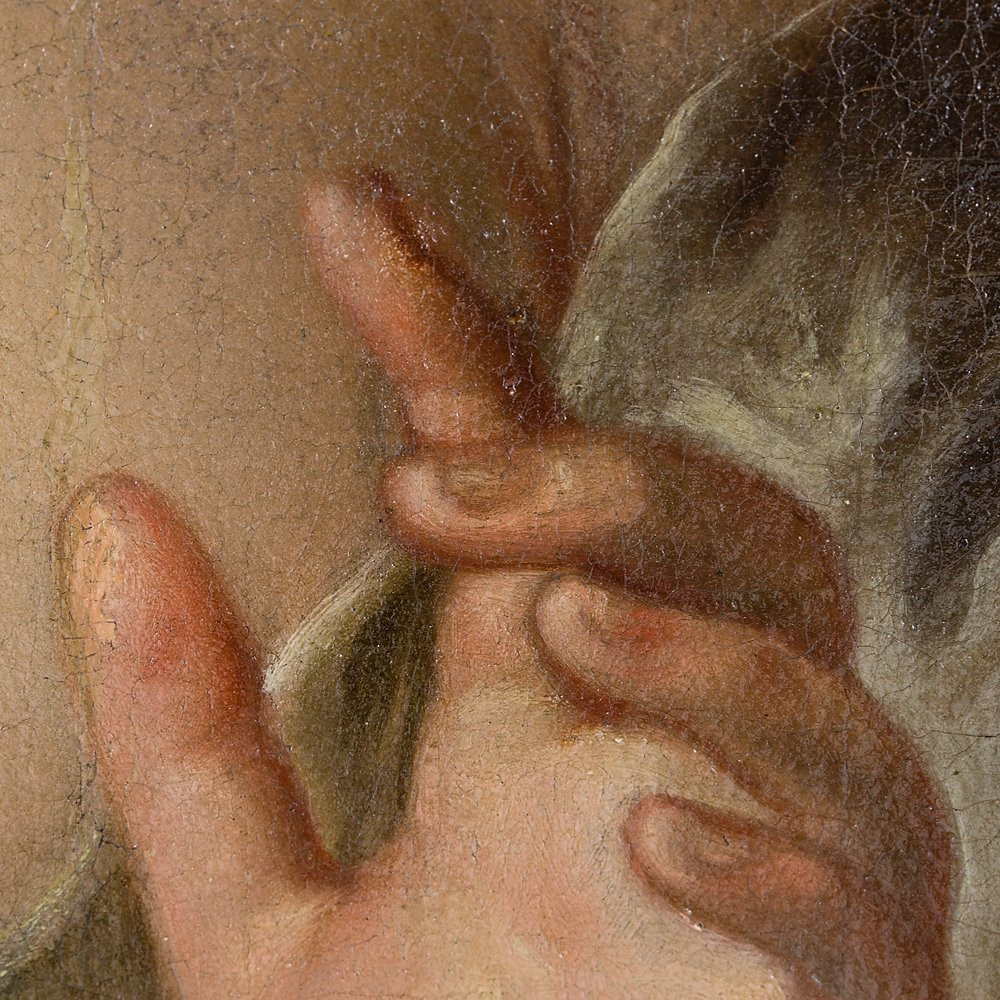
Condition: Excellent;
Document: Certificate of authenticity and Expertise by Dr. "Arabella Cifani";
Support: We are at your disposal for further clarifications, information, and images;
Shipping: Available throughout Italy, Europe, and the rest of the world. Affordable prices, maximum security, and complete tracking. (To be arranged privately.)
Have a nice day.
Goglia Antiques
Below:
The painting depicts one of the most famous and celebrated divas of eighteenth-century Europe: Santina Olivieri, known as La Reggiana, elegantly dressed and sporting a low-cut neckline. An amorous swan garlanded with flowers approaches her insinuatingly. The painting alludes to the myth of Leda and the Swan, which tells of how Zeus, transforming into a swan, seduced Leda, wife of Tyndareus, king of Sparta, on the banks of the Eurotas River. From this union, after Leda laid eggs, were born the divine twins Pollux and Helen (whose beauty sparked the Trojan War), and the mortal twins Castor and Clytemnestra, children of Tyndareus, born from a subsequent night in which Leda slept with her husband. The myth, which explores the themes of divine love, seduction, transformation, and the birth of central figures in Greek mythology, became a classic subject in Renaissance art and beyond, captivating many artists, including Leonardo.
In this case, the beautiful Leda is played by a very famous Italian ballerina who was very active in Germany, where she became a truly acclaimed diva: Santina Olivieri, known as La Reggiana. Relatively little is known about this dancer.
Born in Reggio Emilia (hence her nickname), she married Pierantonio Gratarol (1738-1785), an ambassador of the Serenissima Republic to the court of Naples, at just twenty-two, but already endowed with a substantial dowry. Gratarol was an adventurer with a disorderly life, a fact that later led to his banishment and sentenced to death in Venice.
In 1744, she is documented as the prima ballerina for the season at the Teatro Obizzi in Padua, but she was active in many Italian theaters. Between 1747 and 1748, she was in Naples at the Teatro San Carlo, where she performed at least four ballets under the direction of Gaetano Grossatesta, choreographer-impresario at the Real Teatro San Carlo. Benedetto Croce narrates that “In November 1751, the ballerina Santa Olivieri, known as Reggiana, was ordered to leave Naples since she was unemployed. Fainting, etc. But here is a plea from the « Gav. Count Giorgio Azzo Migli Orucci di Petrella Nientzlawski , noble Patrician of the Kingdom of Poland, and free Baron of the Palatinate of Krakow ». He wanted to come and settle in Naples with his son Antonio, who had married Reggiana in Rome. This gentleman with many names was not given permission” (Teatri f. 9). Nothing else is known about this episode in Olivieri's life, what is certain is that at the beginning of 1752 the woman was in Vienna and later in Berlin where her success was such that Antonio Pesne was ordered to paint a portrait of her which adorned the bedroom of Frederick II in Potsdam. The Italian dancer was engaged by the Berlin Court Theater from April 8, 1752, to May 12, 1753, and danced for the first time before the king in Potsdam on August 20, 1752. Highly admired, she was the subject of a series of portraits in rôle. Antoine Pesne portrayed Reggiana as Leda and Cleopatra. The dancer later returned to Italy and died in Treviso on November 13, 1786.
Period: 18th century;
Origin: France;
Dimensions: With frame: Height 130 cm; Width 110 cm; Without frame: Height 96 cm; Width 77 cm;
Condition: Excellent;
Document: Certificate of authenticity and Expertise by Dr. "Arabella Cifani";
Support: We are at your disposal for further clarifications, information, and images;
Shipping: Available throughout Italy, Europe, and the rest of the world. Affordable prices, maximum security, and complete tracking. (To be arranged privately.)
Have a nice day.
Goglia Antiques
20 000 €
Period: 18th century
Style: Other Style
Condition: Excellent condition
Material: Oil painting
Reference (ID): 1705118
Availability: In stock
Print