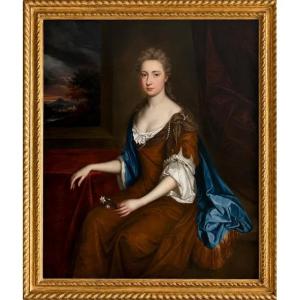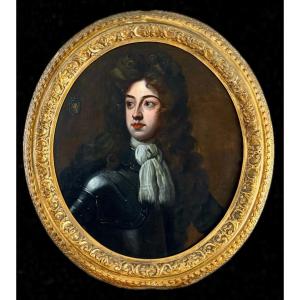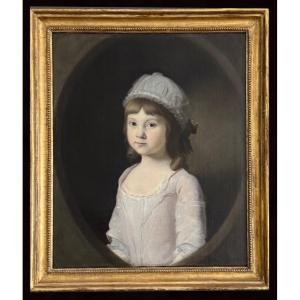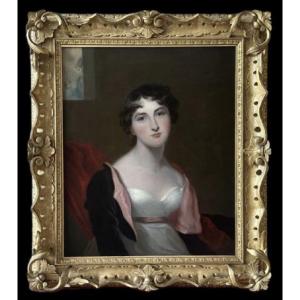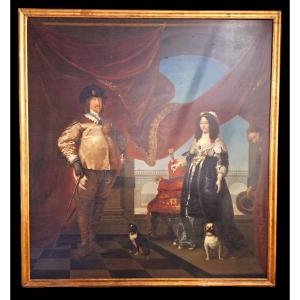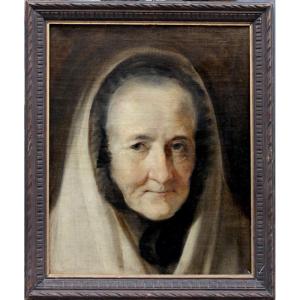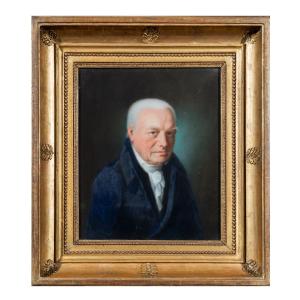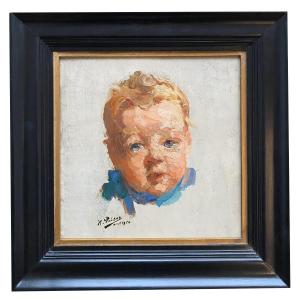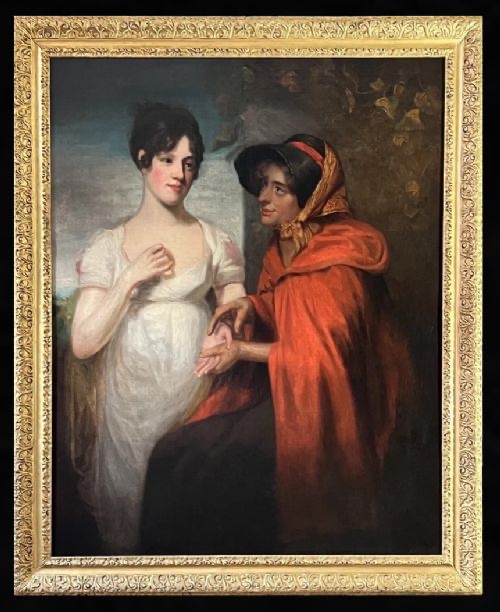
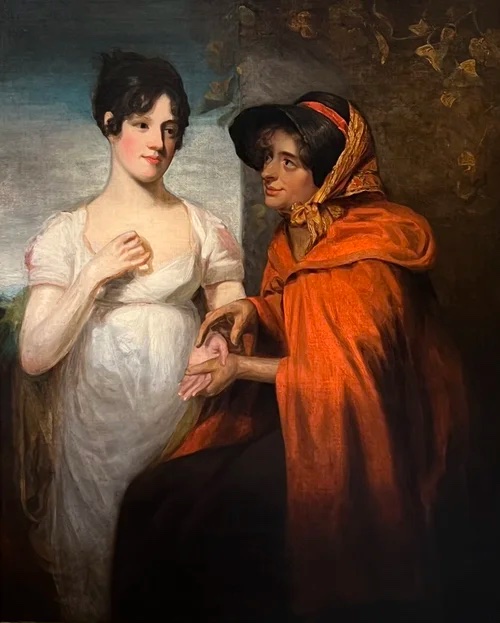
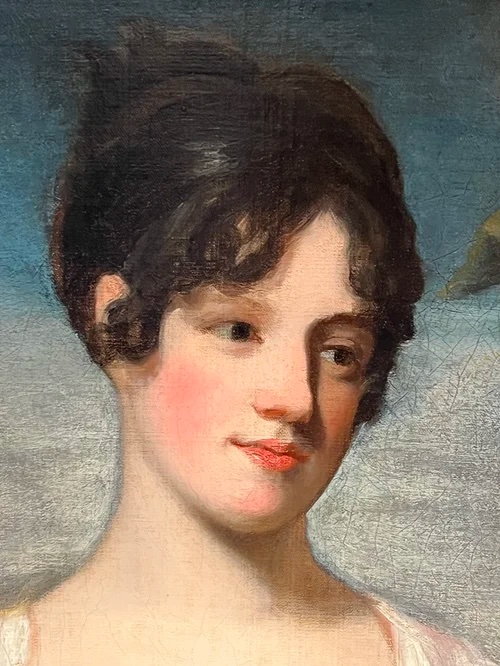
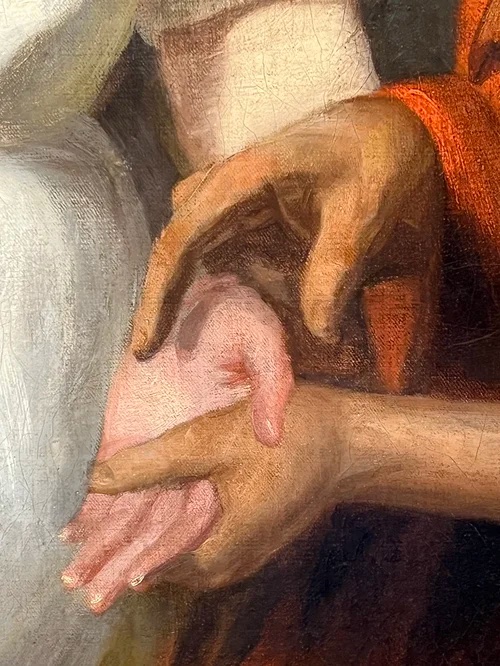

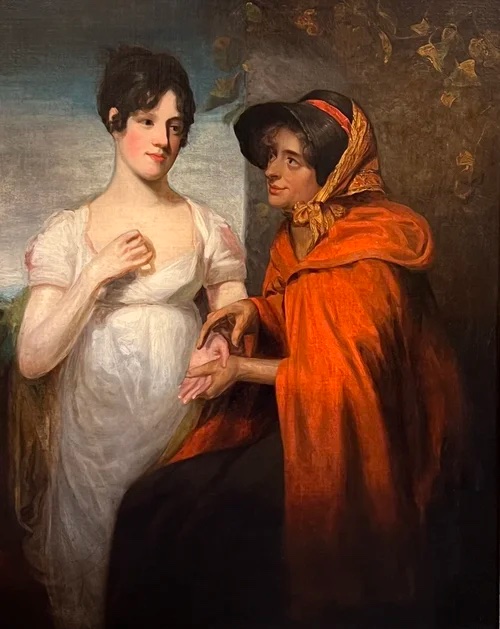
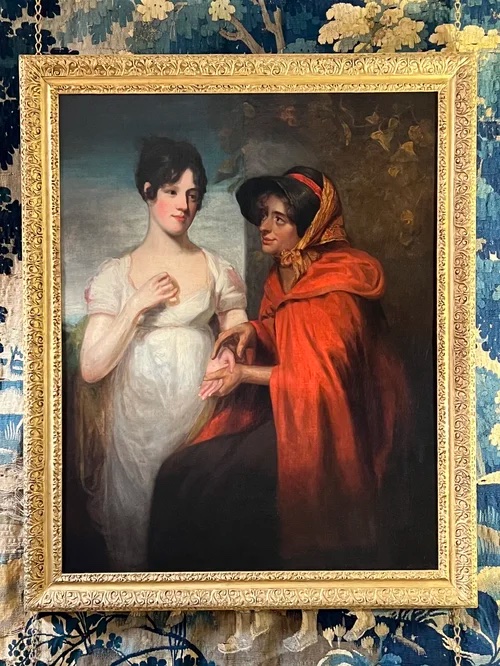


Oil Portrait On Canvas Of The Saying Woman - By John Opie Ra (1767-1807).
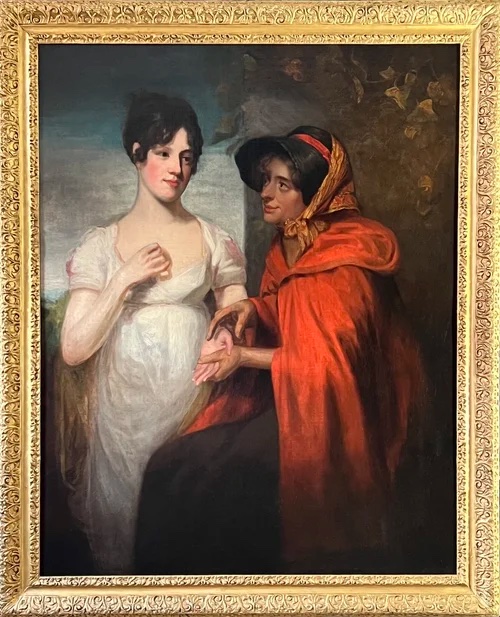
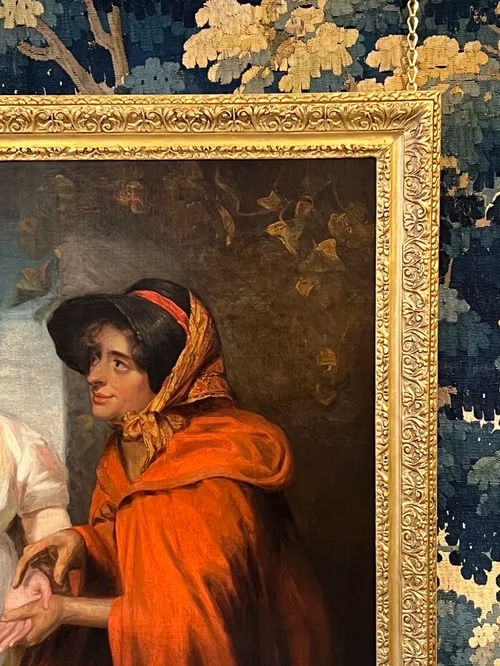
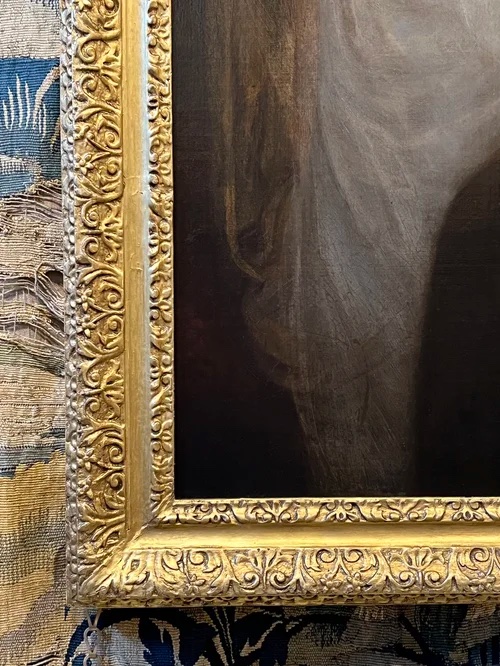
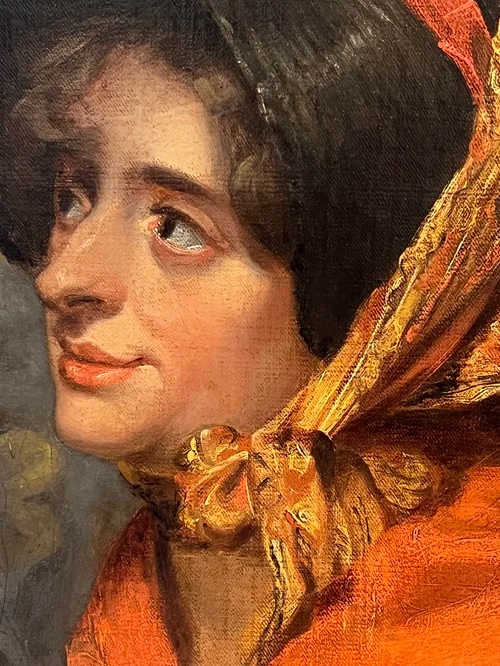
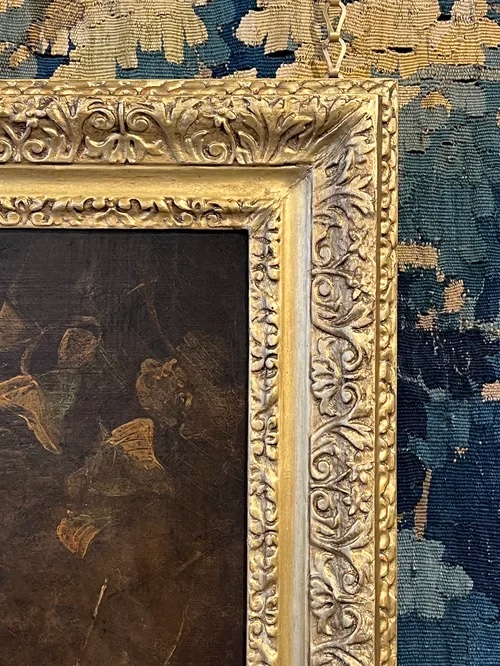
The Fortune Teller, a fine late 18th-century English oil on canvas or "fantasy painting" attributed to John Opie RA (1767-1807). John Opie was born the son of a carpenter in a tin-mining district of Cornwall before being discovered as a child prodigy. A self-taught artist, his natural gifts for drawing were discovered by Dr. John Walcot (1738-1819), whose protection and patronage helped nurture the boy's talents before he was brought to London in 1781, where his works caused a sensation. He soon received patronage from the royal family alongside leading figures of the nobility and cultural elite. Opie was elected a Fellow of the Association of the Royal Academy in 1786 and was made an RA the following year. He became Professor of Painting at the Royal Academy in 1805, his lectures being published posthumously in 1809 (with a preface by a memoir by his wife, the novelist and poet Amelia Opie). Although famous as a portraitist, Opie was also known for his historical and genre scenes, and the painting we offer here is a perfect example. Opie is buried in St. Paul's near Joshua Reynolds, one of the founders of the Academy. In Britain, subject pictures or fantasy pictures referred to the imagination, or "fantasy," and among them are several notable depictions of women having their palms read. These paintings often emphasize the material wealth and refinement of an innocent young beauty against the spiritual wealth, sensuality, and relative poverty of the fortune teller (often Romani). The fortune teller's dark hair and exotic dress suggest that she is Romani. The Roma (Gypsies) migrated across Europe from their probable origins in India, arriving in Northern Europe around 1420. Their fierce independence, nomadic lifestyle, and unusual costumes and customs aroused curiosity and, ultimately, a degree of fear and resentment among many settled Europeans. From the 15th century onward, European artists explored the theme of a young, often credulous man having his palm read by a fortune teller, perhaps to learn about the future of a love affair. By custom, Gypsies could not enter a house to predict a person's future, which is why readings often took place in an outdoor setting like the one we see here. The fortune teller theme, alluding to exoticism, sensuality, and adventure into the unknown, offered Opie a perfect opportunity to showcase his skill in drapery and the use of chiaroscuro. In fact, it was Opie's ability to paint in chiaroscuro that earned him the praise of Sir Joshua Reynolds, who described him as "like Caravaggio and Velázquez combined." This work is a fine example of a rustic fantasy painting by the artist, with rich lighting in the style of Rembrandt. This striking work is available for purchase in its original carved and gilt frame and is in excellent condition. Provenance: Anonymous sale, Sotheby's, March 1977. The collection of George Verdaguer Gomez Esq until 2024. High-resolution images available upon request. Worldwide shipping available. Canvas: 256" x 45.5" / 127cm x 102cm. Framed: 50" x 40" / 142cm x 116cm.
18 500 €
Period: 18th century
Style: Other Style
Condition: Excellent condition
Material: Oil painting
Width: 116cm
Height: 142cm
Depth: 3cm
Reference (ID): 1703988
Availability: In stock
Print