THIS OBJECT WAS SOLD

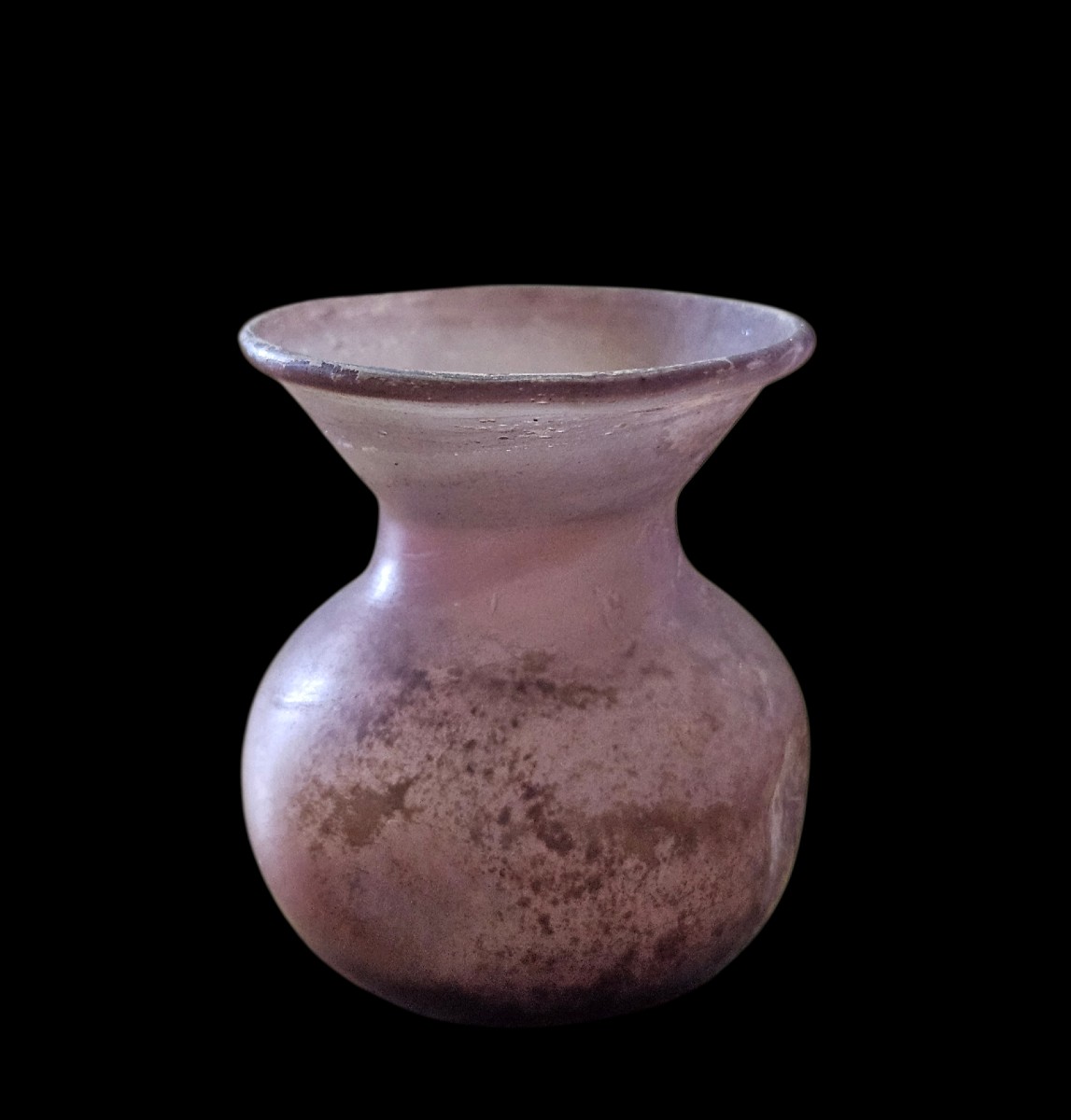
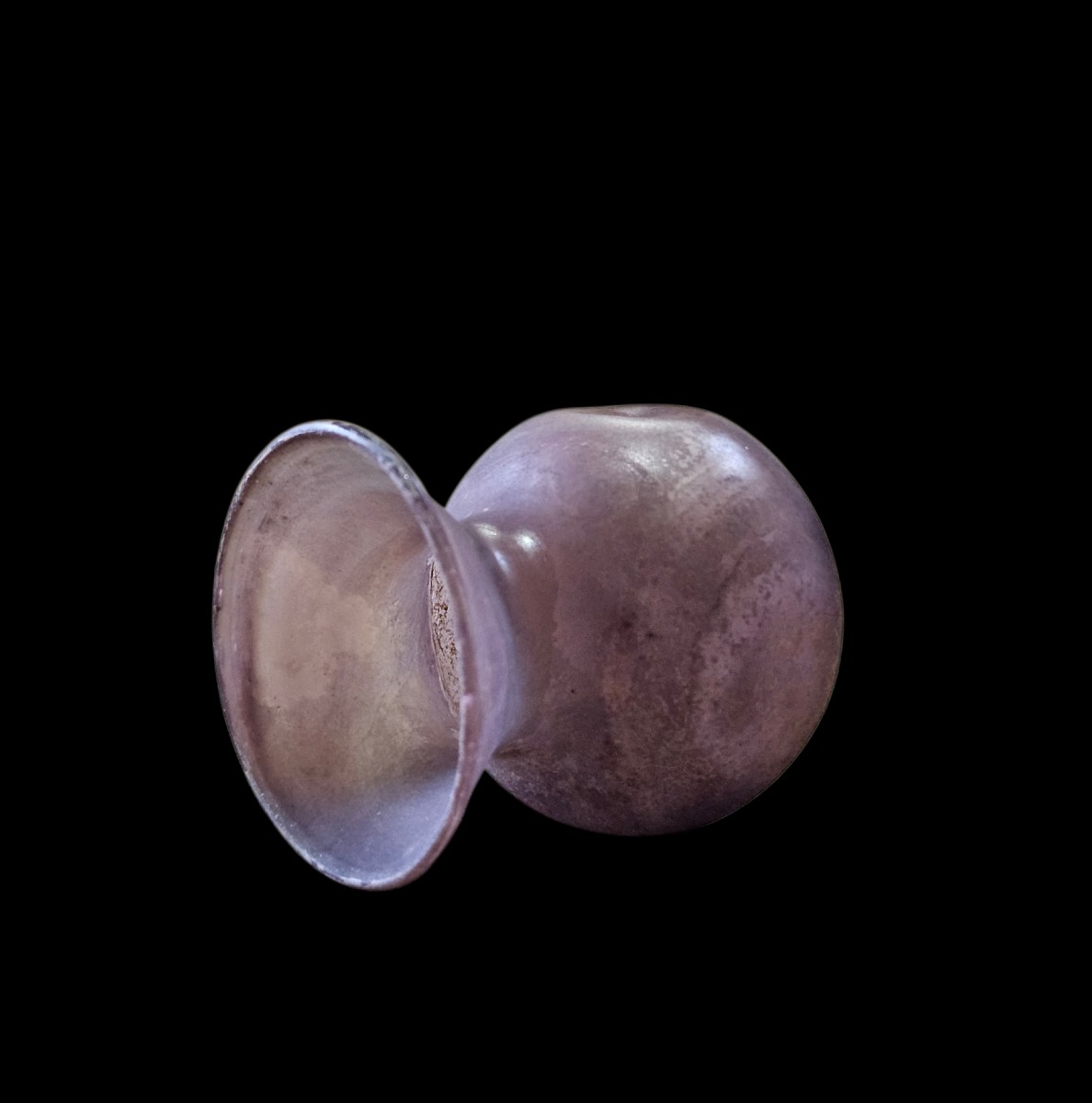
Small Antique Roman Vase, Aubergine-colored Blown Glass With A Pinched Body, 3rd–4th Century

Sold
Small Antique Roman Vase, Aubergine-colored Blown Glass With A Pinched Body, 3rd–4th Century
Sold
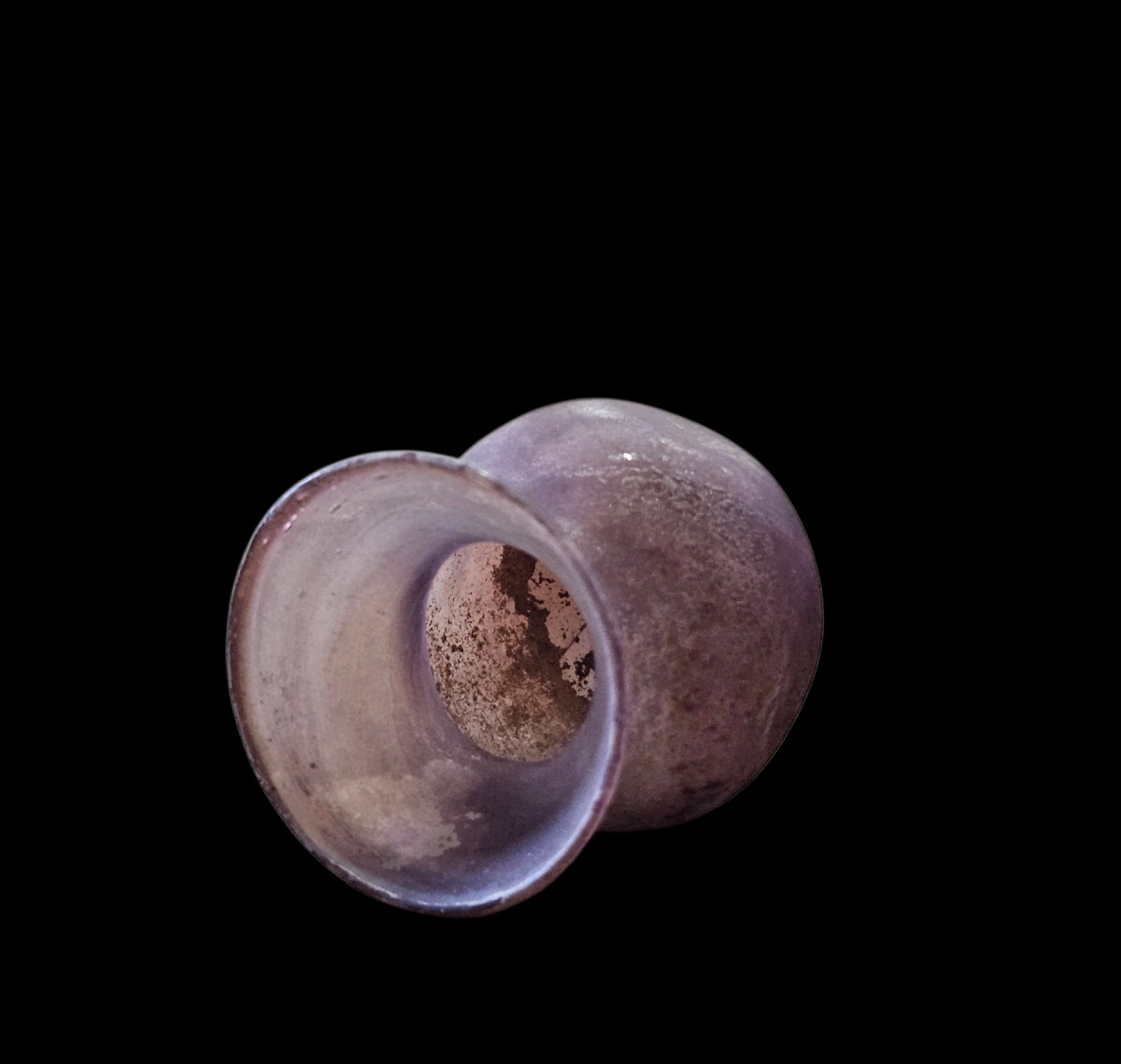
Small Antique Roman Vase, Aubergine-colored Blown Glass With A Pinched Body, 3rd–4th Century-photo-2
Sold
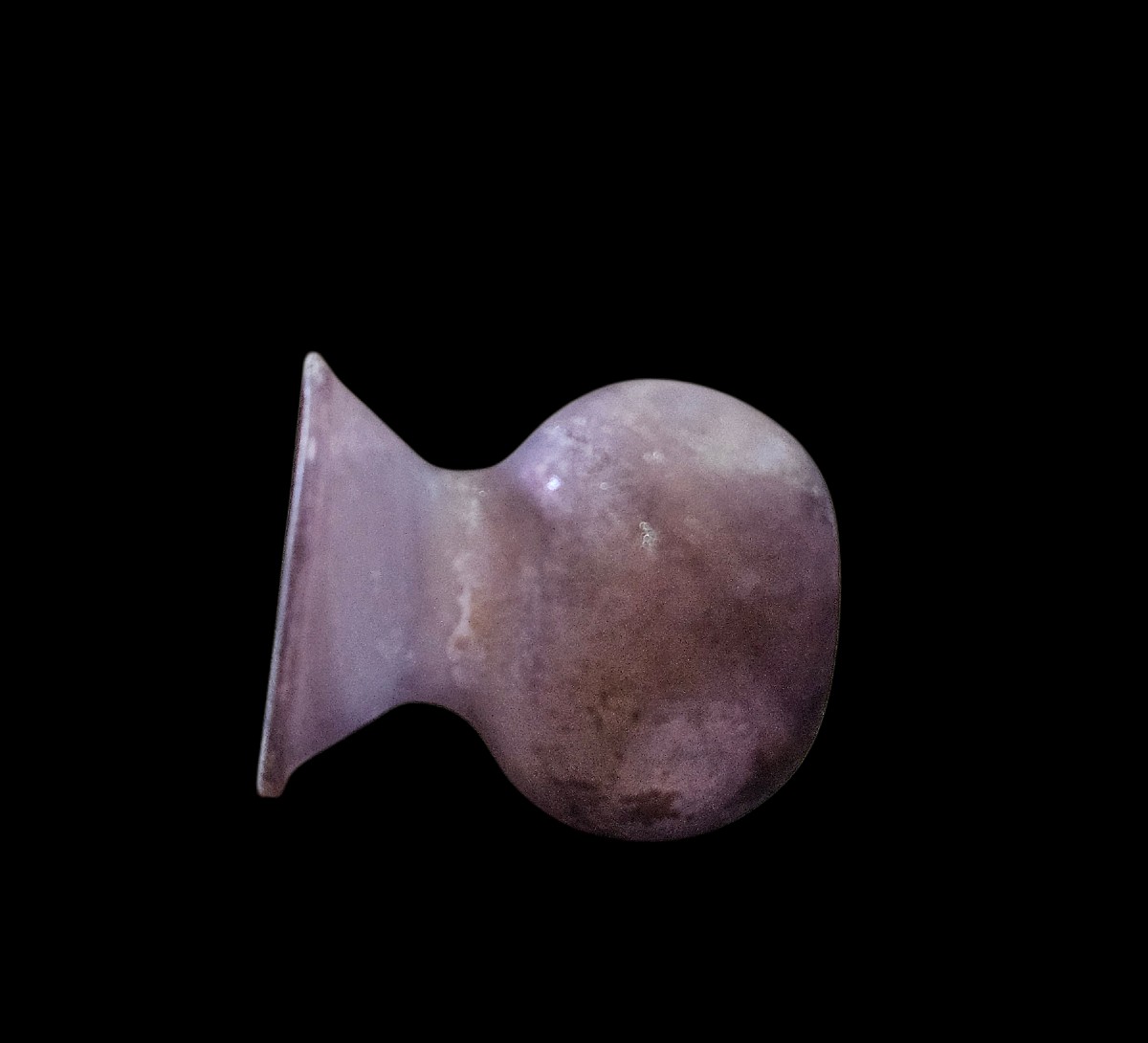
Small Antique Roman Vase, Aubergine-colored Blown Glass With A Pinched Body, 3rd–4th Century-photo-3
Sold
Small Antique Roman Vase, Aubergine-colored Blown Glass With A Pinched Body, 3rd–4th Century-photo-4
Sold
Small Antique Roman Vase, Aubergine-colored Blown Glass With A Pinched Body, 3rd–4th Century-photo-1
Sold
Small Antique Roman Vase, Aubergine-colored Blown Glass With A Pinched Body, 3rd–4th Century-photo-2
Sold
Small Antique Roman Vase, Aubergine-colored Blown Glass With A Pinched Body, 3rd–4th Century-photo-3
Sold
Small Antique Roman Vase, Aubergine-colored Blown Glass With A Pinched Body, 3rd–4th Century-photo-4
Sold
Small Antique Roman Vase, Aubergine-colored Blown Glass With A Pinched Body, 3rd–4th Century-photo-5
More pictures
Small blown glass vessel, aubergine-purple in color, with a hemispherical body finely pinched in four places, forming regular indentations probably made by hand during shaping. The neck, wide and funnel-shaped, ends in a finely rolled, well-balanced lip. The relatively thin glass shows very slight iridescence in places, without detracting from the legibility of the color. The piece is distinguished by the harmony of its proportions, the finesse of its execution, and the understated elegance of its form. Mediterranean Basin, Roman Empire, 3rd-4th century AD. Height: 5 cm Diameter: 4.1 cm Provenance: former Parisian collection following an inheritance, Drouot auction, Thierry de Maigret auction house, Paris. Sold with a certificate of authenticity and invoice from the Ocarina auction house.* Shipping costs upon request. From the 3rd century AD. In the 1st century BC, Roman glassmaking developed a more varied color palette, including violet or aubergine-colored glass, often linked to the use of manganese. Small containers of this type were intended for personal hygiene and body care, serving to hold ointments, perfumes, balms, or cosmetic preparations. The pinched body, beyond its decorative effect, improves the grip and reflects a search for more expressive and individualized forms, characteristic of Late Roman glassware.

Explore similar pieces and discover your ideal find:

archeology
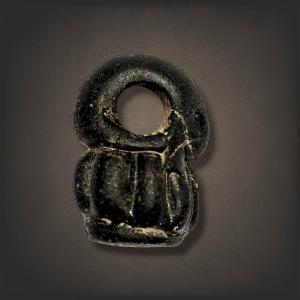
Roman Glass Pendant From The 3rd And 4th Centuries In The Shape Of A Jar
Queen Marble Head. Greek Art Alexandria
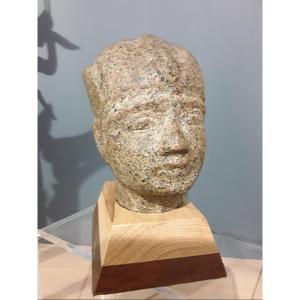
Granite Egyptian Head
Three Figurines - Venus, Chorrera Culture (1300 - 300 Bc), Ecuador, Pre-columbian Ceramics
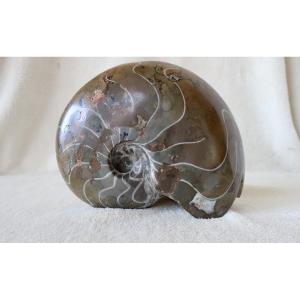
Large Polished Fossil Of Nautilus, Ammonite, 3.381 Kg
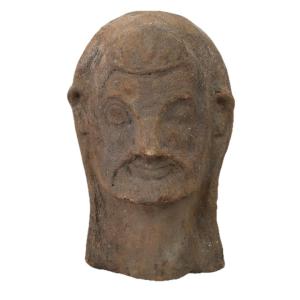
Etruscan Hollow Terracotta Votive Head — Certificate + Qed Test + Expert Report

15 grand rue
Issigeac 24560, France

0630229738

Follow the dealer

CONTACT

SIGN UP TO OUR NEWSLETTER

facebook
instagram

GALERIE OCARINA
Etruscan Hollow Terracotta Votive Head — Certificate + Qed Test + Expert Report
1643624-main-6903d3a840540.jpg

0630229738


*We will send you a confirmation email from info@proantic.com .
Please check your messages, including the spam folder.