THIS OBJECT WAS SOLD
Fragment Of Ancient Mosaic
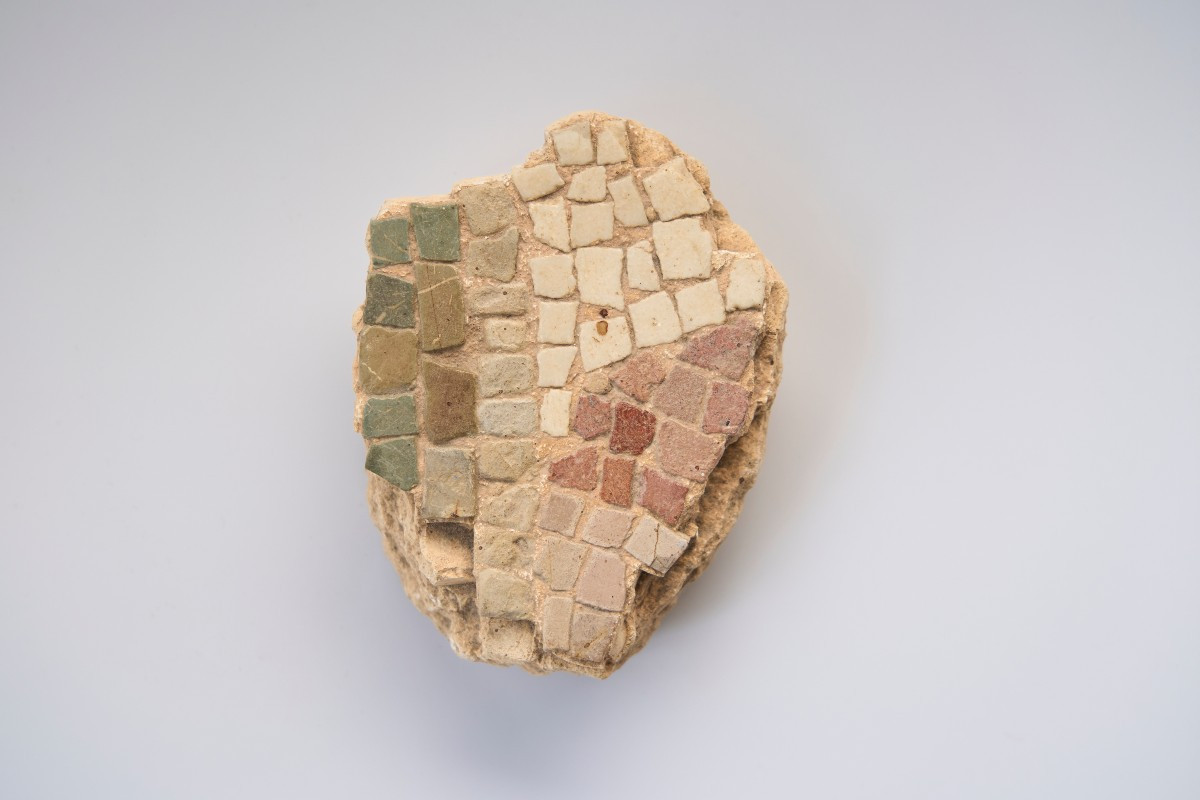
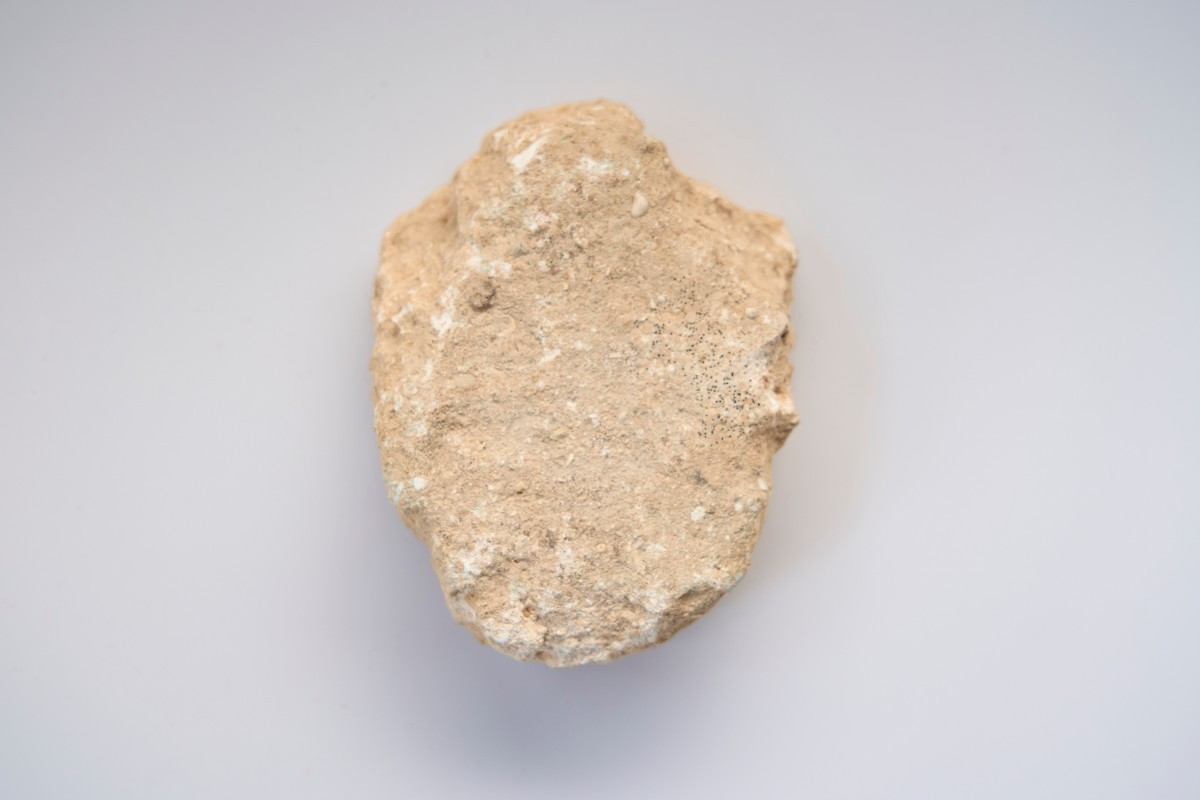


Ancient mosaic fragment
Estimated dating: 1st century BC – 3rd century AD, based on the technique and choice of materials.
Mosaic fragment consisting of polychrome marble tesserae, preserved on a bed of light beige mortar. The tesserae, mostly quadrangular in shape, are carefully executed in a regular pattern. The color palette combines off-white, pale green, ochre, and brick red tones, characteristic of ancient decorative compositions.
This type of decoration, made from noble materials, was generally used for residential paving or prestigious public spaces. The whole is partially fragmentary, but the tesserae remain firmly fixed to the support. The mortar, still visible on the underside and between the interstices, preserves the original texture.
This type of decoration, made from noble materials, was generally used for residential paving or prestigious public spaces. This fragment illustrates the technical finesse and aesthetic research specific to Roman marble mosaics. The use of natural stones of various shades demonstrates a concern for visual richness and durability, characteristic of the floor and wall decorations of patrician residences and public buildings of the imperial period.
Provenance: Belgian private collection
Width: 10cm
Height: 8cm
Estimated dating: 1st century BC – 3rd century AD, based on the technique and choice of materials.
Mosaic fragment consisting of polychrome marble tesserae, preserved on a bed of light beige mortar. The tesserae, mostly quadrangular in shape, are carefully executed in a regular pattern. The color palette combines off-white, pale green, ochre, and brick red tones, characteristic of ancient decorative compositions.
This type of decoration, made from noble materials, was generally used for residential paving or prestigious public spaces. The whole is partially fragmentary, but the tesserae remain firmly fixed to the support. The mortar, still visible on the underside and between the interstices, preserves the original texture.
This type of decoration, made from noble materials, was generally used for residential paving or prestigious public spaces. This fragment illustrates the technical finesse and aesthetic research specific to Roman marble mosaics. The use of natural stones of various shades demonstrates a concern for visual richness and durability, characteristic of the floor and wall decorations of patrician residences and public buildings of the imperial period.
Provenance: Belgian private collection
Width: 10cm
Height: 8cm
Explore similar pieces and discover your ideal find:
Marble & Stone Sculptures