THIS OBJECT WAS SOLD
Ward's Case, Ancestor Of The Terrarium, 19th Century Museum Piece
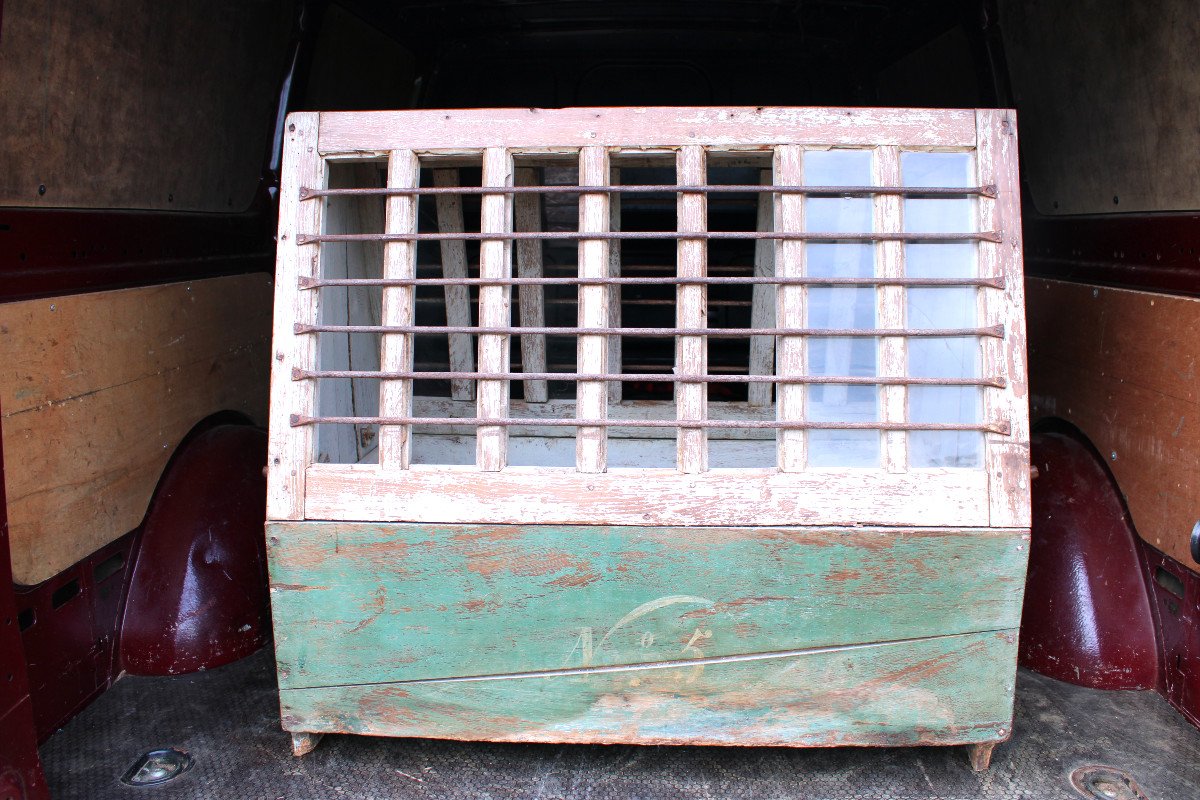
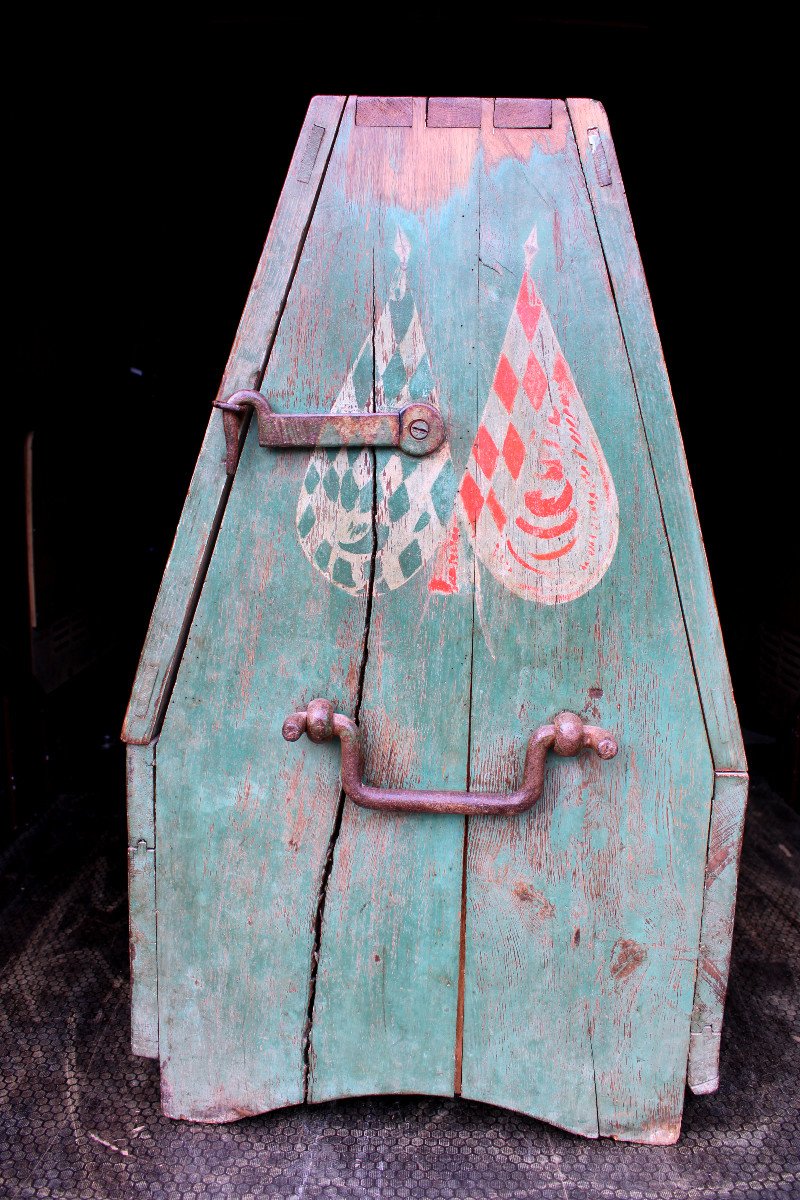
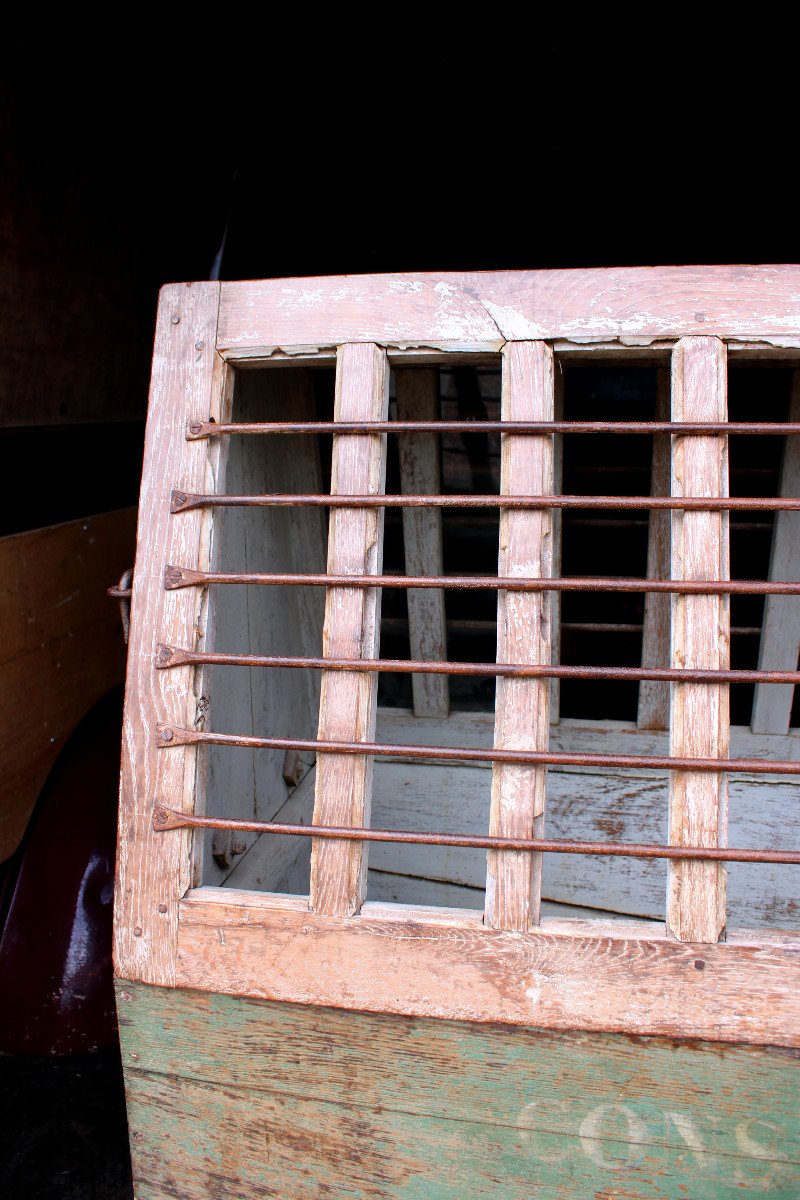
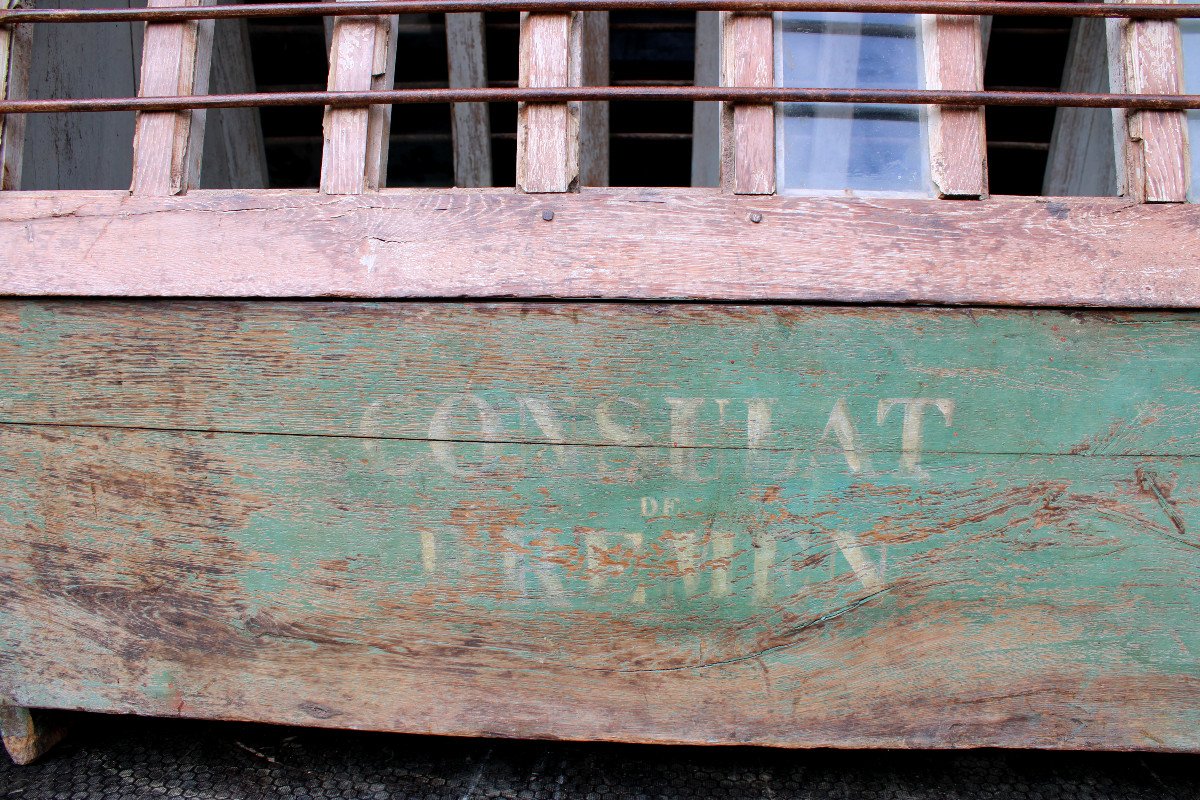
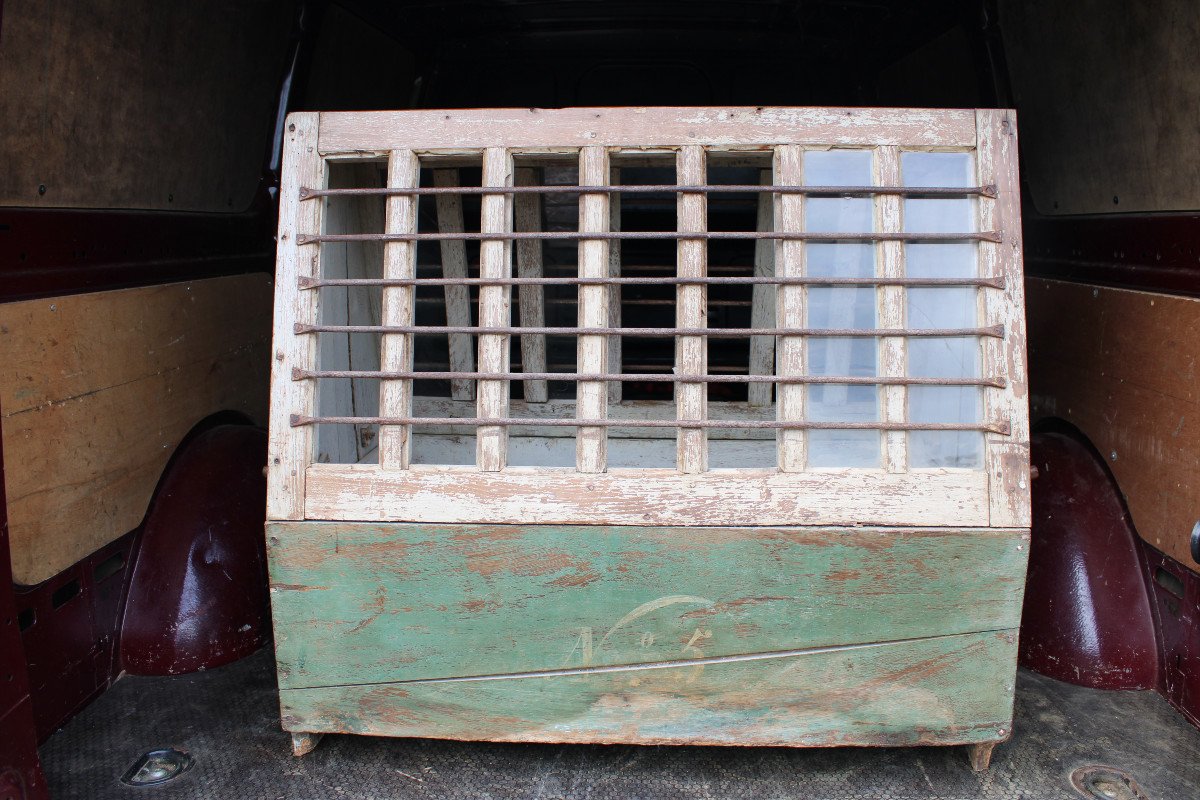
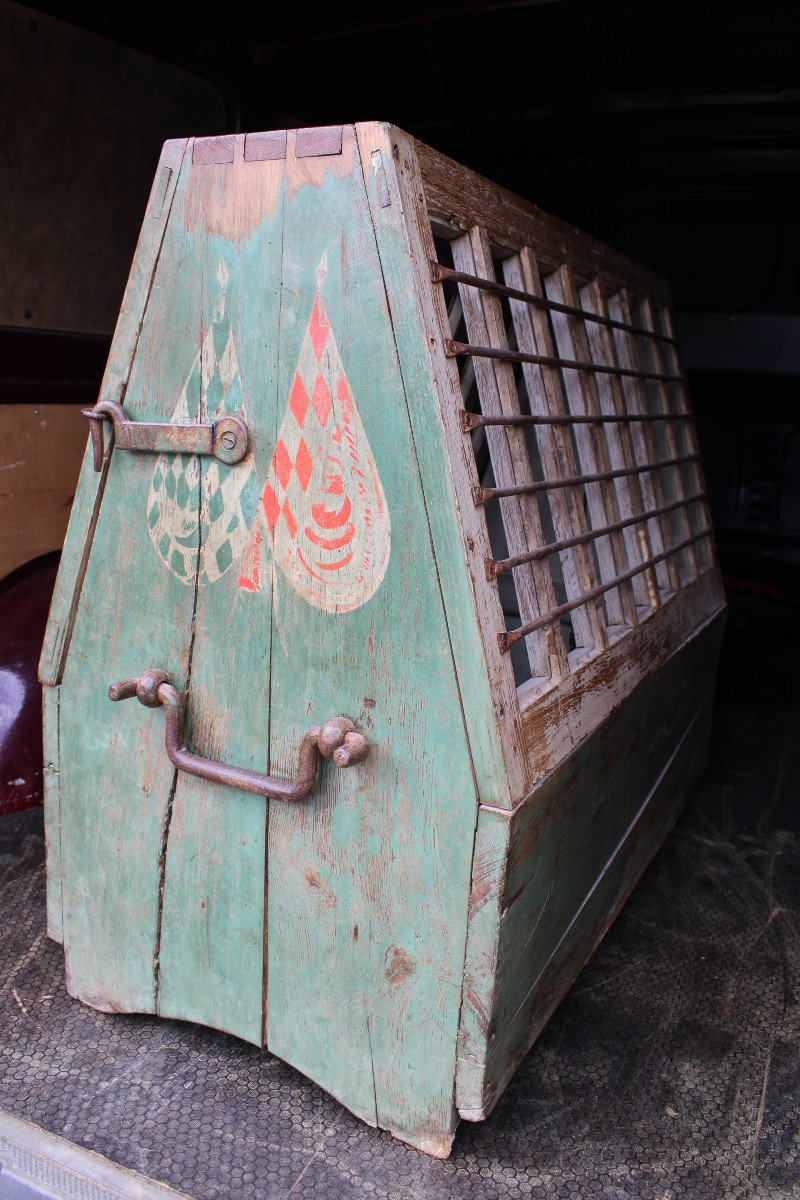
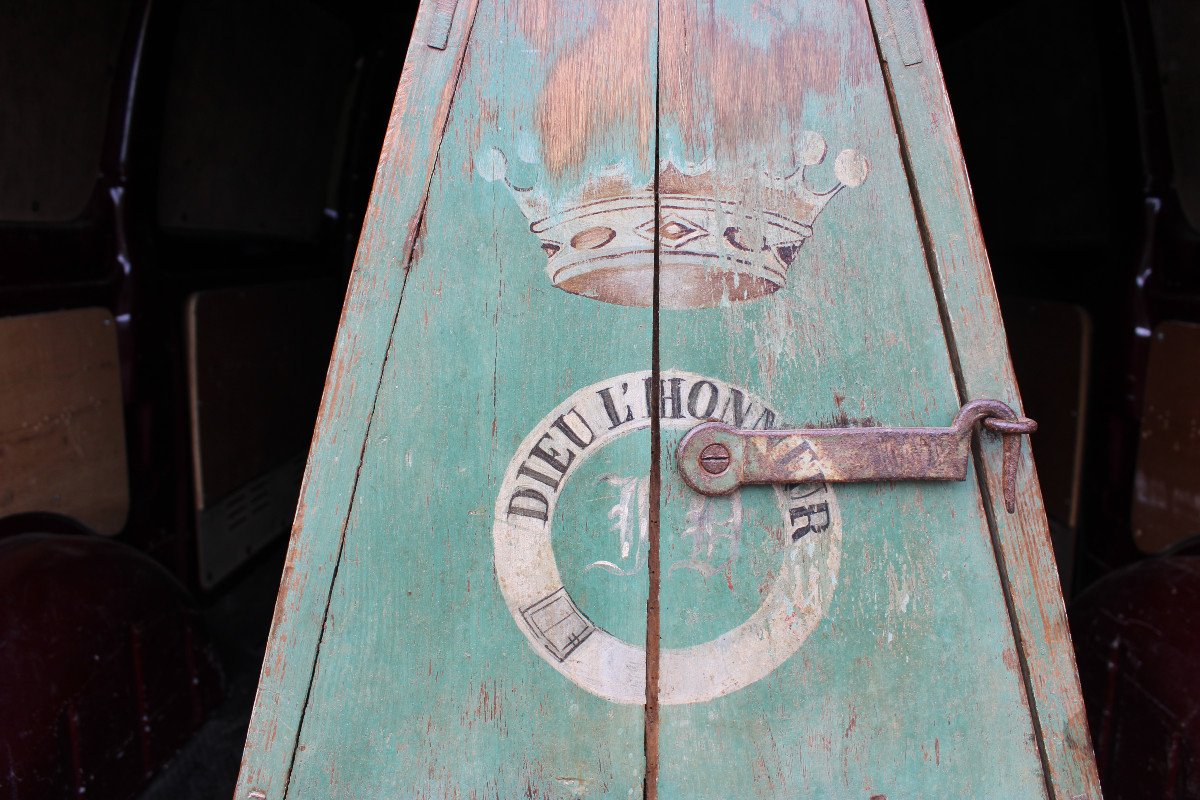


A true object of curiosity, the Ward crate was invented by Nathaniel Ward, an English doctor passionate about botany, he built this portable greenhouse in wood and perfectly waterproof glass. Embarked on boats in the 19th century, the crates placed on the decks of the boats were used to bring emblematic plants back to Europe from distant lands. Thanks to this process, 90% of them arrived in perfect condition. This terrarium is rare: there are only about fifty left in the world, rare due to its still existing polychromy and its personalization. They had quite a market value and each owner - institutions or private individuals - marked them in one way or another. of another. We find on it: the city of Bremen twice mentioned; in fact, the port of Bremen is the capital of the state of Bremen, an enclave of Lower Saxony in the northwest of Germany. it is one of the most important ports and industrial centers in Germany. This port handles just about every cargo you can imagine. Then, through the partially rolled up pavilion of the city on one side, we can clearly see the 2 lines of red and white squares then partially the horizontal stripes. The colors of the Hanseatic League, red & white, are found on numerous Hanseatic cities, finally, the motto "God honor" which would be that of the Montaigu family including a branch which has the title of Count reinforced here by the crown represented; we also find 2 letters in a circle, undoubtedly the initials of the owner's name, a crate which a little later became the property of the Consulate of Bremen. This Ward box was certainly used to transport rhododentrons imported from INDIA and was taken on board the ship in 1850; The Rhododendron-Park Bremen, has an important collection of rhododendrons and azaleas, as well as an important botanical garden, located in Bremen, Germany. You will find this Ward box on display at the Douarneney eco-museum from April 6, 2024 to November 2, 2024 on the occasion of the exhibition on the transport of plants "au jardin des Hespérides".
Explore similar pieces and discover your ideal find:
Nautical Objects