THIS OBJECT WAS SOLD

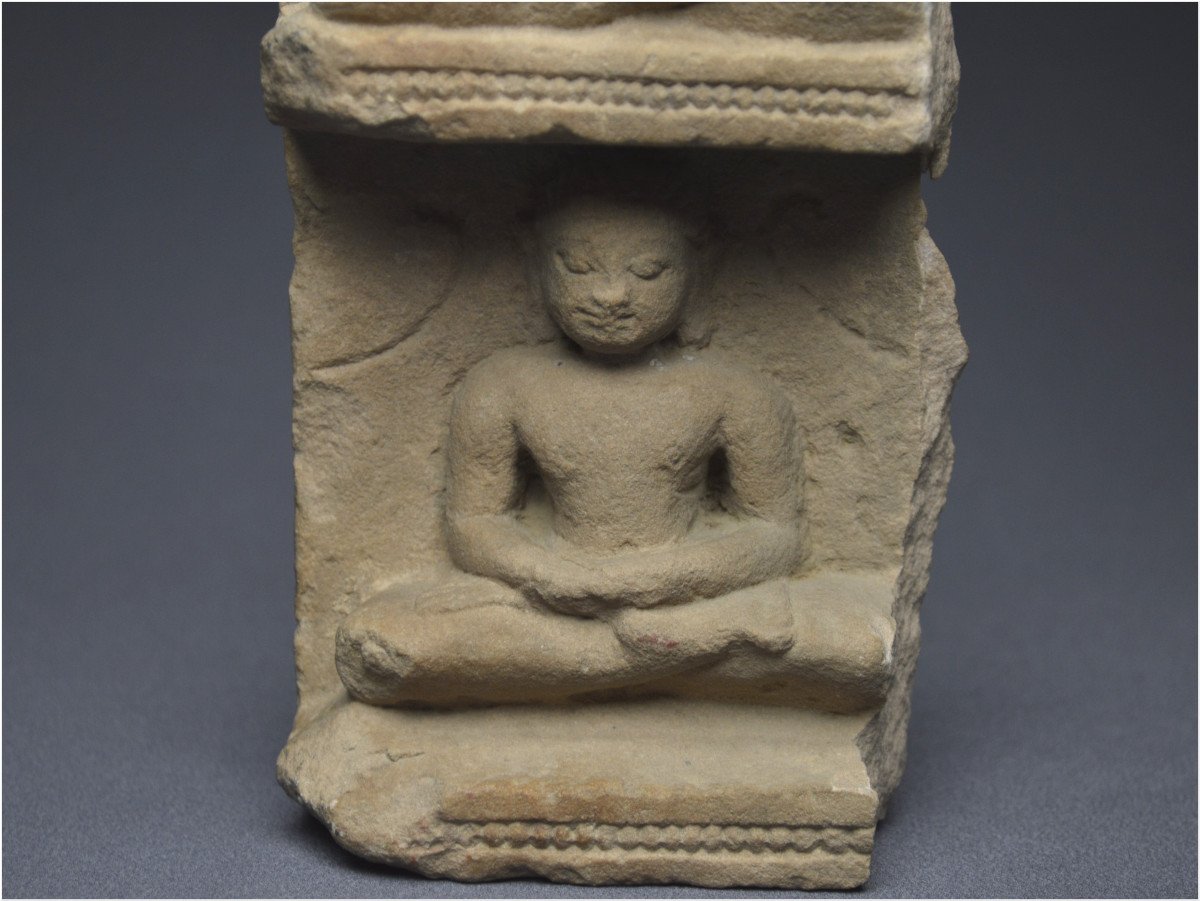
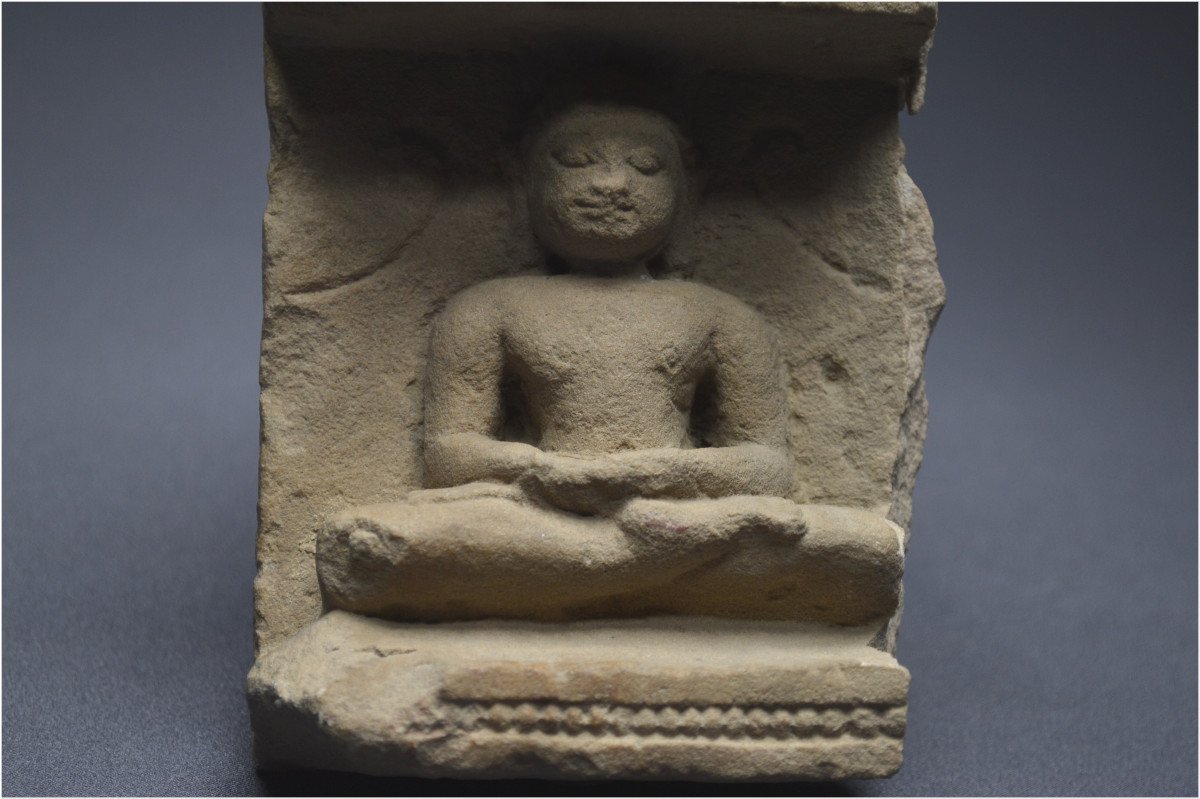
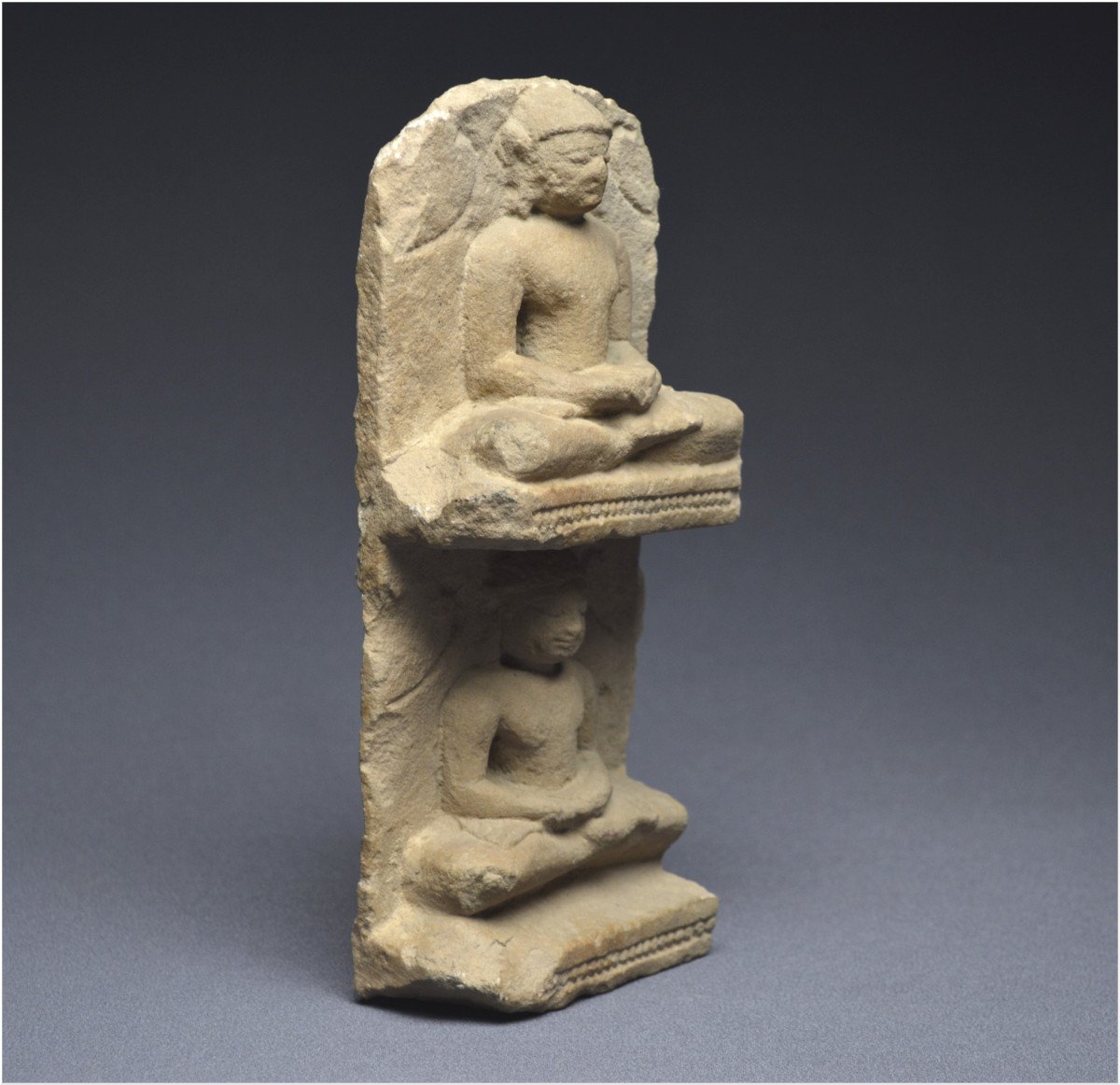
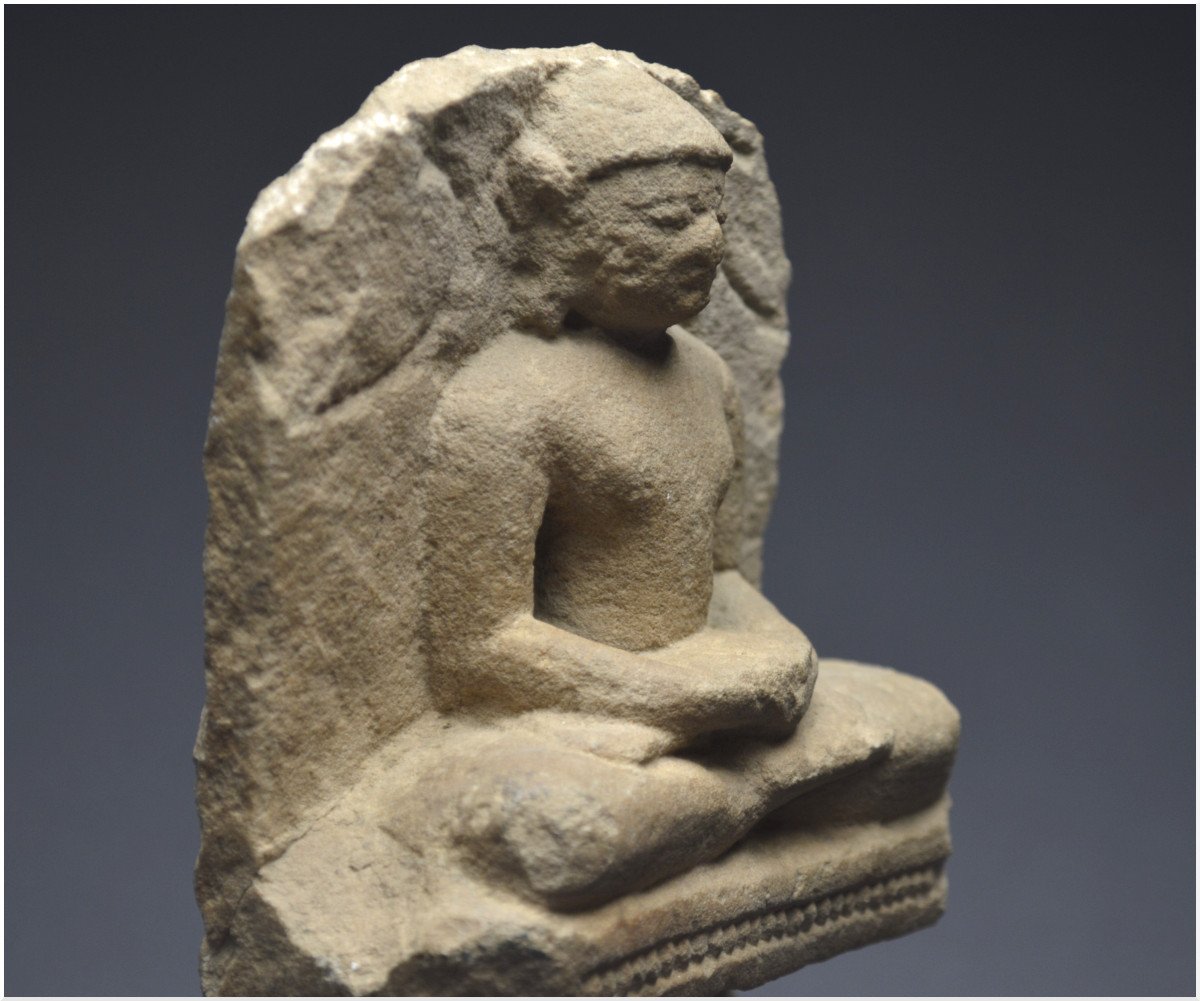
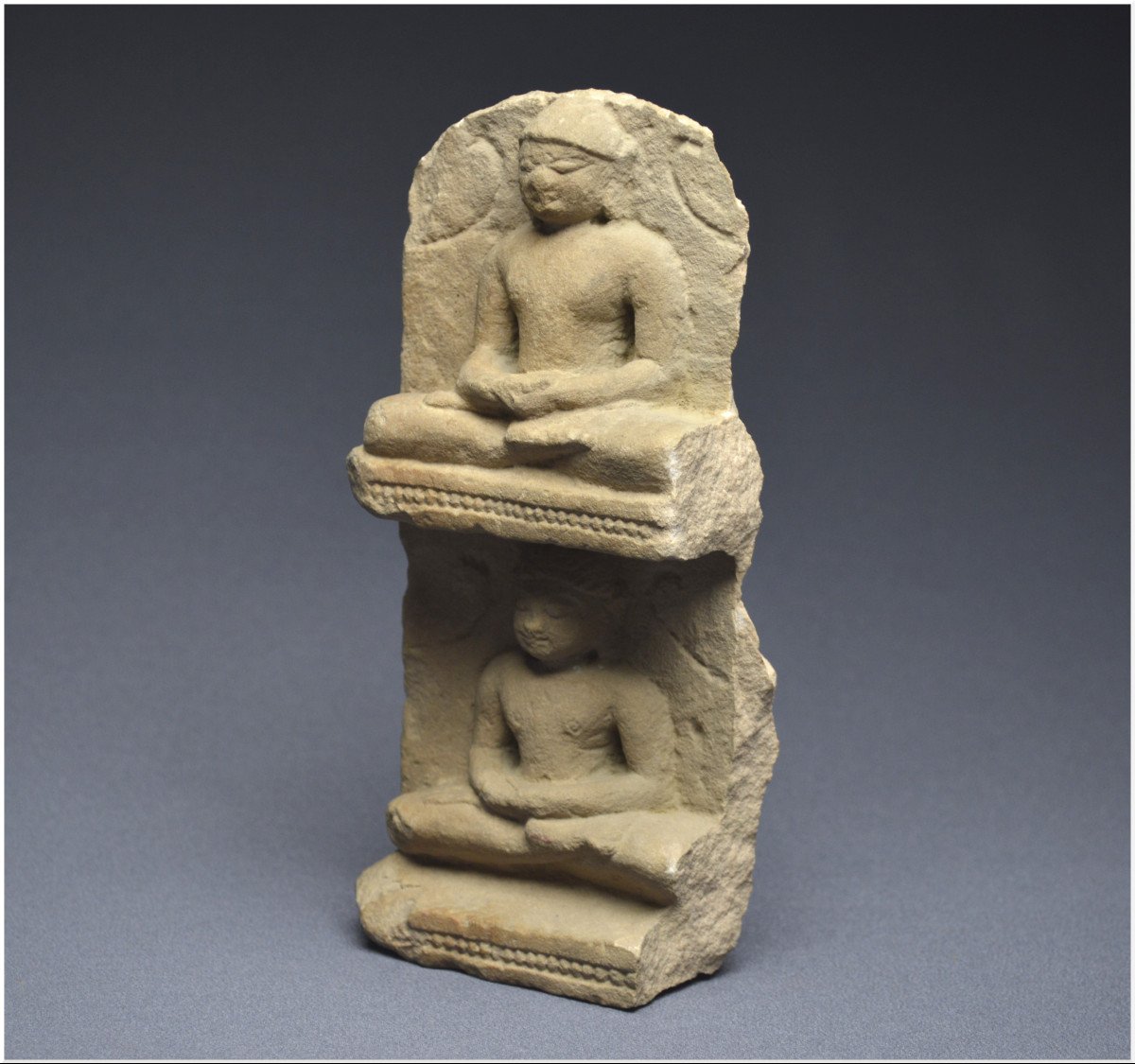
India, 8th - 10th Century, Jain Culture, Fragment Of A Sandstone Stele Depicting Two Tirthankaras

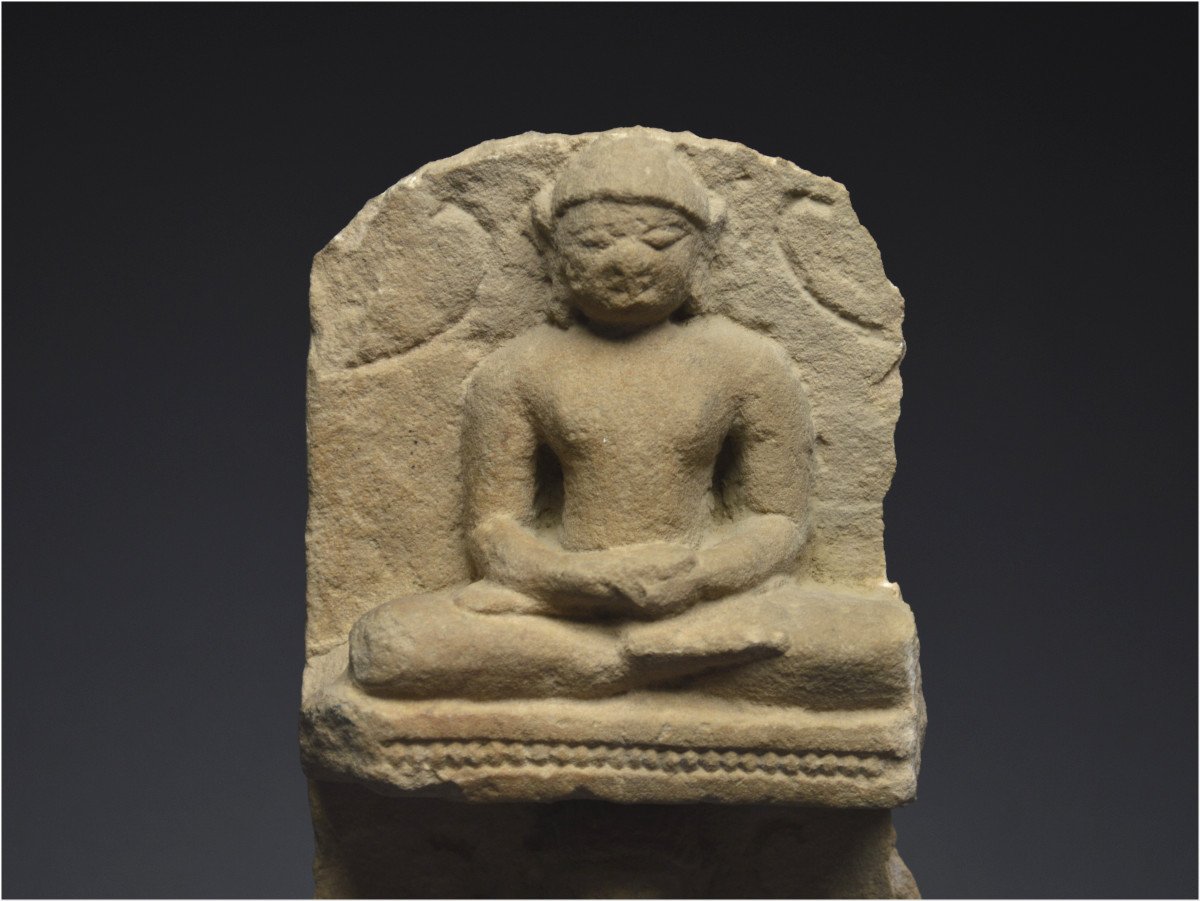
Sold
India, 8th - 10th Century, Jain Culture, Fragment Of A Sandstone Stele Depicting Two Tirthankaras
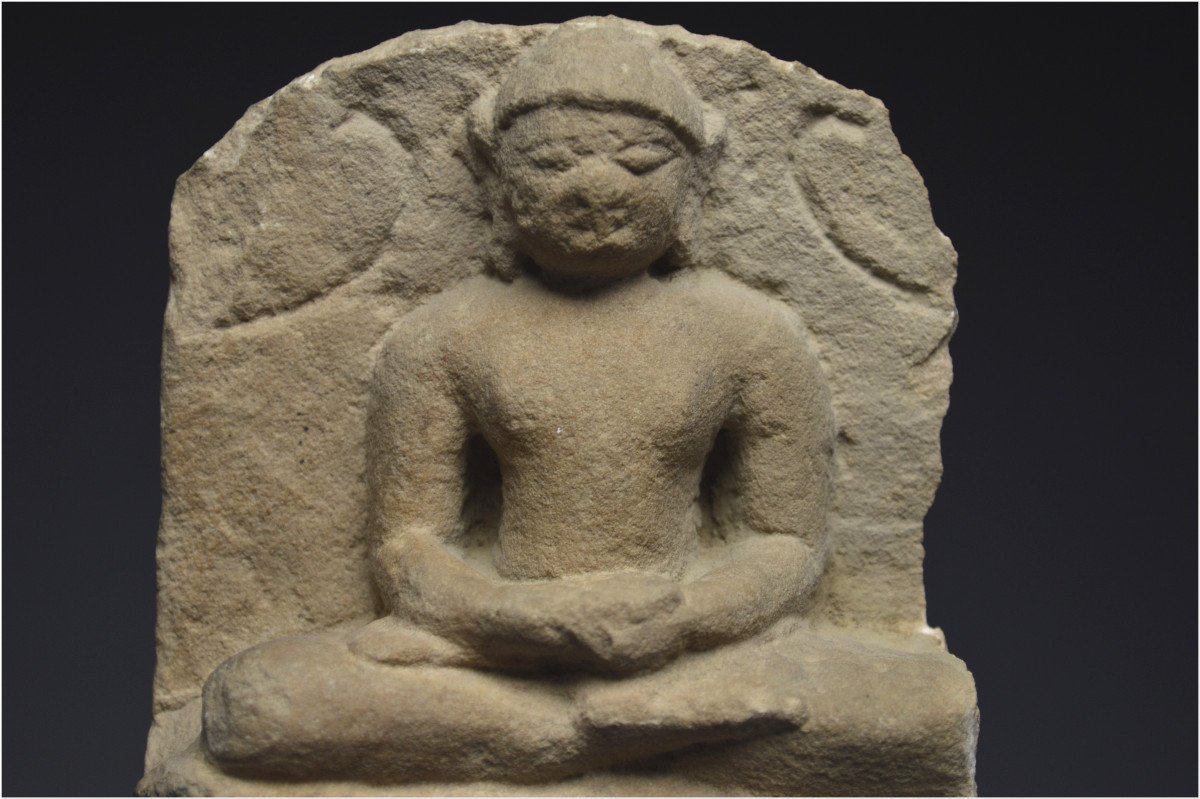
Sold
India, 8th - 10th Century, Jain Culture, Fragment Of A Sandstone Stele Depicting Two Tirthankaras-photo-2
Sold
India, 8th - 10th Century, Jain Culture, Fragment Of A Sandstone Stele Depicting Two Tirthankaras-photo-3
Sold
India, 8th - 10th Century, Jain Culture, Fragment Of A Sandstone Stele Depicting Two Tirthankaras-photo-4
Sold
India, 8th - 10th Century, Jain Culture, Fragment Of A Sandstone Stele Depicting Two Tirthankaras-photo-1
Sold
India, 8th - 10th Century, Jain Culture, Fragment Of A Sandstone Stele Depicting Two Tirthankaras-photo-2
Sold
India, 8th - 10th Century, Jain Culture, Fragment Of A Sandstone Stele Depicting Two Tirthankaras-photo-3
Sold
India, 8th - 10th Century, Jain Culture, Fragment Of A Sandstone Stele Depicting Two Tirthankaras-photo-4
Sold
India, 8th - 10th Century, Jain Culture, Fragment Of A Sandstone Stele Depicting Two Tirthankaras-photo-5
Sold
India, 8th - 10th Century, Jain Culture, Fragment Of A Sandstone Stele Depicting Two Tirthankaras-photo-6
Sold
India, 8th - 10th Century, Jain Culture, Fragment Of A Sandstone Stele Depicting Two Tirthankaras-photo-7
Sold
India, 8th - 10th Century, Jain Culture, Fragment Of A Sandstone Stele Depicting Two Tirthankaras-photo-8
More pictures

Fragment of a stele representing two Tirthankaras

India
Jain culture
VIII – Xth century


°°° Price can be reasonably negotiated °°°

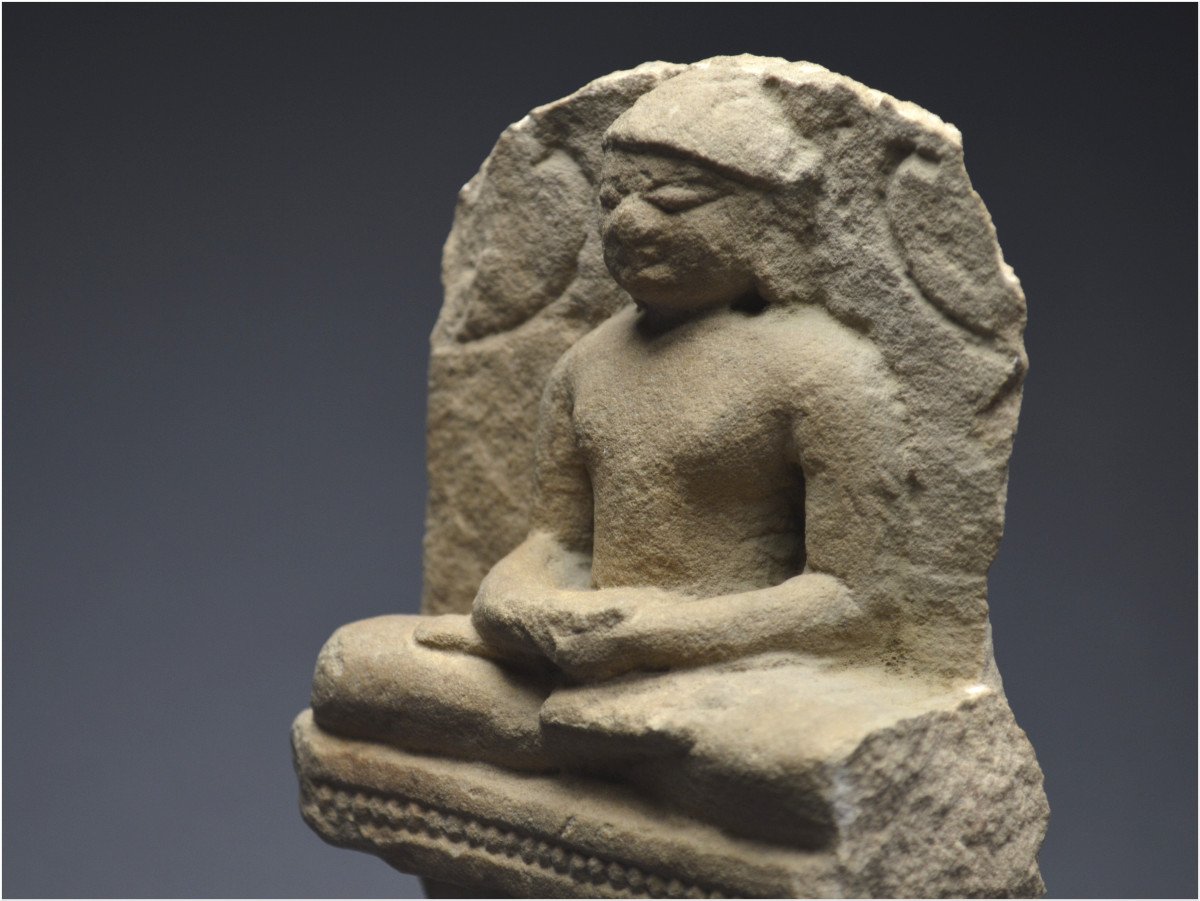
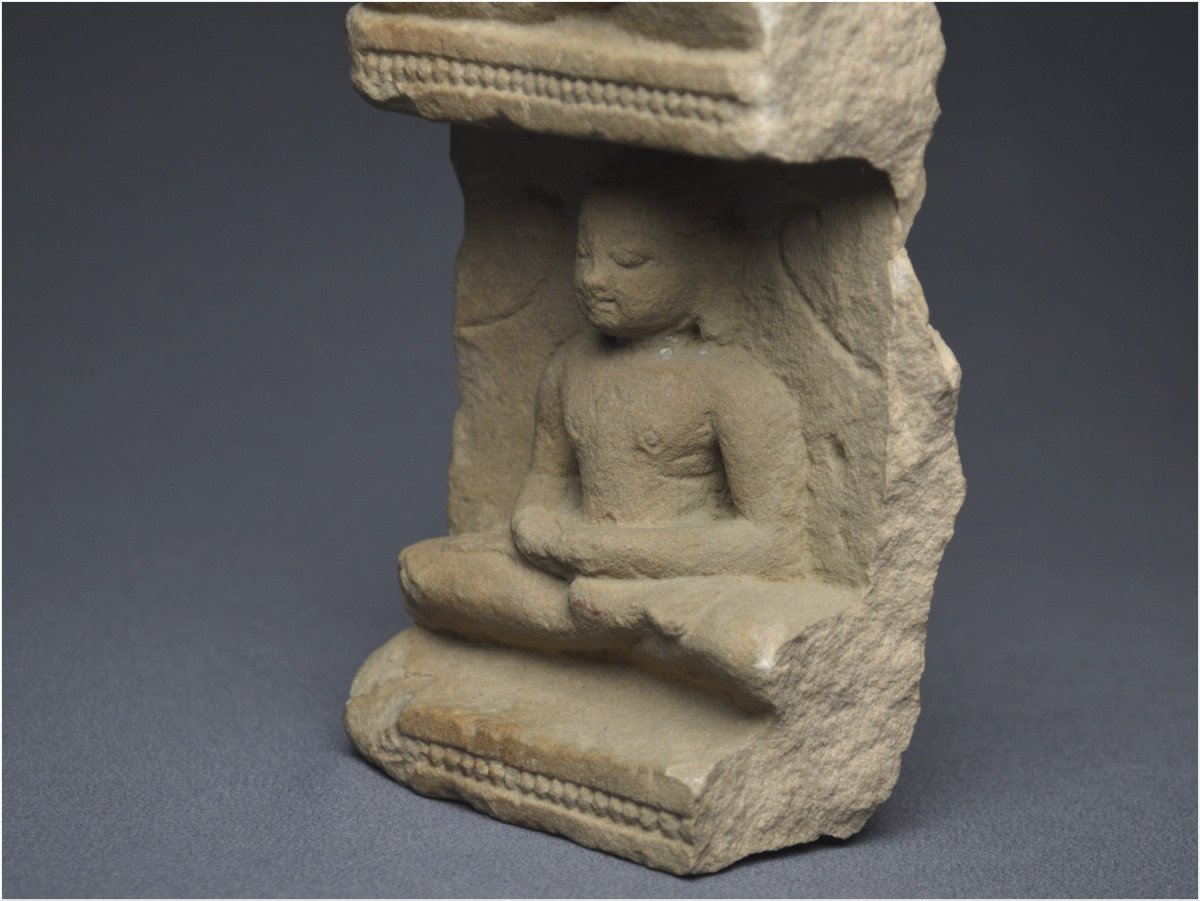
The two saints are represented naked, seated in a small niche, each in a position of meditation: legs in the attitude of the lotus (vajraparyanka), hands placed in their lap (dhyana mudra), the back of the right hand resting on the palm of the left hand. They are surrounded by volutes, each of the bases receiving a frieze of gadroons. The two Tirthankaras present broad shoulders and a powerful torso, a slender waist, the face with closed eyelids in interior contemplation. In spite of the erosion, one distinguishes on the Tirthankaras from the bottom the rhombus on the chest (shrivatsa).

Jainism is one of the three great ancient religions of India. Mahavira, its historical founder lived between 540 and 468 BC and is a contemporary of the Buddha. According to the doctrine, Mahavira would have been preceded by 23 other Tirthankara (ford-makers) named Jina (winners). With the other classical religions of India, Jainism shares the same faith in the cycle of existences (samsara) and in the periodic decline of the world. In order to free oneself from this cycle, the Jain doctrine recommends an ascetic behavior advocating the renunciation of earthly attractions as well as non-violence (ahimsa, or 'desire not to harm') towards all forms of life, the ahimsa representing the doctrine cardinal of Jainism.

Sandstone
21.2 x 10.3 cm
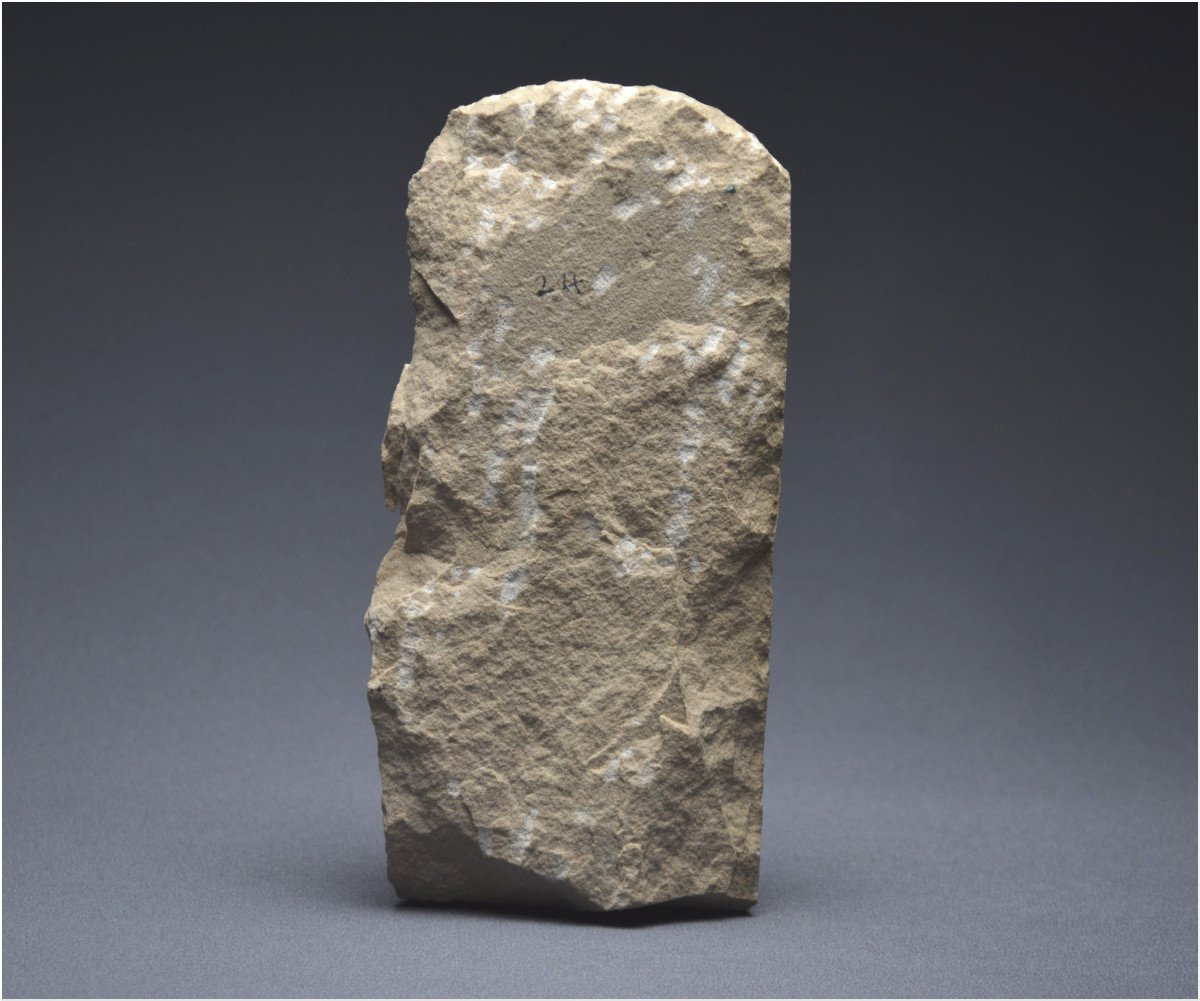
Surface wear, visible losses
Private collection

Explore similar pieces and discover your ideal find:

Marble & Stone Sculptures
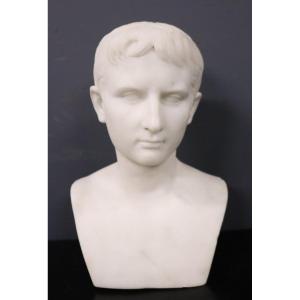
Antique Italian 19th Century Bust Of Emperor Octavian By Leone Clerici
Stone Colossus Head #3.
Head Of Christ Or Of St. Limestone Carved Sixteenth
Presumed Portrait Of Domitian - Marble Bas-relief, Italy, 16th Century
Antique White Marble Sculpture From France, 19th Century.
Chinese Style Plant Decor Vase

03 Allée Henri le Navigateur
Villefontaine 38090, France

04 74 96 36 93

07 88 06 74 56

Follow the dealer

CONTACT

SIGN UP TO OUR NEWSLETTER

facebook
instagram

Cultures & Civilisations
Chinese Style Plant Decor Vase
1044841-main-6766f45b835a4.jpg

04 74 96 36 93

07 88 06 74 56


*We will send you a confirmation email from info@proantic.com .
Please check your messages, including the spam folder.